Feeds:
Posts
Comments

Archive for the ‘Food’ Category

Our friend Deming emailed with a link to an interview on CBS’s This Morning programme with Dr. David Ludwig from Boston’s Children’s Hospital where he discusses a new study on the effects of a low glycemic diet.

To quote from the CBS website:

The study, published on June 27 in The Journal of the American Medical Association, says that low-glycemic diets that compliment a person’s changing metabolism are the best at helping keep the pounds off.

It’s better to view the video before reading the text. Dr Ludvig is clear and concise.

http://www.cbsnews.com/8301-504763_162-57461950-10391704/low-glycemic-index-diet-may-be-best-at-keeping-off-pounds/

The Glycemic Index a measure, on the scale of 1 to 100, ranking carbohydrates according to their effect on our blood glucose levels and thus their post-meal impact.

The Glycemic Load–a measure of the impact of the glucose in a single portion of food.


Speaking for myself, the GI and the GL have been good friends as guides to everyday eating. Though I now take a pill a day, I credit them ( and regular exercise) with allowing me to control the condition for six years without medication. 

Read Full Post »

Where am I?, I wondered, waking this morning.

Still in Corfu? It was hot enough at 7 am.

I quickly established that I was in France by looking out of the window.

No sign of the Albanian hills or the infinity pool.

Back to earth! But hot! hot! hot!

At the end of the garden though it was cool enough to tie up the tomato plants that had grown as much as the chickens in our week away.

The bees were still snoozing so it was safe to sit on a stool and talk to the plants!

Then off to Réalmont and its Wednesday market.

I’d missed the markets–they are rare in Corfu.

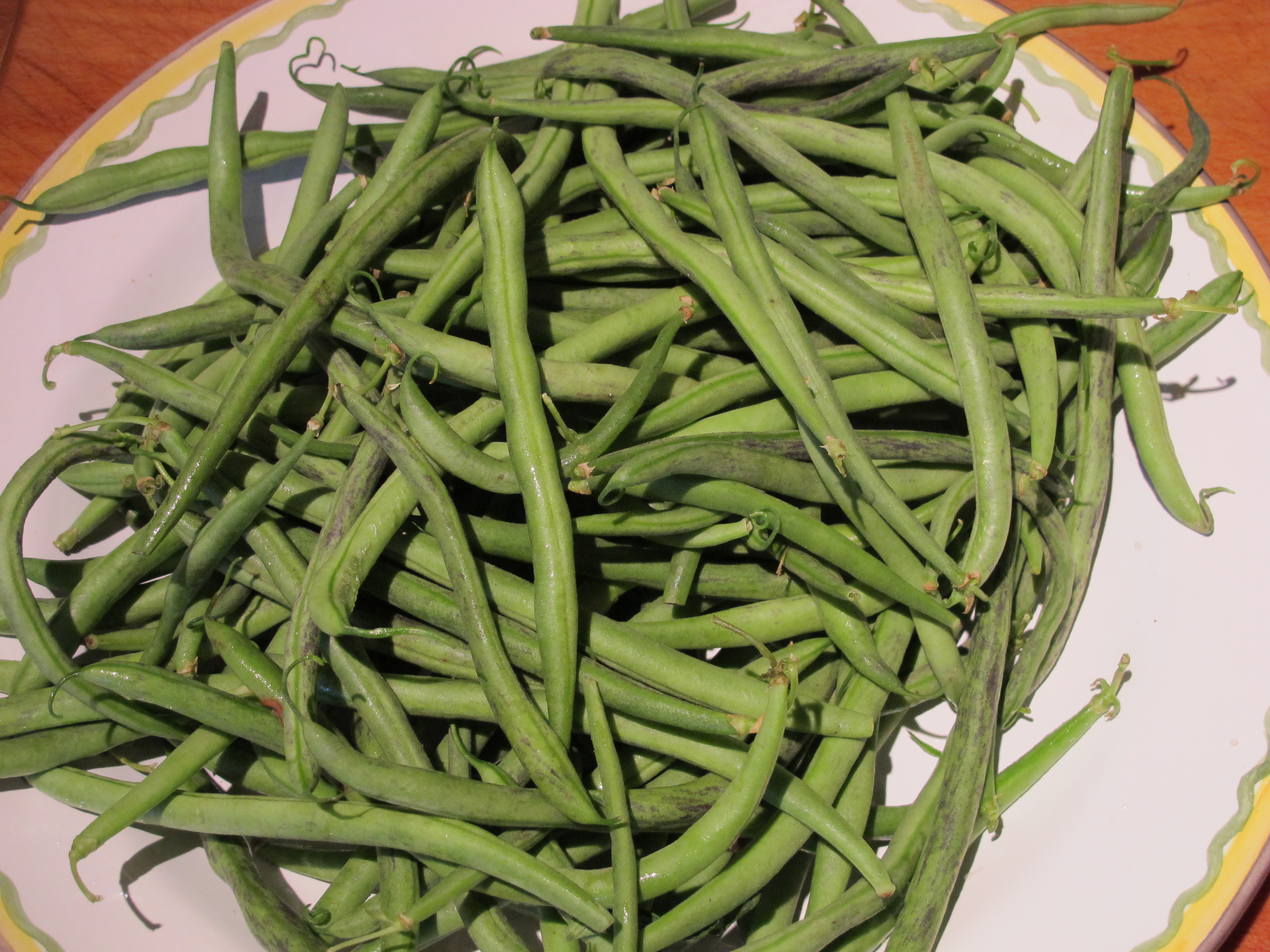
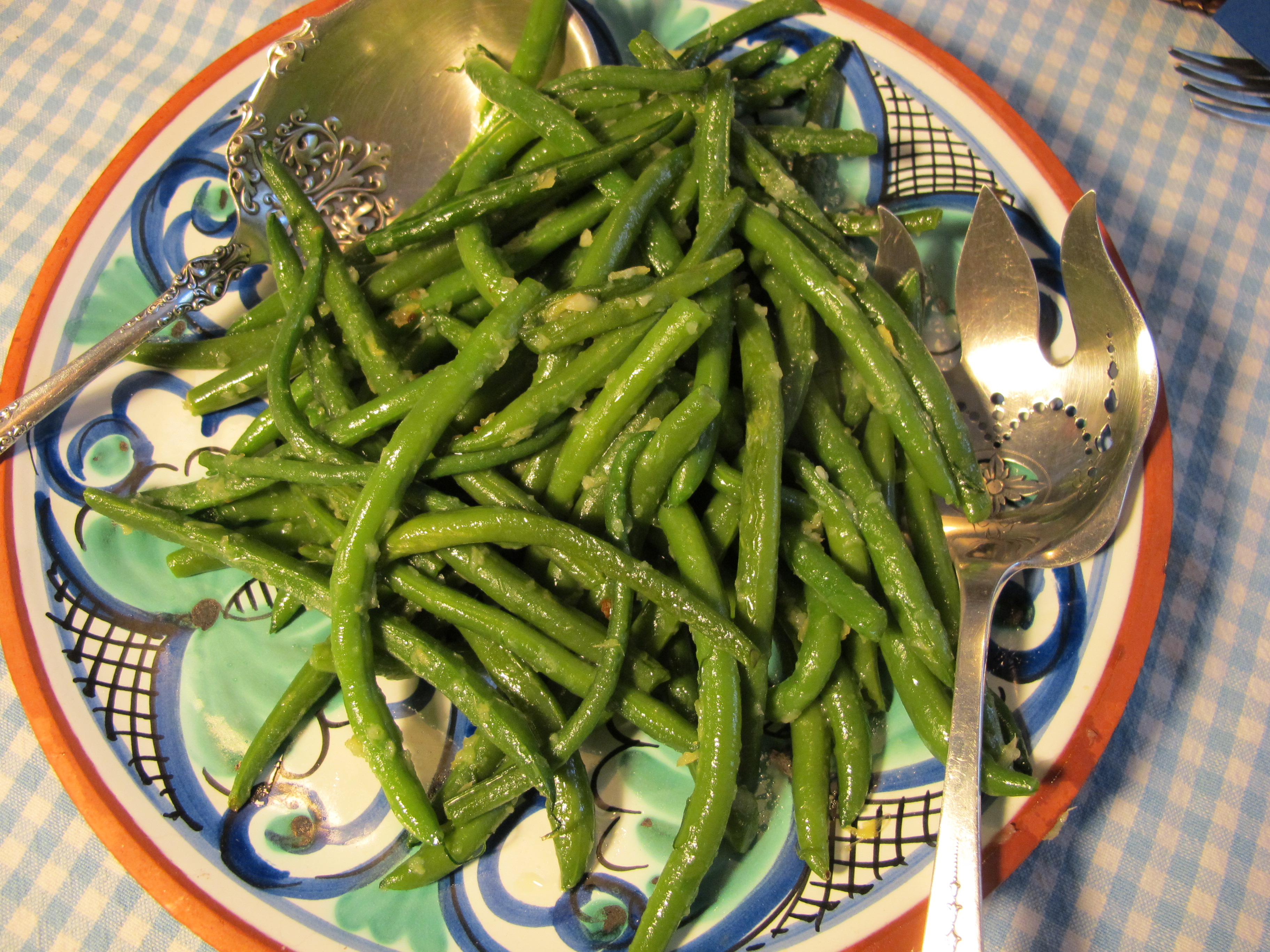
This is green bean time and here on the stalls they are piled high–picked last night I am assured.

a pile of beans

Joy!

Cooked enough to be tender,  yet still a vibrant green–but not too much so that they become flabby and dull in color. It’s hard to tire of them.

It’s always good to discover new ways to cook them.

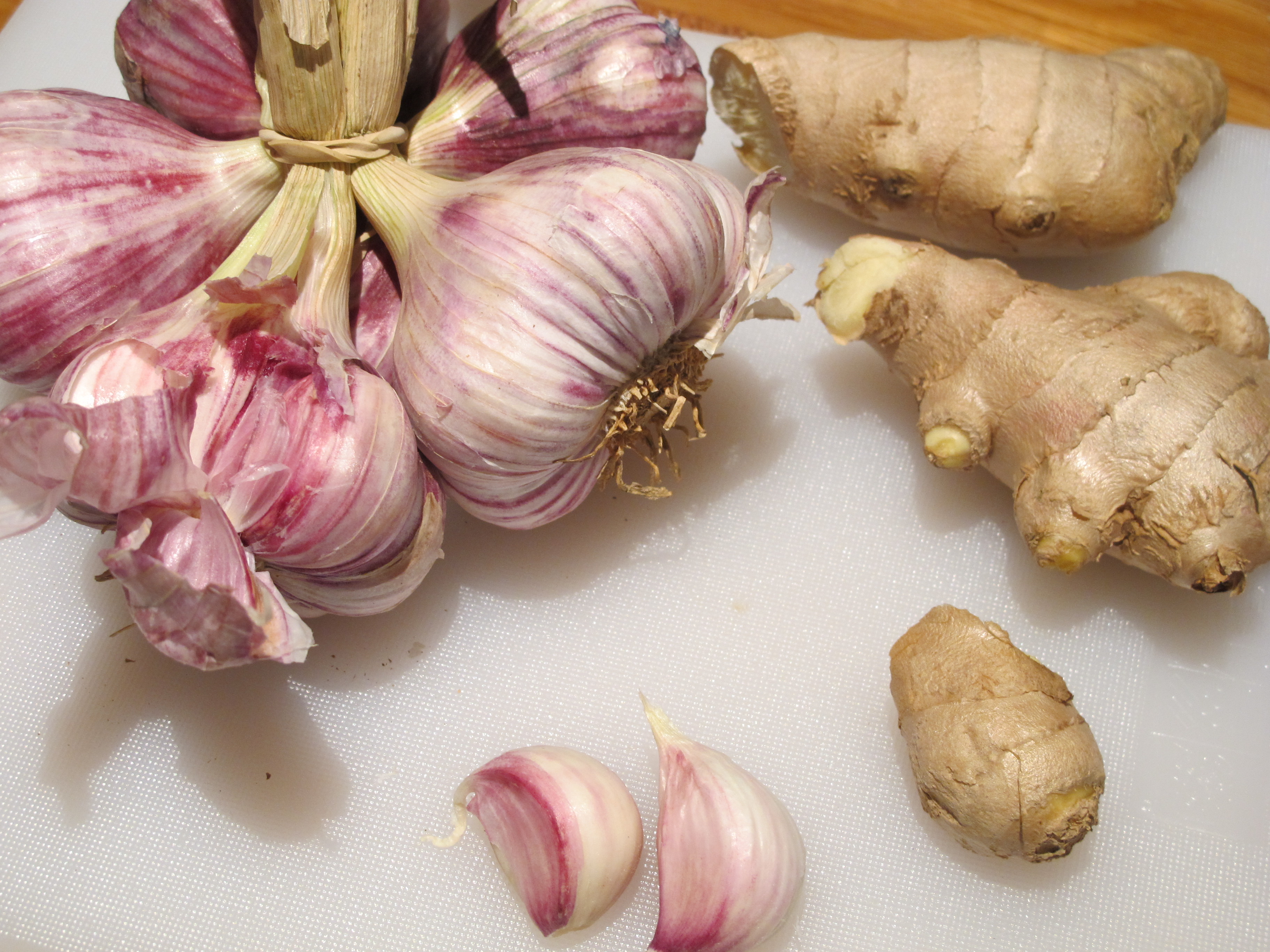
I spotted this simple recipe in The New York Times a few weeks back. As I’d bought half a kilo of new season garlic and ginger this morning, Give it a go!, I thought.

My slightly adapted version

for 4

1lb green beans— topped, (no need to tail)

1 teaspoon of salt

2 cloves of new garlic-– (or the best looking you can find)

a large thumbnail size piece of ginger–peeled and chopped small

1 teaspoon salt

2 tablespoons of olive oil

  • Have a bowl of cold water ready to plunge the cooked beans into.
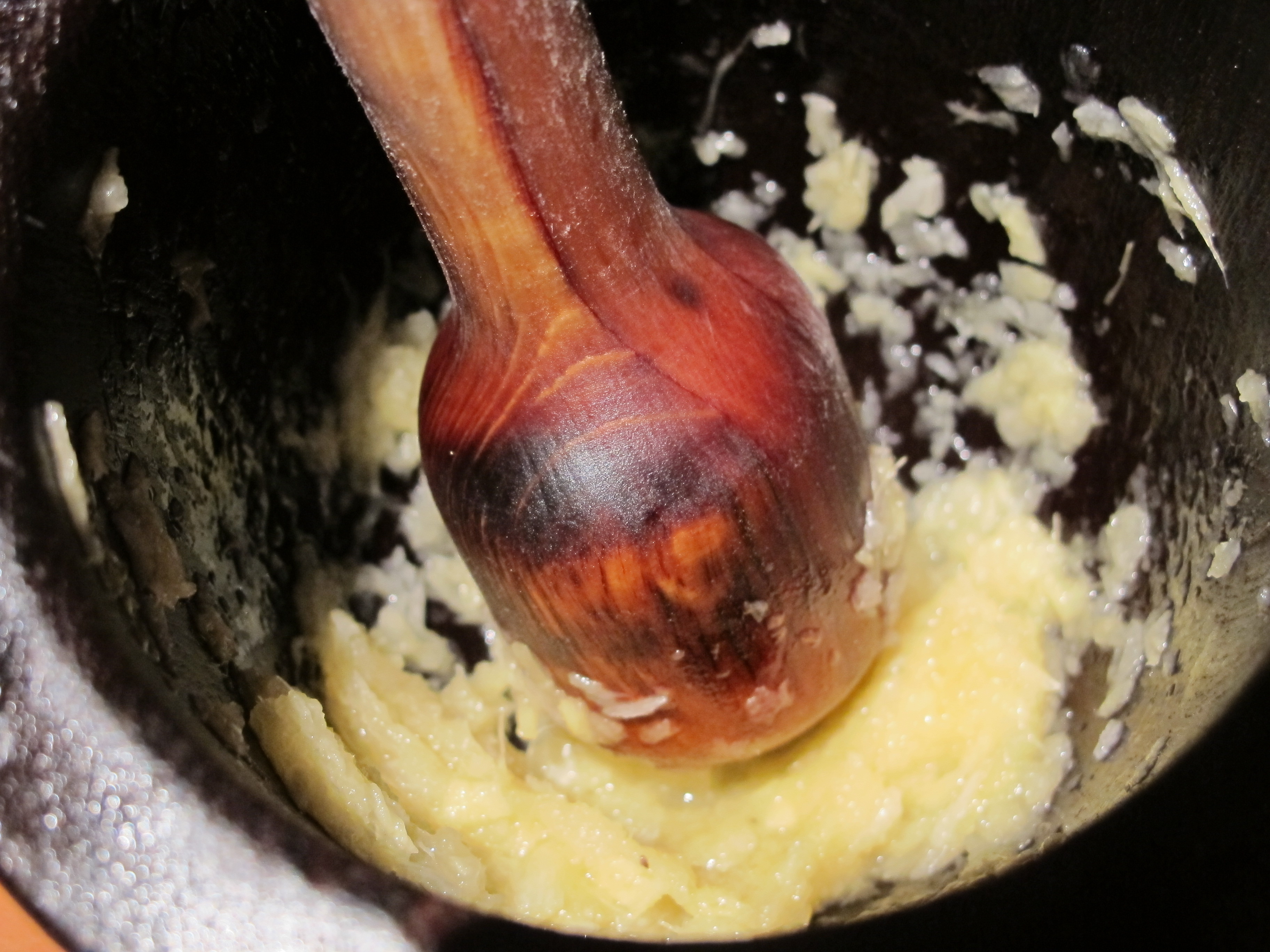
  • Pound the garlic, ginger and a teaspoon of salt into a pulp.
  • Bring a large saucepan of water to the boil.
  • Add the beans and cook them until almost tender to the bite–(a pair of cooking tongs comes in handy here to whip a bean out for a bite test).
  • When you judge they’re ready, transfer them quickly into the bowl with the cold water–to stop them cooking further.
  • Drain them and leave to dry a little.
  • Heat the olive oil in a large sauté pan.
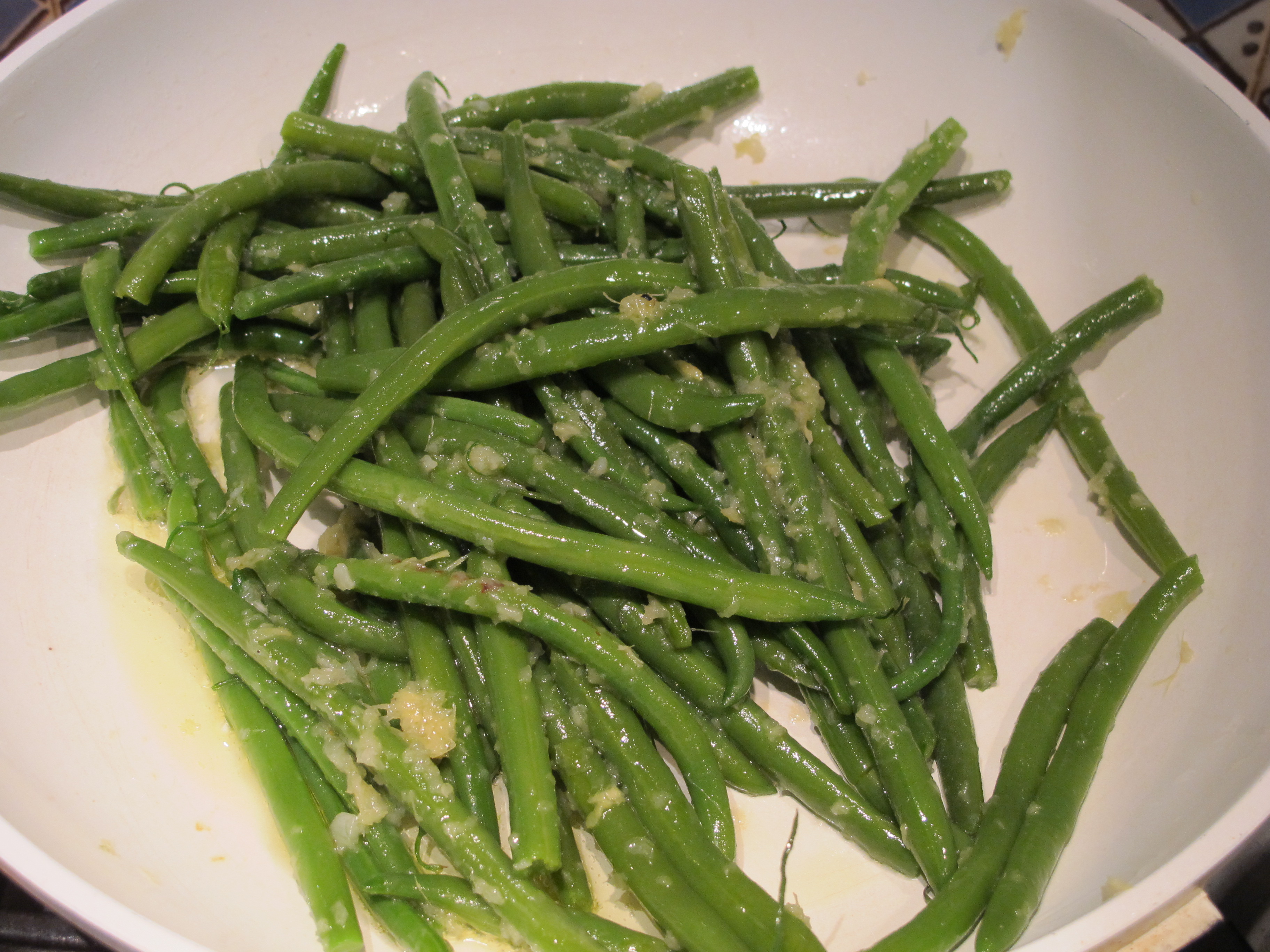
  • Add the beans and the gorgeous garlic and ginger gunge.
  • Over a gentle heat turn the beans in the mixture until they are nicely heated through.
  • Taste them and add more salt if needed.

We had them for lunch today…

with a butterflied pork chop–of which more later….

Read Full Post »

Red, pink, pale green, darker greenpurple/black and white are the colors looking up at you from the bowl on the table. Add the dressing and turn the contents over and your fork will start jabbing in–involuntarily.

Tomatoes, cucumber (peeled or unpeeled), peppers (red or green), sweet (red) onion, black olives, feta cheese, olive oil, red wine vinegar, salt & pepper. 

A glass of retsina, blue blue sky, a dry summer heat, a swimming pool or blue blue sea.

The first nine ingredients are the essentials, the last five are preferable–but not obligatory–as they are not always available!

It works best if the tomatoes and cucumber are sun-ripe and juicy but the contrasting tastes of the feta, the olives, olive oil, vinegar and seasoning make this national dish worth eating anytime, anywhere.

Chunks, curls, slices and slabs lend a spirit of generosity to the brimming bowls presented here in Corfu.

The olives here in Corfu are the kalamata variety, similar to the small black olives that feature in that other summer wonder–Salade Niçoise. Their faint bitterness  balances the sweetness of the tomatoes and cucumber.

The grilled sardines–small but meaty–arrived on a large plate, filling it from edge to edge.

I put down the knife and fork in the end and ate them with my fingers. It took a while.

Greek salad would have made a simple, clean and contrasting accompaniment with or without the cheese–no room though!

Read Full Post »

Marie A Bright wrote plaintively on Facebook yesterday after the post on Sugar:

What if you have a sweet tooth but don’t want to use sugar? I know artificial sweeteners are no good either but sometimes, you want a bit of sweet. Robin, I know you don’t really have a sweet tooth and you are so lucky but is there anything out there that is natural but not harmful to your health? Thanks.

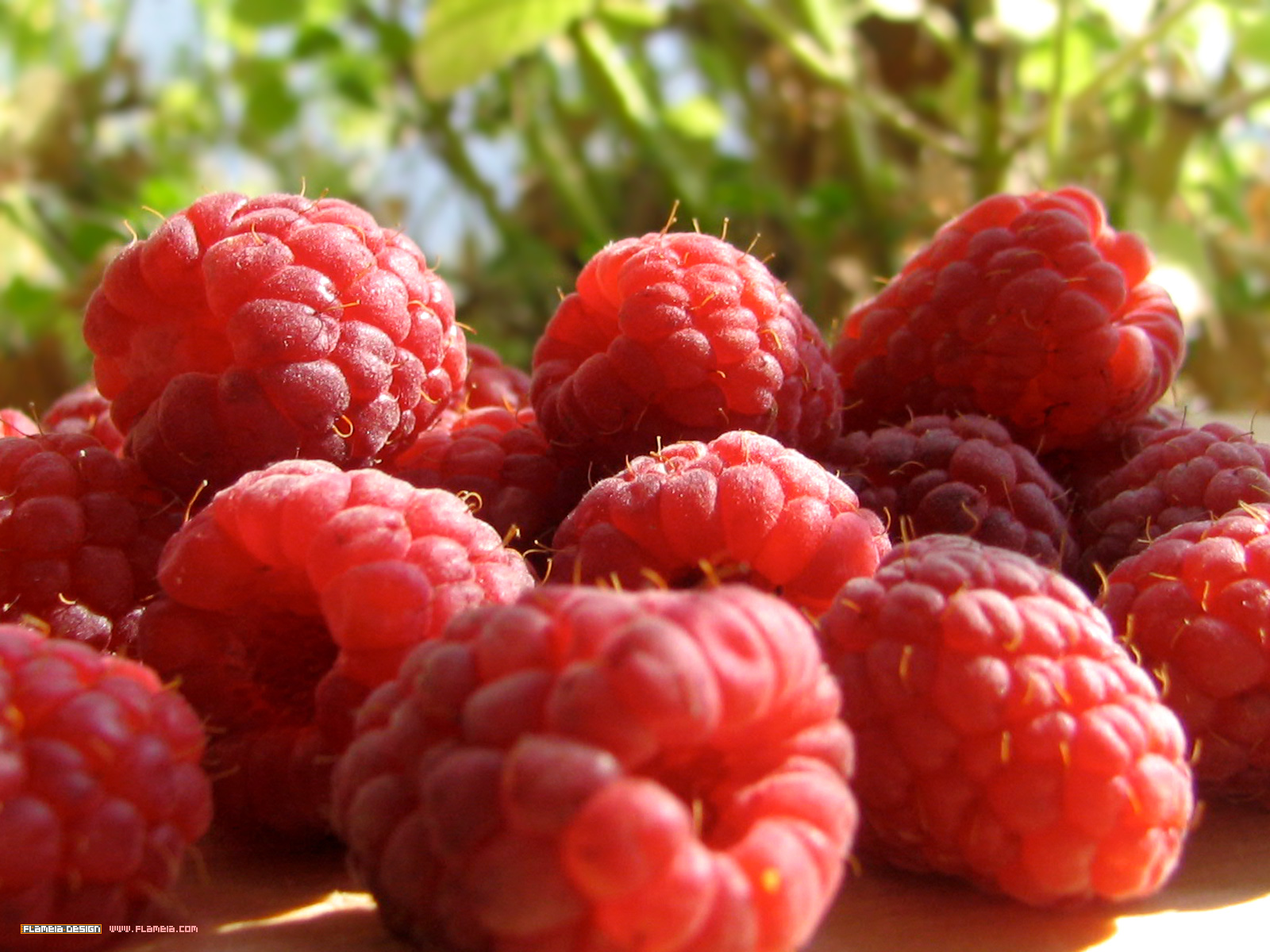
Without much reflection I suggested a square of 80-90% cacao chocolate, a slice of apple, a dried fig or apricot or a bowl of raspberries. 

It is the season–supposedly! Summer arrives officially in a week, though it’s hard to credit.

I’d bought a small punnet yesterday in a new vegetable & fruit shop in Castres.

They looked good–but not exactly home grown.

But mixed in with some Realmont Market strawberries from a trusted source–they made a colorful addition to my breakfast bowl and lifted the spirits.

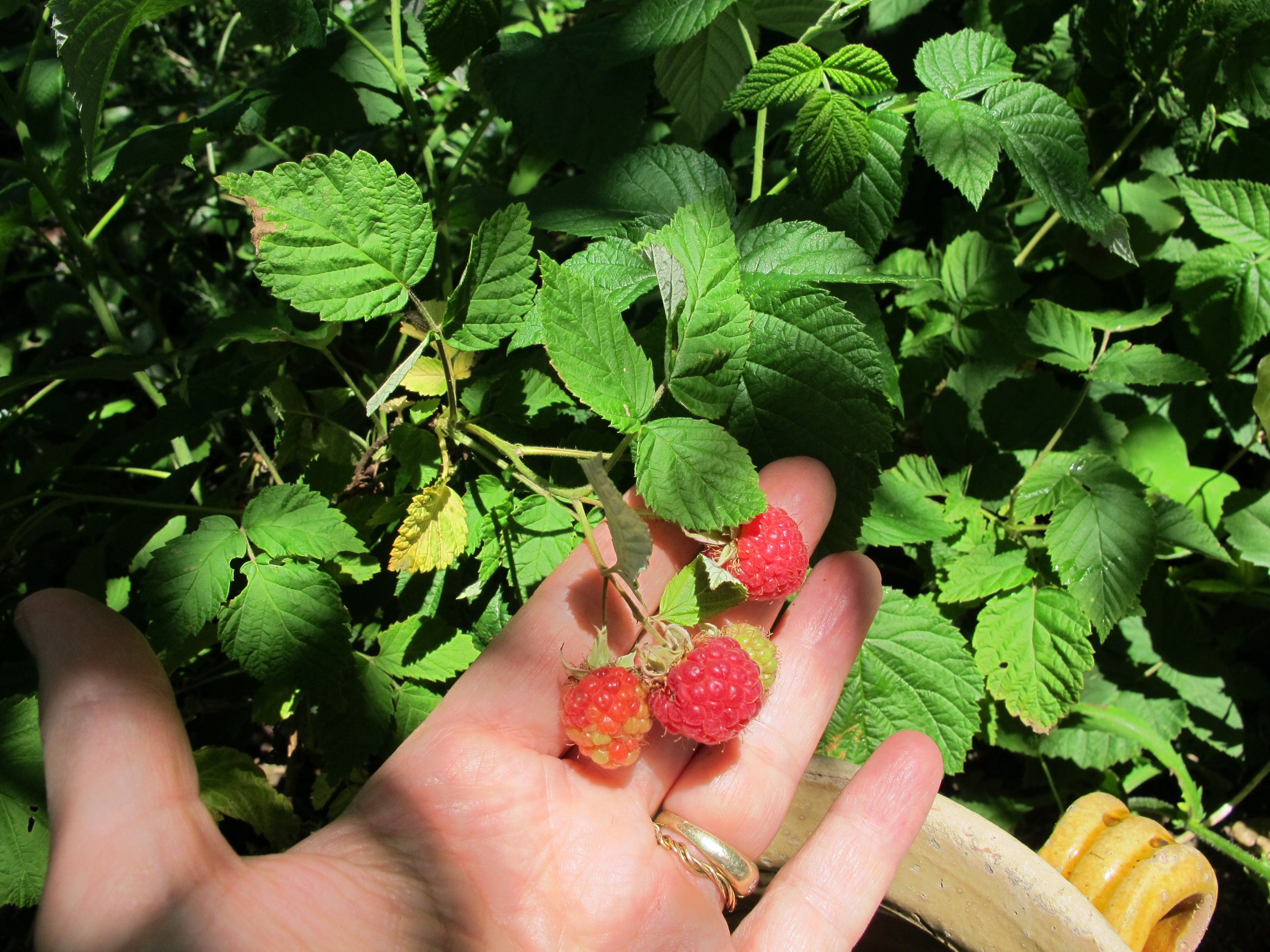
Soon after, from somewhere in deep cover in the garden, Meredith announced :

We have raspberries!” Hardly a bowl of them yet, but thanks to the rain and now the sunshine we live in hope.

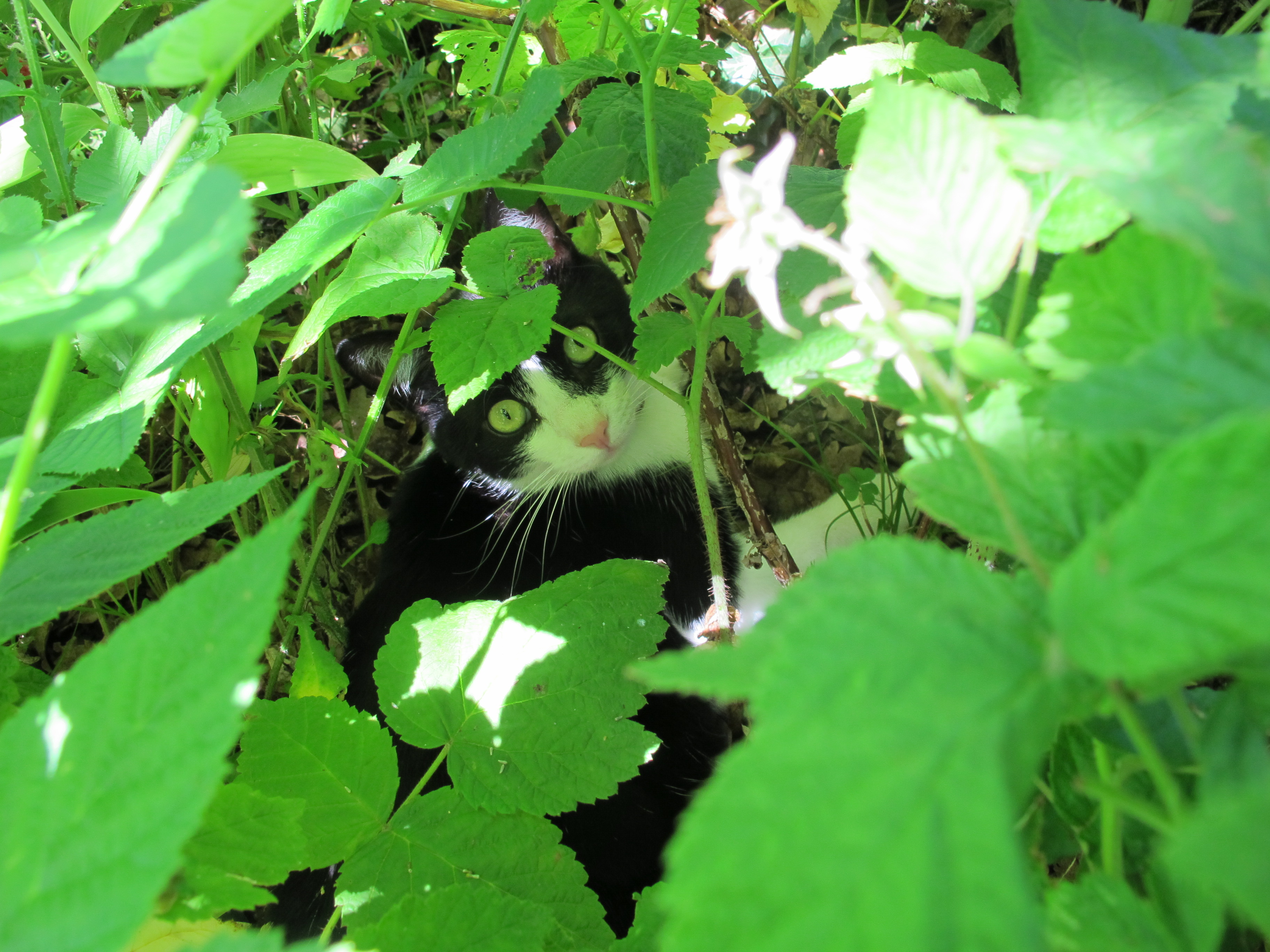
Beau was on the case too–Watson to Meredith’s Sherlock.

Here’s perhaps more than you need to know about raspberries!

Read Full Post »

I was lucky growing up in the fifties, neither of my parents took sugar in tea or coffee–spoilt the taste they insisted.

Like a good son, I copied them and in spite of Ma’s talent for baking–coffee cakes and flapjacks were unrefusable offers at “tea-time”–I didn’t develop the raging sweet tooth some people have to feed.

So the changes I made after I was diagnosed with Type 2 Diabetes thirteen years ago were minimal and not really painful.

“Out with the whites” (refined carbohydrates like white rice, white pasta, white bread)–an earlier post–became the rule and I don’t miss ’em!

I prefer wholewheat pasta, brown basmati rice and whole rye bread–I prefer the taste I mean.

And of course I don’t drink artificially sweetened soft drinks, though I remember in the fifties enjoying my share of something colored red called TIZER, bought in large bottles from “The Tuck Shop” in Highgate Village after school.

I was doubly lucky it turns out, according to this piece from The Guardian:

http://www.guardian.co.uk/business/2012/jun/11/why-our-food-is-making-us-fat

I was brought up before the development of high-fructose corn syrup (H-FCS) produced in the 1970s from a glut of corn.

This readable article is an introduction to a three-part TV series to be shown on BBC2  starting this Thursday evening.  Journalist and film maker Jacques Peretti identifies SUGAR–and in particular the development and wide spread introduction into food and drink products of H-FCS–as villain in the search for why people (especially children) are dangerously overweight these days.

Obesity is strongly linked to the development of Type 2 diabetes in adults–and, more recently, also  in children.

(Meredith just told me that her father restricted her to one bottle of Coca-Cola a day in the fifties but lifted the order when Diet Coke was introduced. Game, Set and Match to Coca-Cola!!)

Read Full Post »

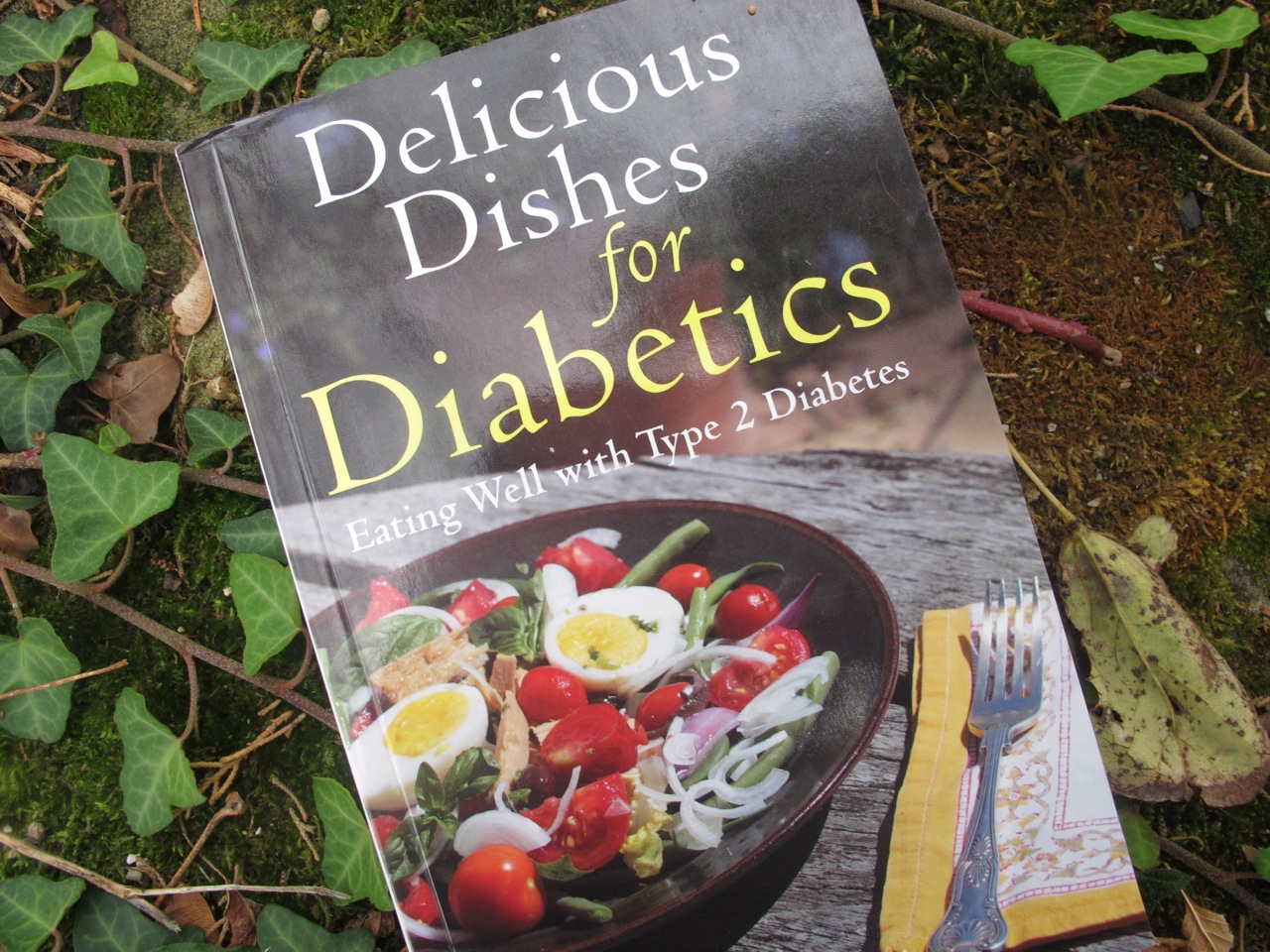
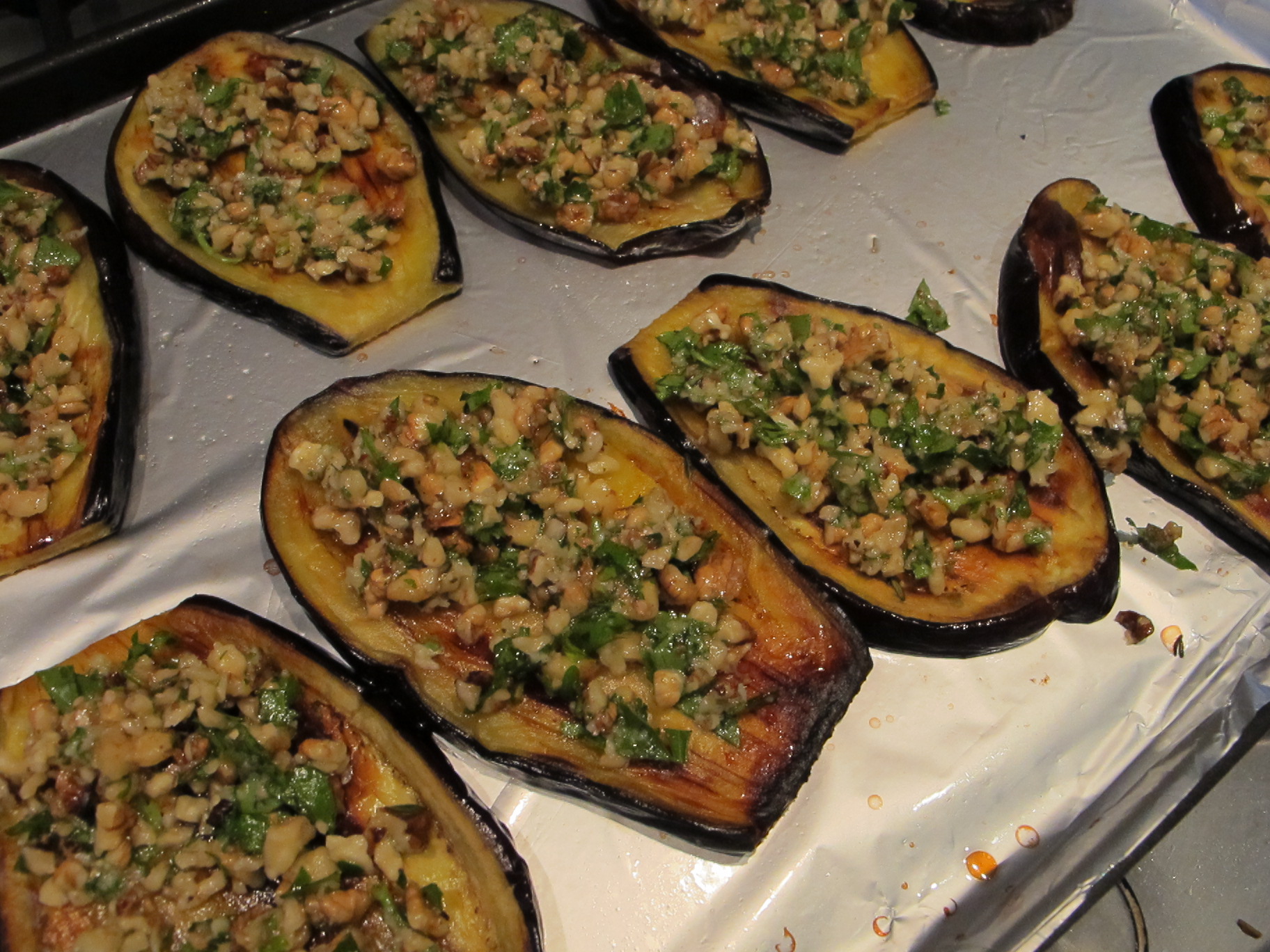
…from the Starters and Light Lunches section of Delicious Dishes for Diabetics:

This tasty seasonal starter is useful for company it as you can prepare it beforehand–it makes regular appearances through the summer.

(A couple of ripe cherry tomatoes will add colour to the plate in a month or so.)

Serves 4

2 large aubergines

salt
2 tbsp olive oil
2–3 tbsp wine vinegar

Sauce:

3–4 cloves of garlic – crushed with a little salt
60 g/2 oz walnuts – shelled; if you do this yourself, take care that no pieces of shell get left with the kernel.

a handful chopped parsley

  • Wash and cut the aubergines lengthwise into 1.5 cm/1/2 inch slices.
  • Salt them slightly and put them in a colander for an hour or so, to drain off some of their bitter juice.
  • Dry them thoroughly and brush generously with olive oil on both sides.

Heat the oven at 240°C/475°F/Gas Mark 9.

  • Put the aubergines on well-oiled foil in a shallow oven tray.
  • Cook them in the oven for about 20 minutes to brown them, turning after 10 minutes.
  • While the aubergines are in the oven, make the sauce.
  • Mix the crushed garlic with a tablespoon of olive oil.
  • Chop the walnuts in a processor or pound them in a pestle and mortar.
  • Combine these two ingredients with the parsley in a bowl and add another tablespoon of oil.
  • Mix well and check for salt.
  • Take the aubergines out of the oven, put them on a serving plate, brush with the vinegar and spread the delicious sauce on top.
  • Serve warm or room temperature.

Read Full Post »

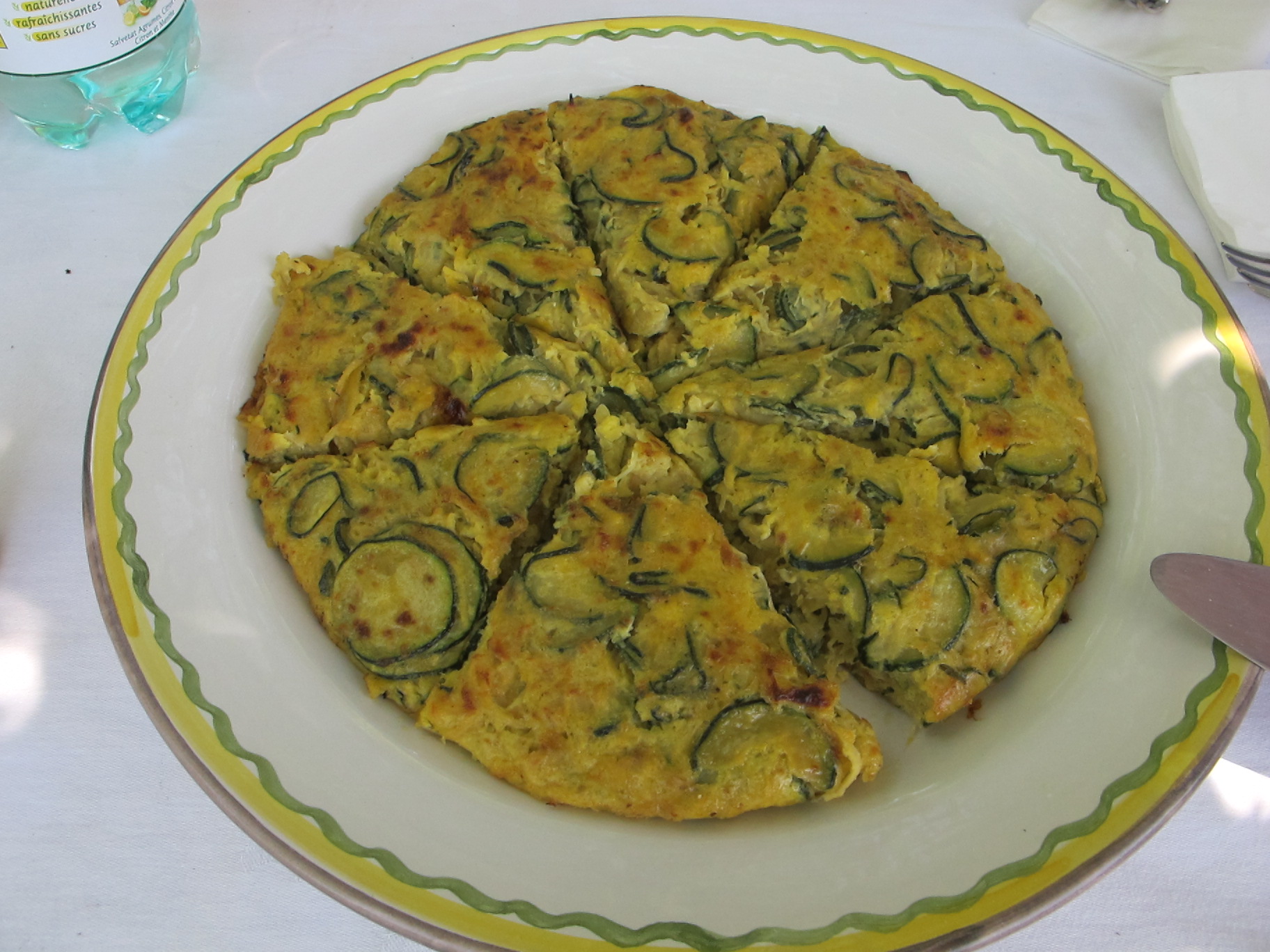
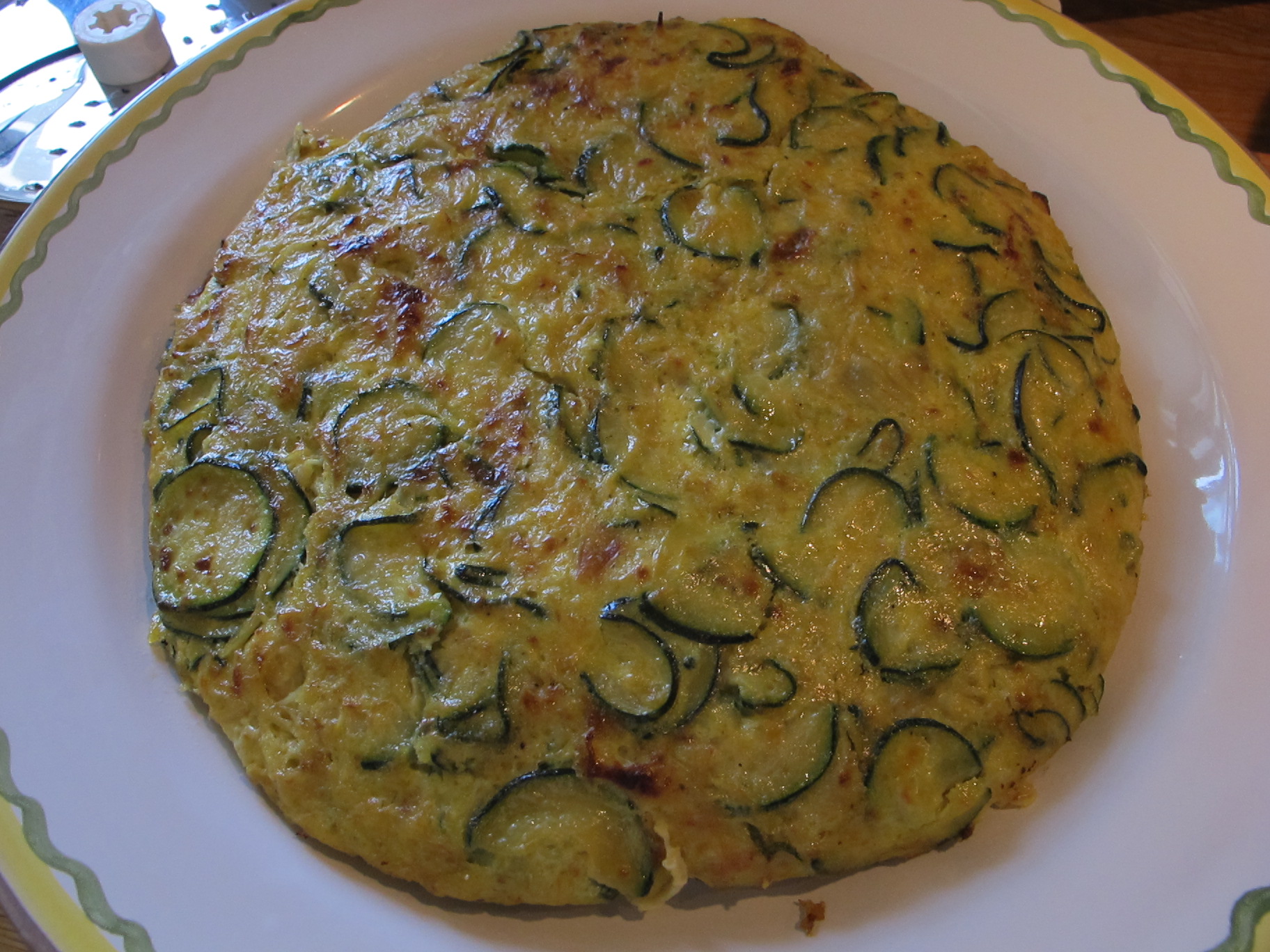
This has been on the menu for years.

The combinations in this classic Italian omelette are Marcella Hazan’s and depend on slow cooking in the first and third stages.

I tried doing it with three pans this time–don’t tell Meredith!

She thinks I use more pans than any cook in the history of the world.

It made life easier and reduced the cooking time a little in the second stage.

It’s a good dish for company that can be cooked beforehand and served tepid.

for 4 or more

3 onions–sliced thin in a food processor

4 tablespoons of olive oil

3 medium courgettes/zucchini–sliced thin in the processor

salt and pepper

5 large eggs

50gms/2oz grated parmesan


Stage 1

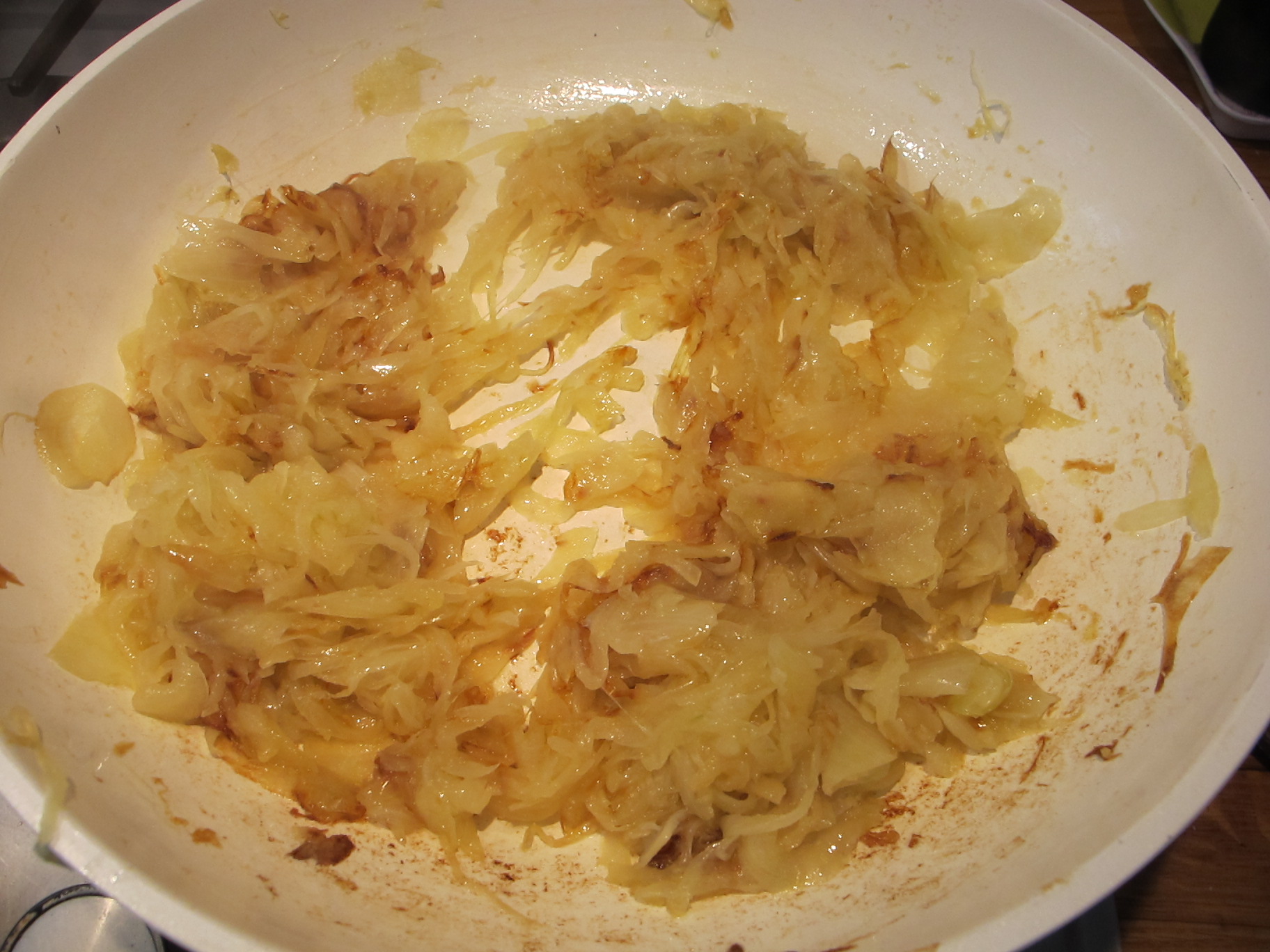
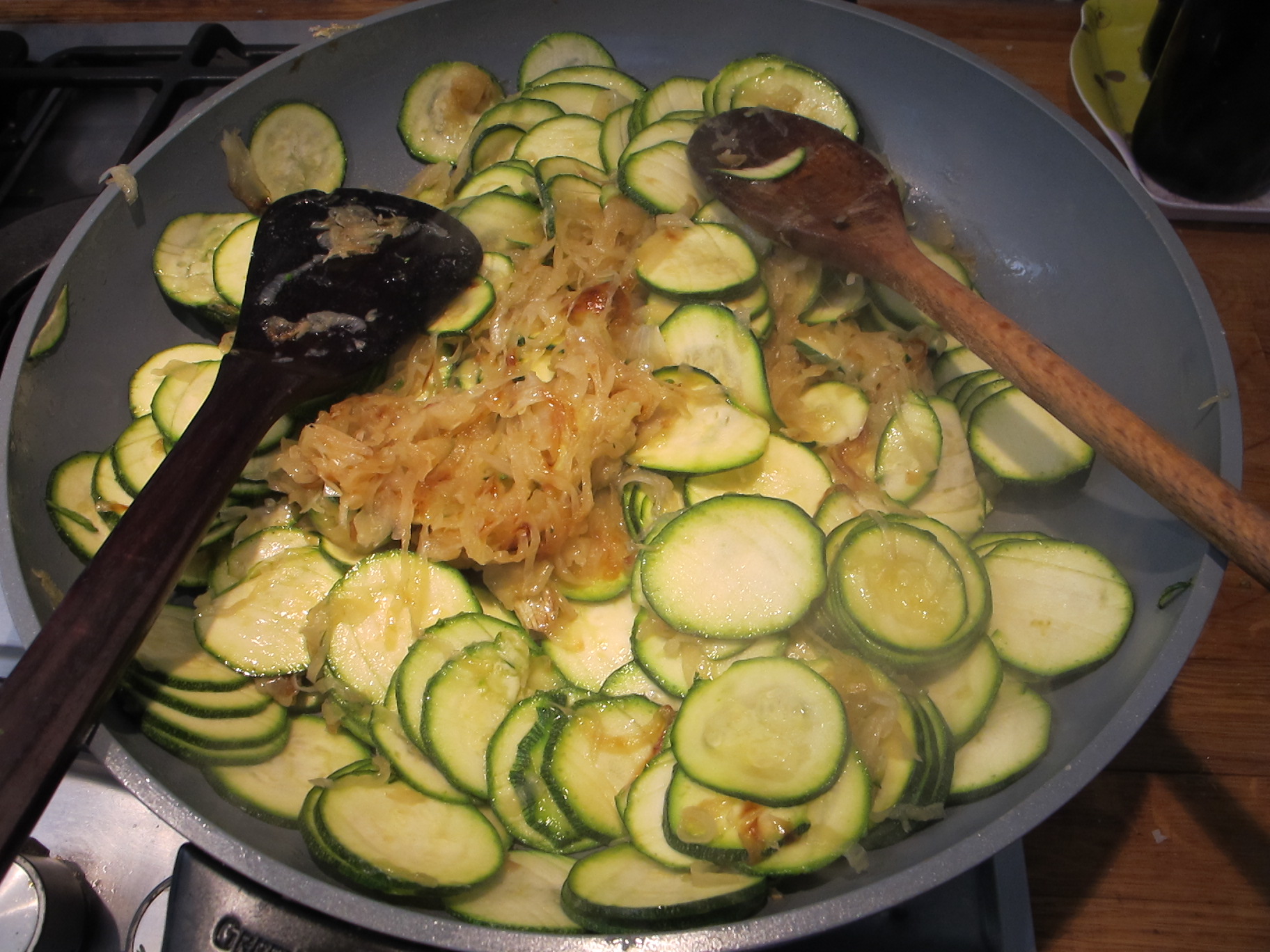
  • Heat the oil in a medium pan (29cm/11.5″) and add the sliced onions.
  • Turn them over in the oil and cook on a low heat until they color nicely.
Stage 2
  • Transfer them to the larger pan (if using)–33cm/13″–and add the sliced cougettes/zucchini and a pinch of salt.
  • Turn the mixture over thoroughly and cook over a medium heat until the courgettes are soft.
Stage 3
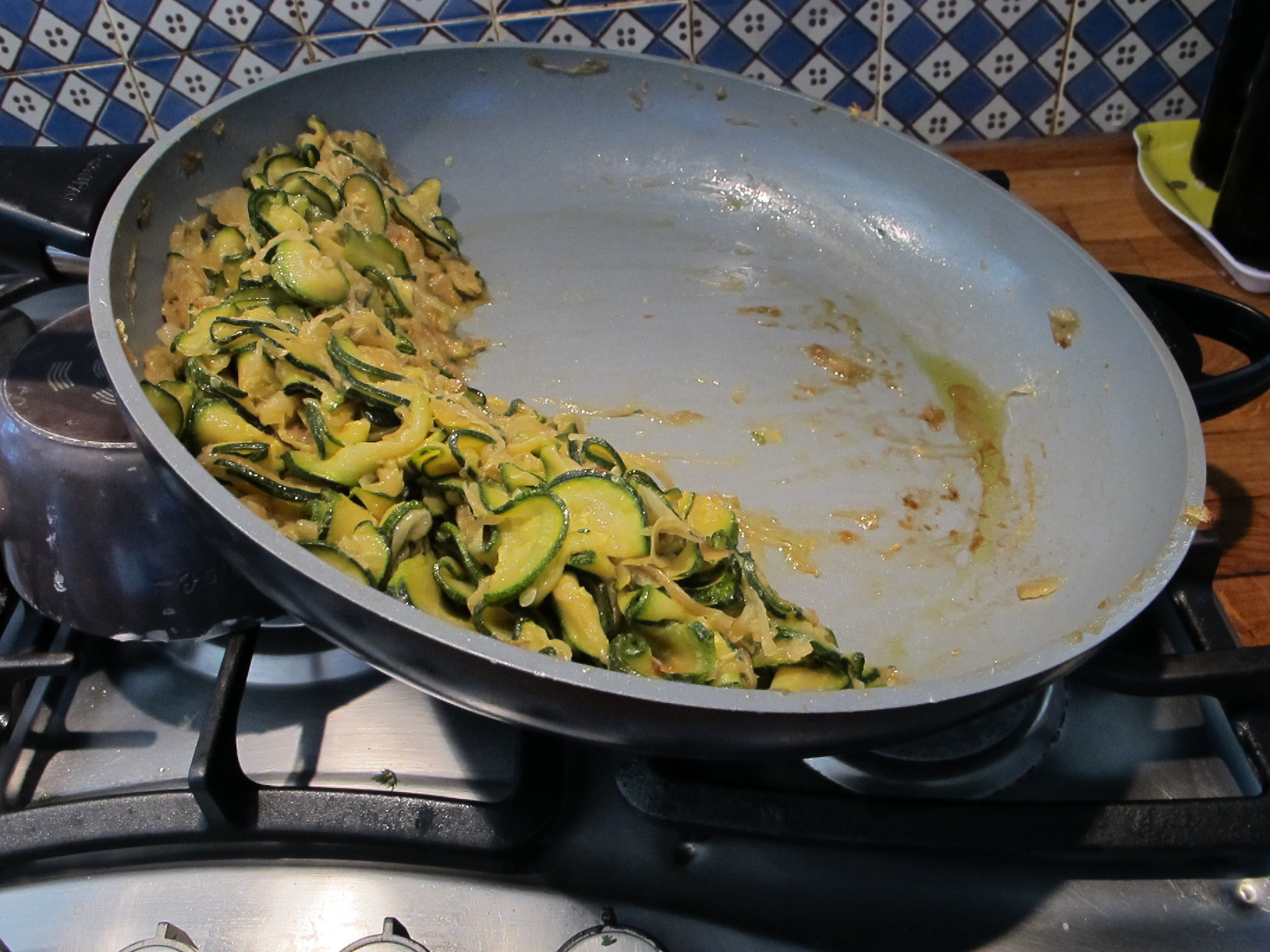
  • Push the mixture to the handle side of the pan and slip something under it to prop it up at a slight angle.
  • Leave it to cool for 10 minutes or so, allowing some of the oil to separate from the courgette mix and settle at the bottom of the pan, making the frittata less greasy.
Stage 4
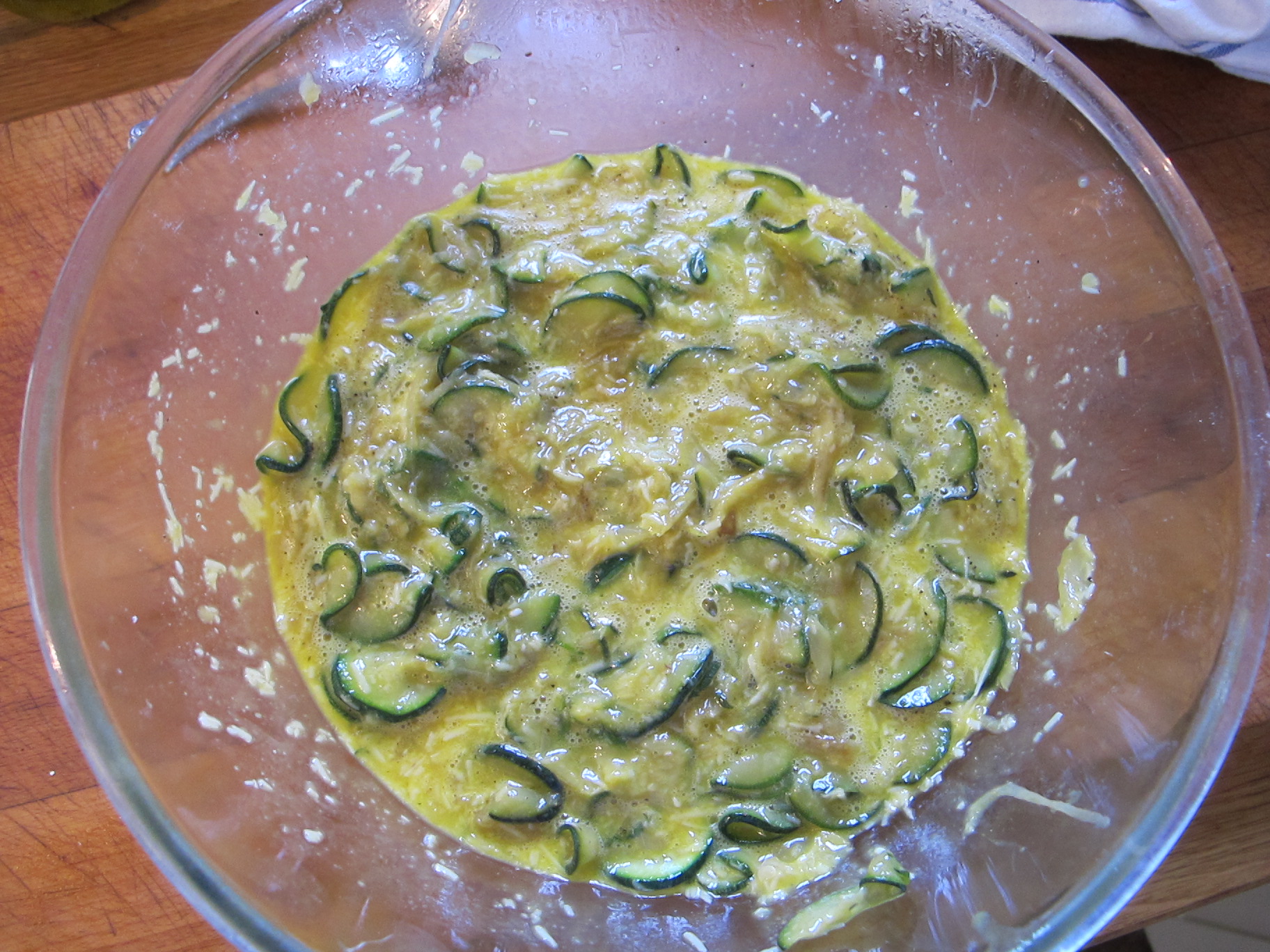
  • Break the eggs into a large bowl and whisk them together.
  • Add the cooled down courgette and onion mixture and integrate it with the eggs and season.
  • Fold in the parmesan cheese.
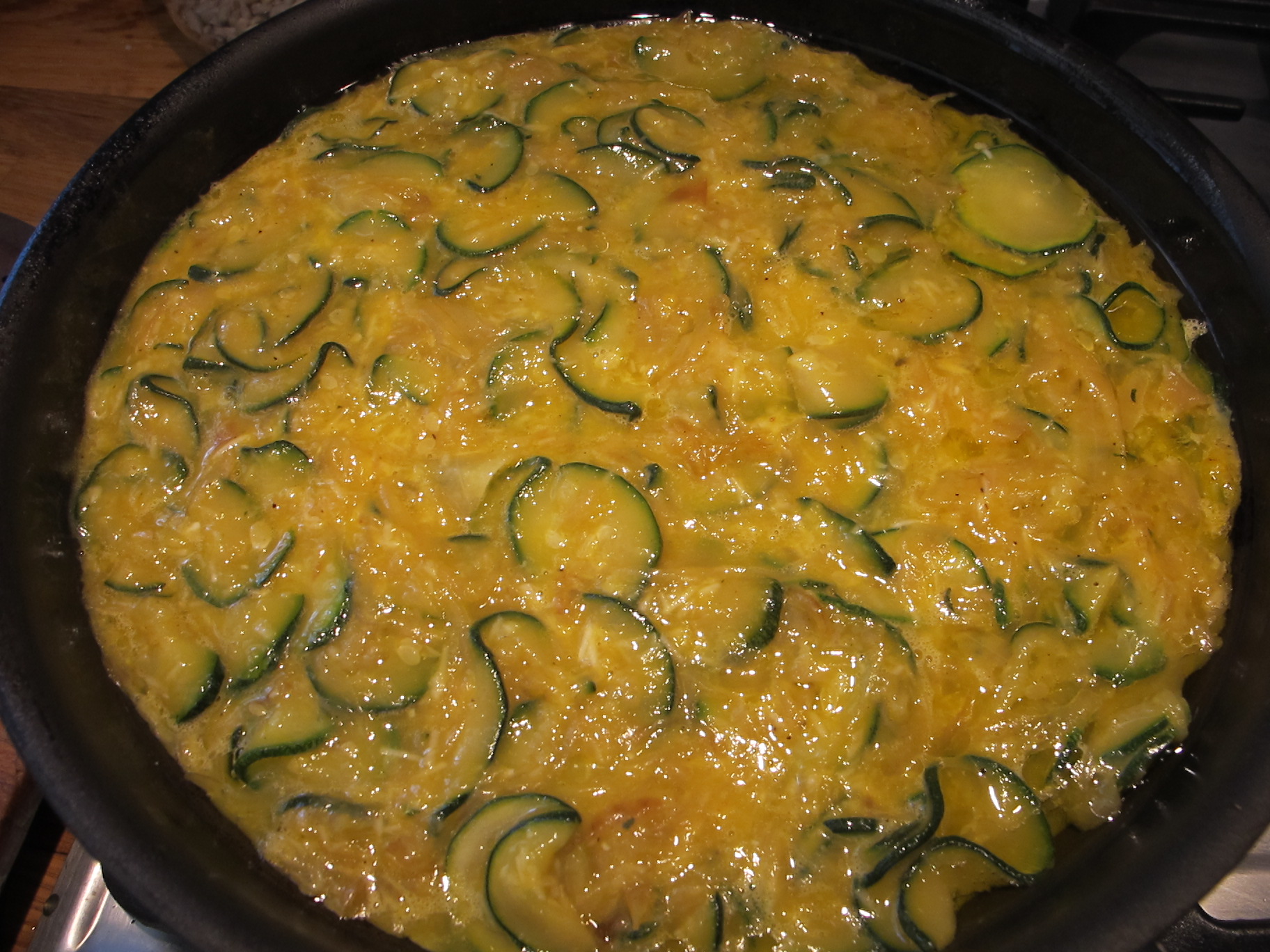
  • Heat a tablespoon of oil in the third pan (26cm/10″)–to avoid the mixture sticking–and pour in the mixture.
  • Cook this over the lowest possible heat for about 30 minutes–until there only a small puddle of  the mixture left on top.
  • Heat the grill and slip the pan under it for a minute or so lightly browning the top of the frittata.


Read Full Post »

Delicious Dishes–gone digital!

You can now download the cookbook to your Kindle.

In it you’ll  find the recipe for this spicy delight on page 114!

Spicy courgettes and prawns with fresh coriander

(Haven’t seen the Kindle version yet ourselves. We don’t have one. We’re  wondering how well Hope James’  lovely water color sketches come through….)

Here’s the link to the digital version: http://tinyurl.com/DeliciousDishes/.

Read Full Post »

A busy morning on the bathroom windowsill.

Meredith’s steady hand catches this extraordinary al fresco feasting.

A Great Tit brings her hungry fledglings to feed on crushed madeleines.

Read Full Post »

It’s semi-final day–Castres Olympique play Le Stade Toulousain in Toulouse today.

Rugby of course–this is SW France where the game is a religion–and the end of season play-offs for the Coupe de France.

Dominique’s cheese stall is flying the flag for Castres Olympique early this morning and blue pendants are hanging from all the lampposts in town. There’s a special edition of the local paper (a cherished keepsake–if they win!).

Our cheese man is a master conversationalist (bavadeur). He thinks nothing of letting a long queue build up as he pursues a subject that takes his fancy–wrapping a piece of cheese with a lovely flick and fold routine the while.

When there’s no more fun to be wrung out–he reluctantly weighs the beautifully wrapped cheese and takes payment, at last raising the hopes of the next in line.

“Vous allez y aller, ce soir?” [You going tonight?] I ask  him.

Non, mois je vais rester ici, on peut regarder le match à Place Soult.” [No I’m staying here to watch it in Place Soult.]

There’ll be a giant screen in place for those supporters not going to Toulouse tonight–about a 50 mile drive–and if the atmosphere’s anything like it was when we watched France win the soccer World Cup in 1998, it’ll be a riot–and this is only the semi-final.

Another stallholder dressed in a black shirt and black apron greets Dominique with the ritual “Bonjour!–ca va?”

Dominique looks at his friend’s funereal costume and replies:

Ah! tu es en deuil pour Le Stade!–tu es en deuil pour Le Stade Toulousain!” [You’re in mourning for Stade Toulousain!]

I doubt the man in black is a Toulouse supporter, more a convenient (and willing) stooge for Dominique’s on-going performance!

On my route home I stop at the roundabout close to the Castres Sapeurs-Pompiers [Fire Station] to let four fire vehicles pass–no sirens or red lights flashing–so clearly no emergency; just blue and white balloons streaming from every opening, some falling and bouncing gaily by the roadside as the shining red convoy proceeds on its circuit round the town.

(At least they are up and running if they get a call!)

Meanwhile the message is clear:-

Allez les Bleus–jusqu’au bout!

Read Full Post »
« Newer Posts - Older Posts »