Feeds:
Posts
Comments

The White streak

Up with the sun and walking in the brisk morning air the kilometre and a bit back to the turning off the road.

A steep initial rise way from the house has me puffing hard and thinking–“Well, OK–this is doing me good.”

I hear a bounding and a breathing behind me and imagine the wolves are coming for me or at least an energetic wild boar.

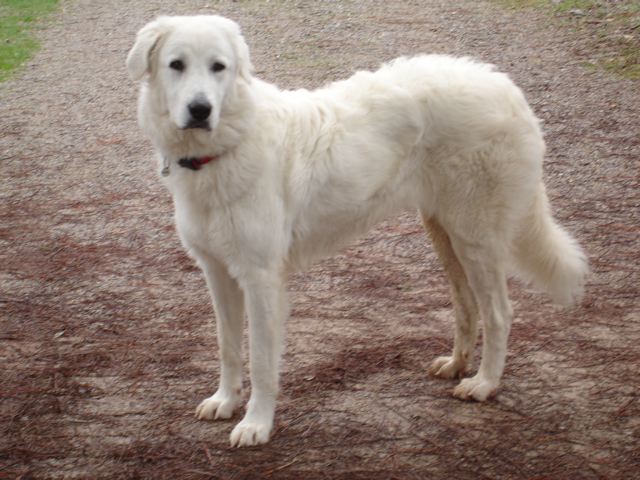
Then a white furry streak is leaping round me, nudging me “Buon Giorno!” in a most friendly fashion.

It’s Alba of course, our friends Keith and Helen’s Maremmano [Tuscan] sheep dog, ready to guide me to the road.

“Not far now, just round the bend you’ll see, I know it well….”

She hears a scrabbling in the fallen leaves (there  are boar tracks everywhere) and dives off the path, disappearing into the undergrowth and I lose her.

“Alba! Alba!” Oh no…! I’ve lost their dog–they’ll never forgive me!

Shows how much I know about dogs.

Back at the house, I’m doing my post-walk stretching on the terrace and as I bend there’s that black nose again–nudging me .

“Here I am!–thought I’d got lost?–silly!”

We arrived here in the Tuscan hills last night to help with the last couple of days of the olive harvest; our job–to sort the leaves and branches from the olives–as best we can.

The real work is done by Keith’s team of five–working an eight hour day.


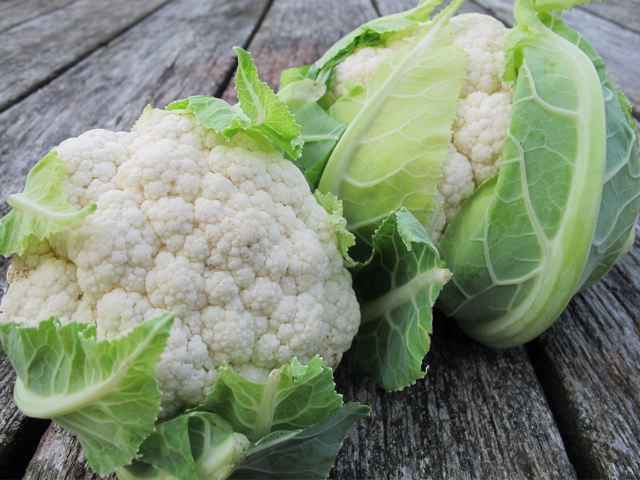
“Caulies” look so tempting and beautiful…

…but what to do with them in the kitchen apart from smothering them in a cheesy white sauce?  I’ve always found them bit of a challenge.

This delightful recipe is adapted from one in Anna del Conte’s Northern Italian Cooking–a fascinating culinary tour.

She was given it by her host in the western region of the Marches (on the Adriatic coast east of Umbria).

Because the cauliflower is broken down into small florets, there’s a delicacy about it that’s attractive.

1 cauliflower–divided into small florets (it’s worth taking the time to divide them small–it makes the dish look more inviting).

4  tablespoons of olive oil

2 cloves of garlic–chopped

1 dried red chili–chopped roughly or keep it whole for a result less hot

3 tablespoons of parsley–chopped

half a small glass of white wine

salt and pepper

for 4

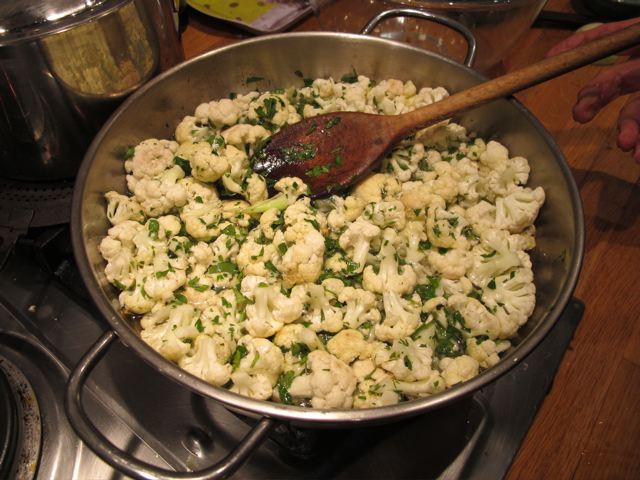
  • Heat the oil in a sauté pan large enough to take the florets in a single layer.
  • Add the florets to the pan with the garlic and the parsley.
  • Turn over this pretty mix then sweat it gently for 5 minutes–to let the cauliflower take up the flavour of the oil and garlic.
  • Add enough water to come half way up the florets.
  • Mix in some salt and bring the pan up to the simmer and cook gently for 3 to 4 minutes.
  • Add the wine and cook for a further couple of minutes to burn off the alcohol.
  • The florets should be tender.
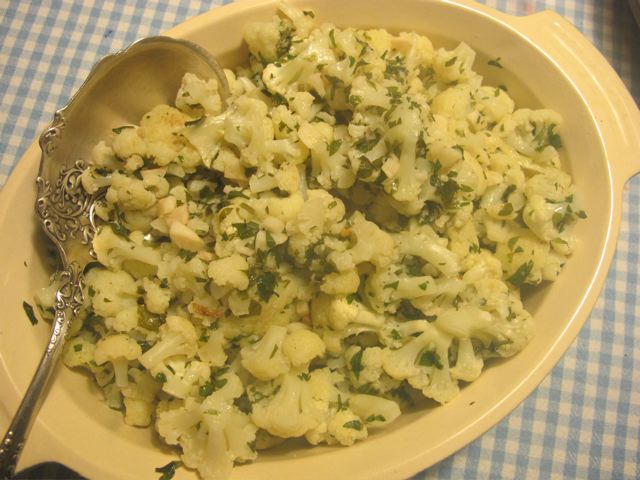
  • With a slotted spoon remove the cauliflower to a warm serving dish and reduce the remaining liquid to a tasty sauce to pour over the florets.
  • Add pepper–a few twists of the mill.
  • Scatter over the remaining parsley and serve.

The Cookbook reviewed!

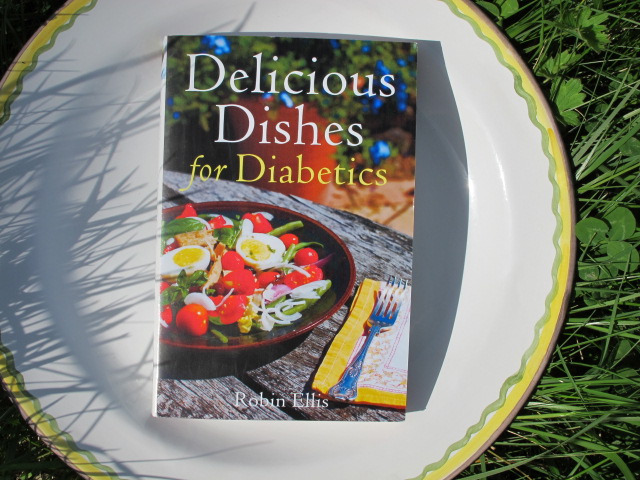
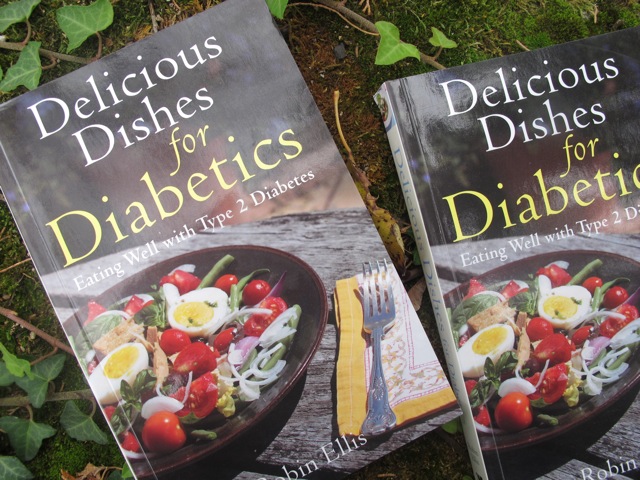
This blog, was set up at the end of January 2011 to help promote my book of recipesDelicious Dishes for Diabeticswhich was published on the 4th of August in The UK and on November 1st in the USA.
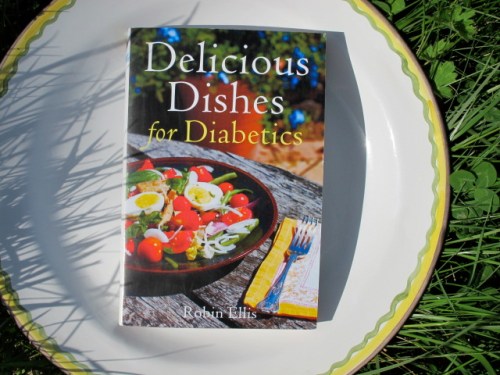
Today I’m publishing my 200th post!

To mark the  occasion, here’s a review of the book we discovered yesterday on an interesting site targeted at book lovers:

Delicious Dishes for Diabetics

Robin Ellis (Author)

Better known for his role as the dashing Captain Ross in the 1970s BBC series ofPoldark, the writer having been diagnosed with Type 2 diabetes was determined to manage his condition through life style changes rather than medication.

This is a very well written, visually attractive, concise cookbook, which appeals to diabetics and non-diabetics alike. It is organised in clear sections, from Soups in Section 1, through to Grains and Pulses in Section 11.

Instead of the usual photos of dishes, there are enchanting illustrations instead.

The recipes are tantalizing; Farinata (Pancake), Comfort Lentils and Caponata, to name just a few. My only criticism is that a few healthy puds or cakes could have been included as there is no sweet section.

The book is based on the ‘Mediterranean’ diet; plenty of fresh fruit and vegetables, whole grains, fish etc.

It really appealed to me, firstly being vegan vegetarian and secondly with Type 2 diabetes in my family. This book would make an ideal gift.

Reviewed by: Alison B-Hill – Bradford

How did I come to write a cookbook?

I tell that story in my updated memoir, Making Poldark.
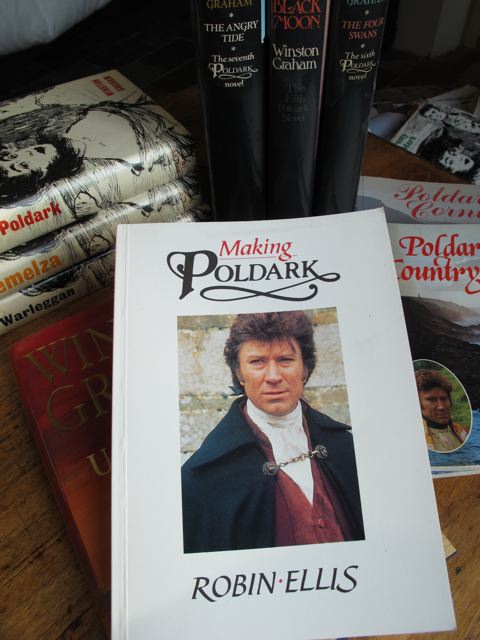
That slim volume is being republished later this year, to coincide with the release in American of the boxed set of Poldark dvds by Acorn Media. I thought I’d share an excerpt of the new chapter with my blog readers….

“Why don’t you write a cookbook Robin?”.

A cookbook? That’s a bit of a leap!

I liked to cook—in fact that’s mainly what I did now.

Twice a day I cooked (still do)—lunch and dinner–and did the marketing.

But a cookbook…?

Weren’t there too many cooks writing too many cookbooks?

And I wasn’t a professional.

It was flattering that friends suggested it though.

My resistence stayed firm for some time–for a few years in fact. I was happy cooking for Meredith and friends who came to visit.

I continued collecting recipes and pasting them in a red foolscap notebook—Ma had done the same in a blue one. We clearly shared a compulsive urge to look for recipes that work.

Brother Jack and sister-in-law Christine kept my bookshelves up-to-date with the newest cookbooks—as did friends who knew I’d be delighted with any new addition.

The pressure was growing though!

When Meredith noticed me writing up a few recipes for the fun of it, she began to say at lunch and dinner tables, “Robin’s writing a cookbook”!

“Really–what a good idea!”

“Um—yes. I’m enjoying it—we’ll see….”

Then on subsequent visits the first question to me was:

“How’s the cookbook going, Robin?”

“Um–fine thanks–slowly.”

About four years ago I’d started working with a laptop—more practical than the desktop in my office.

One afternoon I found myself sitting in the shade under the trees in the garden, experimenting with an introduction to the putative book!

Clearly I had started believing in the idea myself.

The following summer a friend emailed me from her home in the Basque country asking for recipes. She knew I liked to cook, and was too busy working to do much searching for new dishes.

It was a tipping point.

I realised I had a range of interesting recipes ready to send off.

These later formed the basis of the collection that Meredith packaged up to send to potential publishers, testing the waters.

The response was friendly but unproductive.

Unless you are a TV chef/cook or have a current celebrity profile, it is hard to interest that cash-strapped world.

It is tough out there.

Meredith then had a brainwave. It was obvious in a way, but one doesn’t always see clearly what is staring you in the face. 

There was nothing in the proposed book that I didn’t eat on a daily basis and I had been diagnosed 10 years earlier with type 2 diabetes. Meredith ate the same meals as me and didn’t feel deprived. This could be a book of everyday eating for diabetics that the entire family could enjoy too.

The title came later.

Delicious Dishes for Diabetics.
A “use up those vegetables in the fridge” soup–very simple.

I made it this morning with our lunch in mind–another comfort soup for autumn–finally arrived.

I came back from a walk to find our friends and neighbours Flo and Thierry here–with gifts of sweet chestnuts and champagne, brought to toast the arrival of autumn–great minds…!

They stayed for an improvised lunch, anchored by a bowl of hot soup.

for 4

3 fennel bulbs–outer layers removed, halved and chopped

2 leeks–thoroughly washed and roughly sliced

3 garlic cloves–peeled and chopped

1 tablespoon of olive oil

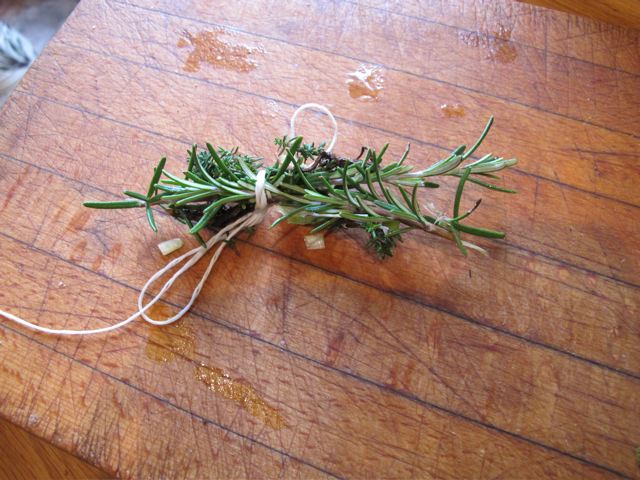
a sprig each of rosemary and thyme–tied together if possible

A good pinch of nutmeg–grated

1 litre/2 pints of stock–I use organic vegetable stock cubes

2 tablespoons of parmesan–grated

salt and pepper

  • Heat the oil in a large saucepan.
  • Add the chopped fennel, leeks and garlic.
  • Turn them over in the oil.
  • Add the little bunch of rosemary and thyme.
  • Gently sweat the vegetables–covered — for 10 minutes.
  • Remove the herbs.
  • Add the pinch of grated nutmeg.
  • Add the stock, bring up to the boil and simmer for about 20 minutes.
  • When the soup has cooled a little–liquidise it.
  • Stir in the parmesan and check the seasoning.
The hosts were distracted, so no more photos–desolé!

In 1981  (30 years ago) The AJCN

The American Journal of Clinical Nutrition

published a paper by Canadian Dr.  David Jenkins  (University of Toronto), which was to have a profound effect on the ability of people living with diabetes to make better choices of what they eat on day to day basis.

It established the Glycemic Index a measure, on the scale of 1 to 100, ranking carbohydrates according to their effect on our blood glucose levels and thus their post-meal impact on a malfunctioning system.

It was followed by the Glycemic Load which is a measure of the impact of the glucose in a single portion of food.

Dr Jenkins is interviewed in the latest newsletter of GI news.

Dr Alan Barclay charts in the same news letter the progress made in studies of GI and GL since 1981 .

GI started a world-wide glucose revolution, he states, as it clearly showed that carbs didn’t affect our blood glucose levels the way we thought they did–freeing people with diabetes from overly restrictive diets.

Despite controversial beginnings, the GI is now widely recognized as a reliable, physiologically based classification of foods according to their postprandial glycemic effect.

I have found the GI and the GL essential guides to everyday eating. Though I now take a pill a day, I credit them with allowing me to control the condition for six years without medication. 

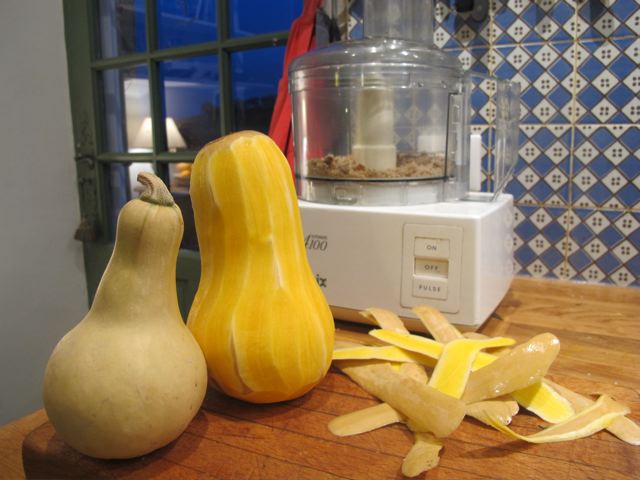
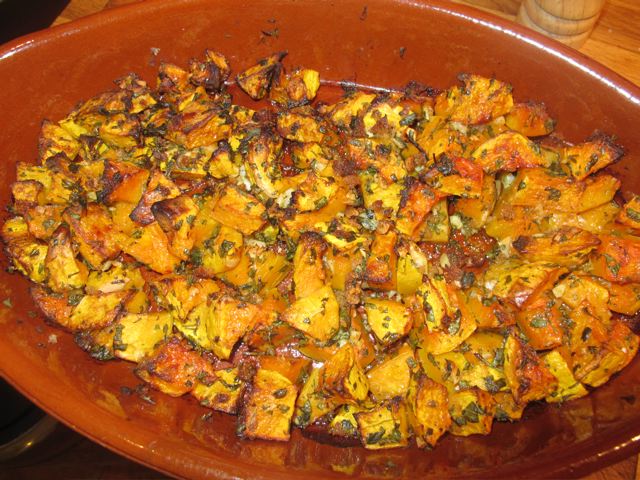
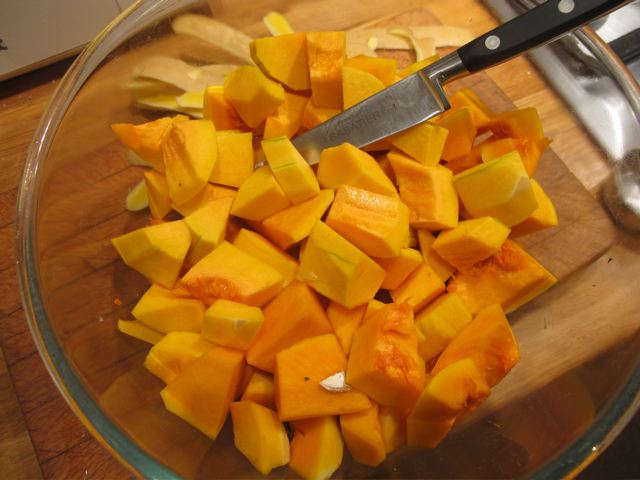
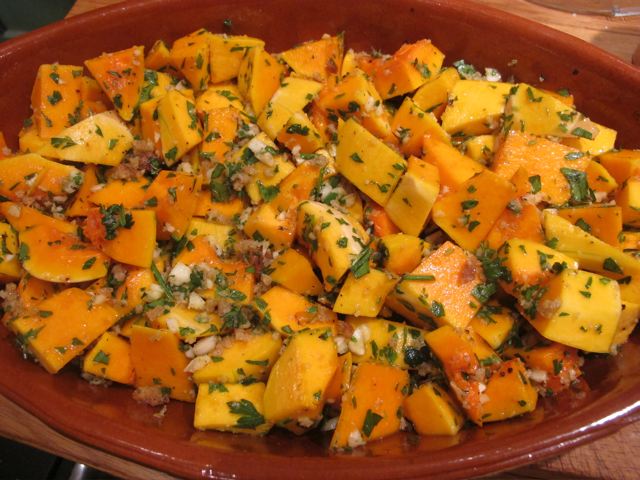
Butternut squash gratin

1st Bttrnt Sq. "What'll we be today?"--2nd Bttrnt Sq. "Gratin I think--scary!".

This is delicious–I’ll stick my neck out.

We had it with some seasoned quinoa (sautéed onion, garlic, a small chili and a little steamed broccoli) last night for dinner and nearly finished the lot.

The recipe is adapted from one in the New York Times*, which in turn was adapted  from a recipe in a cookbook by a legendary American food writer*, who most likely adapted it from something he ate in a restaurant in Provence*, which was probably invented by the grandmother of the restaurant owner*–who had passed it on to her daughter*.

In other words it’s a version of a traditional seasonal gratin dish.

It can be eaten as a vegetarian main course as we did last night or as an accompaniment to a roast chicken or some lamb chops–for instance.

for 4

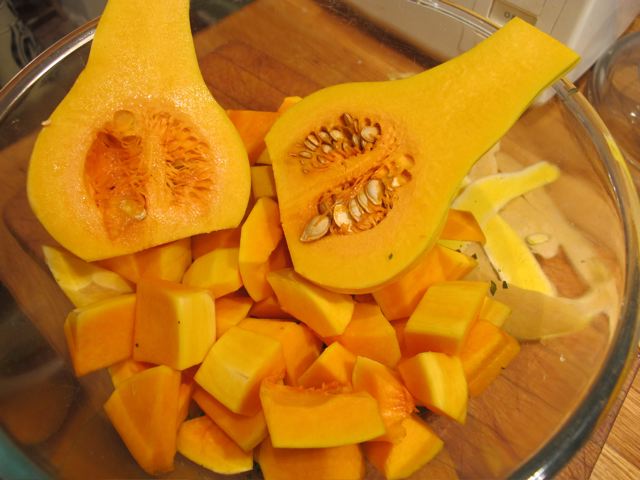
1kilo/2 lbs of butternut squash–peeled, deseeded and cut into small chunks

4 cloves of garlic–peeled and chopped small

1 generous tablespoon of wholewheat/rye breadcrumbs

1 generous tablespoon of parsley--chopped

1 tablespoon of fresh thyme leaves

salt and pepper

3 tablespoons of olive oil

set the oven to 190C/375F

Combine all the ingredients in a large  bowl and turn them over and over mixing them thoroughly together.

Tip into a roasting tray or better still an earthenware ovenproof dish.

Roast in the middle of the oven, for about an hour and a half–so it comes out nicely charred on top.

1*–Martha Rose Shulman

2*–Richard Olney–auther of Simple French Food

3*–All three names lost in the mist of time!

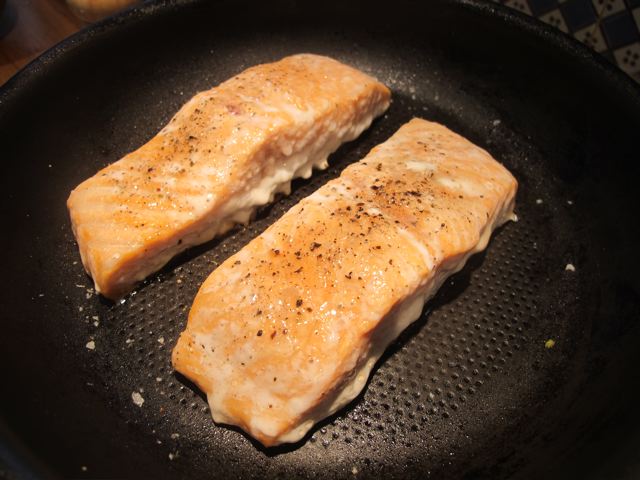
Simple Salmon Fillet

There are two very simple salmon fillet recipes in Delicious Dishes for Diabetics–published a couple of days ago in the USA–hooray!and in August in the UKhooray 2!.

Quentin Blake the illustrious illustrator of children’s books offered this slow-cooked way with salmon (and a very simple Sea Bass recipe–also in the book) in a “What’s your favourite recipe? ” magazine piece some  years ago–sadly unillustrated!

The slowness is the key to the succulent mouth-watering result!

for 2

2 fillets of salmon–skin left on and weighing about 180–200g/6–7 oz each

salt and pepper

  • Run your finger over the surface of the fillets to check for bones.
  • Rinse the fillets and pat them dry.
  • Place them in a sauté pan skin side down.
  • Without any oil added to the pan, cook them over the lowest possible heat for about 20 minutes or until you see the lower half becoming opaque.
  • Season with salt and pepper then cover the pan.
  • Continue cooking about another ten minutes until a creamy white juice oozes onto the surface of the fillets, indicating they are done.
  • So about 30 minutes for the whole process–depending on the thickness of the fillets.
  • Swiss chard or spinach goes well and lends a lovely contrast in colour.

We had some little silver grey lentils too for lunch just now; I love them–though they can be “windy”!

This is very simple to do.

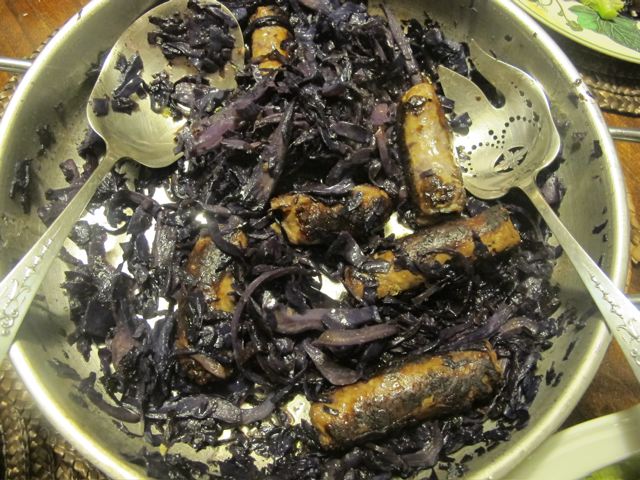
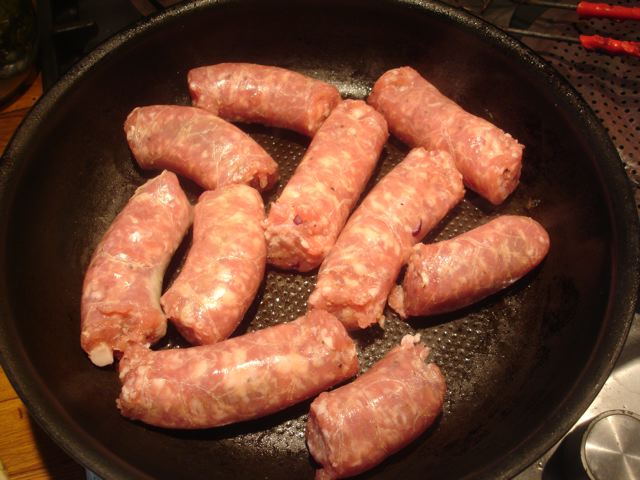
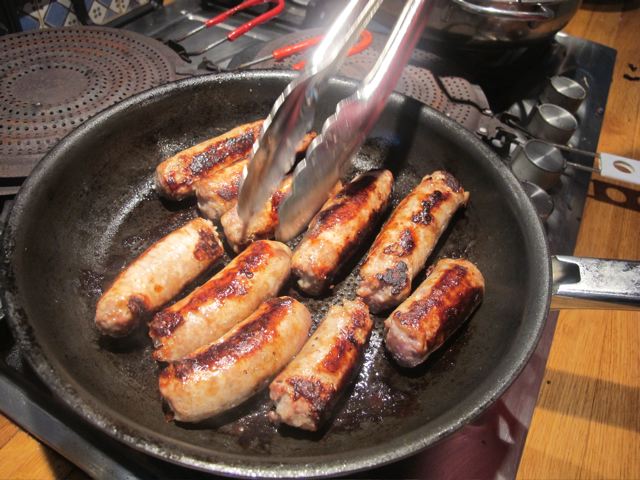
Slow cooked sausages are added to slow cooked strips of red cabbage and are slow cooked on a little, to let them get to know each other!

This is adapted from a recipe in the remarkable Marcella Hazan’s 2nd Classic Italian Cook Book.

For me, her books have been–still are–inspiring treasure troves of  authenticity.

Nothing else is needed here except perhaps a little of your favourite mustard.

for 3/4

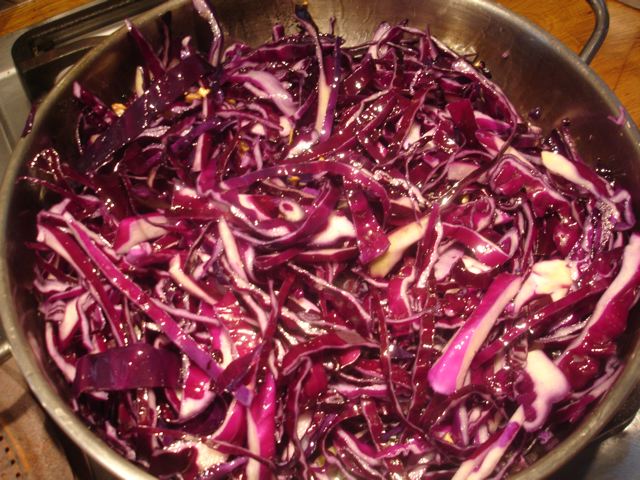
  • 700gms/1.5 lb red cabbage– cored and sliced fine
  • 450 gms/1lb of your favourite pork sausages– cut in 3″/4″ lengths
  • 2 cloves garlic– chopped
  • 6 tablespoons of olive oil
  • salt and pepper
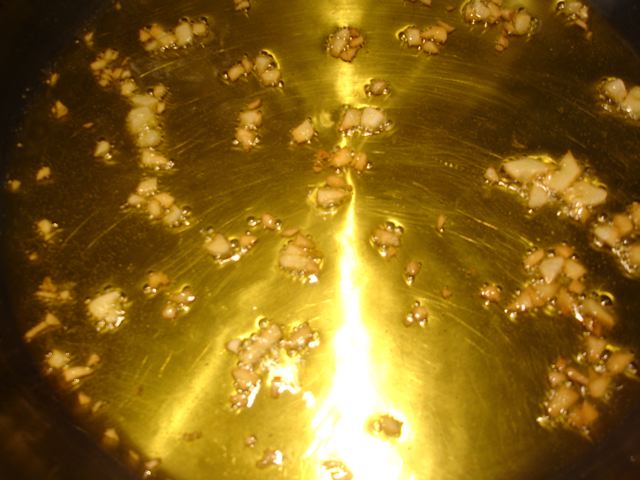
  • Heat the olive oil in a large pan or casserole and gently sauté the garlic until it is golden.
  • Add the cabbage and turn it over well in the oil and garlic.
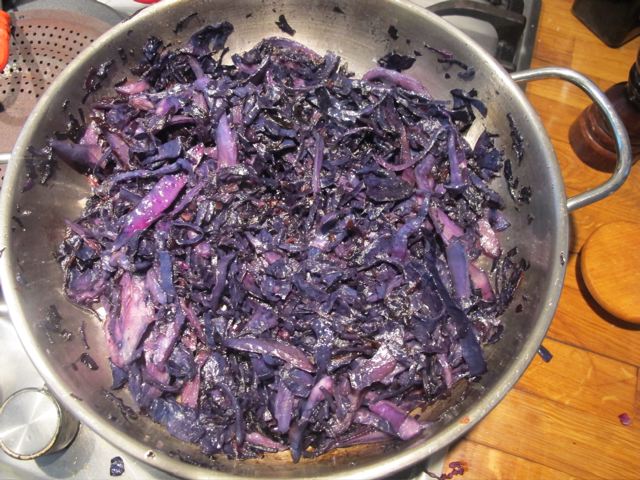
  • Let it reduce gently–turning it from time to time–for about 20-30 minutes.
  • While the cabbage is cooking–sauté the sausage pieces in a separate pan brushed with a little oil.
  • Brown them gently all over.
  • When the cabbage has reduced, season well with salt and pepper.
  • Tuck the sausages under the gleaming purple cabbage and cook them together for another 20 minutes–turning them from time to time.
We had some lovely steamed  broccoli with it last night–a touch of green on the plate, for colour contrast.
Bon apetit!

HOORAY!

Delicious Dishes for Diabetics is launched officially in America today, with a different subtitle:

Eating well with Type 2 Diabetes.

If you have no local bookstore you like to support–you can find it

A day to remember…

Toussaint–All Saints’ Day

Every year at this time the cemetery on the eastern side of the prebytère fills up with flowers–real and artificial–as relatives arrive all week to pay their respects and remember.

By November 1st  it is full of colour, as the spotlight falls briefly on the tombs and graves of loved ones who have passed.

This annual pilgrimage of remembrance is a fine tradition which was new to us when we arrived.

But we’ve adopted it–or more precisely, adapted it….

On this day each year we open our Sketchbook of Remembrance–add the names of those that have died since last November and light a candle for everyone on the pages.

Family, friends and even beloved pets.

[We both lost brothers within months of each other–Peter and Storm–at the relatively young ages of 58 and 60.]

None of our parents was alive when we met.

We’re sure they would have got on however–despite the cross-cultural differences (Chicago and London!) and searched for common ground–even literally. We like to imagine them in the garden here –all four were keen gardeners.

Meredith and I would happily have sat back and watched, while Dodie & Speed and Molly & Tony rolled up their sleeves and “mucked in”!

We’d have their “gin & tonics” or “whisky & sodas”–the chosen tipple of that generation–on hand at the end of the session and look forward to some “grown up talk” among equals.

It’ll never happen of course and we miss them. But this adopted ritual in a foreign land helps in remembering them at this time when–so it’s said–the veil between the worlds of the living and the dead is at its thinnest.