Feeds:
Posts
Comments

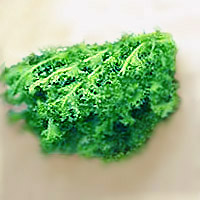
“You say endive and I say chicory—let’s NOT call the whole thing off!”

This is the vegetable in question:

Here in France they call it endive and this is chicorée

In the UK it’s the reverse–perversely.

Oh well–Vive la difference!

This simple method comes from an early Simon Hopkinson book–Roast Chicken and Other Stories.

The bulbs are cooked in a low oven for two hours and emerge with “eat me!” written all over them.

Two medium endive each went well with the chicken last night.

for 2

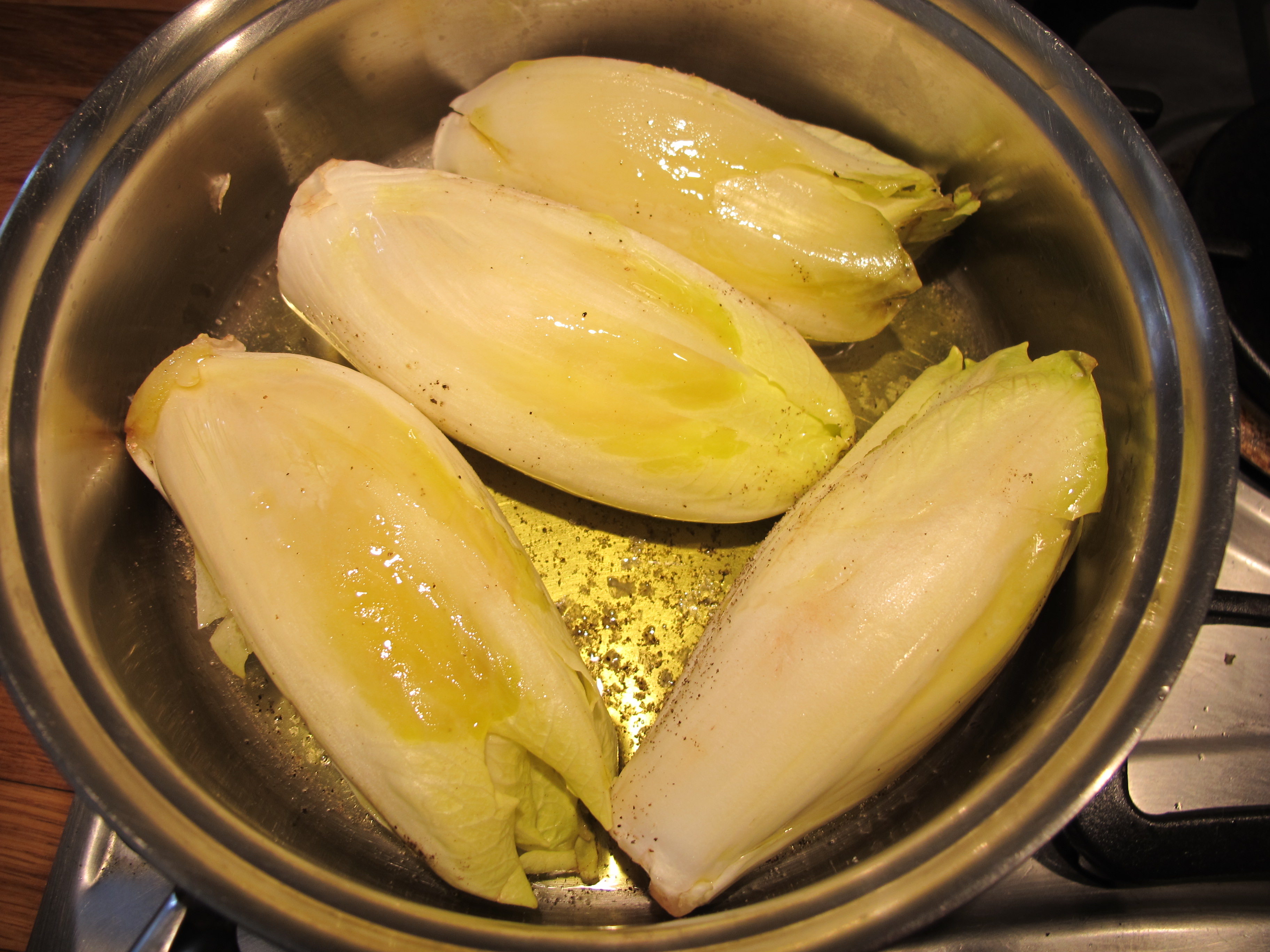
4 medium endive/chicory bulbs–outer leaves removed, bases sliced off and the bitter little cone carefully  removed with the tip of a sharp knife.

2/3 tablespoons olive oil

salt and pepper

juice of a lemon

  • Heat the oven to 170C/340F/fan oven 160C
  • Heat the oil in a pan with a lid, that can go into the oven.
  • Place the bulbs in the pan and season with salt and pepper.
  • Turn them in the oil over a medium low flame to color them.
  • Add the lemon juice and let it bubble a moment.
  • Cover the pan and put it in the oven for two hours.
  • Wise to check them now and again–add a little water if necessary.
  • It proved popular in-house!–encore! was heard…

This is adapted from the simple recipe in Simon Hopkinson’s latest book The Good Cook.

He uses butter and vermouth. I’m trying it with olive oil and white wine–fits in better with my way of eating.

It’ll be different–but if the salmon and the spinach are good….

The single pot and the short cooking time make it a useful quick lunch–

for two.

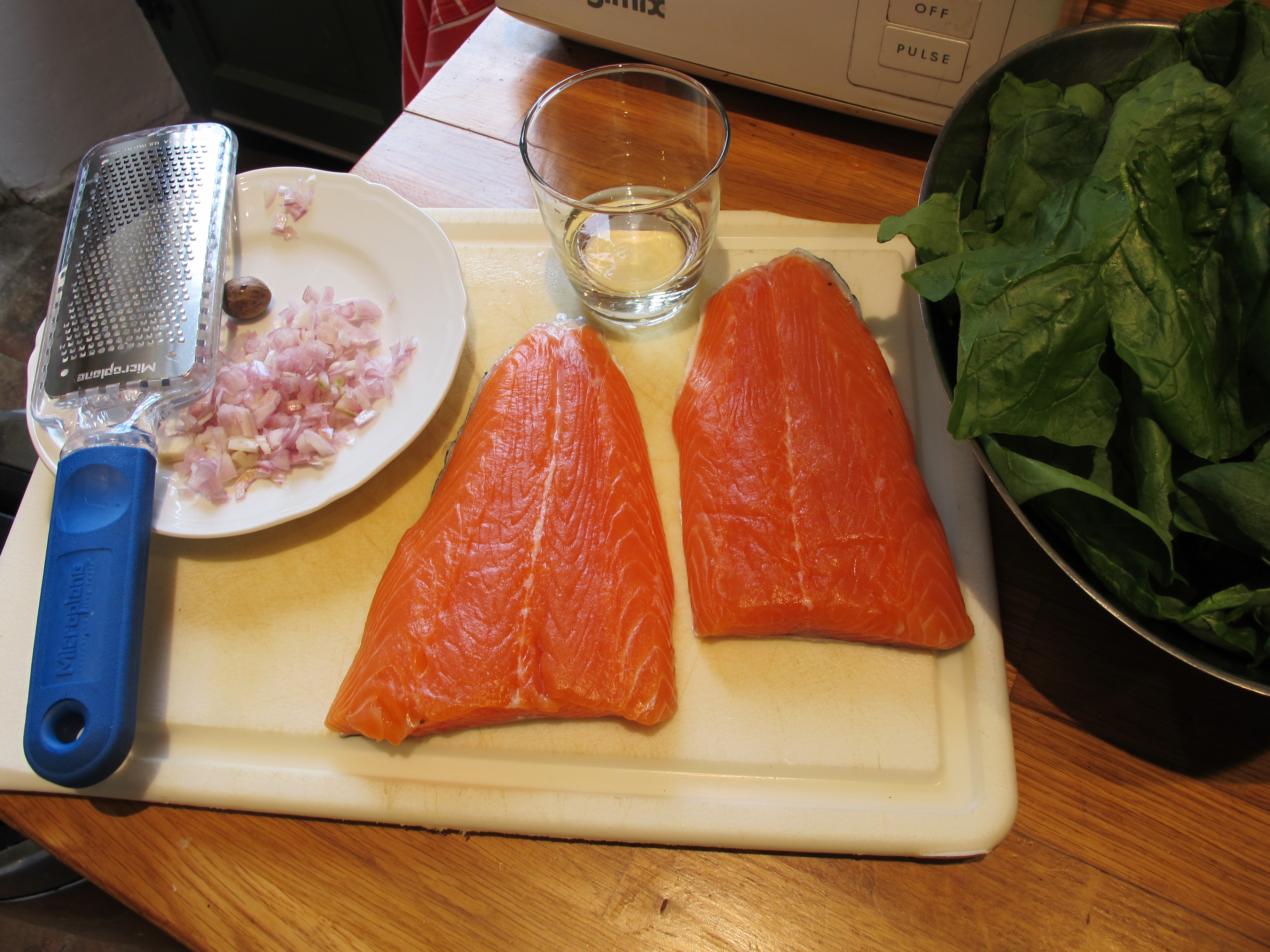
2 salmon fillets–skin left on

1 shallot–chopped fine

300gms/10oz spinach–washed, de-spined and spun free of water

2 tablespoons olive oil

2 tablespoons white wine

a grating of nutmeg

salt and pepper

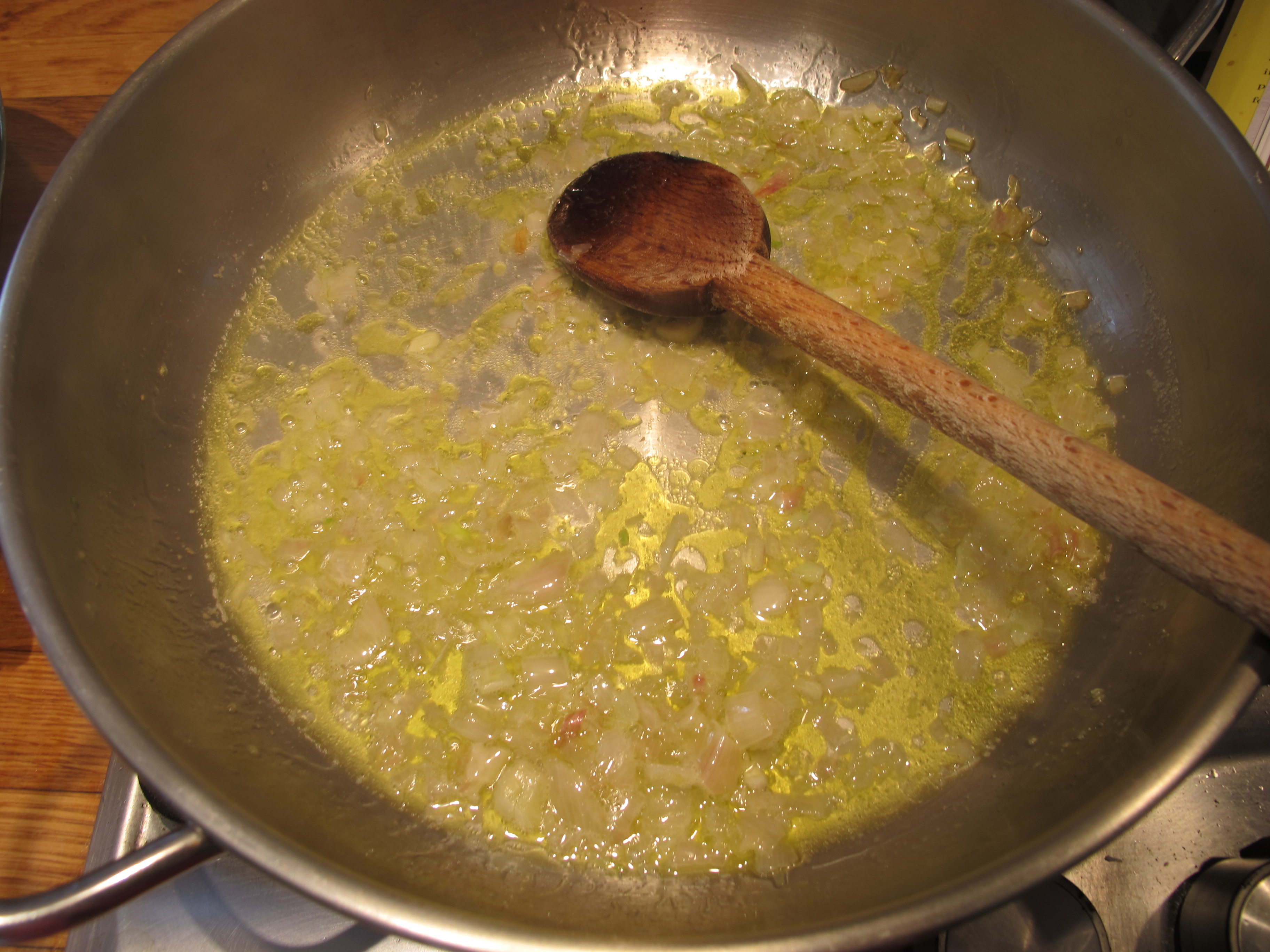
  • Heat a tablespoon of oil in a pot with a top.
  • Sauté the shallot for a couple of minutes to soften it.
  • Add the wine and leave it to bubble a moment or two.
  • Lay a third of the spinach in the pan and place the salmon fillets over it.
  • Sprinkle over some salt and pepper and a grating of nutmeg.
  • Cover the salmon with the rest of the spinach.
  • Scatter the remaining tablespoon of oil over the spinach and cover the pan.
  • Cook for seven minutes over a low heat.
  • Turn the heat off and leave the pan covered for ten minutes before serving.
  • These timings can vary depending on the thickness of the salmon fillets.

Less rich than the original might have been, but we enjoyed it.

Meredith suggests I be a bit bolder with the nutmeg next time.

The emphases are mine but otherwise this is posted verbatim…

WHO (World Health Organisation) Report 

Diabetes

August 2011

Key facts

  • 346 million people worldwide have diabetes.
  • In 2004, an estimated 3.4 million people died from consequences of high blood sugar.
  • More than 80% of diabetes deaths occur in low- and middle-income countries.
  • WHO projects that diabetes deaths will double between 2005 and 2030.
  • Healthy diet, regular physical activity, maintaining a normal body weight and avoiding tobacco use can prevent or delay the onset of type 2 diabetes.

What is diabetes?

Diabetes is a chronic disease that occurs either  (Type 1): when the pancreas does not produce enough insulin or (Type 2) when the body cannot effectively use the insulin it produces.

Insulin is a hormone that regulates blood sugar.

Hyperglycaemia, or raised blood sugar, is a common effect of uncontrolled diabetes and over time leads to serious damage to many of the body’s systems, especially the nerves and blood vessels.

Type 2 diabetes

Type 2 diabetes (formerly called non-insulin-dependent or adult-onset) results from the body’s ineffective use of insulin.

Type 2 diabetes comprises 90% of people with diabetes around the world, and is largely the result of excess body weight and physical inactivity.

Symptoms may be similar to those of Type 1 diabetes, but are often less marked. As a result, the disease may be diagnosed several years after onset, once complications have already arisen.

Until recently, this type of diabetes was seen only in adults but it is now also occurring in children.

Impaired glucose tolerance (IGT) and impaired fasting glycaemia (IFG)

Impaired glucose tolerance (IGT) and impaired fasting glycaemia (IFG) are intermediate conditions in the transition between normality and diabetes.

People with IGT or IFG are at high risk of progressing to type 2 diabetes, although this is not inevitable.

What are common consequences of diabetes?

Over time, diabetes can damage the heart, blood vessels, eyes, kidneys, and nerves.

  • Diabetes increases the risk of heart disease and stroke. 50% of people with diabetes die of cardiovascular disease (primarily heart disease and stroke).
  • Combined with reduced blood flow, neuropathy in the feet increases the chance of foot ulcers and eventual limb amputation.
  • Diabetic retinopathy is an important cause of blindness, and occurs as a result of long-term accumulated damage to the small blood vessels in the retina. 
  • After 15 years of diabetes, approximately 2% of people become blind, and about 10% develop severe visual impairment.
  • Diabetes is among the leading causes of kidney failure. 10-20% of people with diabetes die of kidney failure.
  • Diabetic neuropathy is damage to the nerves as a result of diabetes, and affects up to 50% of people with diabetes.
  • Although many different problems can occur as a result of diabetic neuropathy, common symptoms are tingling, pain, numbness, or weakness in the feet and hands.
  • The overall risk of dying [prematurely] among people with diabetes is at least double the risk of their peers without diabetes.

What is the economic impact of diabetes?

Diabetes and its complications have a significant economic impact on individuals, families, health systems and countries. For example, WHO estimates that in the period 2006-2015, China will lose $558 billion in foregone national income due to heart disease, stroke and diabetes alone.

How can the burden of diabetes be reduced?

Prevention

Simple lifestyle measures have been shown to be effective in preventing or delaying the onset of type 2 diabetes. To help prevent type 2 diabetes and its complications, people should:

  • achieve and maintain healthy body weight;
  • be physically active – at least 30 minutes of regular, moderate-intensity activity on most days. More activity is required for weight control;
  • eat a healthy diet of between three and five servings of fruit and vegetables a day and reduce sugar and saturated fats intake;
  • avoid tobacco use – smoking increases the risk of cardiovascular diseases.

Diagnosis and treatment

Early diagnosis can be accomplished through relatively inexpensive blood testing.

Treatment of diabetes involves lowering blood glucose and the levels of other known risk factors that damage blood vessels.

Tobacco use cessation is also important to avoid complications.

Interventions that are both cost saving and feasible in developing countries include:

  • moderate blood glucose control. People with type 1 diabetes require insulin; people with type 2 diabetes can be treated with oral medication, but may also require insulin;
  • blood pressure control;
  • foot care.

Other cost saving interventions include:

  • screening and treatment for retinopathy (which causes blindness);
  • blood lipid control (to regulate cholesterol levels);
  • screening for early signs of diabetes-related kidney disease.

These measures should be supported by a healthy diet, regular physical activity, maintaining a normal body weight and avoiding tobacco use.

Back in the days when I used to frequent Italian restaurants in London–

(frequent being the operative word, often seen in them in other words“Meesta Ailees–good to see you again!“–so flattering.)

chicken paillard with a side order of spagetti in tomato sauce was a regular choice. The combination felt very Italian though I’m still not sure about that*.

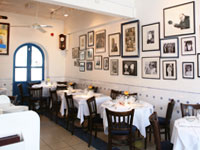
It was a specialty of the chef at La Famiglia in Chelsea,

where they also served the quaintly named teenage lamb cutlets–we knew what they meant, but it brought a smile.

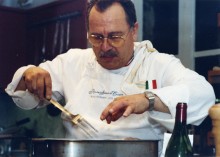
It was/is owned by the now legendary Alvaro Maccioni.

Originally from Vinci, northwest of Florence, Alvaro learned his trade at Mario and Franco’s La Terrazza in Soho and before opening La Famiglia ran a nightclub on the King’s Road in the swinging Sixties.

A lot of Italian restaurants in London have lost touch with their roots. I say to my chefs that if you can cook like your mother then you are a good chef, but if you can cook like your grandmother then you are a great chef.

Sunday night was his night off;  he and his family always watched Poldark–he told me.

I was lunching there one day with Ralph Bates–villainous George Warleggan in the series.

Alvaro approached our table looking grim–offended even.

Whatsa thees?! Thees isa not right–you are ‘ere widge your enemee?”

A couple of weeks later Angharad Rees (aka Demelza) and I were at the same table.

A beaming Alvaro came over and said loudly, “Thatsa bedder–you are widge you’re a whyfe!

 Chicken Paillard

2 chicken breasts–fat removed

for the brief marinade 

2 tablespoons each of  olive oil and lemon juice plus the zest of a lemon–whisked together

salt and pepper

for a simple sauce

Whisk together:

1 tablespoon of lemon juice

3 tablespoons olive oil

salt and pepper

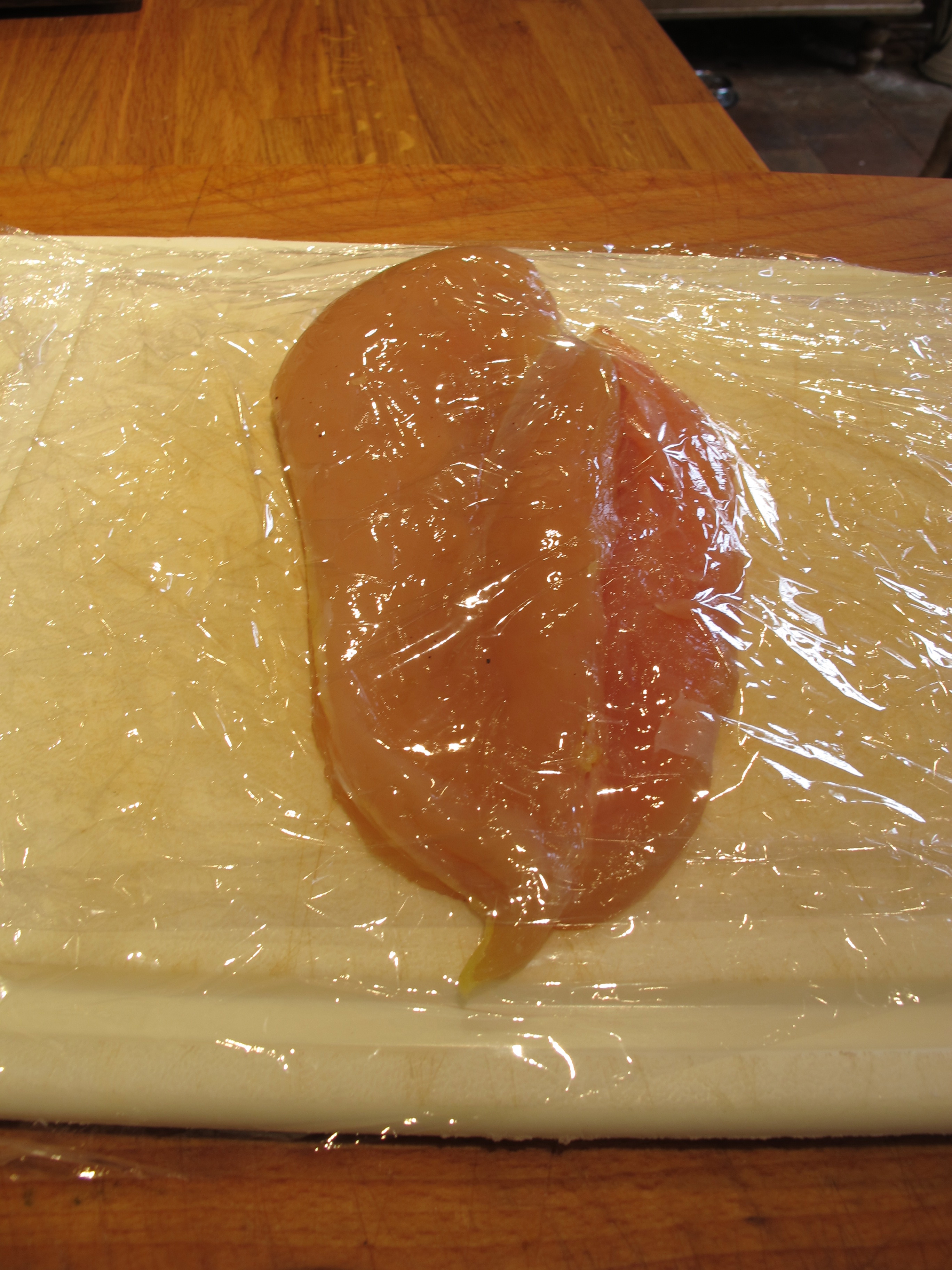
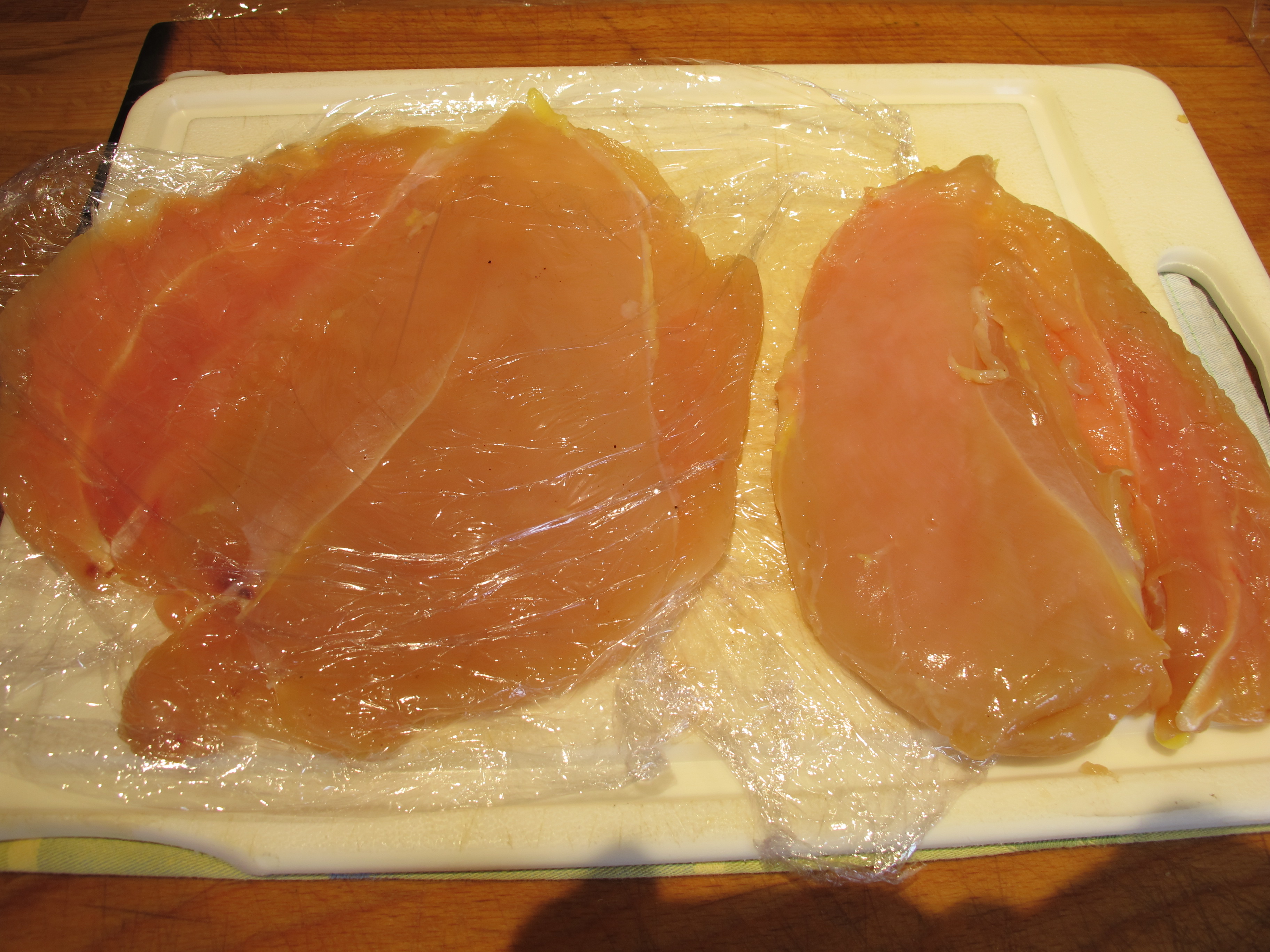
  • On a chopping board, lay out a sheet of clingfilm at least twice the width of the breast you are about to beat.
  • (Putting a folded dish cloth or drying cloth under the board helps to keep it in place).
  • Carefully place a breast in the middle of the sheet.
  • Lay a second sheet of the same size over the breast.
  • Using a rolling pin, mallet or similarly heavy kitchen utensil–beat the breast to flatten and widen it, taking care not to damage it.

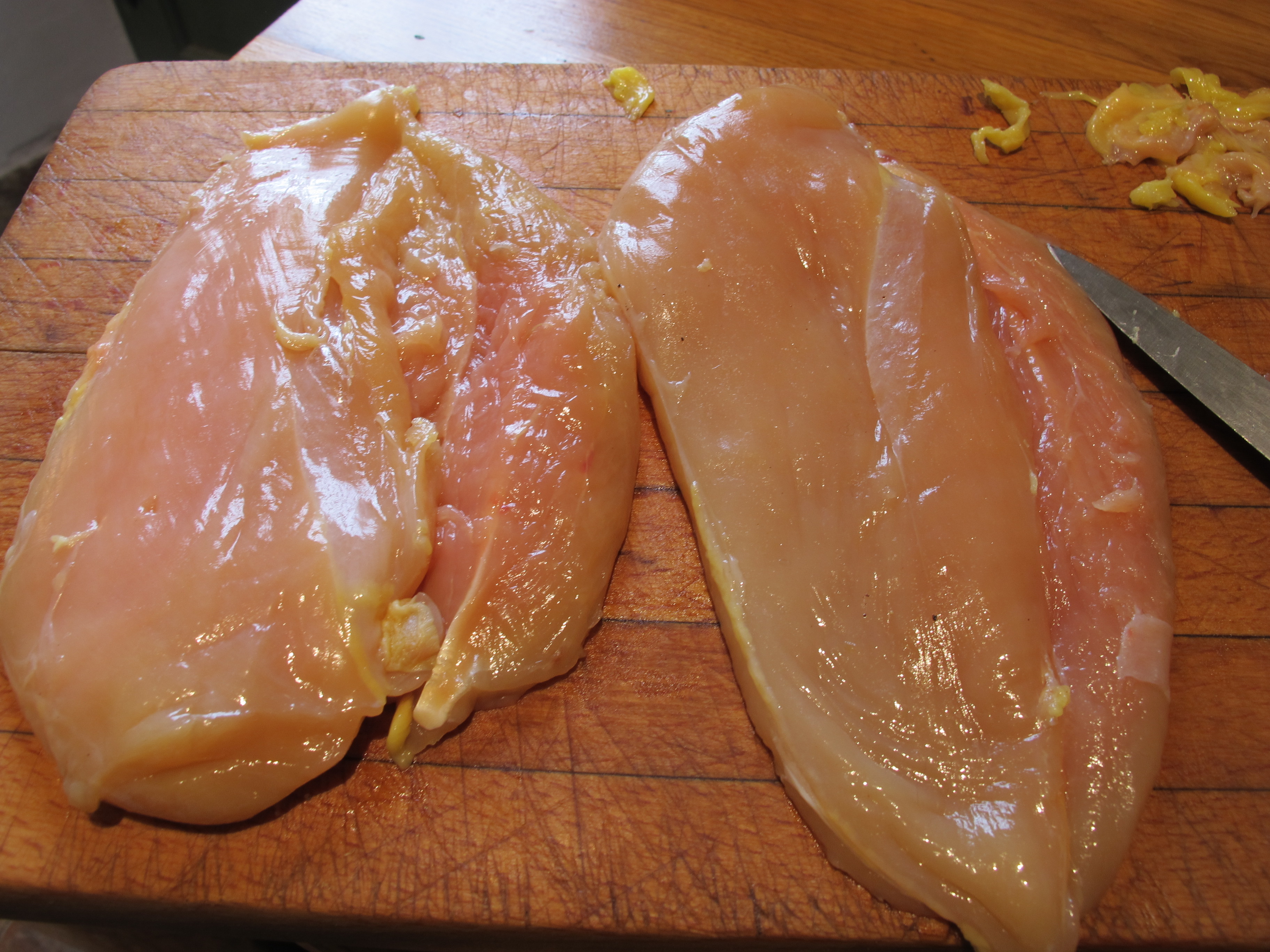
beaten breast next to uneaten breast

  • Repeat the process with the second breast.
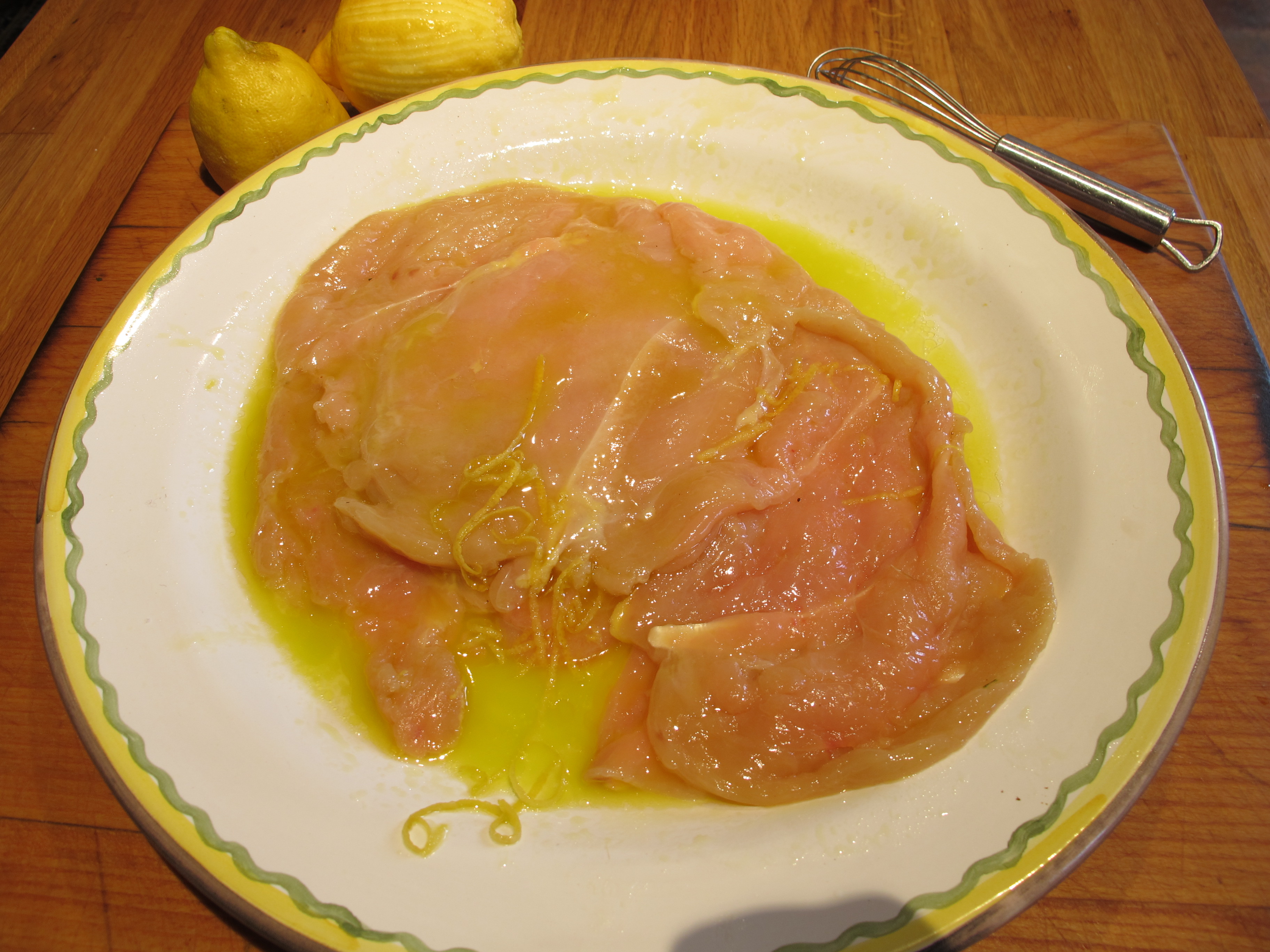
  • Peal back the clingfilm and place the first breast on a large plate.
  • Pour some of the marinade evenly over the chicken.
  • Place the second breast on top and pour over the rest of the marinade.
  • Move the breasts round some to coat them in the mixture and leave for half an hour.
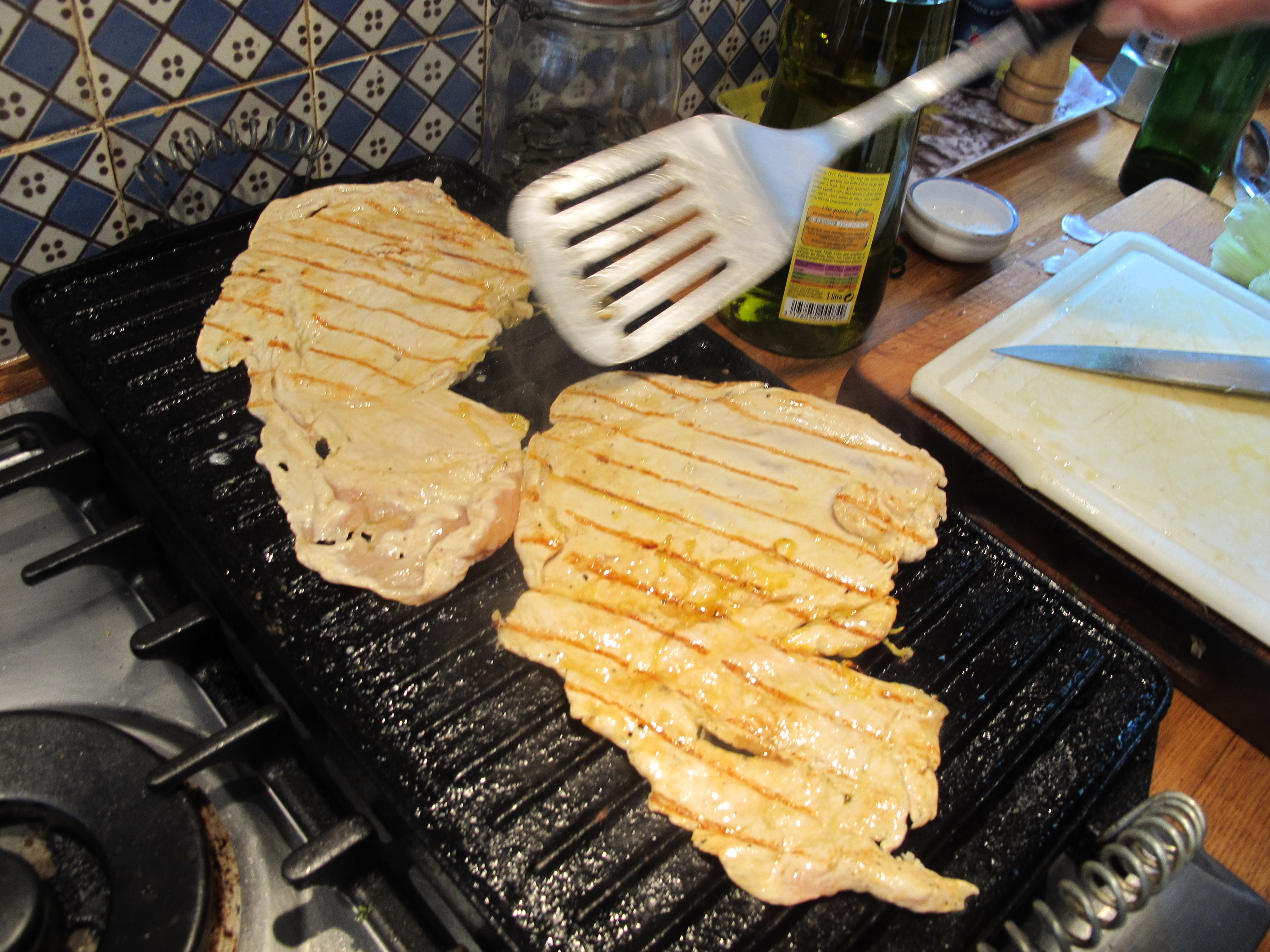
  • Heat a grill pad or large frying pan on top of the stove.
  • Season the breasts and place them on the heat.
  • Two minutes each side should do it–though it depends on the thinness you’ve achieved, the thinner the quicker…
  • Remove to a serving plate and pour over some of the sauce.

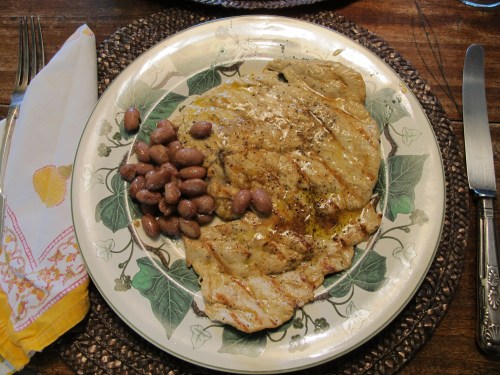
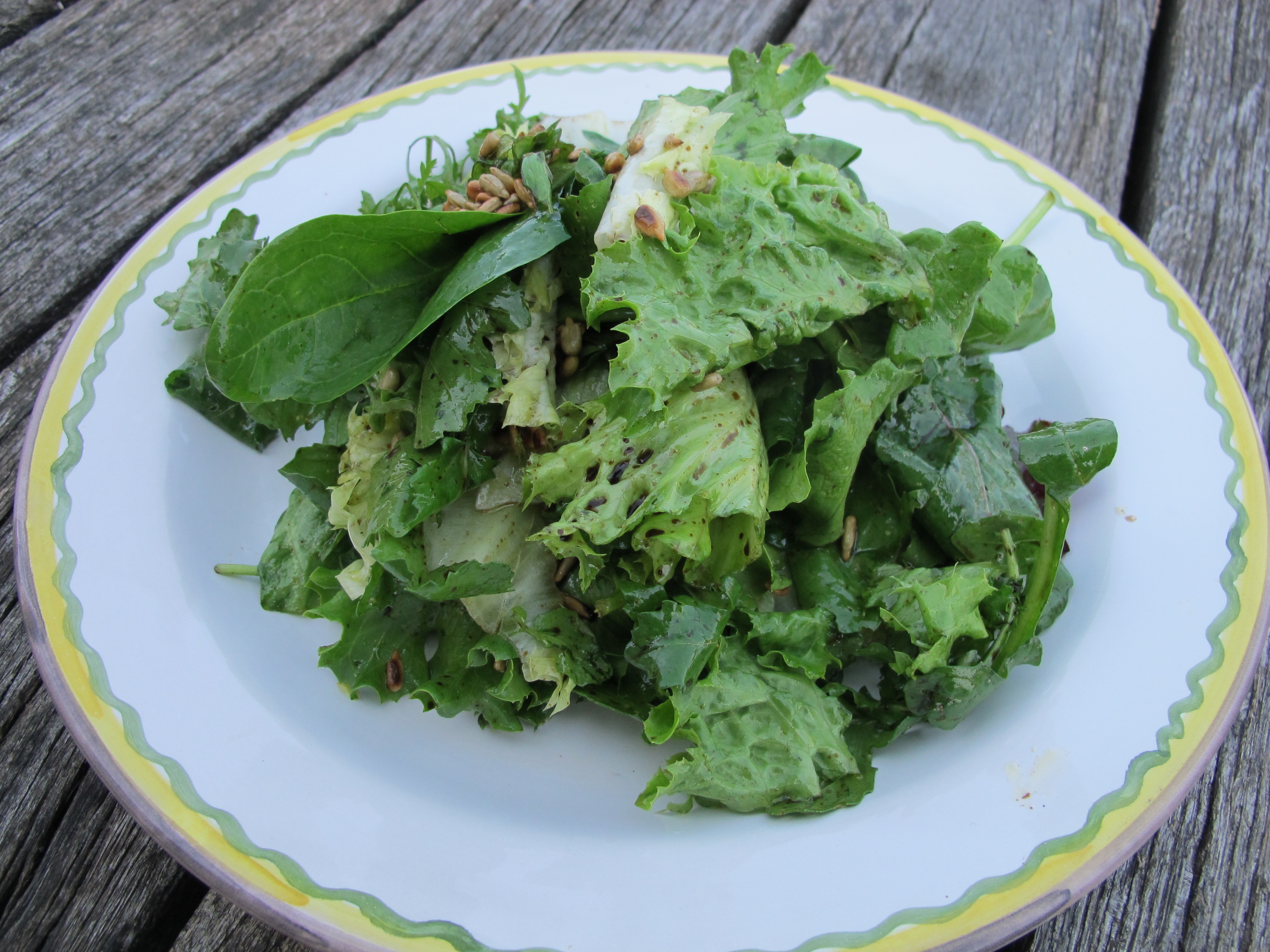
A fresh green salad is a good accompaniment–and/or, as above, some beans.

* This is a question for regular commentator Beatrice Papi to answer perhaps–would this be a strange combination to ask for in Florence, Beatrice?

When Acorn Media issued all 29 episodes of Poldark on DVD in the US for the first time a few months ago their very talented publicity person, Chad Campbell, made sure a copy got into the hands of the multi-talented Los Angeles Times TV critic Robert Lloyd.

He wrote an insightful review of the series  recommending it to anyone suffering from Downton Abbey withdrawal symptoms. It was the best critique the show has ever enjoyed.

My own very talented publicity person/manager/agent/photogragher/travel companion/wife aka Meredith Wheeler, never known to miss a trick, tweeted Robert asking if he’d be interested in interviewing me when we passed through LA.

He said yes and over breakfast in Larchment we spent an agreeable hour-and-a-half chatting mostly about Poldark.

I mentioned that Robert is multi-talented and it’s true. He spent years as a rock musician before settling down with his family in LA.

We discovered during our chat that we were both dedicated Grateful Dead  heads–putting  a date on us!

He promised to e-mail me links to some lesser known Dead recordings–which now we are back home and rested, I’m enjoying.

Just in case there are other DGDHs out there…!

No excuse needed for re-posting this seasonal gem.

The Judas trees are being true to the third line of the poem and showing their little pink blossom flowers already.

Nature’s first green is gold.

Her hardest hue to hold.

Her early leaf’s a flower;

But only so an hour.

Then leaf subsides to leaf.

So Eden sank to grief,

So dawn goes down to day.

Nothing gold can stay.

Robert Frost

[The American poet much loved by my American wife, Meredith.]

Not a captain’s clarion call to arms at the start of the cricket season…*

…but a policy statement from Chef Shep in Chicago.

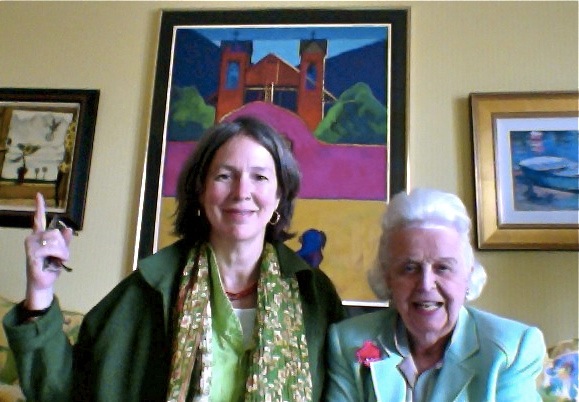
We met him when visiting Dixie, a spritely 88-year-old family friend of Meredith’s mother, in her elegant retirement home in Glenview on Chicago’s North Shore.

Our clocks were out of kilter from time differences (a lame excuse) and Chef Shepherd had kept the kitchen open for us.

He himself has type 2 diabetes–and was interested to meet me, said Dixie, and see my book.

He took our simple orders–it was late–and my book back to the kitchen as we made our peace and caught up with Dixie.

When he returned a few minutes later with salads for us and a hamburger and chips for Dixie (it’s breaking the rules that keeps her young, it would seem!), he reduced–chef’s lingo– part of the introduction to the book into the simple and memorable phrase “OUT WITH THE WHITES”.

In other words his approach when cooking for the folks with diabetes in the retirement community–and as a principle he follows when cooking for himself–is to avoid refined carbohydrates and potatoes (foods that metabolize too quickly into sugar for those with type 2 diabetics).

So the whites–rice, flour, pasta, bread, are replaced by the browns–wholewheat pasta, bread made with whole grains (rye or wheat), brown rice (basmati, if possible) etc.whole/unrefined alternatives.

I was impressed.

Here is a chef cooking in a corporate context (Hyatt, no less), personally invested in doing the right thing for his clientele of “seniors“.

After her hamburger the ever insouciant Dixie tucked into the chef’s special dessert!

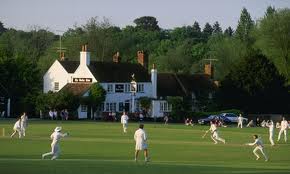
* Not everyone knows that cricket is played in white togs, which makes for a pretty sight on village greens in summer.

From his stall at Tuesday’s market in Castres, Monsieur Gayraud–the fishmonger–was extolling the virtues of the maigre–a fish called “thin” if you like.

Comme un bar [sea bass] et moins cher [cheaper].”

I bought one large enough to serve two and asked him to leave the scales on but gut it for me.

I had it in mind to cook it as per the recipe for Simple Sea Bass in Delicious Dishes–in the oven at a very high temperature seasoned on a bed of thyme for about 25 minutes.

I looked up the oddly named maigre in Alan Davidson’s Mediterranean Seafood and Jenny Baker’s Simply Fish

and discovered that its name is not the only odd thing about Monsieur Maigre.

It’s also known as a croaker–because of the noise it makes when looking for food–and it eats a lot apparently, presumably to try to put on weight and change its name.

This is almost more than I need to know about a fish I’m about to cook!

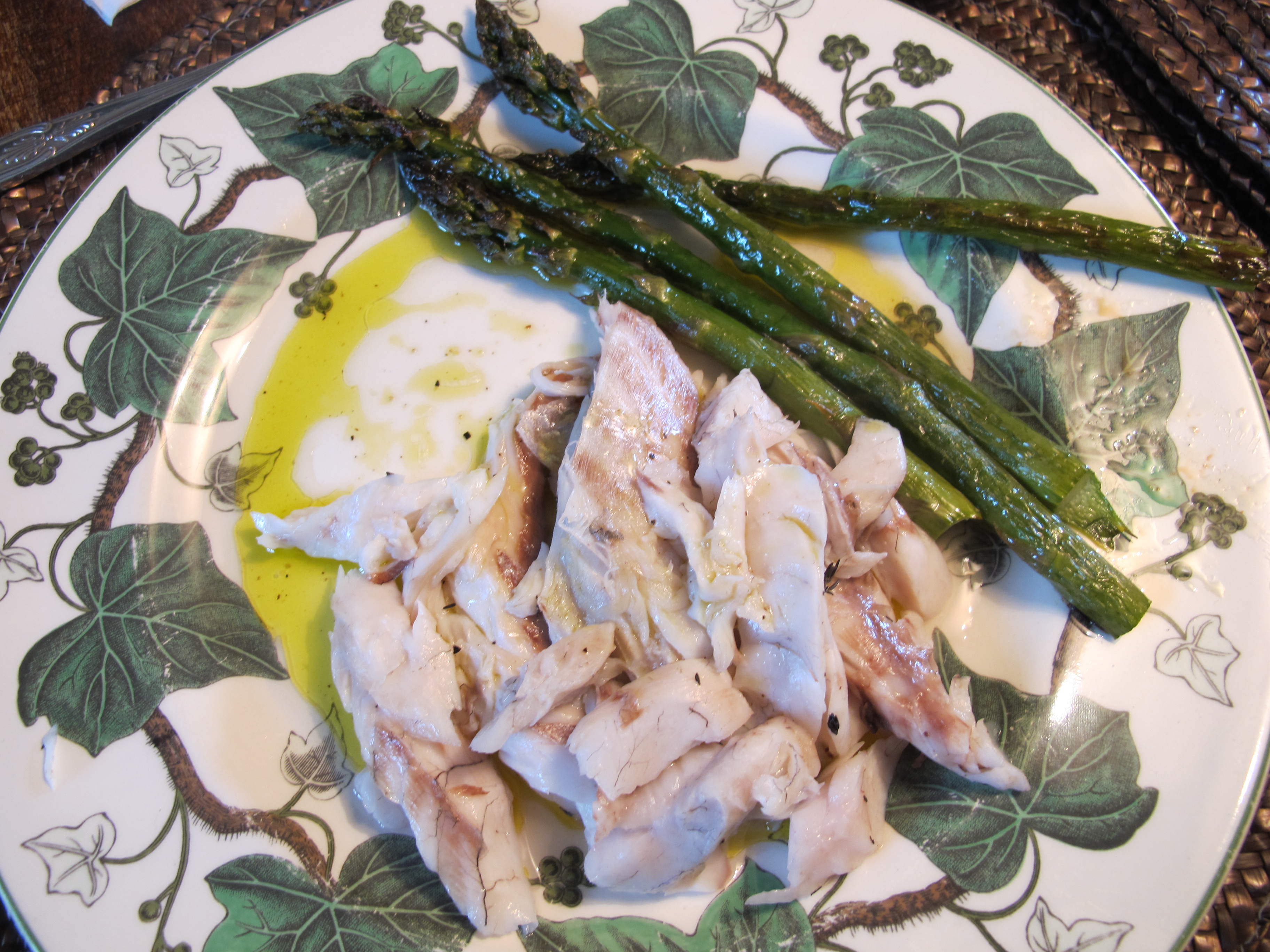
In the oven went M. Maigre/Croaker/Bocca d’Oro (It)/Saiagiz (Turk)/Corvina (Sp)/Mayatico (Gr)… and 20 odd minutes later emerged ready to eat, after its protective scaly skin was peeled carefully back  and the two fillets shared between us.

At the Wednesday market in Realmont, I spied the first asparagus of the season!

I bought enough for the two of us and realized when I got home it would look good on the plate beside the fish; so I put the thin spears, sprinkled with olive oil, on a shallow tray and into the oven, 15 minutes after the fish and they were ready more or less at the same moment–looking crispy and glistening.

A simple dressing of one tablespoon of lemon juice to three of olive oil and seasoning was all we needed for the fish and the asparagus.

What’s in a name? That which we call a maigre

By any other name would taste as sweet.

And call it what you will–it was delicious!

Just received this link to my segment on the CBS-TV Morning Show in Chicago.  http://chicago.cbslocal.com/video/6884361-diabetes-can-still-mean-eating-well/

FAST FOOD!

Under two minutes from a whole piece of salmon to a fishcake in the mouth.

Below is the piece I wrote while recovering in a coffee shop, waiting for the wonderful ( i.e. full of wonders) ART INSTITUTE of Chicago to open.

With CBS anchor Kris Gutierrez in Chicago for the early show this morning (as part of their upcoming diabetes awareness program)

Dawn came up as we headed downtown with the early risers this morning–sister-in-law Mary driving us through the light traffic just a little before her normal hour.

The early morning CBS program had invited me to do a brief cooking piece to be aired as part of their ground-breaking Diabetes Awareness campaign–so great they have taken the lead on this important health issue.

It was anchor Kris Gutierrez’s second day on the job–he recently relocated from Dallas–and it was my first ever on-air demo!

So two debutantes “struttin’ with some barbecue“!

Meredith was holding her breath–she gets nervous on occasions like this.

Kris was a delight and made me feel like I knew what I was doing.

I could get a taste for this…

My old school friend Rodney is 70 today.

We met in pre-prep school at the age of eight and both feature (butter wouldn’t melt in our mouths) in a photo  of the cast of the first play I acted in– “Colonel Blood’s Plot to Steal the Crown Jewels” –an action packed melodrama that ended badly–for the Colonel!

Our Salad Days–(seems appropriate, given what’s to follow!)

I played the Colonel’s demure-looking wife (mob cap, centre back) and Rodney (mob cap, far right, back row)–his mistress?!

We try to see each other at least once a year and catch up by phone on our birthdays–it’s a fine tradition.

Rodney and I share a life span with another 70-year-old–Old Bay Seasoning.

Same great taste for over 70 years,” it says on the tin.

This Maryland spice mix originates from the Chesapeake Bay area and was kindly given me at the pop-up book signing in New York City by Ann de Saram who brought it up from Baltimore by bus!

It’s widely used to zip up the taste of seafood and chicken–the perfect answer for a jet-lagged cook!

I marinaded two chicken breasts in the mix recommended on the box for an hour this morning:

1/4 cup olive oil

2 tablespoons lemon juice

1 tablespoon  of OLD BAY seasoning 

Several twists of the pepper mill 

I heated a griddle on the stove, cut the breasts in thin strips and grilled them a minute and a half each side.

Served over a green salad, they made for a lazy lunch.

Not sure how far it makes its way out beyond America’s east coast–but here’s a recipe (found on the internet and untried by me!) for mixing your own:

 Makes about 1/4 cup

  • 1 tablespoon ground dried bay leaves
  • 2 teaspoons celery salt
  • 1-1/2 teaspoons dry mustard
  • 1-1/2 teaspoons ground black pepper
  • 1 teaspoon sweet or smoked paprika
  • 1/2 teaspoon ground white pepper
  • 1/2 teaspoon ground nutmeg
  • 1/2 teaspoon ground ginger
  • 1/4 teaspoon crushed red pepper flakes
  • 1/8 teaspoon ground cloves
  • 1/8 teaspoon ground mace
  • 1/8 teaspoon ground cardamon
  • 1/8 teaspoon ground allspice
The taste of celery and paprika seem to predominate.
Many Happy Returns, Rodney!