Feeds:
Posts
Comments

Going south…

We hadn’t counted on seeing the Mediterranean this trip nor the Pyrenees for that matter–but there they were looking beautiful, backed by an intense blue cloudless sky.

At one o’clock Sunday, when we should have been having lunch in Primrose Hill, north London, we were in fact with a planeload of other bemused passengers being transferred by coach from Carcassonne Airport to the airport at Perpignan—where we arrived one and a half hours later.

We were going south, in other words, when we should have going north!

The pilot of our Ryanair flight from London Stansted decided the cloud ceiling was too low for landing at Carcassonne–and he diverted to Perpignan.

We had sat in the pre-boarding area at Carcassonne waiting for the coaches to arrive–Les cars vont arriver en quinze minutes” said the woman’s voice over the p.a. system The coaches will be here in 15 minutes”, an announcement she seemed to repeat every fifteen minutes–watching the clouds lift over the Black Mountains to the north and the sky turn blue; the perfect weather for a landing.
Once at Perpignan airport, we collected our carry-on luggage from the coach driver and went in search of sustenance.
As we settled ourselves at a table in the bar area…
All passengers for flight FR73 to London Stanstead must collect their CHECKED baggage from the stand outside the airport and delivery it to check-in desk number 5 immediately!”
They stopped short of telling us we would be taking it in turns to fly the plane to London–but it must have crossed their minds.
Things took a turn for the better when we spotted a sandwich on a second visit to the hitherto barren bar.
One each with a small box of vacuum-packed peanuts (opened with the help of the sales assistant’s handy pair of scissors) and a coffee convinced us we were right to resist the metaphorical meaning of the phrase going south!
What’s a four hour delay in the context of a month long trip!?
The Med and the Pyrenees were well worth seeing…magnificent–wouldn’t have missed them…
It’ll be a skip and a jump to the Pacific and the Rockies now–sure–here we come!

I fought some squid and lost!

The fishmonger in Castres had no squid for sale—a warning sign I should have respected.

SuperU is usually good for fish but was too far out of my way.

Leclerc could be on my way home.

Why do we do these things?

I had that sneaky feeling I should leave them and try the fishmonger in Lautrec in the morning but Meredith expressed interest in squid stew.

We are up to our eyes getting things shipshape to leave and I couldn’t face having to think about dinner any more.

So

I stop off at Leclerc.

I normally accept the fishmonger’s offer to les nettoyer (clean them up and take the skin off ) then finish the job myself at home, but the fish assistant doesn’t want to do anything but wrap them up.

So

I get them home and and start to skin them–or at least try.

Very soon they begin to get under my skin as I failed to get under theirs.

And the tentacles felt tougher than usual.

I cut one squid on the tentacle side of the ‘eye’

and a swoosh of black squid ink shoots across the kitchen, hits the back door and covers the floor.

Do I really want to eat these recalcitrant mariners? Not much, but am reluctant now to give in.

I’m in a the battle with the squid!

So

My frustration increases and I’m in danger of nicking myself with the knife I’m using.

There’ll be more than black ink on the floor, but I persist in this madness–until my back starts telling me no dish is worth this amount of hassle.

The four fennel bulbs in the fridge that have been metaphorically tapping me on the shoulder for a good fifteen minutes–finally manage to persuade me that there’s more to life than skinning squid and…

we have fennel soup and cheese instead for supper!–quick to do and a healthier option at night.

Squid!  watch out –I’m looking for a return match!

Sam Talbot is a well known American chef in his thirties, working now in Montauk, Long Island.

He has Type 1 Diabetes and has written a delightful cookbook illustrating the way he lives, eats and cooks with a nicely ironic title–The Sweet Life.

We vied for numero uno position in the pre-publication list in our category on Amazon.

Well, I say vied— I made it once, I think!

He raves about the increasingly popular South American grain, quinoa, saying he eats it at least three times a week.

In a post in March last year I wrote this about Quinoa:

This seed, one of the oldest known grains, is a useful alternative to rice, takes less time to cook and is very easily digestible.

It is grown high up in the Andes–and no one seems to agree on how to pronounce it!

It serves as a plain canvas on which you can paint what you like. 

Here you can learn more about the benefits of Quinoa–perhaps more than you want to know!

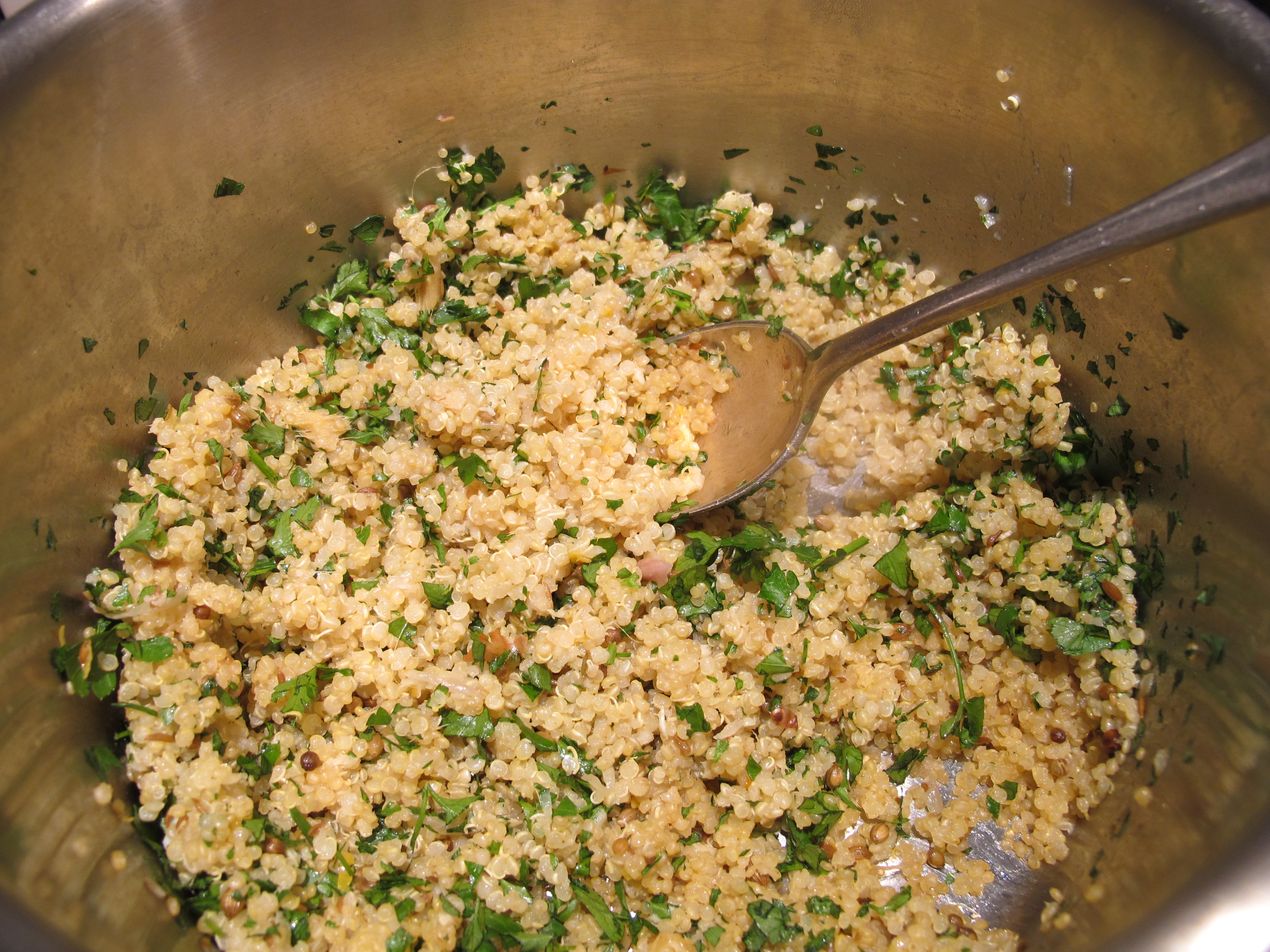
This is Sam Talbot’s recipe–slightly adapted; it’s delicious.

The amount of liquid required is double the volume of the quinoa–easy to remember!

1 cup quinoa

2 tablespoons olive oil

1 shallot–chopped small

1 tablespoon coriander seeds

1 teaspoon cumin seeds–(he leaves the coriander and cumin seeds whole, which you’d think would be tiresome, but it works–giving a nice added crunchiness)

2 tablespoons of fresh ginger–chopped small

garlic cloves–pulped with some salt

zest and juice of a lemon

parsley–chopped

2 cups stock–I use organic vegetable stock cubes

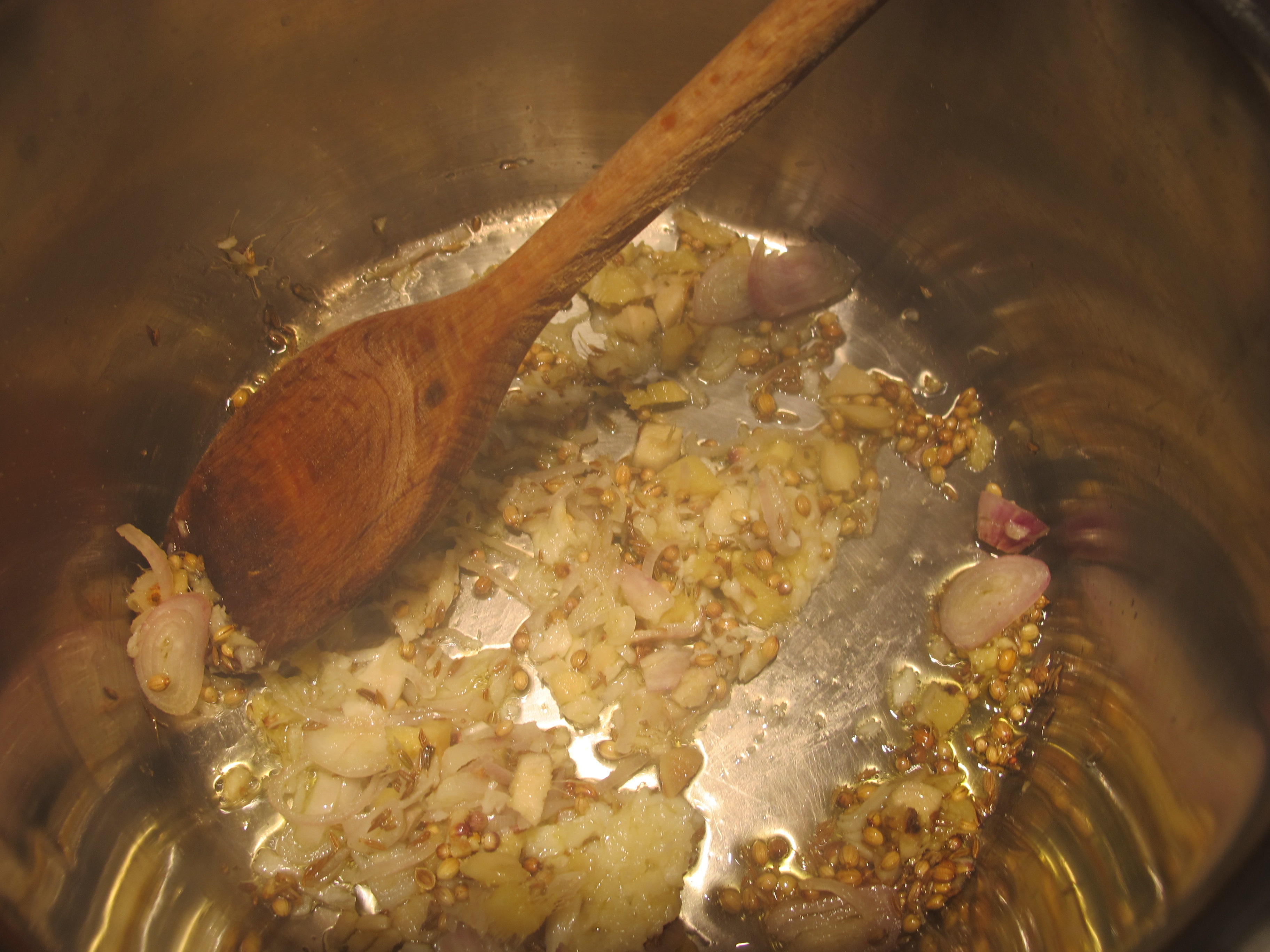
  • Heat the oil in a pan and sauté the shallot and the spices (coriander, cumin, ginger, garlic) for about five minutes to soften them.
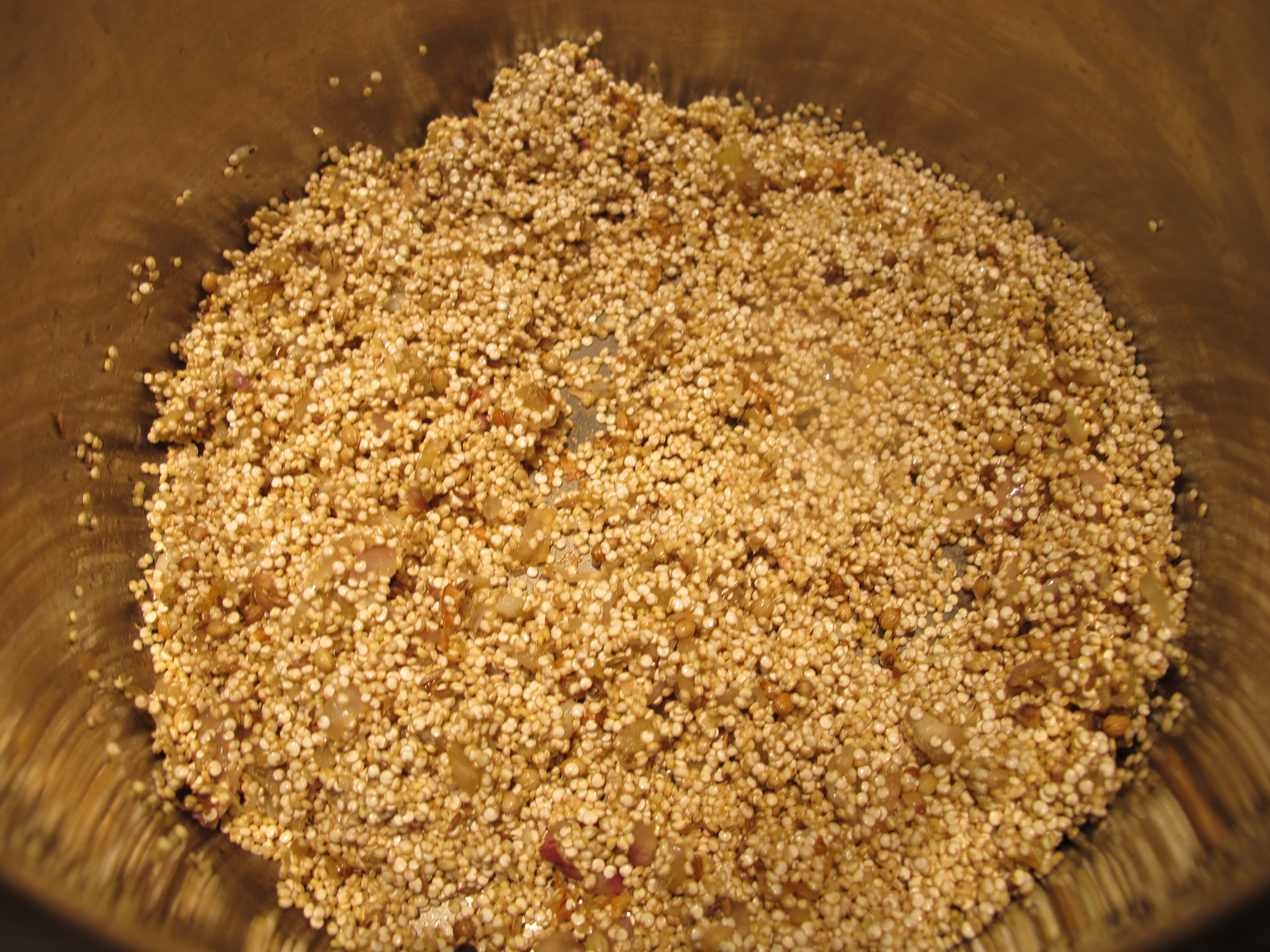
  • Add the quinoa to the pan and turn it over with the spice mix.
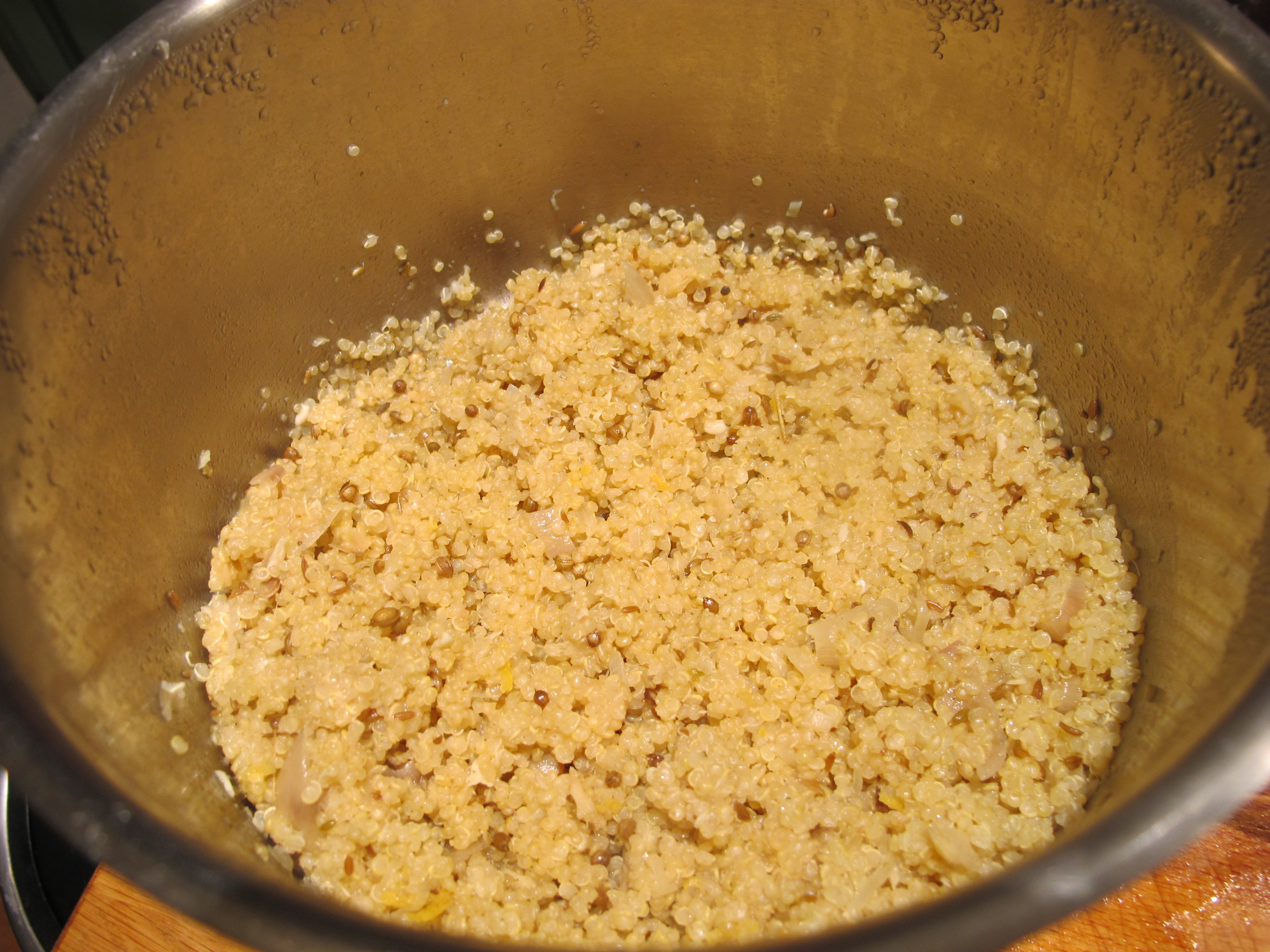
  • Add the stock,  the lemon  juice and zest and bring it up to a simmer.
  • Cover the pan and turn the heat down low.
  • Cook for about twenty minutes.
  • Check to see how it’s doing after 15 minutes and give it a stir.
  • The grain should absorb all the liquid by the end of cooking.
  • Sprinkle the parsley over and fork  it carefully into the  quinoa.

A picture’s worth a thousand words.

This is Meredith’s lovely montage.

She not only takes great photos but she puts them together beautifully to tell many stories on the way.

Shows more summer than winter–no harm in whetting the appetite though…!

That was the debate this morning on Broadcasting House–a favourite Sunday morning magazine program at 9am on BBC Radio 4.

Two opposing views, passionately held by two correspondents.

One can’t tolerate slow walkers and isn’t interested in the journey–just wants to get where she’s heading and finds slow walkers get in her way.

‘Walking is dead time’– she says.

The other thinks slow walking one of life’s great pleasures–helping poets write and thinkers to think.

(And here–helping grandparents spend time with their grandchildren!)

‘The journey is the fun part’ he says ‘life’s an amble’.

Which reminded Meredith of Constantine P Cavafy’s poem Ithaca.

I used think like the fast walker–about walking in general–that it all took too long.

I jogged–it was faster–over quicker and I could get on with other things.

Now I walk fast, power walk I supposenasty phrase.

Not to get where I’m going faster but to exercise the heart, burn up calories, and keep in shape.

And I do find it refreshes the mind as well as the body.

Walking slow I enjoy in company; chatting and strolling make good partners.

WALKING-an anthology; please add to it at your will..!

Walk tall.

Walk on the wild side.

Walk on!

Walk–don’t run!

Sleepwalking.

Powerwalking.

Jaywalking.

Walking the gangplank.

Walking wounded.

Walking the line.

Walking a fine line.

The long walk.

‘I’m walking backwards for Christmas’--Goon Show 

song in the fifties.

The Ministry of Silly Walks.

Walking back to happiness’–Helen Shapiro

hit song in the sixties.

Walk the Walk–Talk the Talk.

Walkie-Talkie.

The boardwalk.

The catwalk.

Streetwalker.

“Doing the Lambeth walk”

Johnny Walker

red or black…

Walk fast or slow…

But do–WALK!! 


Two friends came round for supper last night and I tried out a spicy chicken dish.

It didn’t pass muster with Meredith and our friends were polite but didn’t exactly rave!

I shall try again with it because it’s simple and quick–which of course could be the reason it was disappointing!

I served a yogurt sauce with it, which is I think is useful and tasty.

I noticed Meredith tucking into it this lunchtime with the fennel salad..!

Yogurt sauce for 4

2 x 125ml pots of organic yogurt

1 teaspoon cumin powder

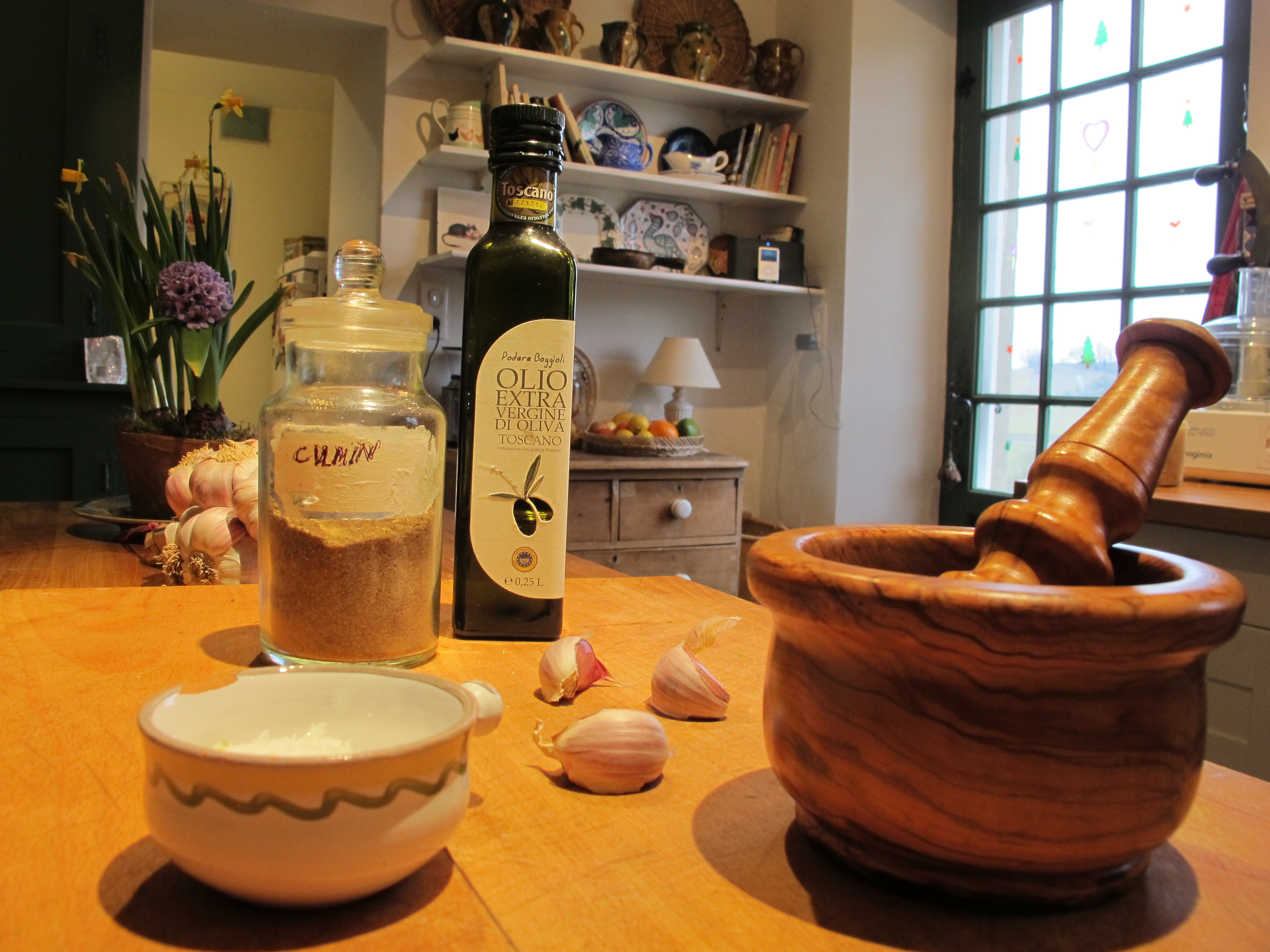
garlic clove–pulped in half a teaspoon of salt

1 tablespoon olive oil

1/2 a teaspoon salt

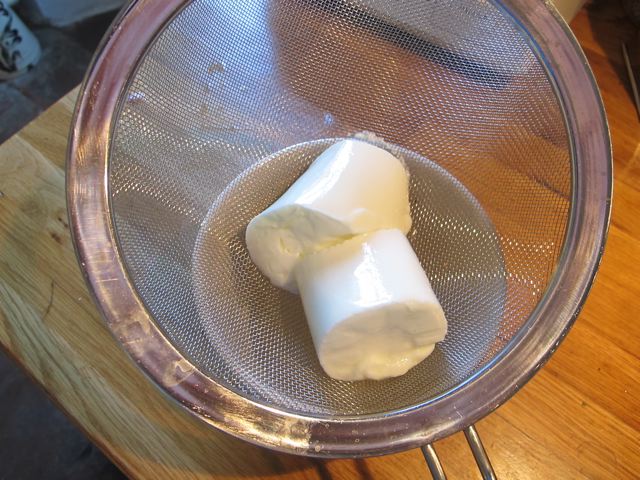
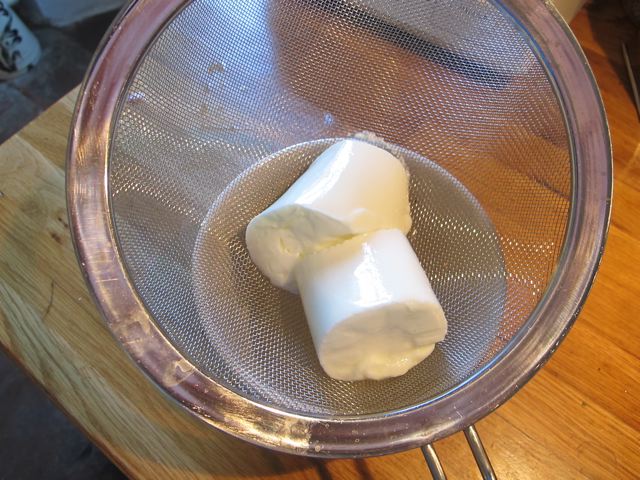
  • Whisk the yogurt smooth–(if you want to make it a bit thicker let it drain through a sieve into a bowl for half an hour or so).
  • Pulp the garlic in the salt in a pestle and mortar.
  • Add the cumin and mix it in thoroughly.
  • Fold in the olive oil.
  • Add this mix to the yogurt and whisk well in.
  • Refrigerate until you are ready to eat.

Below I reprise two favourite fishcake recipes that have proved popular. I think it’s worth tying them together because they are closely related–and worth sharing again for newcomers to the site.

They each have an ingredient that nicely replaces the potato normally associated with fishcakes: Smoked haddock for the first,  fresh dill for the second.

The first recipe, with smoked haddock, I once did as a starter on Christmas day–so I associate with winter.

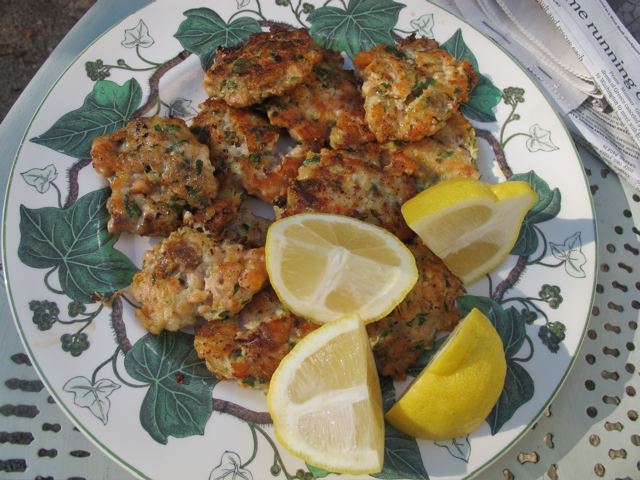
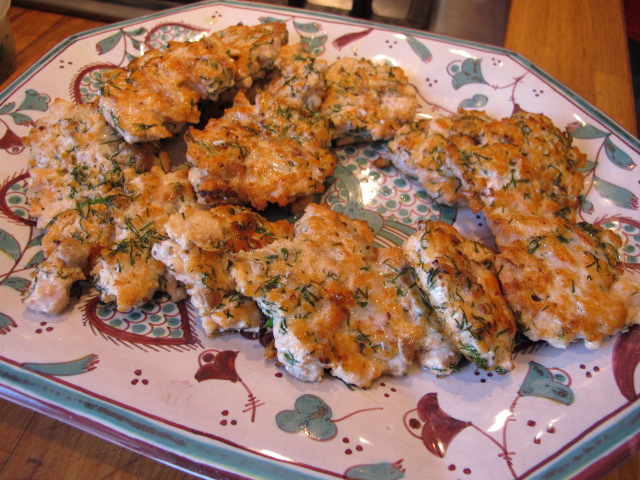
The second recipe, with dill–reprinted from my cookbook,  Delicious Dishes for Diabetics–makes a for a tasty lunch outdoors in summer.

Dill is not always easy to find–even in summer–so I sometimes substitute chopped parsley (but dill is better!).

In truth, I’d willingly gobble either down, no matter the season!

Version 1 (Winter)

Salmon and smoked haddock

I used to love fishcakes–but the usual addition of mashed potato made them ‘off limits’ for me, once I was diagnosed with Type 2 diabetes.  Then I found an alternative–no-potato fish cakes–and no longer felt deprived!

My American wife tells me most Americans will find smoked haddock unfamiliar and maybe even daunting and hard to find–but from starting as a sceptic, she is a complete convert now.

This is adapted from a Gordon Ramsay concept….

for 4/6

1 lb/450 gms salmon fillet–with the skin and little bones removed
1 lb/450 gms smoked haddock–undyed, if possible and skin removed
1 large shallot–grated

egg–whisked

1 tablespoon parsley–chopped

salt and pepper
olive oil for sautéing

yogurt–I use no-fat organic, drained in a sieve for half an hour to thicken it.

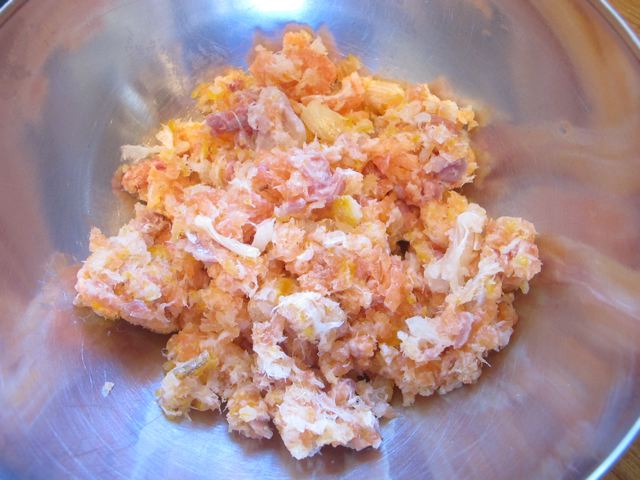
  • Cut the fish into chunks and place into a food processor.
  • Pulse to a coarse mince–not too much or it will become a slurry.
  • In a bowl, mix the fish with the grated shallot, parsley, salt and pepper.
  • Check the seasoning–raw salmon tastes good!
  • Add the whisked egg and mix in thoroughly.
  • Chill in the fridge for an hour if you’ve time.
  • Mold into little flat patties.
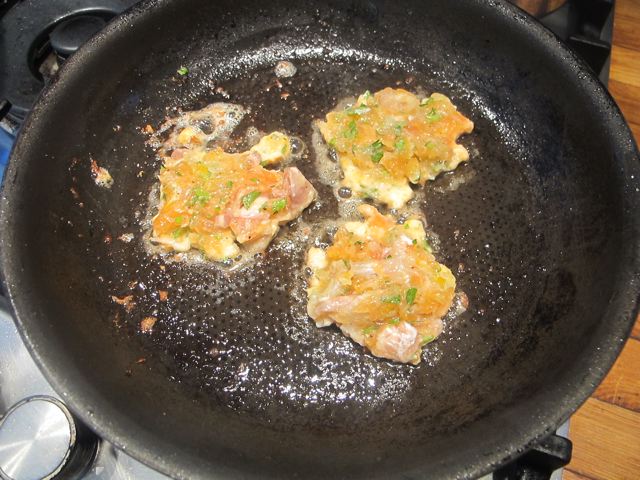
  • Heat the oil in large frying pan.
  • When it’s hot sauté the little cakes for 2 to 3 mins each side.
  • Serve with a small dollop of yogurt sauce (see recipe below); for this version of fishcakes, I’d omit the dill.

Version 2 (Summer)

Salmon Fishcakes with dill and grainy mustard

The dill and the grain mustard make the fishcakes special. They can serve as a tasty starter too depending on the size.

If you keep them small and cook them quickly, they’ll be crisp and brown on the outside and still succulent inside.

This version is adapted from one of my favourite British cooks, Nigel Slater.

400 g/1 lb salmon fillet – skinless and checked for bones

white of an egg

1 tbsp chickpea flour – of course, plain flour works as well

1 tsp grain mustard

juice of ½ lemon

bunch of dill – chopped fine

salt and pepper

2 tbsp olive oil

  • Mix all the yogurt sauce ingredients and refrigerate until you are ready to eat.
  • Cut up the salmon fillets in roughly equal-size pieces.
  • Put these in a mixer and pulse three or four times. 
  • Avoid working them too much and producing slush at the end.
  • Put the salmon in a bowl.
  • Turn in the egg white and the flour, then the mustard, lemon juice and dill.
  • Season with salt and pepper.
  • It’s a good idea to taste the mix for seasoning at this point–the dill and the salt should come through.
  • Refrigerate if not using immediately.
  • Heat the oil in a frying pan and using a dessertspoon scoop out a dollop and make a ball.
  • Put this in the pan and flatten it gently.

  • Cook on a medium-high flame, crisping and browning the outside while making sure the interior cooks through.

Yogurt sauce

2 x 125 ml pots low-fat yogurt

1 tsp grain mustard

good pinch of chopped dill

salt

Serve with lemon wedges.

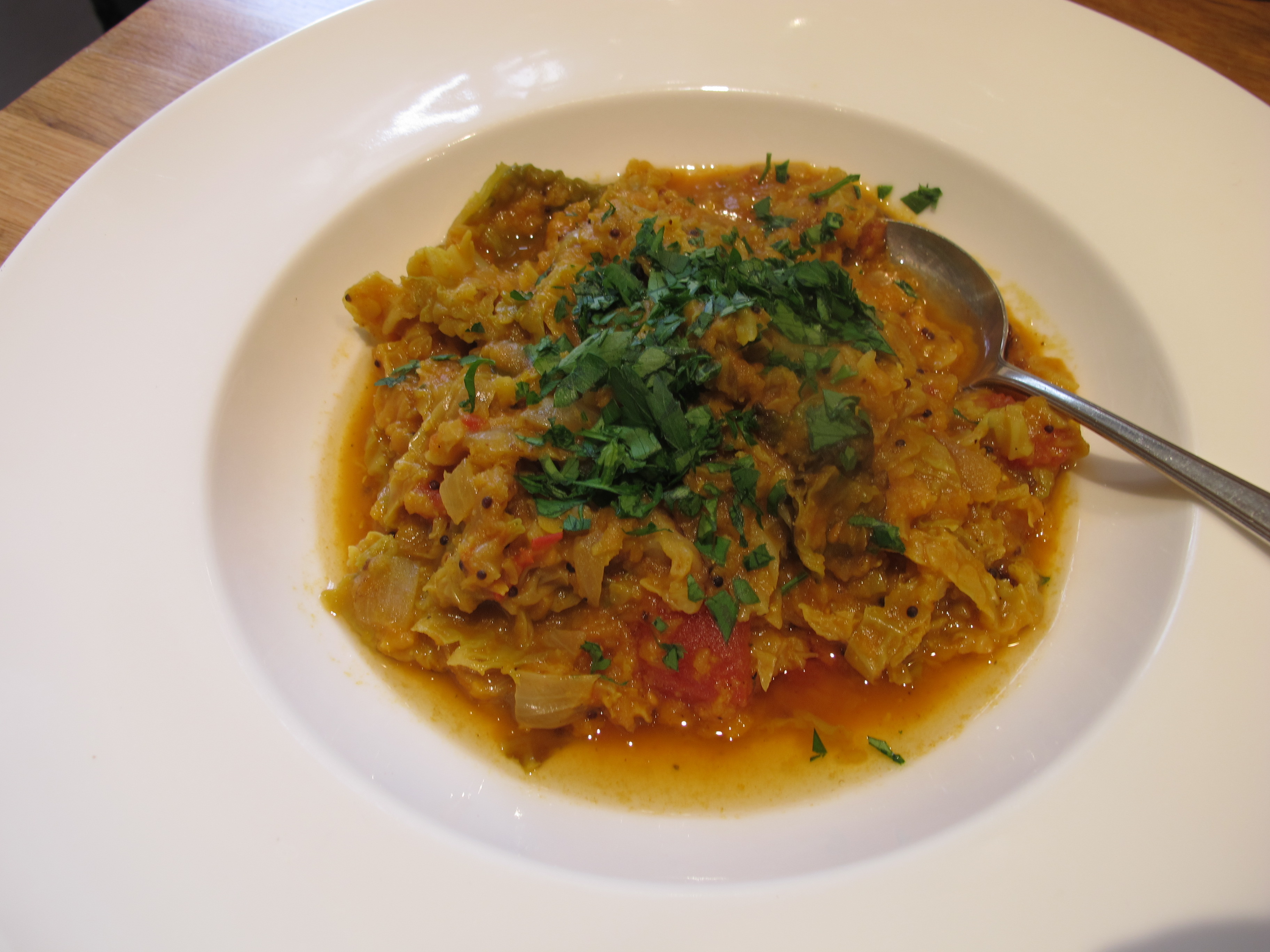
Renown vegetarian cookbook writer, Rose Elliott found this in Julie Sahni’s Classic Indian Vegetarian Cookery and adapted it and I have tweaked it a bit.

It’s a quick excursion to the East.

There was a small cabbage in the fridge and some fenugreek seeds on the shelf in the larder, which I whizzed into powder in a converted coffee grinder!

The fenugreek is optional, but interesting… (as its name implies this herb is found in the mediterranean region and has healing qualities as well as culinary uses.)

Our friend Myriam called in this morning and said it was minus ten last night and would not get warmer until Wednesday, so a bowl of something gently spicy and soupy for lunch might be just the ticket.

for 4

250gms/8oz red lentils

2 1/4 pints/1300ml stock–I use organic vegetable stock cubes

1/3 teaspoon turmeric

375gms/12oz tinned tomatoes–chopped

  • Rinse the lentils thoroughly.
  • Put them in a saucepan with the stock and the turmeric and bring up to the boil.
  • Cook at a gentle simmer for 45 minutes.
  • Add the chopped tomatoes then set aside.

1 tablespoon olive oil

1 1/2 teaspoons black mustard seeds

1/4 teaspoon fenugreek powder (optional)

1 tablespoon curry powder

1 onion–chopped

a small cabbage–outer leaves removed, quartered, cored and shredded

Juice of half a lemon

salt and pepper

Parsley or better still fresh coriander–chopped to sprinkle over

  • Heat the oil in a new pan.
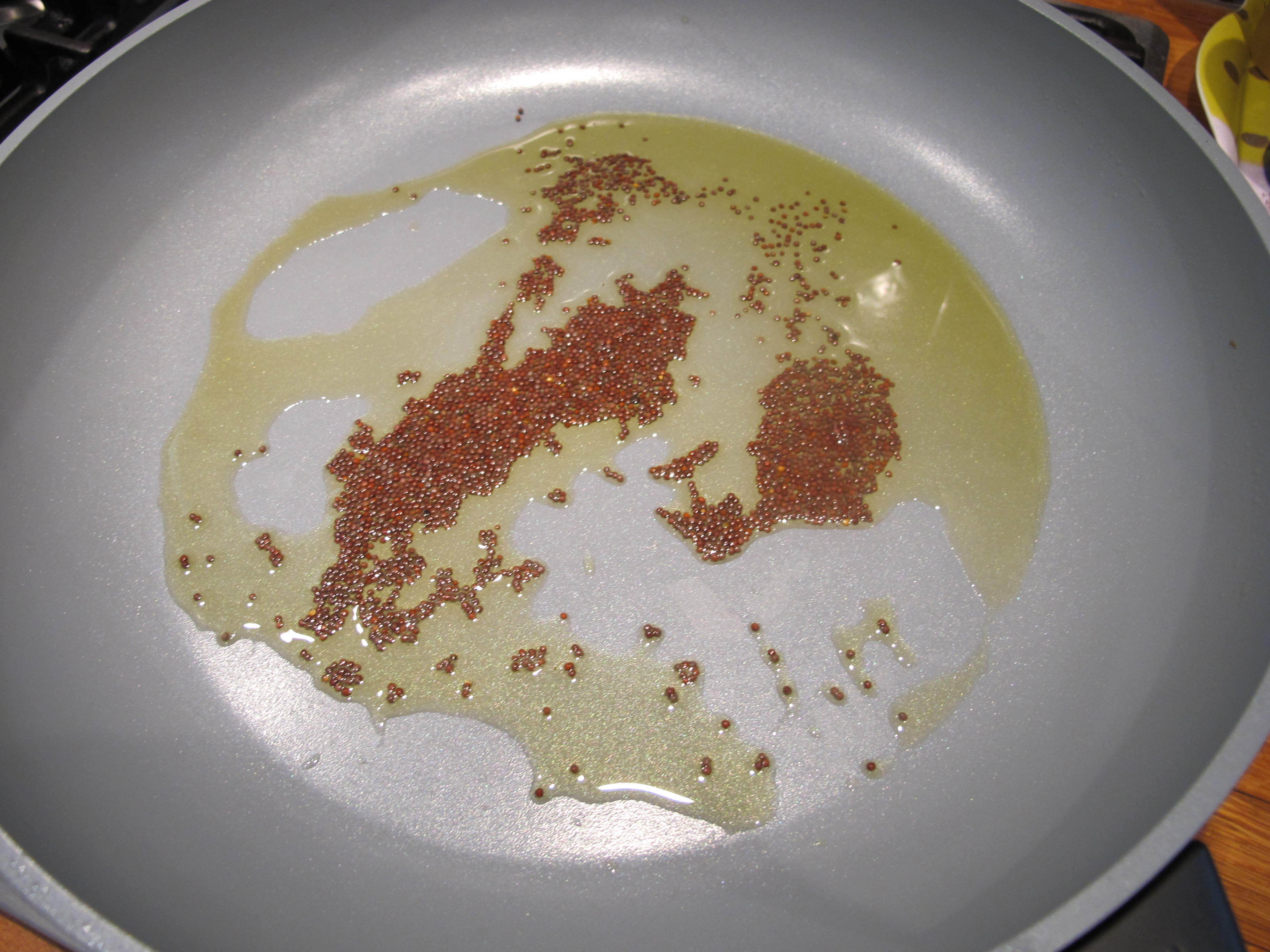
  • Add the mustard seeds and cook them until they start to pop–a couple of minutes; they look brown in the photo but in fact stay black.
  • Mix in the curry powder and the fenugreek (if using) and let them  cook for a few seconds.
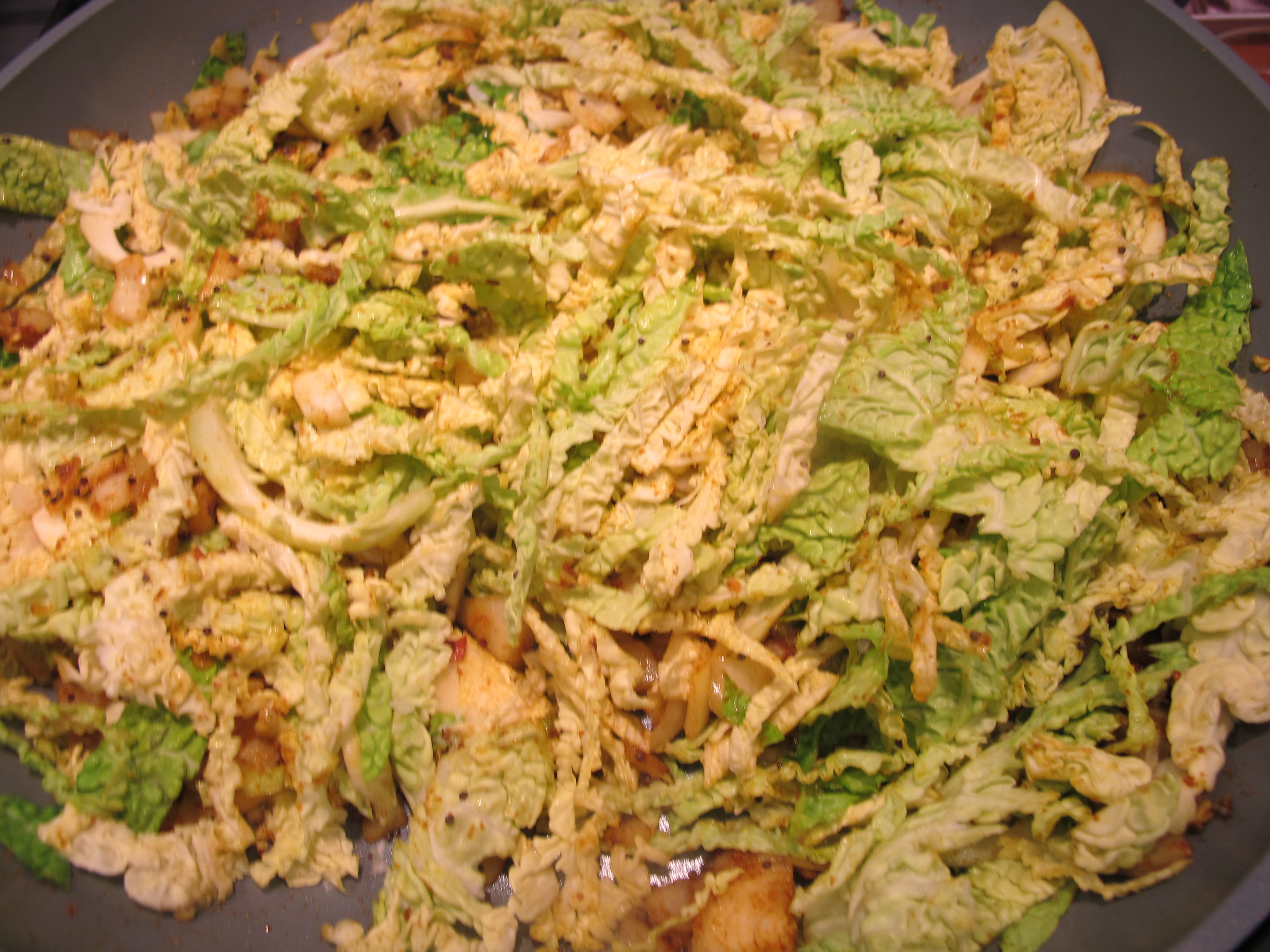
  • Add the onion and the cabbage and mix everything together well.
  • Cover the pan and cook  for 5 minutes.
  • Add the wilted cabbage mix to the lentils.
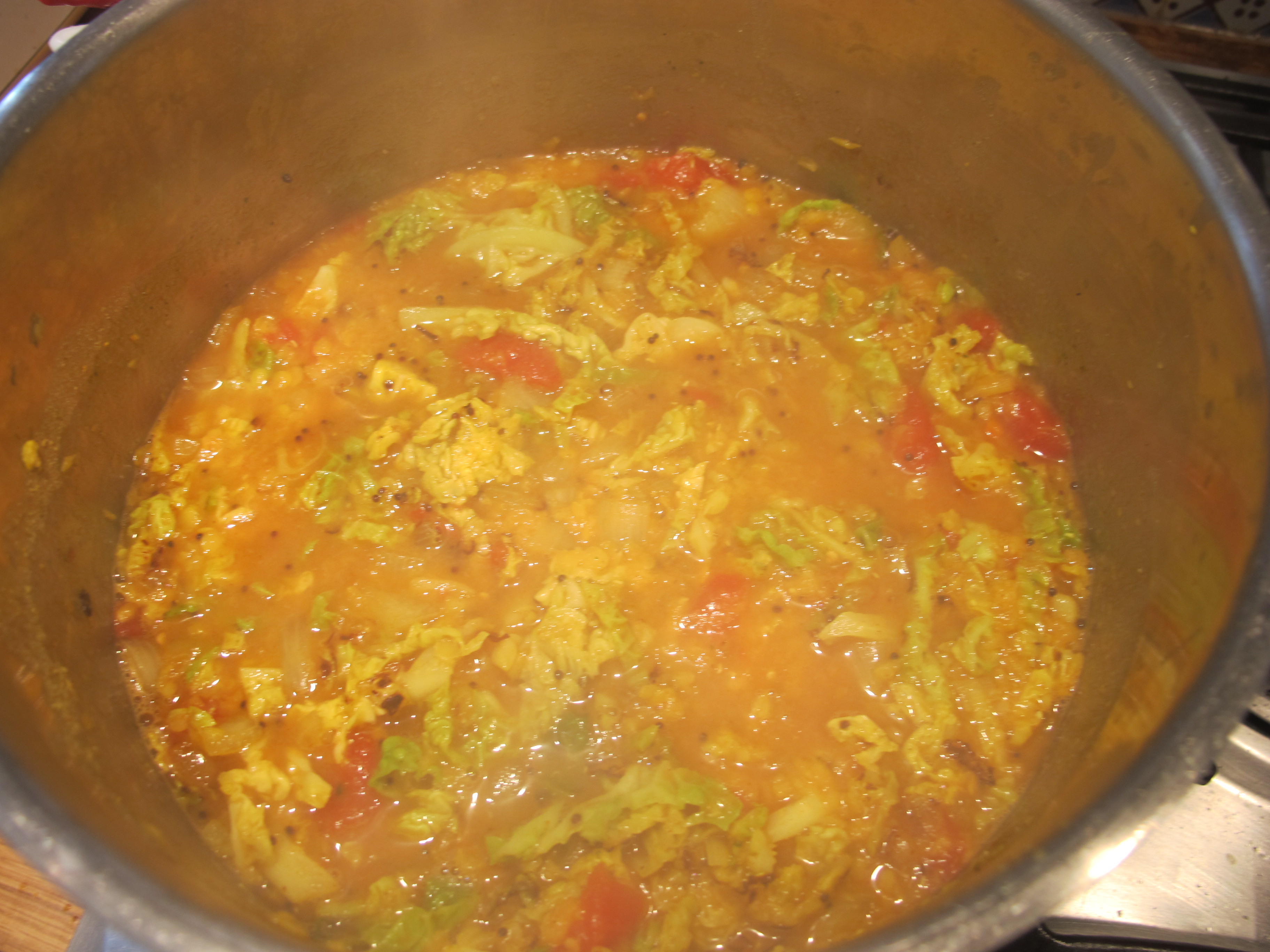
  • Bring the mixture up to the simmer.
  • Leave it to simmer gently for 20 minutes.
  • Season to taste with salt and pepper.
  • Stir in the lemon juice.
  • Sprinkle over the parsley or coriander when you serve.

A member of La Police Rurale turned up this week and asked us to move the cars from in front of the church, so a truck could back up to its door.

He was accompanied by three municipal workers eager to start filling the truck with stuff from the church.

They went to work, stripping the interior of the church of its statues and artifacts,

An anxious Mary

and stacking the pews ready for transporting.

The dismounted statues began to resemble the cast of a episode of a religious costume drama– casually chatting while waiting to be called on set!

What was happening was not a total surprise to us. I would have a couple of questions for our local “bobby”…

Two weeks ago the same policeman told our friend Deming–who was cat sitting for us while were in Strasbourg and speaks fluent French–that the church’s demolition was imminent!

Poor Deming, assuming we knew this was going to happen, e-mailed us the news.

It was a bolt from the blue–we had no inkling that there was such a plan or that it’s execution was imminent!

The idea that this large presence–so much part of our lives and the landscape–would vanish, was a real  shock.

Could it be true? Surely not…

Pulling the church down would be a hugely disrupting procedure. It would be expensive for the Mairie (churches in France are the property of the State)–and politically delicate. To spend so much money on pulling down an old church, money that might otherwise be invested in more deserving causes, would be controversial to say the least. It would also greatly upset not a few of the Mayor’s voting constituents many of whom still had family links with the parish.

NIMBY* thoughts started creeping into our paranoid minds.

What would be put in its place?

Would they sell the land for construction? Surely not.

(The Mayor had assured us two years ago that the church was not for sale when someone asked to buy it for a domestic conversion–Ce n’est pas a vendre!)

We were in  Strasbourg, it was the weekend, the Mairie would not be contactable until Mondayaaaaah!

We live in an 18th century présbytère–the priest’s house,  the vicarage–though it’s 90 years since a priest was living here–but our neighbours remember walking across the fields barefoot as youngsters to learn their catechism in what is now our kitchen.

The church stands just to southwest side of the courtyard and outside it, behind the pigeonnier.
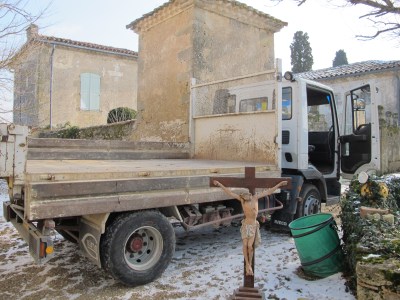
It was built in the 1860s. The original place of worship was partially destroyed at the time of the revolution. It is attached to the main house and is now our utility room, a storage space and a mess!

When we bought the house in 1990, the “new” church was still being used twice a year for services–on Easter Monday and at Toussaint (All Saints Day, November 1st).

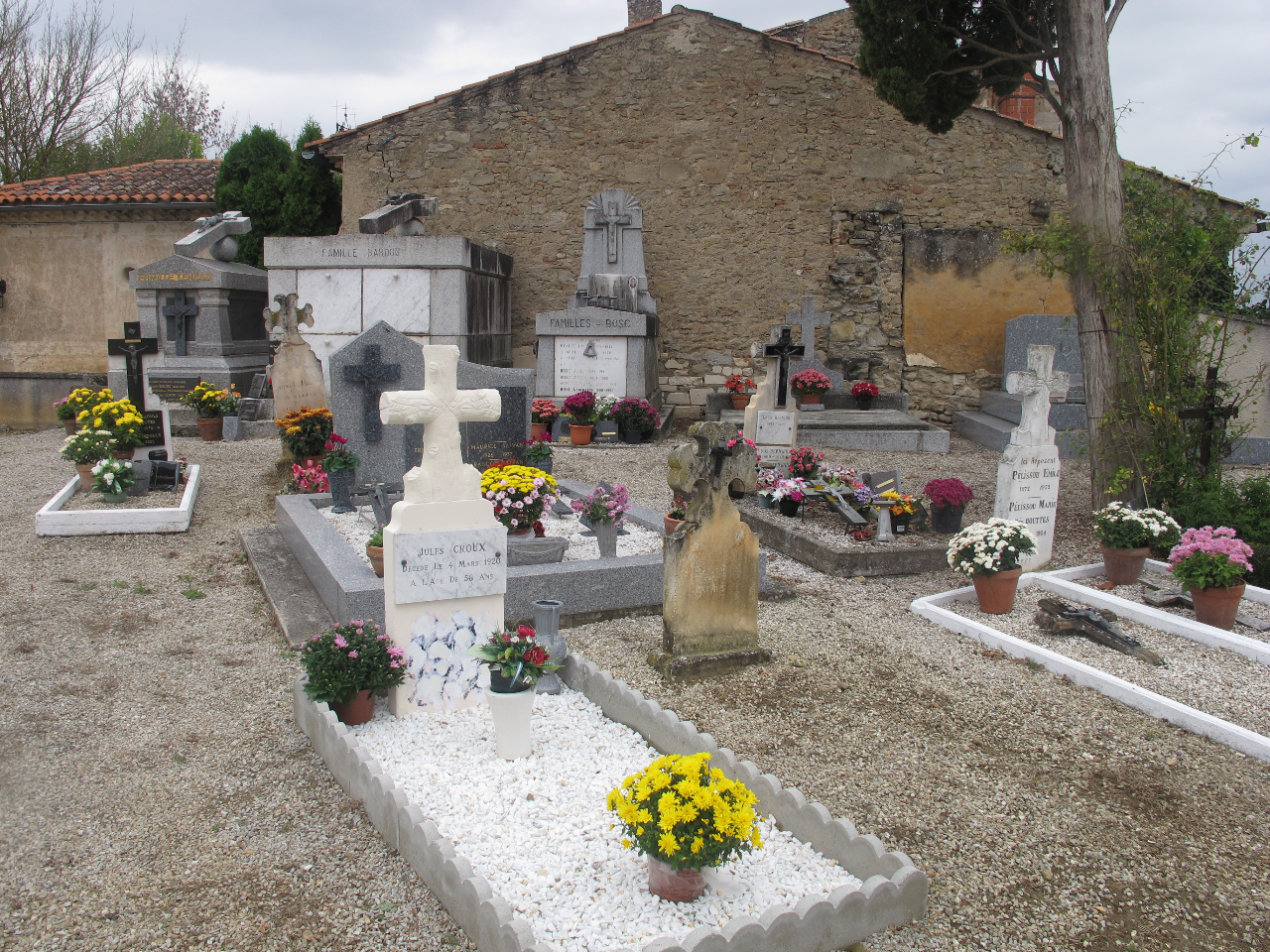
Occasionally there would be a funeral involving one of the local families, whose tombs stand in the little cemetery.

But some years ago a crack appeared in one of the side chapels and the Mairie in Lautrec pronounced the building unsafe.
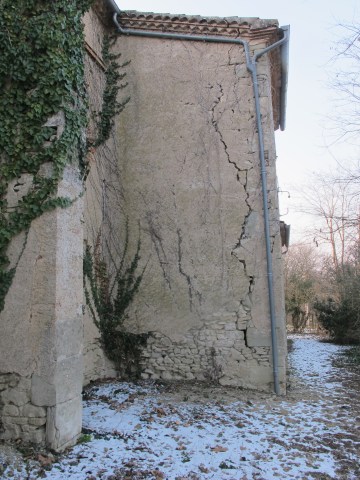
It was locked and no service has been held inside since.

Interested locals–including us–formed an association to try to find a way of at least securing the safety of the building and thus preserving it. (I was the unlikely choice for Vice President–a heartbeat away from the Presidency!).

We had no luck.

The crack has widened every winter…

…but the church has stood defiant–against the odds.

We had persuaded ourselves that that was the way it would stay.

Until the email from Deming appeared in the in-box!

On our return, we immediately rang all our neighbors, desperate–well keen–to find someone who might be able to shed some light on the mystery.

No one had heard a word about it!

Our friend Myriam promised to ask her sister-in-law, a member of the ruling group on the council, if it was true that they were planning to demolish the church.

The next day a beaming Myriam had the answer.

NO, emphatically, NO–of course they were not going to demolish the church.

They were simply planning, very sensibly and not before time, one might say, to remove everything of value from the building.

That was what was IMMINENT and what was happening that morning.

Dites-moi, Monsieur, I said to the policeman, after moving the cars,

Vous avez dit a notre amie la semaine dernière qu’ils vont démolir l’église? [You told our friend last week that there are plans to demolish the church?]

Mais non! Monsieur, non! non! he replied–just a beat too fast, I thought.  Elle m’avait mal compris! [No! no! she misunderstood me!]

I’m willing to lay a bet on who got the wrong end of the Bishop’s crook!

*Not In My Back Yard

An early post this time last February was a short account of my annual eye test. This week I went through the identical procedure–Mr Nguyen is reassuringly methodical.

Arrive–present my Carte Vitale (the card accessing the French health care system)–take a seat in the waiting room.

This is usually backed up with a crowd of anxious, silent people but is empty this year (maybe it’s the freezing weather)–apart from a couple who whisper together as though the Queen were in the next room!

No sooner do I unfold my copy of The New Yorker magazine when out comes the doctor with a patient and–moments later–the summons:

Monsieur Ellis?

Eye Test–(15/2/2011)

I learned early on, that managing Type 2 Diabetes involves more than watching what you eat—it’s really a head to toe job!

The villain sugar is a ruthless foe. It will take advantage of any weaknesses with alacrity, and insinuate itself into those vulnerable spots like eyes and feet if you drop your guard, causing damage that cannot be reversed.

“Put your chin on the strap please and place your forehead against the bar—look straight ahead and don’t move”.

The forced intimacy of doctor and patient is strange. As he leans forward and shines his special torch deep into my eyes, we are eyeball to eyeball. For a moment I feel like the Man in the Iron Mask, receiving a visit.

The short pause before he says–pas de diabetes [no sign of diabetes], is a bit nerve-wracking; on occasion I’ve caught myself crossing my fingers under the table—though I forgot this morning!

Phew-another year gone!

Being tested has become part of life again. Just like schooldays.

I see Cyril for feet every three months and have a blood test to check cholesterol and glucose levels as often. No big deal really—when your life depends on it.

Pas de diabete!   Encore phew!

Less than 15 minutes after “the summons, I had paid 27 euros for the consultation (to be reimbursed later), made an appointment for February next year and was searching for my car key outside in the cold.