Feeds:
Posts
Comments

logo-Boggioli
slide-1

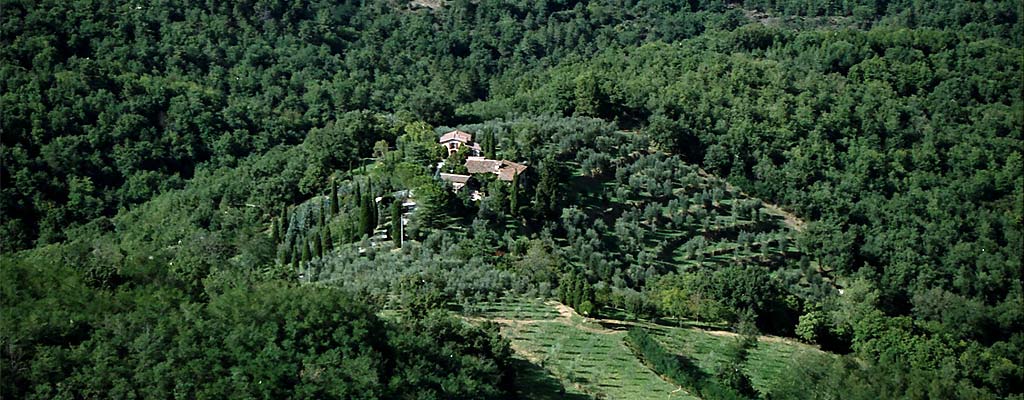
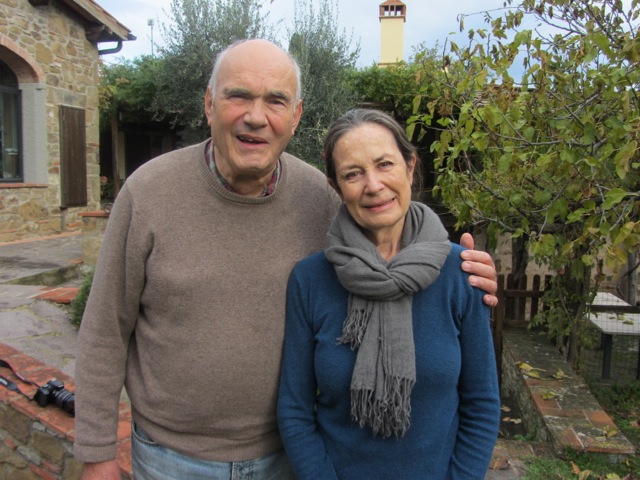
Our friend Keith Richmond has a thousand olive trees in the Tuscan hills, south east of Florence.
IMG_3130

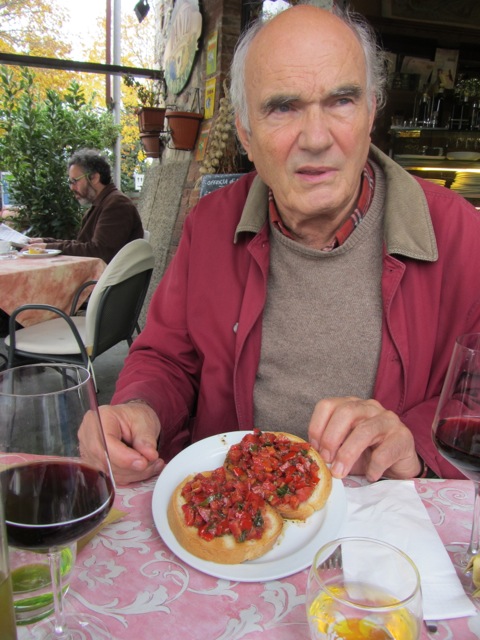
Keith shows off tomato bruscetta at a local restaurant in Radda in Chianti.

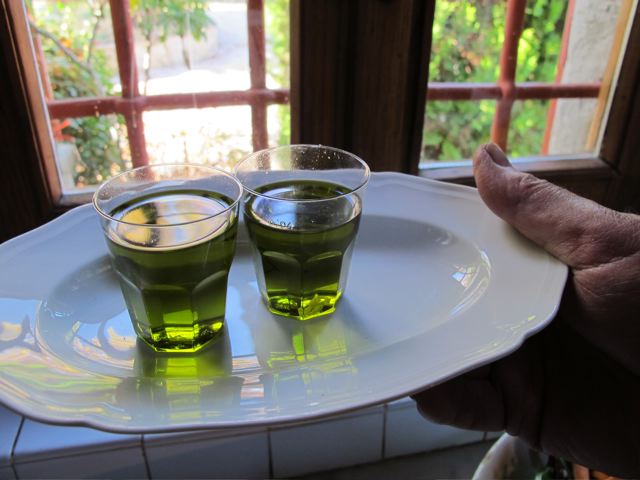
Every November he harvests his olives and wins prizes with the rich green oil they produce.
new olive oilMG_4997

He recently picked up a gold medal in Los Angeles and another important prize in Germany.

We first met him at an olive oil tasting demo in Florence and were smitten with his passion for this miraculous product and his beguiling way of expressing it.

He knows his subject.

I thought I’d ask him to write a brief note about the tricky task of choosing a good olive oil.

He obliged with this:

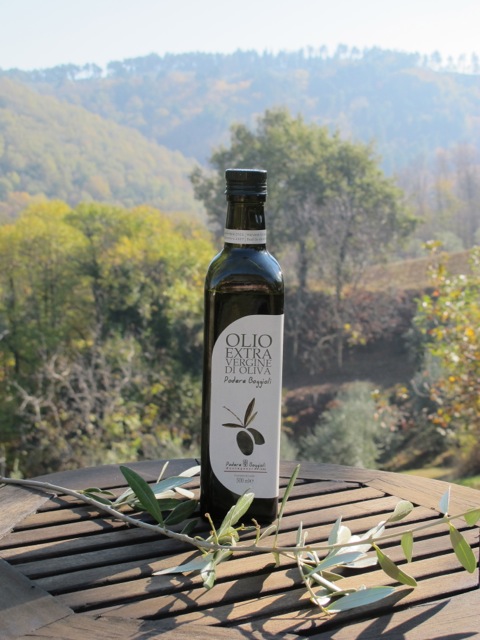
It occurs to me that, since you mention extra virgin olive oil so often in your recipes and recently extolled the virtues of the Mediterranean diet in your blog, some of your readers may like to have some pointers on how to select an olive oil of good quality.
IMG_5320

The supermarket shelves are loaded with olive oils of questionable quality, many of which may be suitable, I imagine, for frying or cooking in general. Price is certainly an important first indicator: cheap oil is, well, cheap oil – and you get what you pay for!

When taste and flavour are indispensable you have to go to the top of the range. Ideally you should know the grower and how the olives are processed. Obviously that is seldom possible, so the best alternative is to head for the more expensive olive oils on the shelf. You are more likely to find an olive oil of good or even exceptional quality in that way, especially if the label indicates that the olive oil is organic (‘biologico’ in Italian, for example) and that it is (for Italian olive oils at least) IGP or DOP, a sort of appellation controllée. This means that the olive oil has passed rigorous olfactory and chemical tests and is reliable.

Pay attention to the ‘best by’ date. This should never exceed 18-24 months after the year of production. Oils can still taste good after that date but will have gradually lost most of the characteristics beneficial to health. Also, you have no idea how the olive oil has been stored, so keep your distance from ‘old’ olive oils.

Your readers in North America would do well to consult a web site and blog run by Tom Mueller (www.truthinoliveoil.com). He gives a lot of sensible advice on a variety of oils that are available in the US especially.

I’ll be happy to answer any queries. Keep cookin’, best, Keith

This is meant as an introduction to his excellent site–which is worth a visit.
http://www.boggioli.com/

IMG_3506

Keith and Helen Richmond also offer excellent holiday accommodation on the farm.

http://www.boggioli.com/the-farm/hospitality/
 

IMG_3123

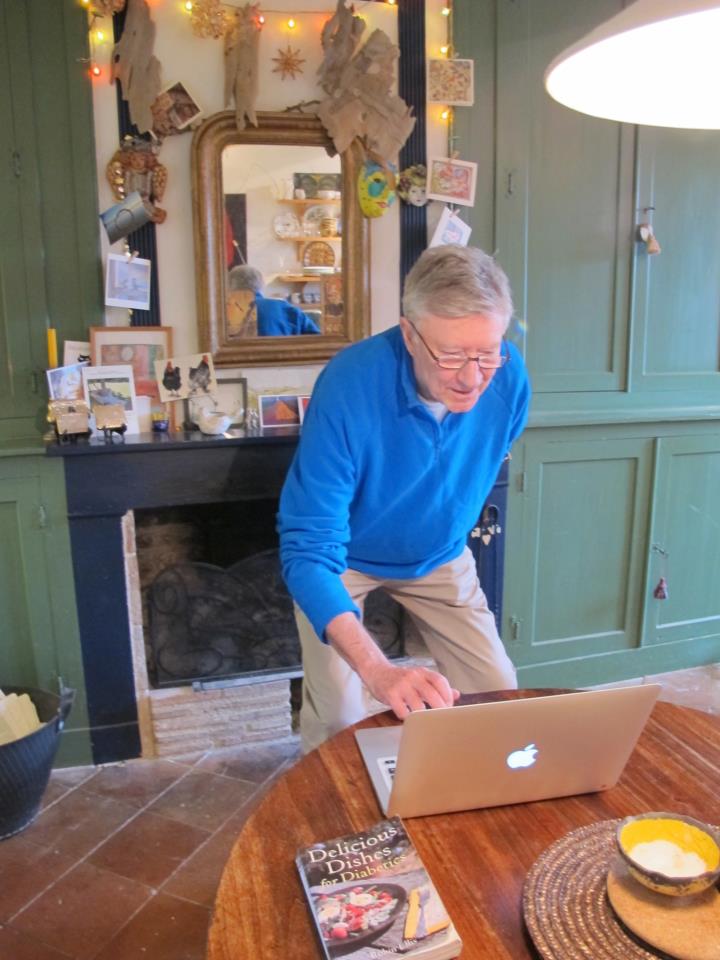
Consulting the oracle…
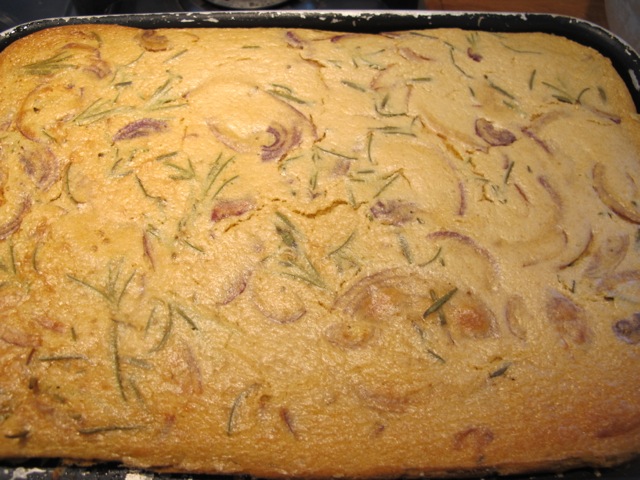
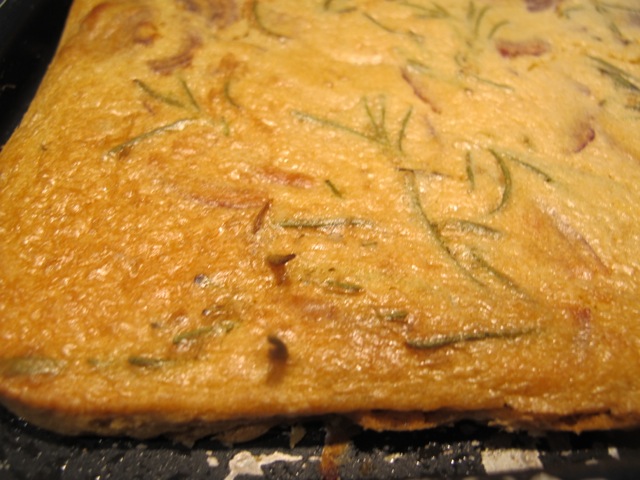
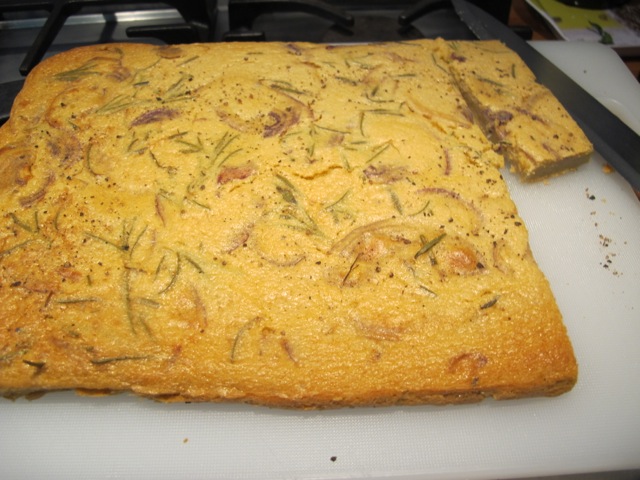
Chickpea bread

IMG_6259

This goes by a number of names and several shapes–socca, farinata di ceci, foccacia di ceci–depending where you eat it.

It’s street food eaten on the move.

There’s a recipe for it in my book, Delicious Dishes for Diabetics.

But here is a slightly different version–I’ll call it chickpea bread.

I’m going to buy some spring onions in the market tomorrow–well it is Spring though it’s difficult to credit–grill them as in A lovely mess of spring onions and spread them over the bread.

The sun is forecast tomorrow and we’ll eat it sitting down!

Joy!

1 pint/580ml sparkling water

8oz chickpea flour–(aka gram, garbonzo flour and gluten and wheat free)

1 tsp baking powder

2 tbsp olive oil

half a small red onion–sliced fine

1 tbsp rosemary spears or more

salt and pepper

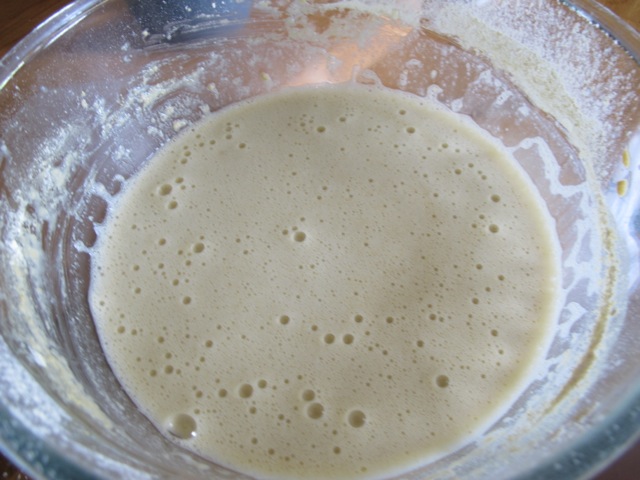
  • Pour the water into a large glass bowl.
  • Shake the flour and baking powder into the bowl through a sieve and stir it in.
  • Add the salt.
  • Add the olive oil and stir thoroughly.

IMG_6244

  • Cover the bowl and leave it to settle for a couple of hours.
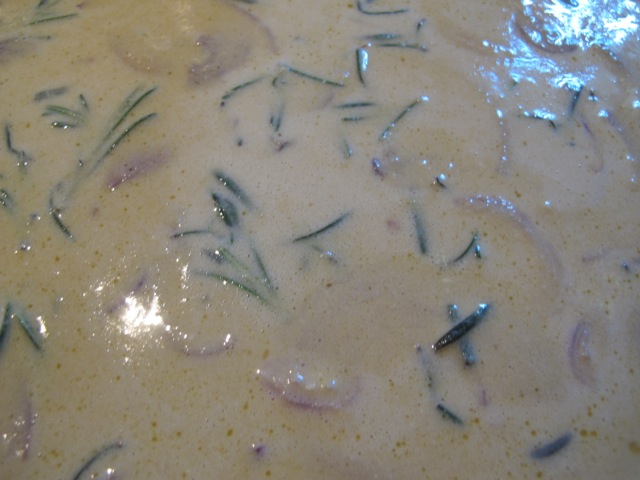
  • When you are ready to bake the “bread”, stir in the onion and the rosemary.

IMG_6256

  • Heat the oven to 200C/400F.
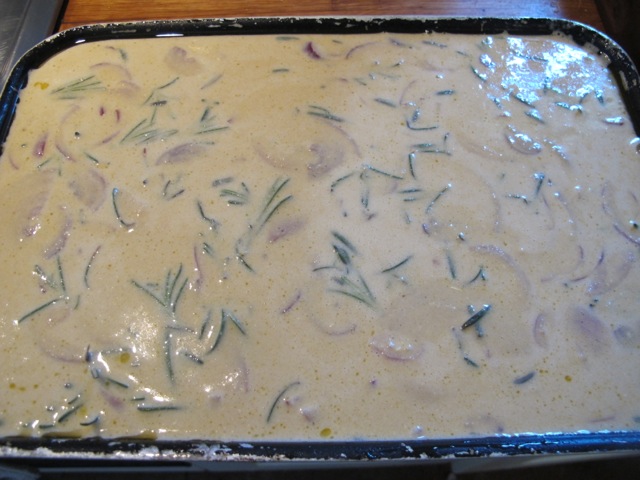
  • Oil an oven tray and pour in the contents of the bowl, taking care it doesn’t slop over the sides.

IMG_6254

  • Gingerly lift it onto the top shelf of the oven and let it cook for 35 to 40 minutes.
  • It should have browned some.

IMG_6261Ease it out of the tray onto a serving board for easier slicing

IMG_6262

and grind some pepper over it.

(Good sautéed in olive oil the next day and eaten with a simple salad or try it topped with a fried or poached egg.)

It’s unseasonably chilly outside–the northwest wind at my back lending me a helping hand on the return part of my walk today.

Meredith just checked the diary and this day last year–the 12th of May– she and our neighbor Alice collected the first honey from our hive. The bees enjoyed a couple of days working the Judas tree last week–but they’ve retreated again and who knows when they’ll be honey again for tea!

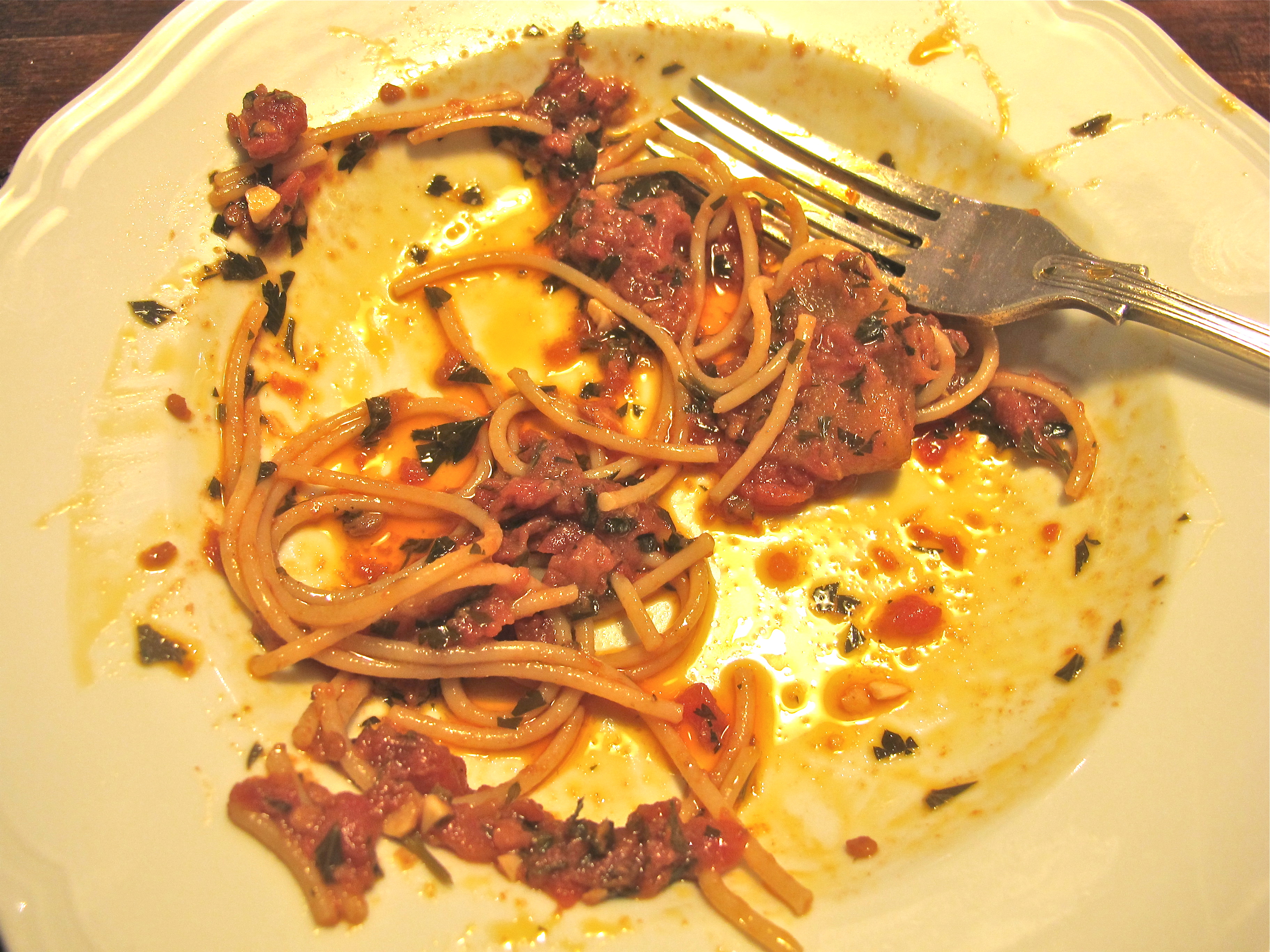
Sunday is pasta night and I feel in need of strong flavours.

Anchovy and tomato–an old favorite comes to mind.

This was first published in October 2011–but it doesn’t feel inappropriate to rerun it this May evening!

Meredith and I have eaten this a thousand times.

It is from the matchless Marcella Hazan and is probably my favourite pasta dish of all time–comfort food par excellence!

What makes it so delicious is the anchovies–controversial little fish–not to everyone’s taste.

Here they deepen the taste without dominating.

Those preserved in salt are best–they dissolve more readily than those preserved in oil–but it’s a business preparing them for cooking.

Since I was diagnosed with type 2 diabetes we have eaten wholewheat pasta and now we prefer it. It’s available on the shelves of most supermarkets these days.

How al dente it’s cooked is a matter of taste.

In Italy you’d think it was an arrestable offence to overcook pasta–they cook it very al dente and it makes for agreeably slower eating.

for 4

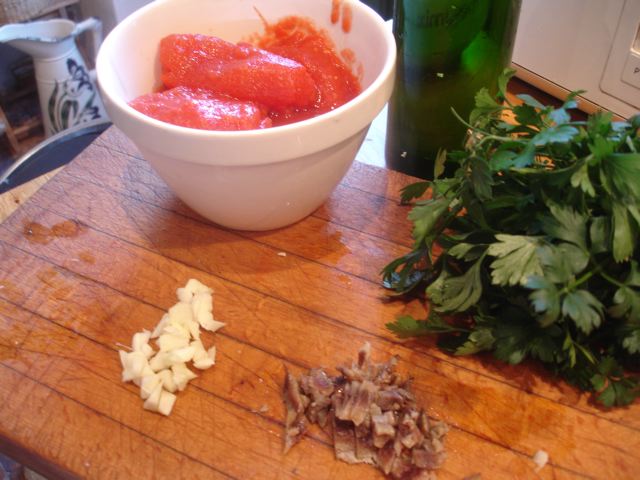
2 medium cloves garlic–chopped

6 tablespoons olive oil

anchovy fillets–chopped fine and pounded into a paste (with a mortar with a pestle if you have one)

2 good tablespoons parsley–chopped

400gm tin [can] of tomatoes–chopped with their juice

salt & pepper 

400gms wholewheat spaghettini

  • Lightly sauté the garlic in small saucepan until it colours.
  • Take the pan off the heat and add the anchovies and parsley– stirring well to dissolve them into the oil.
  • Add the tomatoes, salt and pepper.
  • Cook at a steady simmer for about 25 minutes, stirring regularly.
  • When ready, the sauce will have an unctious consistency and a little pool of oil on top.

Cook the spaghettini in plenty of well-salted boiling water.

  • Test for your preferred “doneness”.
  • Drain, put in a heated bowl and add the sauce.
  • Mix well and serve.
RobAnghorses_2

With fond memories of the late Angharad Rees

The BBC announced yesterday that Poldark is to be remade and will hit the screens in 2015–the 40th anniversary of the original showing.

Amazing news for everyone who loves a good story, for fans of the original, for Cornwall and for a whole new generation who are unaware of the rich pickin’s in Winston Graham’s saga.

His stories and characters are still being enjoyed 70 years after he wrote the first book in 1945. They still stand up–as many who contribute to this blog bear witness.

Our Winston was a master storyteller and we, the original cast, were lucky to be involved.

Mammoth Screen is the company producing the new version.

They have recently been responsible for Parade’s End and Endeavour (the prequel to Morse). Both period pieces done with a care and attention to detail that bodes well for the remake of Poldark.

Richard Morant, the first Dr. Enys, who died too young at 65 in 2011 was asked in a TV programme what made Poldark a success. He replied:

It’s about love—it’s about betrayal—the things that hurt us– the things that give us joy….Where people you know are going through their emotions, expressing their feelings of love, life and death–it evokes strong attachments, strong passion–and you love it! You love them, you love the people, you cherish them, you honour them, you respect them!”

Winston would have liked this explanation and I’m sure would have joined me in wishing Good luck to everyone involved in the new project.

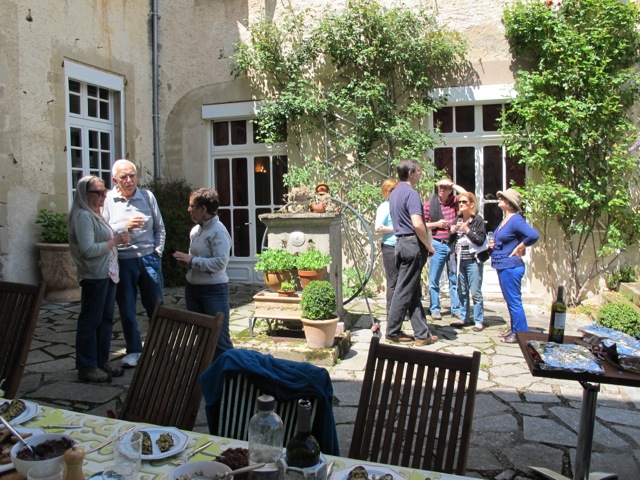
The second group of Bravehearts (participants in my cooking workshops here) are enjoying an aperitif in the sunshine, on the terrace of the magnificent and aptly named B & B, La Terrace de Lautrec.

IMG_6088

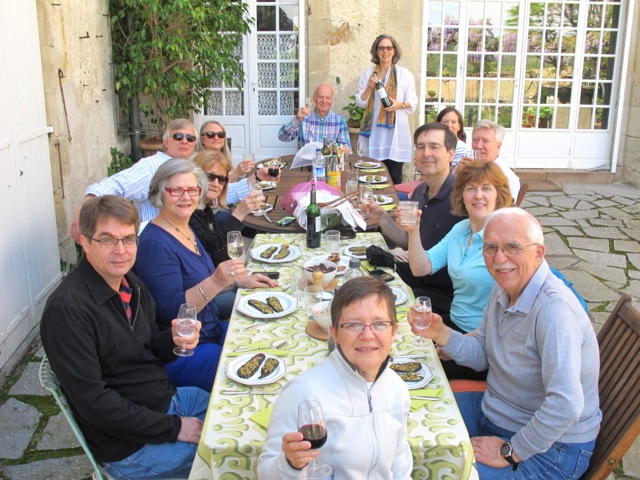
We are about to sit down to a well deserved final meal (prepared by us of course).

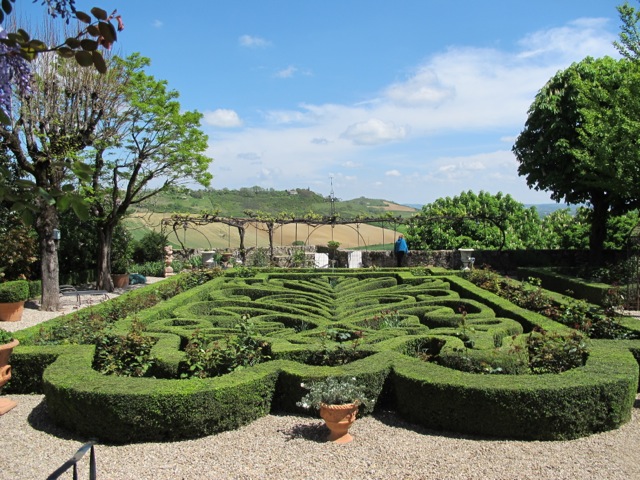
Lunch, al fresco, overlooking the historic parterre–newly-clipped and  immaculate.

IMG_6082

Suddenly we hear a ruckus from inside the house. The sound of a voice that has a familiar and unwelcome ring to me–is of a particular timbre.

Loud, angry and Scots! 

It triggers unpleasant memories and I find my overall sense of well being and satisfaction at completing a second workshop is swiftly turning into a feeling of anxiety–as I realise I am about to be nabbed!

Like the dour Scot he was back in the days of Poldark, dear old Captain McNeil never gave up the chase, it appears! His persistence (some would say his obsession) has finally paid off for him and I am cornered by a red faced redcoat on horseback!

IMG_6093

Donald Douglas as Capt. McNeil

https://www.youtube.com/watch?v=IevZBj6Yisw

Happily for all concerned, the redoubtable Captain (aka Donald Douglas), after agreeing to hang up his musket–sits down, at the head of the table and charms us all with his highland banter.

IMG_6108

IMG_6102

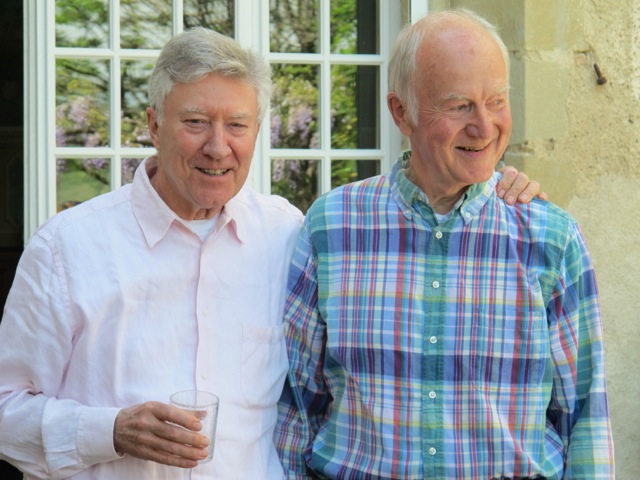
Old enemies bury the past.

Delivered!

Just after ten this morning I leaned into the kitchen table and under the keen eye of “she who records everything ” with the camera, I pressed the send button on my laptop–click.

942906_10151372235257283_892938443_n

After a longer than usual pause because of the contents of the email, we heard the familiar whoosh and off it went to Judith Mitchell my editor at Constable & Robinson in London.

947333_10151372235452283_2058358270_n

The cookbook was sent and delivered simultaneously–a miracle we now take for granted.

An hour later when I returned from the market I checked for emails and Judith had replied, already downloaded the whole book and even glanced at the introduction–I feel breathless recounting this!

Title: Healthy Eating for Life

Publication date: January 2014.

London again–briefly.

IMG_5105

Out of Spring–back into Winter–snowing when we arrived!

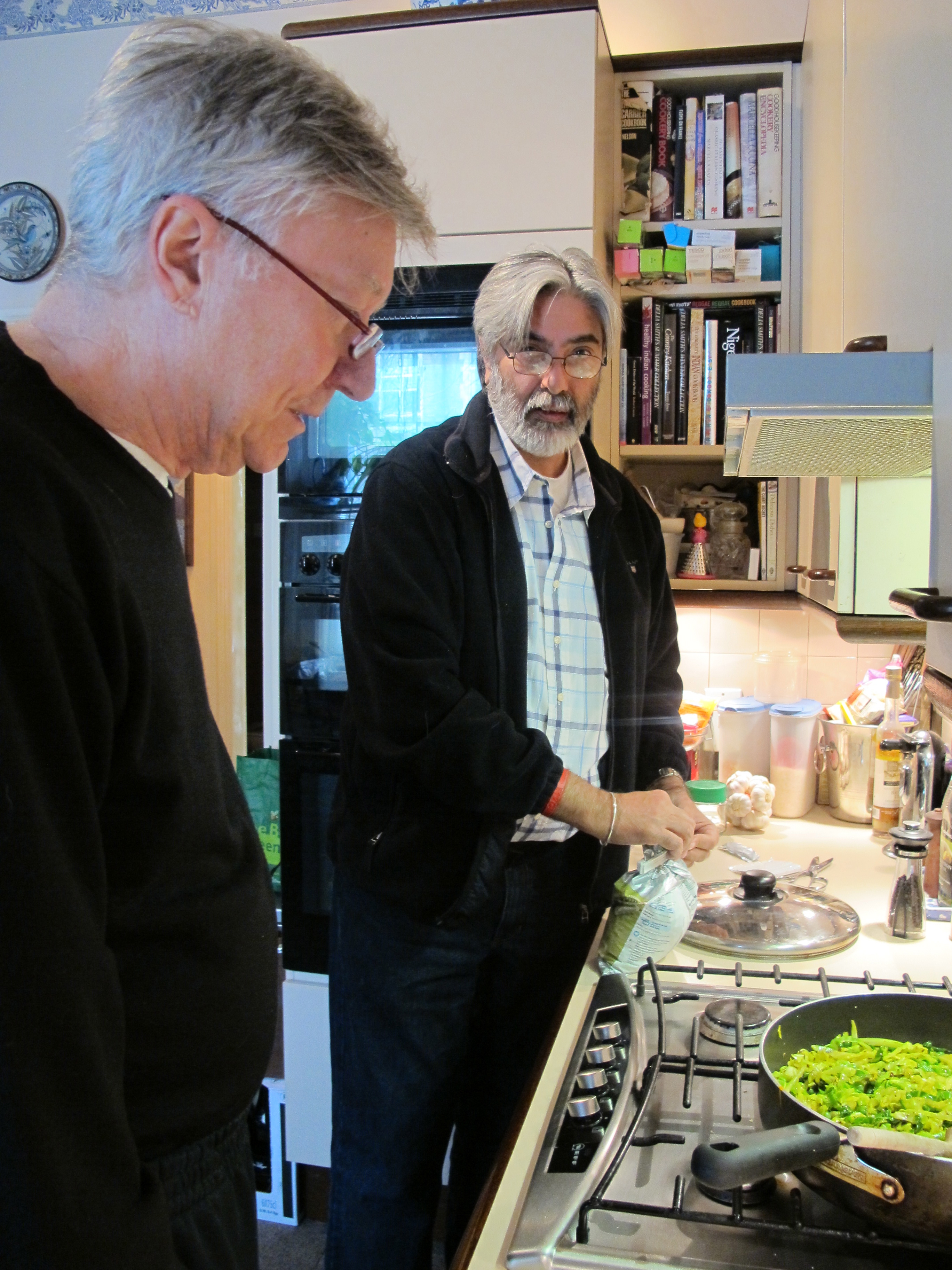
Our friend Tari–the carefree cook from Delicious Dishes–is cooking lunch and I’ve just watched him stir fry some cabbage for lunch to go with spatchcocked poussin.

IMG_5121

1 medium cabbage–outer leaves removed, quartered, de-stemmed and sliced fine

a swirl of  olive oil in the pan

1tsp cumin seeds,

1tsp turmeric

a pinch of red chili flakes

a couple of bay leaves

salt and pepper

a couple of handfuls of frozen green peas

  • He heats the oil in a large sauté pan.
  • Adds the cumin seeds and fries them briefly until  they color a little.
  • Adds the cabbage and turns it over thoroughly in the oil.
  • Adds the spices and seasons it all with salt and pepper.
  • Stir-fries over a highish heat for about five minutes–(the cabbage wilts but retains a bit of a bite!)
  • Tari says that if the heat is too low it will steam the cabbage and taste like hospital food!–and won’t pick up the little flecks of brown that add to its deliciousness–don’t burn it though!.
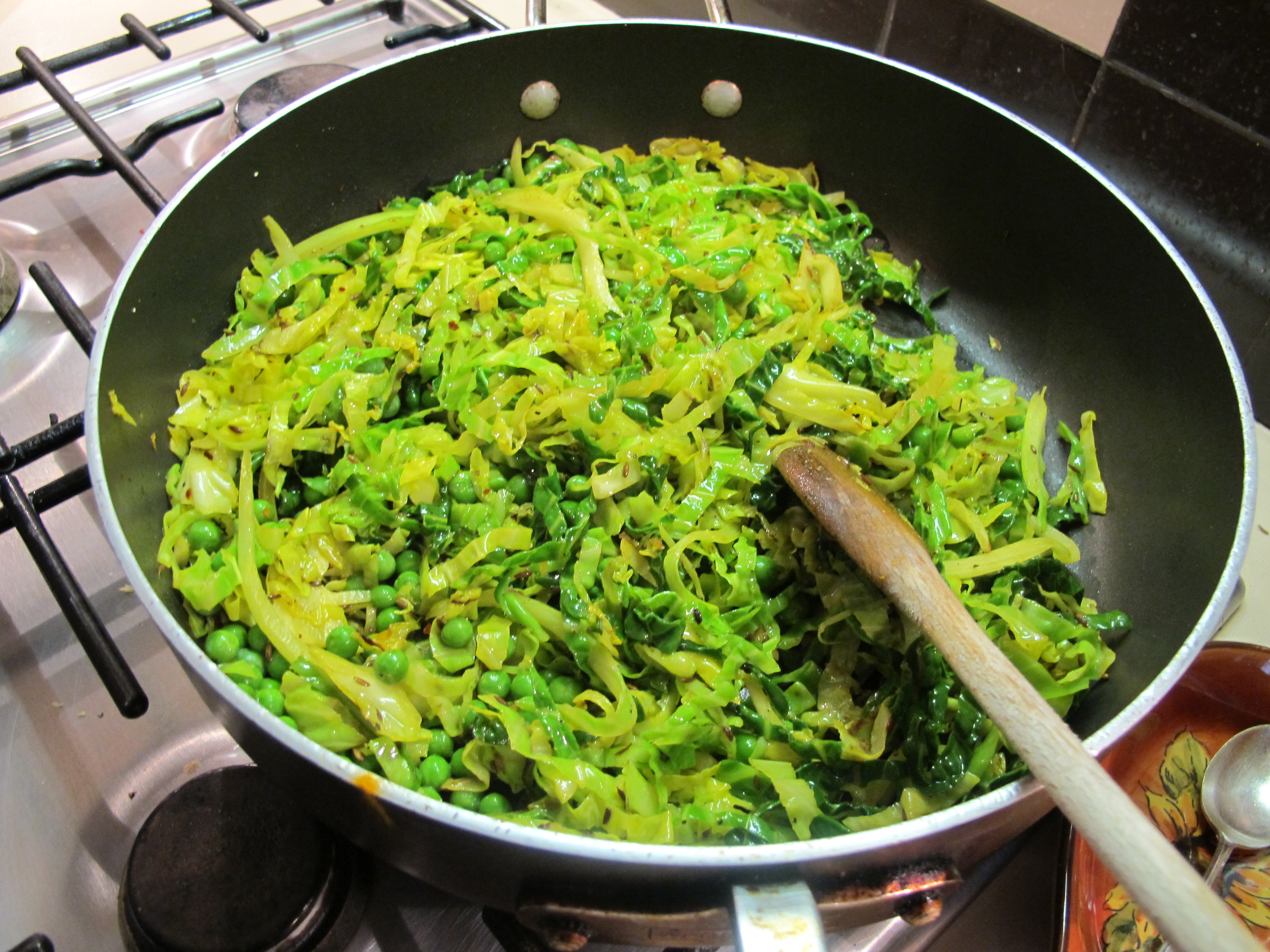
  • Then he adds the peas and turns them in and over with the cabbage.

IMG_5122

  • He likes to cook this a little ahead of time to let the flavours meld–then reheat it just before eating.
  • It looking beautifully green and I can hardly wait!

IMG_5123

IMG_3799

…to a new life an hour north of here.

They left in their “limo”, after lunch, each in his own cat box covered with a blanket to lessen their anxiety.

They were quiet all the way–well I would have been, not knowing where I was heading.

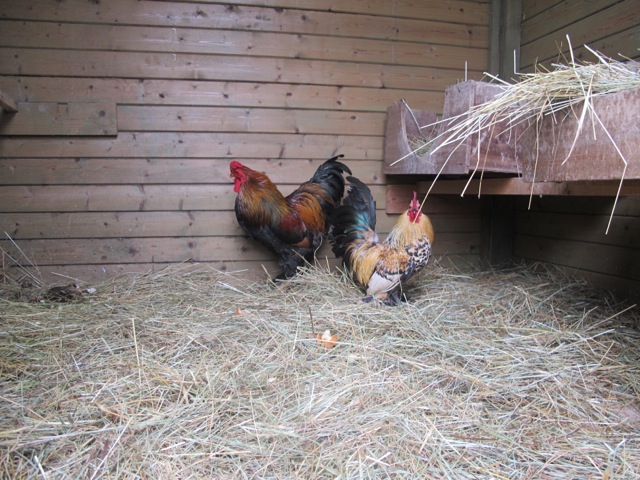
We were sad to see them go, of course; especially Chickpea, who the French would call un peu special (a little odd).

He approached all new arrivals with a sideways shuffle movement, which managed to signal “very pleased to see you” and  “watch out!” at the same time.

To us towering humans it was amusing but might have been more worrying to your average hen!

The problem was the dawn to dusk chorus of cock-a- doodle-doos which woke us up and wore us down.

Chickpea being the bolder of the two would fly up onto the courtyard wall and proceed to the back of the house to start a conversation with Claude over the rooftops.

Cock-a doodle-Claude!
Yes, I’m-Cock-a-doodle-here, Chickers!-cockle-doodle

And so on.

A bowl or two of corn & oats with crushed madelines and walnuts only stopped them for five minutes.

If we’d understood the language we would have joined in.

All I could do was issue unveiled threats like muttering, “two for the pot” or “coq au vin” as I passed by–which fell on deaf ears, usually provoking an even louder “cock-a-doodle-doo” meaning “GET LOST–SEE IF I CARE!” as a rude rejoinder.

They had to go–sadly.

Here they are in their new quarters–much grander than we could offer chez nous!

Plus a harem of hens awaiting them and beautiful open air runs.

We think they’ve “fallen into the butter dish”.

IMG_5022

“Altogether better–don’t you agree Claude?”

–and first reports seem to confirm this!

Our friend Irv in Washington D.C. put me onto this wonderfully care-free way to roast a chicken developed by America’s Test Kitchen TV programme.

It’s simple and hands-off (well, the chicken needs a hand getting into the oven but that’s about it!).

IMG_4991

1 average chicken–washed and dried

olive oil

sprigs of rosemary and thyme (if they are at hand or just one of them)

2 or 3 garlic cloves–unpeeled

1/2 (half) a lemon

salt and pepper

white wine for deglazing (scraping up the good bits!) and making the gravy

  • Choose a pan that will hold the chicken easily.
  • Turn the oven on to 450F/230C (Hot!)
  • Put the empty pan in the oven–yes, empty–no oil, nothing!
  • Dribble olive oil over the bird and using your clean hands or a brush, coat the chicken in olive oil.
  • Season the chicken well with salt and black pepper.

IMG_4990

  • Stuff the cavity with the lemon, garlic and herbs.
  • When the oven has reached its target heat, quickly take out the pan wearing oven gloves, pop the chicken on it and put the pan straight back in the oven.
  • Roast the chicken for 30 minutes.
  • Turn off the heat but DON’T open the oven door!
  • Let the bird sit cosily in the oven for a further 30 minutes–it won’t complain.Then take the pan out of the oven and cover the chicken with foil and let it settle/rest for 15-20 minutes.
  • Remove the foil and transfer the chicken to a warmed serving platter.

IMG_4992

  • Carefully spoon out excess fat in the pan–leaving the good gravy making juices behind.
  • Gingerly upend the chicken and let the remaining juices inside fall back into the cooking pan.
  • Deglaze the pan with the white wine on a lowish heat–stirring as the alcohol evaporates.
  • Pour this gravy into a heated gravy boat or jug.

And there you have it–Irv’s simple carefree way to roast a chicken.
Ready for carving…

IMG_4997_2and eating!

IMG_5008

I originally published this recipe in early April last year. Yesterday Meredith bought some good looking spinach in Castres market and today a couple of salmon filets caught my eye in Realmont market. Voila! I thought–lunch!

IMG_4922

A shy salmon fillet taking a peek at the world!–today’s version.

I am at the cookbook coal face at the moment, finishing a second book. Finding time to post on this blog is a challenge.

Je m’excuse tout le monde! 

This dish is adapted from a recipe in Simon Hopkinson’s The Good Cook.

He uses butter and vermouth. I use olive oil and white wine–fits in better with my way of eating.

The single pot and the short cooking time make it a useful quick lunch.

for two.

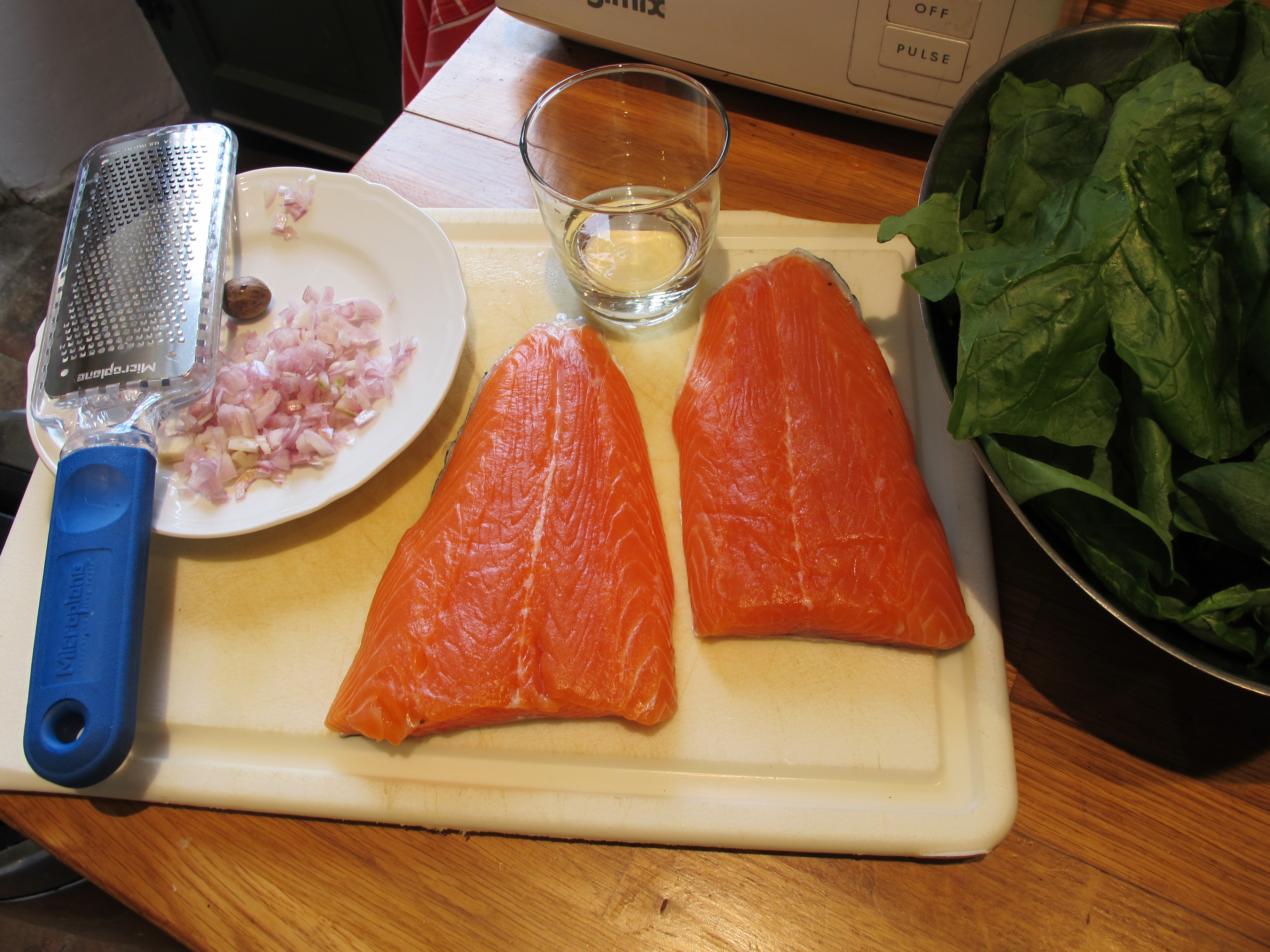
2 salmon fillets–skin left on

1 shallot–chopped fine

300gms/10oz spinach–washed, de-spined and spun free of water

2 tablespoons olive oil

2 tablespoons white wine

a grating of nutmeg

salt and pepper

  • Heat a tablespoon of oil in a pot with a top.
  • Sauté the shallot for a couple of minutes to soften it.
  • Add the wine and leave it to bubble a moment or two.
  • Lay a third of the spinach in the pan and place the salmon fillets over it.
  • Sprinkle over some salt and pepper and a grating of nutmeg.
  • Cover the salmon with the rest of the spinach.
  • Scatter the remaining tablespoon of oil over the spinach and cover the pan.
  • Cook for seven minutes over a low heat.
  • Turn the heat off and leave the pan covered for ten minutes before serving.
  • These timings can vary depending on the thickness of the salmon fillets.

Less rich than the original might have been, but we enjoyed it.