Feeds:
Posts
Comments

Archive for the ‘Diabetes’ Category

ginger-getty-590tm-220811

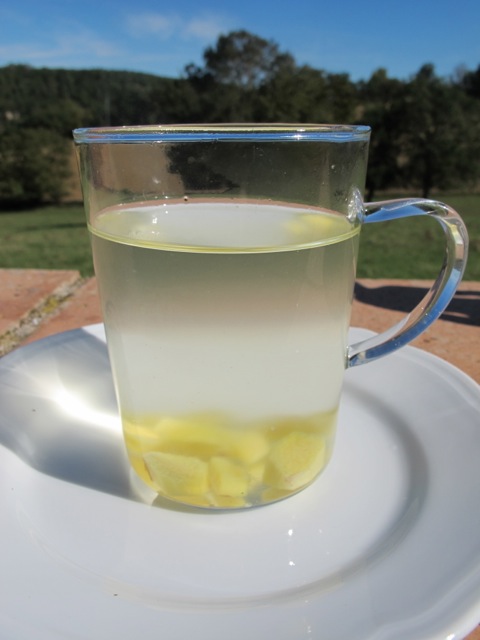
Meredith sat by the log fire last night, sipping a cup of ginger tea* wrapped in woolly jumpers and a blanket.

(*Peel and chop a small knob of ginger, put it in a cup or mug and fill the container with hot water. Let it infuse for a short time.)
IMG_9464

She is developing a cold–no doubt about it!

Today’s she’s in bed.

I bought more ginger this morning and there’ll be chicken broth “on tap”.

Ginger infused in hot water–just that–is delicious and good for relieving the symptoms of colds.

It can also has beneficial effects for people with diabetes.

The British Diabetic Association (Diabetes UK) recently published a piece extolling the virtues of ginger and its uses in connection with the condition:

Ginger can help with glycemic control, insulin secretion and cataract protection

Glycemic control

A study published in the August 2012 edition of the natural product journal Planta Medica suggested that ginger may improve long-term blood sugar control for people with type 2 diabetes.

Researchers from the University of Sydney, Australia, found that extracts from Buderim Ginger (Australian grown ginger) rich in gingerols – the major active component of ginger rhizome – can increase uptake of glucose into muscle cells without using insulin, and may therefore assist in the management of high blood sugar levels.

Insulin secretion

In the December 2009 issue of the European Journal of Pharmacology, researchers reported that two different ginger extracts, spissum and an oily extract, interact with serotonin receptors to reveres their effect on insulin secretion.

Treatment with the extracts led to a 35 per cent drop in blood glucose levels and a 10 per cent increase in plasma insulin levels.

Cataract protection

A study published in the August 2010 edition of Molecular Vision revealed that a small daily dose of ginger helped delay the onset and progression of cataracts – one of the sight-related complications of long-term diabetes – in diabetic rats.

It’s also worth noting that ginger has a very low glycemic index (GI). Low GI foods break down slowly to form glucose and therefore do not trigger a spike in blood sugar levels as high GI foods do.

Other health benefits

Ginger has been used as an herbal therapy in Chinese, Indian, and Arabic medicine for centuries to aid digestion, combat the common cold and relieve pain.

Its powerful anti-inflammatory substances, gingerols, make it an effective pain reliever and it is commonly used to reduce pain and swelling in patients with arthritis and those suffering from other inflammation and muscle complaints.

In fact, ginger is said to be just as effective as nonsteroidal anti-inflammatory drugs, but without the gastro-intestinal side effects.

Other medical uses of ginger include treatment of:

  • Bronchitis

  • Heartburn

  • Menstrual pain

  • Nausea and vomiting

  • Upset stomach

  • Diarrhoea

  • Upper respiratory tract infections (URTI)

Update a day later:

The patient announces she slept better and would like some chicken broth and two eggs scrambled on toast for lunch followed by another infusion of GINGER.

“With pleasure, Madam!”
Read Full Post »

This salad featured regularly at summer lunches, B.D. (Before Diagnosis!)

Back then I made it with roughly torn pieces of stale white ciabbata bread and sun-sweet tomatoes bursting with juice, assembled an hour or so before eating, dressed and turned over to let the juices do their work melding the oil and garlic and softening the bread.

It then sat, covered, ready for a proud presentation–convenient, as well as delicious.

But when white bread got the boot I was put off making it.

This week I remembered a version I’d had at La Famiglia (favourite Italian restaurant in London) years ago, made with neatly cut smaller pieces of bread that had been fried in olive oil. At the time I was disdainful of its inauthenticity (pompous thought!).

Reminded of how much I missed it, I tried it with a few neat pieces of the 100% organic rye bread I have for breakfast, dribbled with olive oil and browned in the oven for a few minutes.

It got the nod at lunch!

IMG_9011

Though Meredith insists this is not worth doing with less than ripe tomatoes–je suis d”accord.

It’s a late summer salad–handy if you have a tomato glut.

for 2/3

3 slices of rye/ wholewheat bread–cut into small pieces

1 tbsp olive oil for tossing the bread in

1 lb ripe, sweet, delicious tomatoes–peeled and roughly chopped with their juice

half a cucumber–peeled and seeded and cut into four pieces

IMG_9067

1 fat garlic clove

2 tbsp red wine vinegar

6 tbsp olive oil

salt and pepper

a handful of parsley–chopped

Turn on the oven to 220C/430F

Toss the bread pieces in a tablespoon of olive oil and spread them on a small oven tray and put it in oven as it heats up.

Check after ten minutes to see if the pieces have browned a little.

If so, take them out and let them rest or if not, cook on a few moments more.

IMG_9061

Slice the peeled garlic clove as thin as you can.

IMG_9060

Then add them to the bread.

IMG_9062

Pile on the tomatoes and their precious juice.

IMG_9066

Then the cucumber, in chunks…

IMG_9069

Whisk together the oil, vinegar, salt and pepper and pour the dressing over the salad.

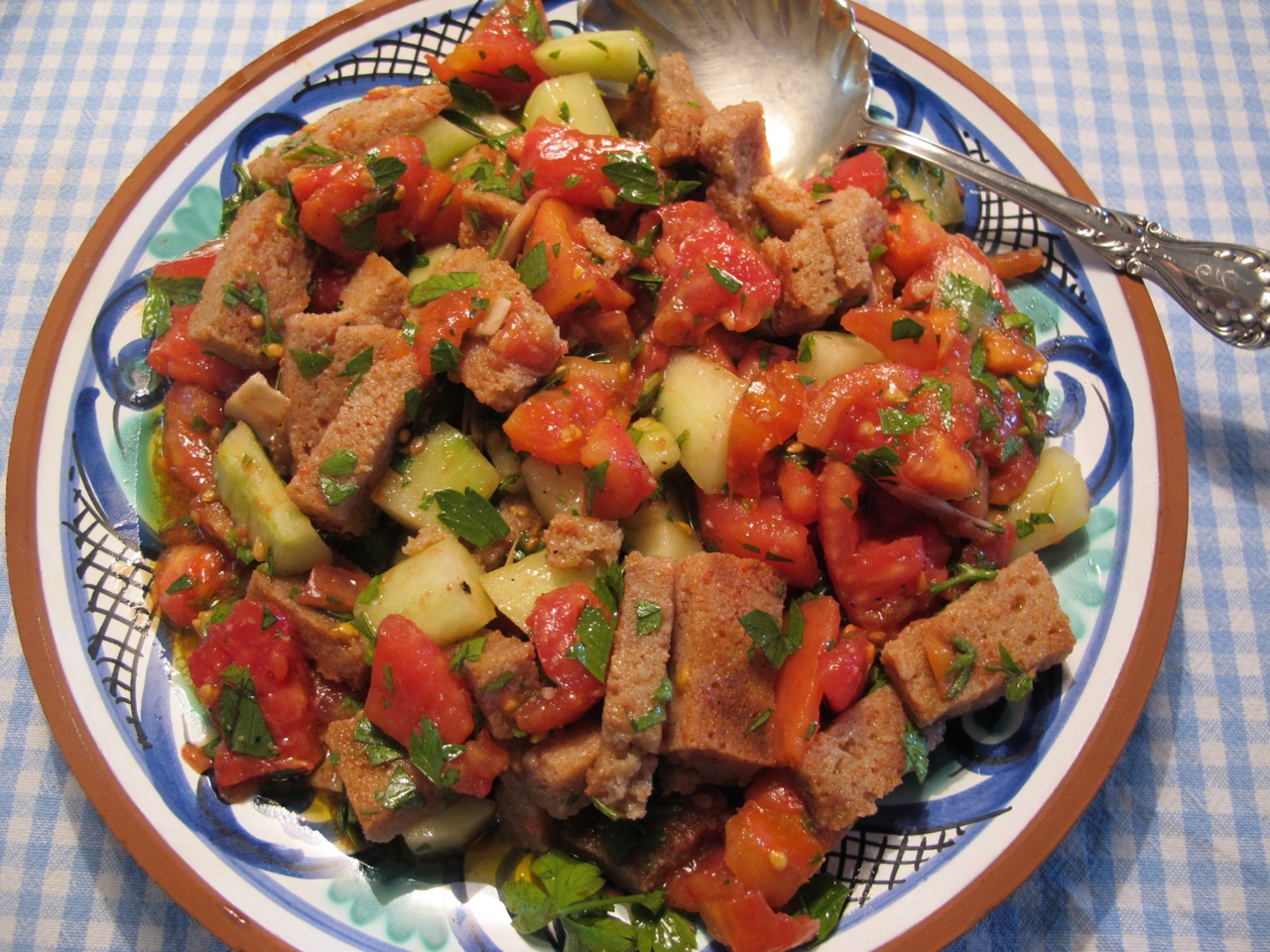
Having dutifully “followed my own instructions” I realised the plate I’d been assembling the salad on, though it looked good, was too small on which to turn the salad over comfortably!
So I slid it into a mixing bowl, turned it over thoroughly and then carefully back onto the plate. (An exercise a sensible forward-thinking person can avoid!)

Finished by sprinkling over with chopped parsley.

Read Full Post »

Time to “festival”!

IMG_7978

Here for a week in Edinburgh.

IMG_8011

First festival visit for nearly a quarter of a century–hard to believe how quickly the time flies.

We have achieved a modest total–for festival goers–of five plays, a variety show, a stand-up comedian, an art exhibit on the subject of witches and a talk by a lobby correspondent dishing the dirt on politicians, so far.

Meredith can count a visit to the book fair, a visit to the jazz club and ride on the bumper cars on top…

IMG_7990

…while I was taking 24 hours to go to London to be the studio guest on SATURDAY LIVE on BBC Radio 4.

Click below to listen to the programme (just until the end of the week!).

http://www.bbc.co.uk/programmes/b0381fm9

p.s. Oh yes and a whisky tasting too!

IMG_7930

With our host, Steve, at the Scottish Malt Whisky Society Tasting Bar

Read Full Post »

diabetes_gymnema1

This World Health Organisation report came out three years ago but is still relevant and contains information and explanations on Diabetes that are handy to have accessible at a simple click.

The italics and colouring are mine!

August 2011

Key facts:

  • 346 million people worldwide have diabetes.
  • In 2004, an estimated 3.4 million people died from consequences of high blood sugar.
  • More than 80% of diabetes deaths occur in low- and middle-income countries.
  • WHO projects that diabetes deaths will double between 2005 and 2030.
  • Healthy diet, regular physical activity, maintaining a normal body weight and avoiding tobacco use can prevent or delay the onset of type 2 diabetes.

What is diabetes?

Diabetes is a chronic disease that occurs either (Type 1): when the pancreas does not produce enough insulin or (Type 2) when the body cannot effectively use the insulin it produces.

Insulin is a hormone that regulates blood sugar.

Hyperglycaemia, or raised blood sugar, is a common effect of uncontrolled diabetes and over time leads to serious damage to many of the body’s systems, especially the nerves and blood vessels.

(Hypoglycaemia [not from the report] dangerously low blood sugar that can lead to coma. My mother had regular scares. She carried sugar cubes in her handbag taking them to stabilize her when she felt an attack coming on.  Occasionally it would happen when she was asleep in the middle of the night. Miraculously each time my father woke up instinctively and called an ambulance.)

Type 2 diabetes

Type 2 diabetes (formerly called non-insulin-dependent or adult-onset) results from the body’s ineffective use of insulin. Type 2 diabetes comprises 90% of people with diabetes around the world, and is largely the result of excess body weight and physical inactivity.

Symptoms may be similar to those of Type 1 diabetes, but are often less marked. As a result, the disease may be diagnosed several years after onset, once complications have already arisen.

Until recently, this type of diabetes was seen only in adults but it is now also occurring in children.

Impaired glucose tolerance (IGT) and impaired fasting glycaemia (IFG)

Impaired glucose tolerance (IGT) and impaired fasting glycaemia (IFG) are intermediate conditions in the transition between normality and diabetes. People with IGT or IFG are at high risk of progressing to type 2 diabetes, although this is not inevitable.

What are common consequences of diabetes?

Over time, diabetes can damage the heart, blood vessels, eyes, kidneys, and nerves.

  • Diabetes increases the risk of heart disease and stroke. 50% of people with diabetes die of cardiovascular disease (primarily heart disease and stroke).
  • Combined with reduced blood flow, neuropathy in the feet increases the chance of foot ulcers and eventual limb amputation.
  • Diabetic retinopathy is an important cause of blindness, and occurs as a result of long-term accumulated damage to the small blood vessels in the retina. After 15 years of diabetes, approximately 2% of people become blind, and about 10% develop severe visual impairment.
  • Diabetes is among the leading causes of kidney failure. 10-20% of people with diabetes die of kidney failure.
  • Diabetic neuropathy is damage to the nerves as a result of diabetes, and affects up to 50% of people with diabetes. Although many different problems can occur as a result of diabetic neuropathy, common symptoms are tingling, pain, numbness, or weakness in the feet and hands.
  • The overall risk of dying among people with diabetes is at least double the risk of their peers without diabetes.

What is the economic impact of diabetes?

Diabetes and its complications have a significant economic impact on individuals, families, health systems and countries. For example, WHO estimates that in the period 2006-2015, China will lose $558 billion in foregone national income due to heart disease, stroke and diabetes alone.

How can the burden of diabetes be reduced?

Prevention

Simple lifestyle measures have been shown to be effective in preventing or delaying the onset of type 2 diabetes. To help prevent type 2 diabetes and its complications, people should:

  • achieve and maintain healthy body weight;
  • be physically active – at least 30 minutes of regular, moderate-intensity activity on most days. More activity is required for weight control;
  • eat a healthy diet of between three and five servings of fruit and vegetables a day and reduce sugar and saturated fats intake;
  • avoid tobacco use – smoking increases the risk of cardiovascular diseases.

Diagnosis and treatment

Early diagnosis can be accomplished through relatively inexpensive blood testing.

Treatment of diabetes involves lowering blood glucose and the levels of other known risk factors that damage blood vessels. Tobacco use cessation is also important to avoid complications.

Interventions that are both cost saving and feasible in developing countries include:

  • moderate blood glucose control. People with type 1 diabetes require insulin; people with type 2 diabetes can be treated with oral medication. [A single 30mg pill in my case] but may also require insulin;
  • blood pressure control; [every three months in my case]
  • foot care. [I visit my chiropodist, Cyril every three months!]

Other cost saving interventions include:

  • screening and treatment for retinopathy (which causes blindness); [Once a year in my case].
  • blood lipid control (to regulate cholesterol levels); [once or twice a year this is included in my three monthly blood tests].  
  • screening for early signs of diabetes-related kidney disease. [once a year].

These measures should be supported by a healthy diet, regular physical activity, maintaining a normal body weight and avoiding tobacco use.

WHO activities to prevent and control diabetes.

The WHO Global strategy on diet, physical activity and health complements WHO’s diabetes work by focusing on population-wide approaches to promote healthy diet and regular physical activity, thereby reducing the growing global problem of overweight and obesity.

For more information, please contact:

WHO Media centre
Telephone: +41 22 791 2222
E-mail: mediainquiries@who.int

Read Full Post »

The UK’s Home Secretary, Theresa May, has revealed that she was recently diagnosed with Type 1 Diabetes.

08-theresa-may-gt

It was a real shock and, yes, it took me a while to come to terms with it,” she said. “It started last November. I’d had a bad cold and cough for quite a few weeks. I went to my GP and she did a blood test which showed I’d got a very high sugar level – that’s what revealed the diabetes.

“The symptoms are tiredness, drinking a lot of water, losing weight, but it’s difficult to isolate things. I was drinking a lot of water. But I do anyway. There was weight loss but then I was already making an effort to be careful about diet and to get my gym sessions in.”

The Home Secretary says she has been told that she will have to inject herself with insulin twice a day for the rest of her life–but she has no fear of needles and intends to carry on in her Cabinet post.

Mrs May’s determination to get on with her life reminds me of my mother, Molly Ellis.

the-ellis

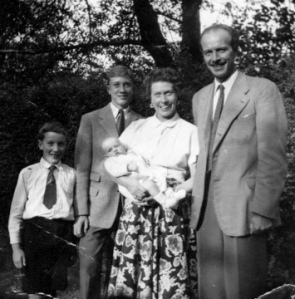
June 1955. Brother Jack in Molly’s arms. Her doctors overcame their doubts about letting her proceed with the pregnancy despite being a Type 1 diabetic.

Molly was diagnosed with Type 1 aged 38 in 1953.

She too injected herself twice a day for the rest of her life.

Eventually she died of a sudden heart attack linked to her condition–but she made it to 67–almost 30 years with Type 1 diabetes–and in those days treatment was not as advanced as it is now.

Molly was not a professional politician–and the cabinet she loved best was hanging in a corner! But she carried on leading a full life, running the household and raising three boys.

The last six years of her life were spent in a Buckinghamshire village called Brill–not too far from Oxford. She and Dad retired there from London. They threw themselves into village life and were much appreciated for it.

I’d wager that not many in the village, apart from her doctor,  John Spence, knew she was diabetic–and few would have understood what it meant.

ma3img_0044_2

Molly relaxing in Brill–after preparing lunch I’d guess!

She never liked to make a fuss.

Her heart attack happened one morning as she was finishing dressing to go shopping. Her heart finally gave up after years of struggle.

Her gift to me was an understanding of how damaging diabetes can be if ignored. When I received my diagnosis of Type 2 diabetes in my mid-fifties, I took it seriously, thanks to witnessing my mother’s journey.

There’s still a shocking ignorance surrounding the condition.

Theresa May’s high profile and very public admission that she is Type 1 helps focus attention on and heighten awareness of this ruthless and insidious menace.

Read Full Post »

diabetes_gymnema1
Short walks after meals–15 minutes (’round the block’)–help with digestion and lowering sugar levels.
So says Diabetics UK, reporting on a study carried out at George Washington University. It found these walks particularly beneficial to older adults at a high risk of developing Type 2 Diabetes.
The report recommends a walk after every meal–i.e. three a day–ambitious!
Nonetheless we took the hint and made a start.
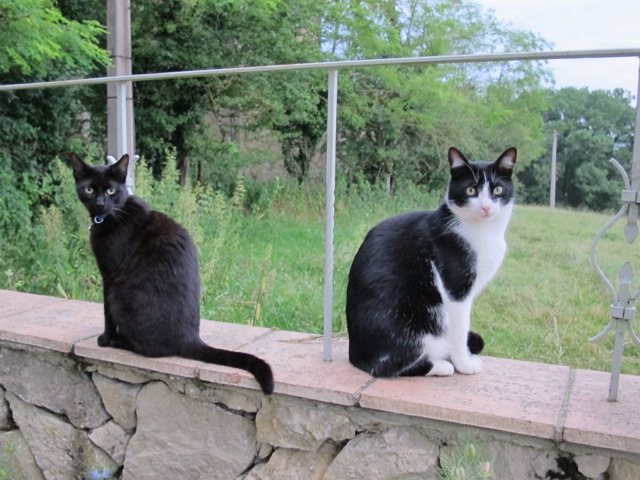
We set out on a short walk with the two “rascals”,  Beau and Benafter supper

though with is pushing it a bit….
IMG_7345
 (A post-prandial it used to be called when I was growing up.)
IMG_3721
After a bouncy start Beau developed a lumpen plod, tail down “wish I hadn’t come on this stupid walk” attitude, like a recalcitrant teenager–every step taken under protest.
Ben played the game and entertained with moments of sleek black speed running–effortless elegance.
They both made it to the turn-around point–the entrance to our neighbors’ property–and were visibly bucked when they clocked that the return journey was downhill all the way.
OK not so bad this post prandialating!
The next night we took a different route.
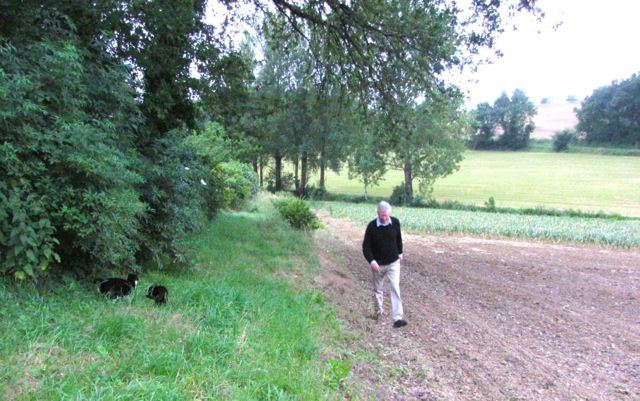
Down the field opposite–late sunflower plants just breaking the surface and garlic high–about to be harvested.
Both cats were happier with the new downward trajectory.
IMG_3718
They reached the stream at the bottom of the field in leaps and bounds–downhill racers.
Then a right turn, following the line of the stream towards the road–on the flat. Oh so happy cats!
OK not so bad this post prandialating!
Ben on safari stalking through the garlic shoots–Beau rear–guarding, not sure what the game is.
IMG_3738
Then they hit the road again–going uphill.
Oh dear–what goes down has to climb up–end of frolic–might give it a miss tomorrow–all very well this post prandialating; might be good for those old folks….
Well the old folks are profiting nicely from these short perambulations–thanks very much my beauties. Sleeping more deeply for one thing!
Last night the rascals made an appearance in the driveway as we set off, but it’s clear that their reluctance to go the distance is growing in the same proportion as our enthusiasm for it.
Beau was lying in the road waiting for us as we came back and Ben was doing mini streaks along the cemetery wall.
Each to their own!

Read Full Post »

London again–briefly.

IMG_5105

Out of Spring–back into Winter–snowing when we arrived!

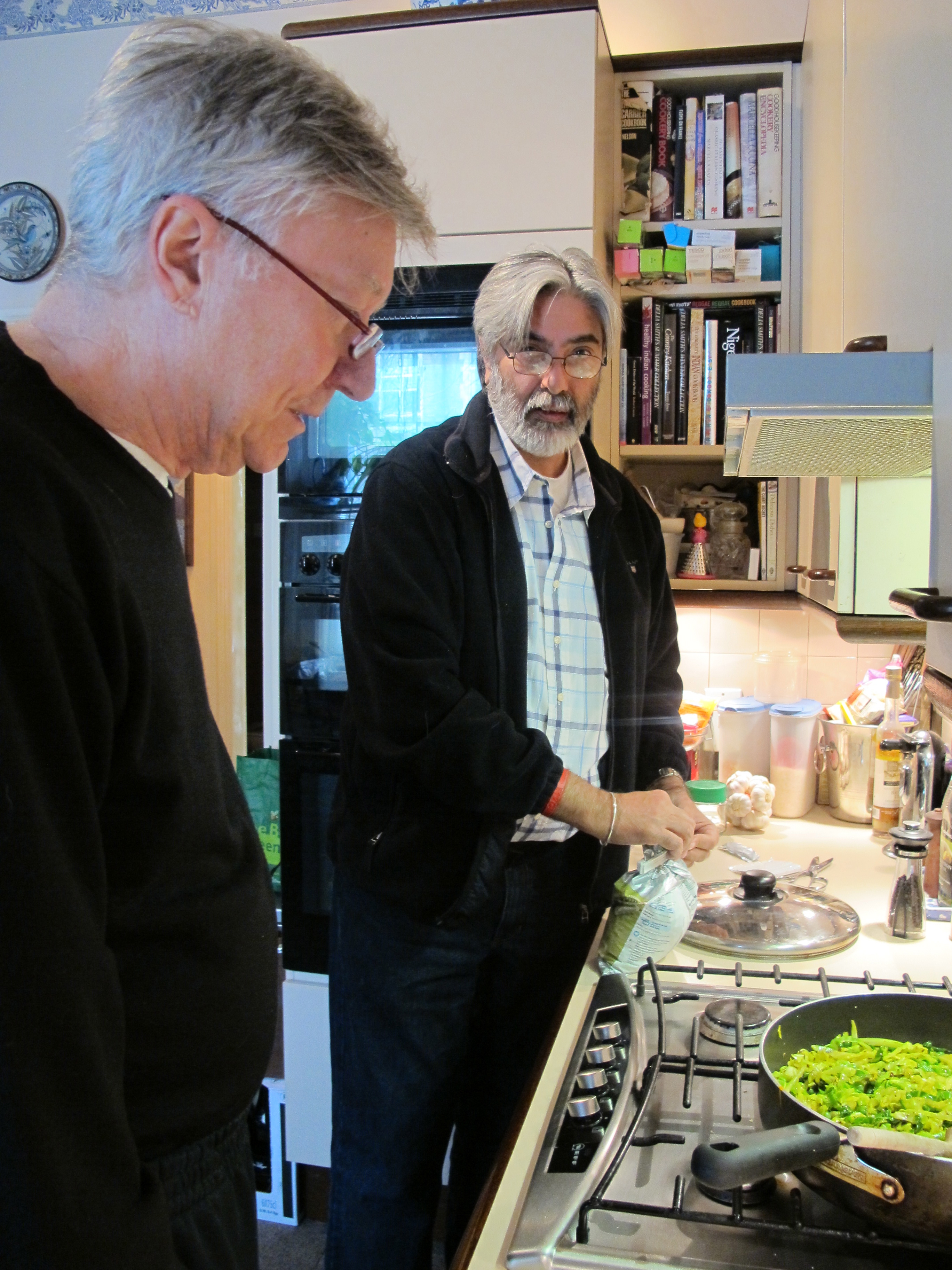
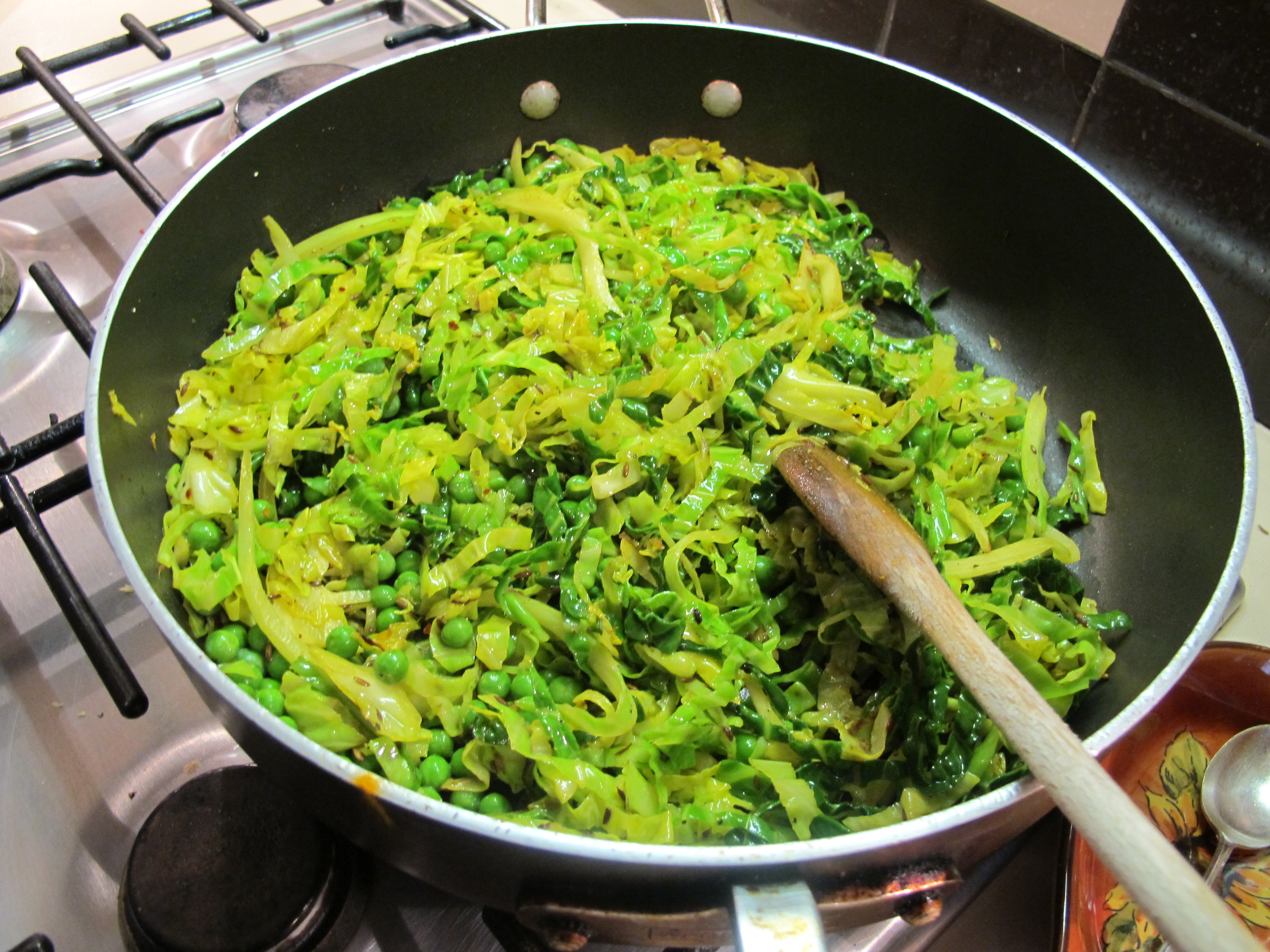
Our friend Tari–the carefree cook from Delicious Dishes–is cooking lunch and I’ve just watched him stir fry some cabbage for lunch to go with spatchcocked poussin.

IMG_5121

1 medium cabbage–outer leaves removed, quartered, de-stemmed and sliced fine

a swirl of  olive oil in the pan

1tsp cumin seeds,

1tsp turmeric

a pinch of red chili flakes

a couple of bay leaves

salt and pepper

a couple of handfuls of frozen green peas

  • He heats the oil in a large sauté pan.
  • Adds the cumin seeds and fries them briefly until  they color a little.
  • Adds the cabbage and turns it over thoroughly in the oil.
  • Adds the spices and seasons it all with salt and pepper.
  • Stir-fries over a highish heat for about five minutes–(the cabbage wilts but retains a bit of a bite!)
  • Tari says that if the heat is too low it will steam the cabbage and taste like hospital food!–and won’t pick up the little flecks of brown that add to its deliciousness–don’t burn it though!.
  • Then he adds the peas and turns them in and over with the cabbage.

IMG_5122

  • He likes to cook this a little ahead of time to let the flavours meld–then reheat it just before eating.
  • It looking beautifully green and I can hardly wait!

IMG_5123

Read Full Post »

I originally published this recipe in early April last year. Yesterday Meredith bought some good looking spinach in Castres market and today a couple of salmon filets caught my eye in Realmont market. Voila! I thought–lunch!

IMG_4922

A shy salmon fillet taking a peek at the world!–today’s version.

I am at the cookbook coal face at the moment, finishing a second book. Finding time to post on this blog is a challenge.

Je m’excuse tout le monde! 

This dish is adapted from a recipe in Simon Hopkinson’s The Good Cook.

He uses butter and vermouth. I use olive oil and white wine–fits in better with my way of eating.

The single pot and the short cooking time make it a useful quick lunch.

for two.

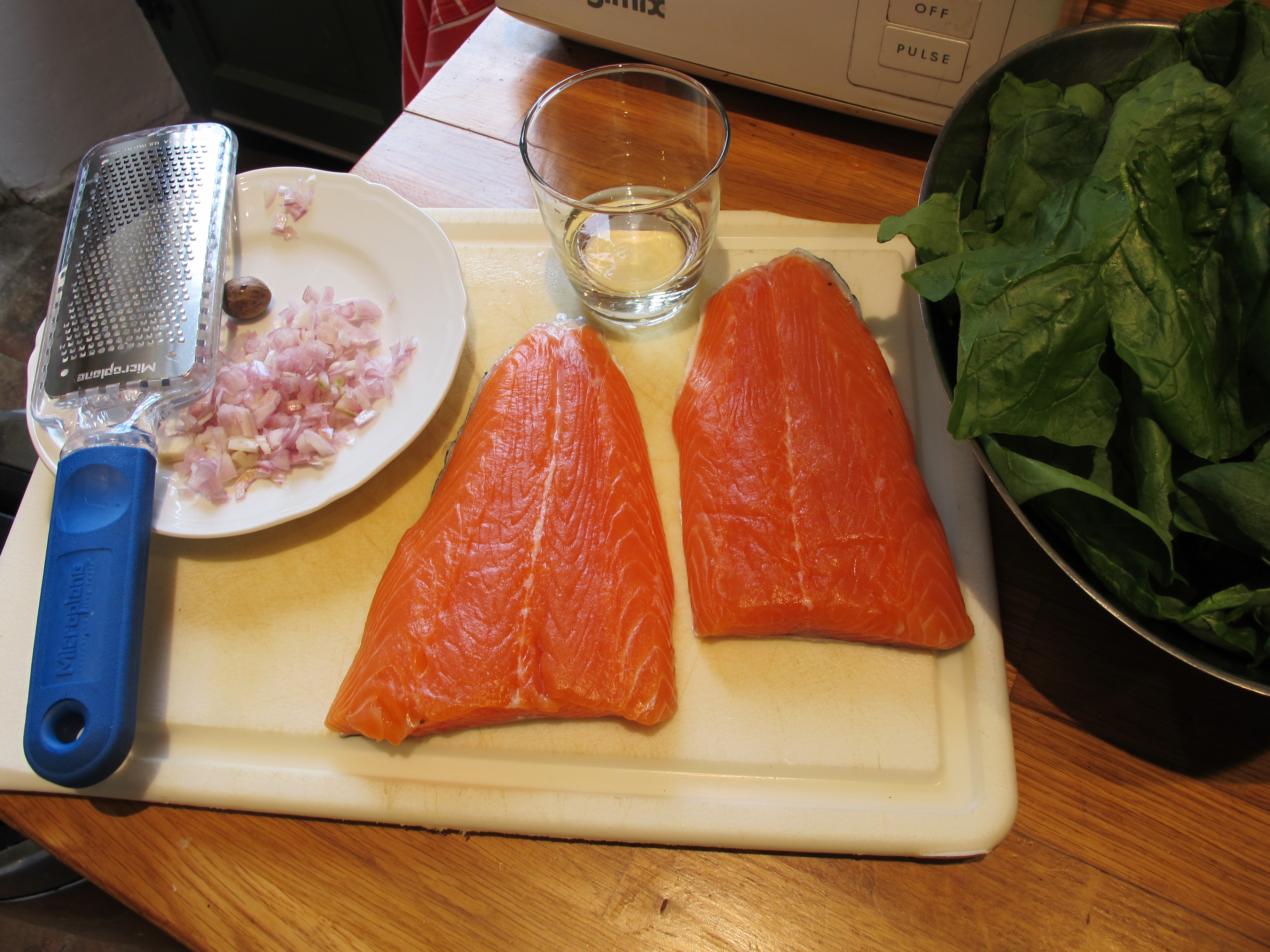
2 salmon fillets–skin left on

1 shallot–chopped fine

300gms/10oz spinach–washed, de-spined and spun free of water

2 tablespoons olive oil

2 tablespoons white wine

a grating of nutmeg

salt and pepper

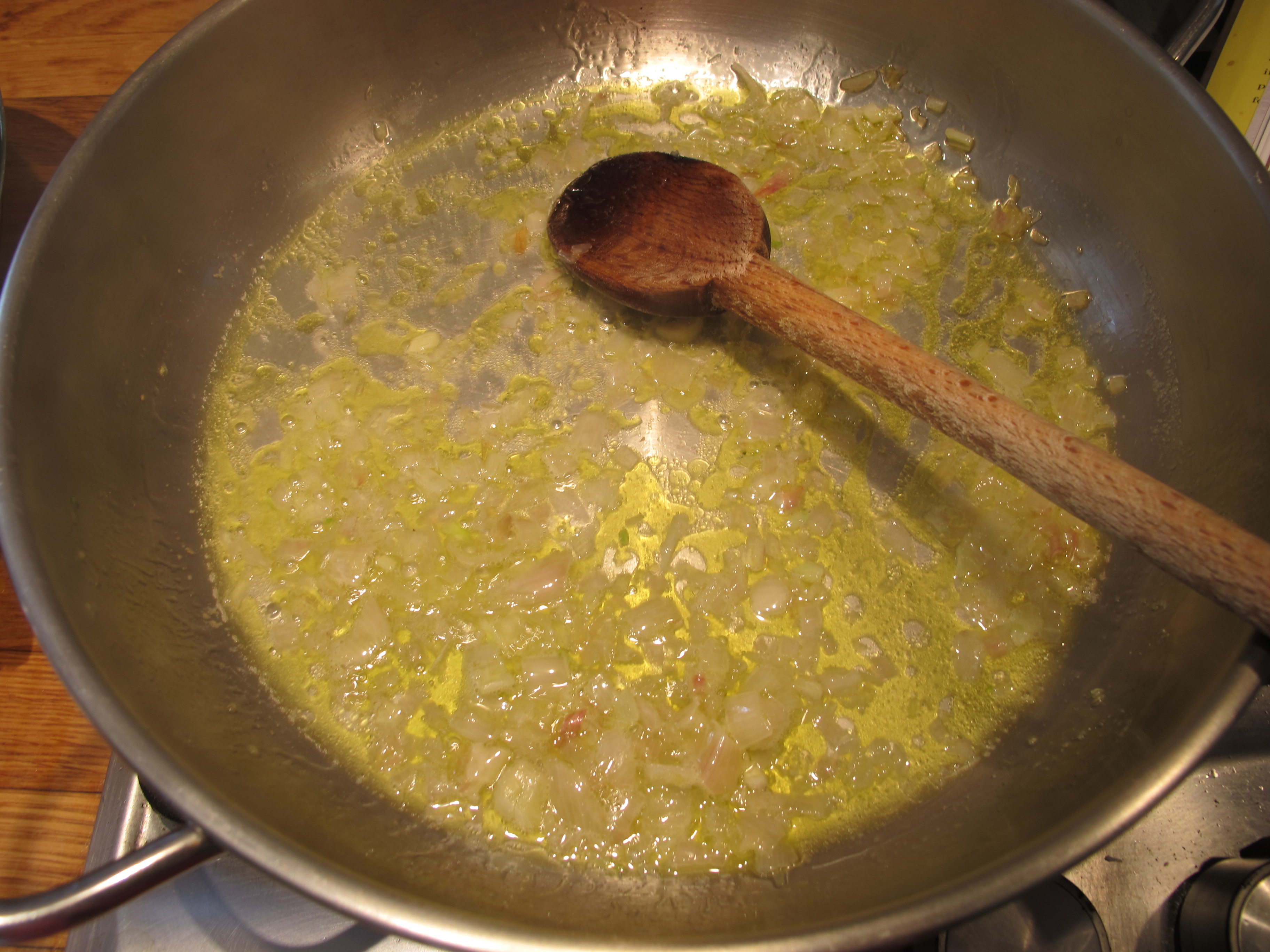
  • Heat a tablespoon of oil in a pot with a top.
  • Sauté the shallot for a couple of minutes to soften it.
  • Add the wine and leave it to bubble a moment or two.
  • Lay a third of the spinach in the pan and place the salmon fillets over it.
  • Sprinkle over some salt and pepper and a grating of nutmeg.
  • Cover the salmon with the rest of the spinach.
  • Scatter the remaining tablespoon of oil over the spinach and cover the pan.
  • Cook for seven minutes over a low heat.
  • Turn the heat off and leave the pan covered for ten minutes before serving.
  • These timings can vary depending on the thickness of the salmon fillets.

Less rich than the original might have been, but we enjoyed it.

Read Full Post »

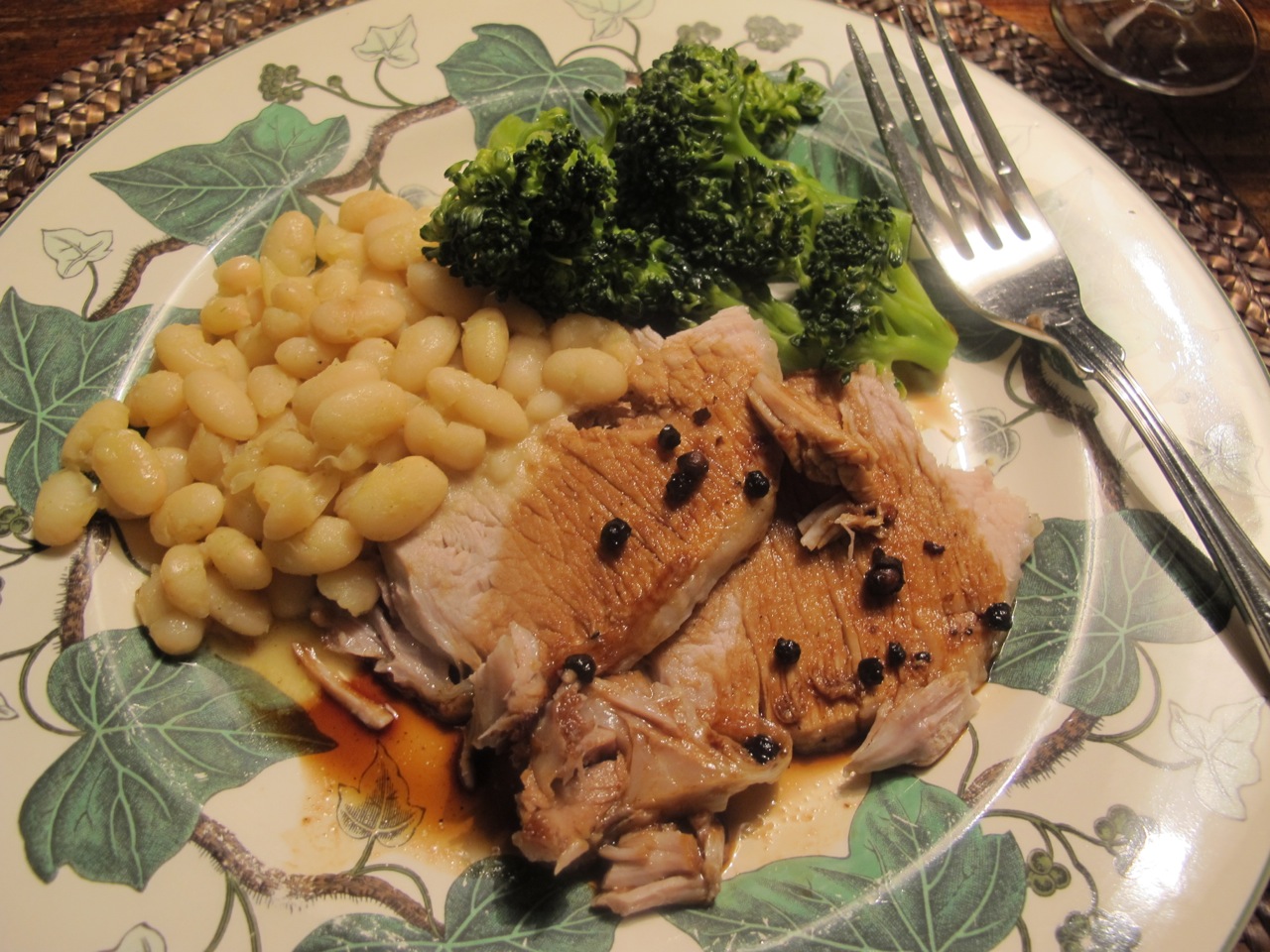
This is smelling mighty good at this moment–gently simmering on the stove.

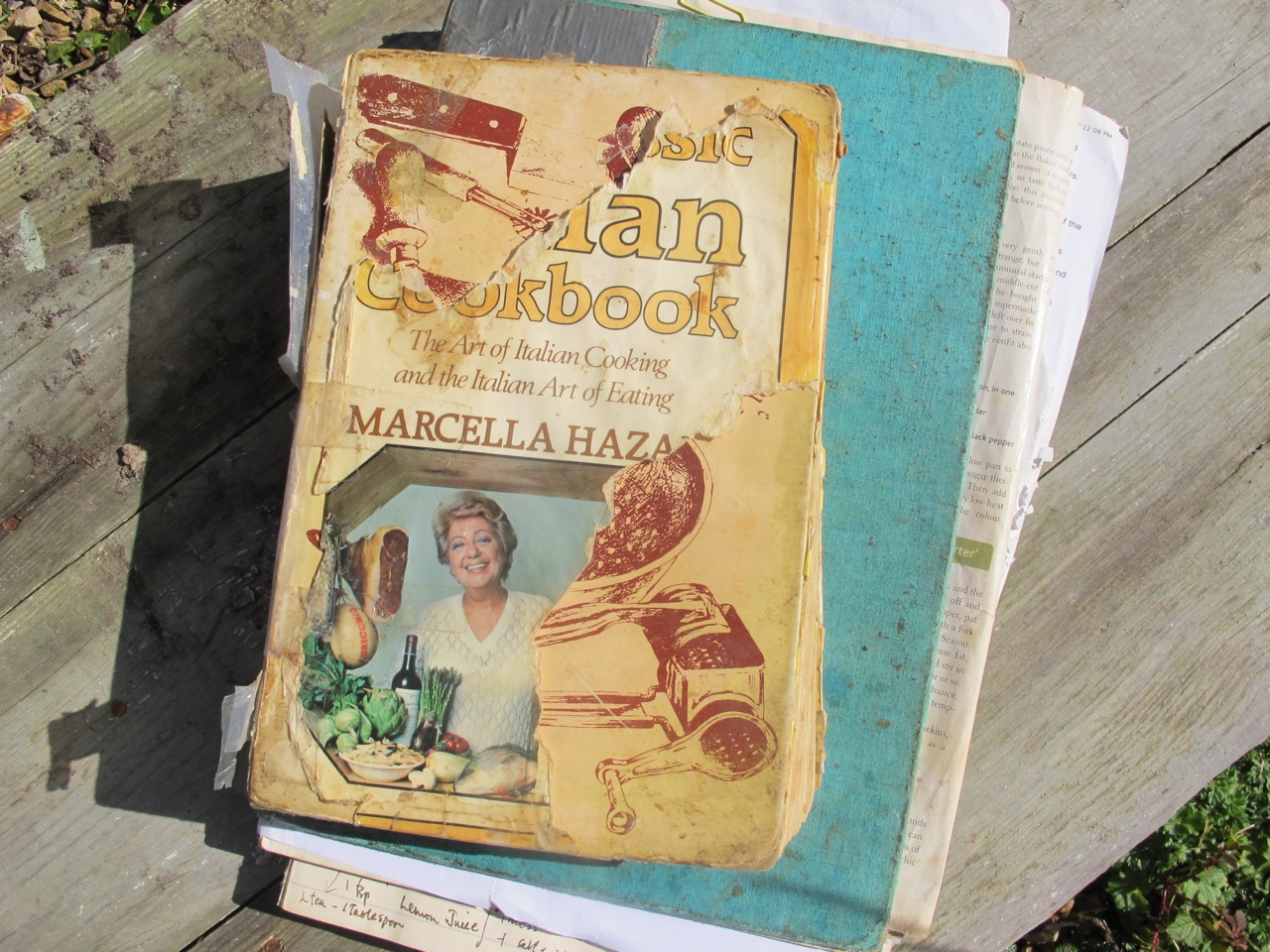
A dish I’d bet Marcella Hazan ate regularly at this time of the year growing up in Senatico on Italy’s northeast coast.

IMG_4718

Marcella is one of my heroes/mentors–though she doesn’t know it!

She married an American and left home with him to live in New York City in her early thirties.

She claims she had never done much cooking before this–the family meals were cooked by her mother, her grandmothers, aunts, the usual story of an extended Italian family.

Living with a new husband in a foreign land concentrated her mind she claims and she taught herself to cook. She says she remembered the way dishes smelt back in Italy and used this sense to judge if she was doing it right.

No memory of Grandma’s cooking for me but from the smell that’s wafting my way, things seem to be on course!

She cooks Italian/Italian not American/Italian and her books are wonderfully detailed.

There are just three ingredients here apart from olive oil and salt.

It’s a long slow cook.

for 4

1.5 lb piece of pork loin–more or less as required, the cooking time will be the same

olive oil

salt

8 tblsps red wine vinegar

1 tsp black peppercorns

3 bay leaves

  • Heat the oil in a solid pan with a lid.
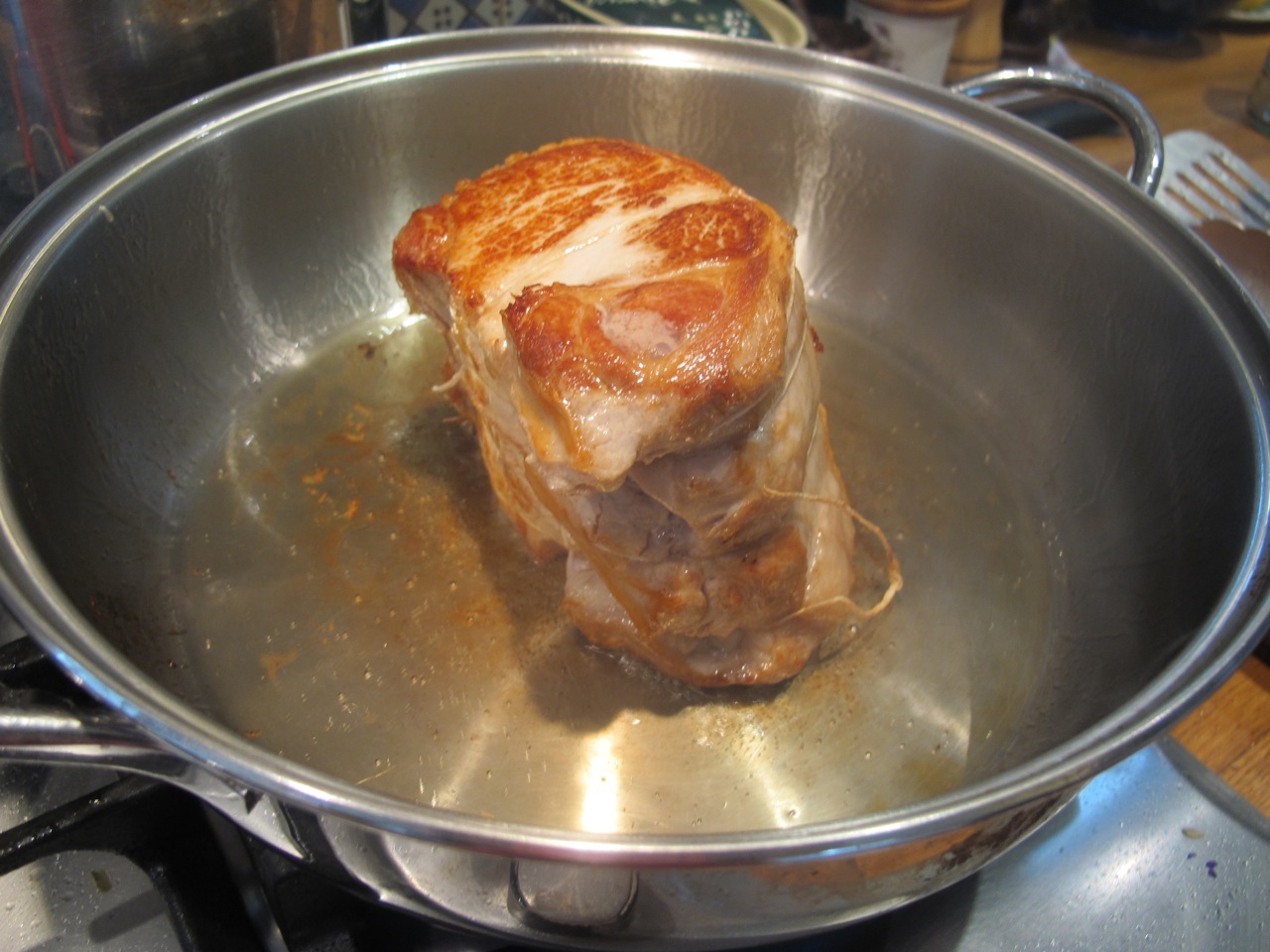
  • Sear the meat (brown it) all over then salt it.

IMG_4703

  • Add the bay leaves, peppercorns and vinegar–and cover the pan tightly. It’s important not to loose too much liquid.
  • Cook for an hour and half or longer, on the lowest heat possible*.
  • Take out the meat and keep warm, covered with foil.
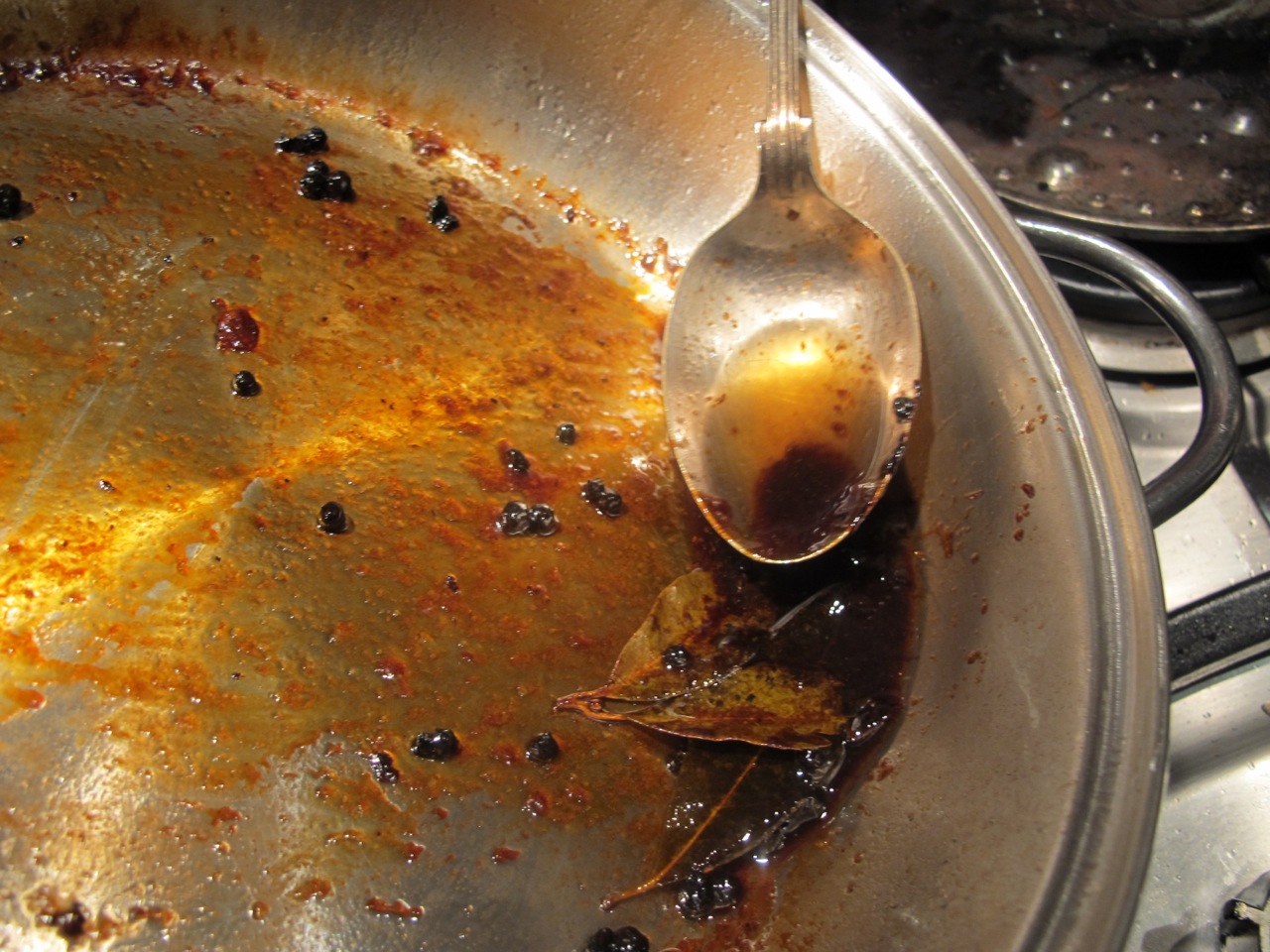
  • Carefully spoon off the fat.

IMG_4706

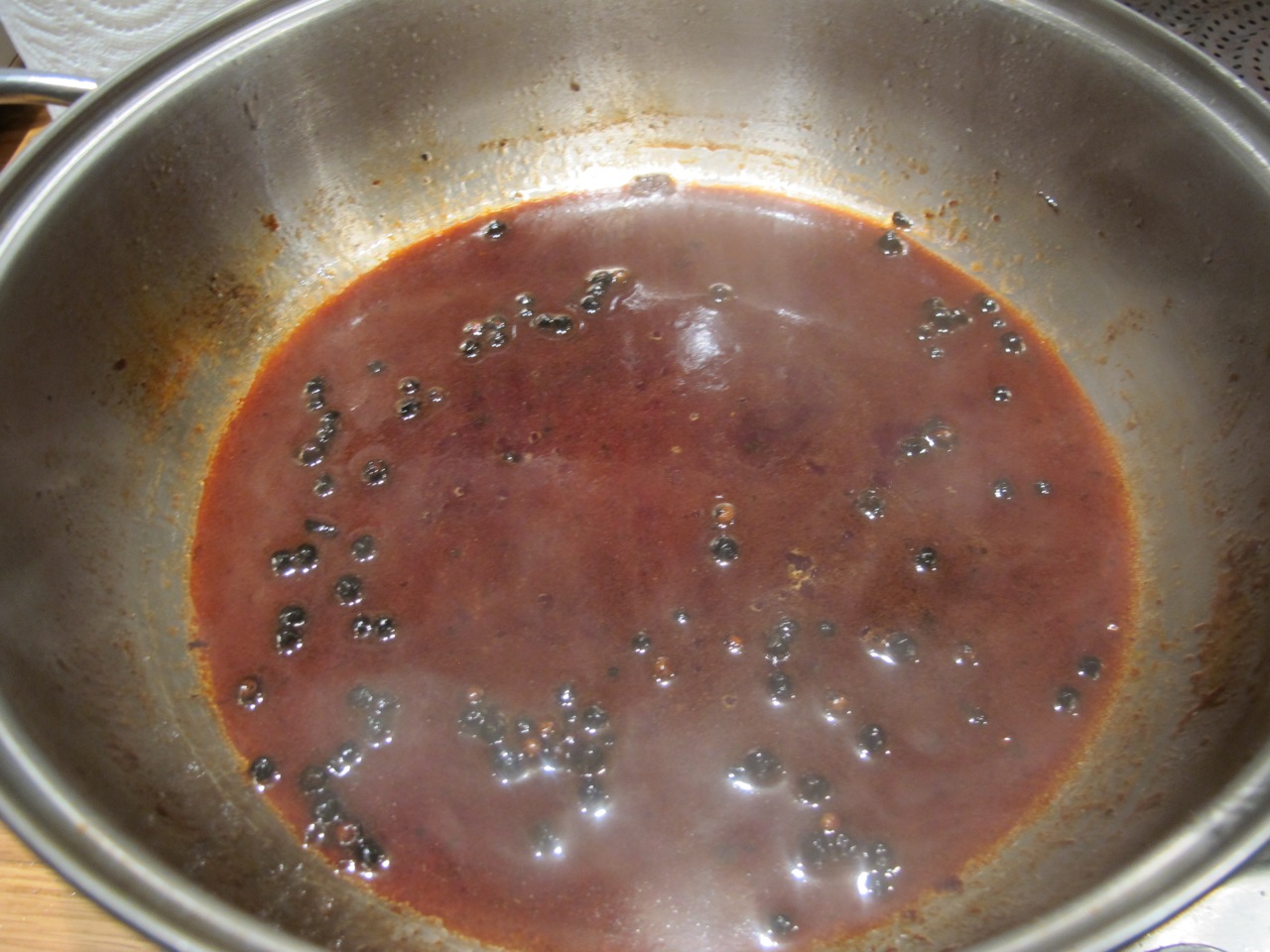
  • Add three tablespoons of water and scrape off the bits in the pan.
  • Warm the gravy through.

IMG_4708

*I cooked this tonight for two hours; it was good but next time I’ll reduce the time a little and use a diffuser.

IMG_4712

Read Full Post »

Red cabbage is a member of the cruciferous family of vegetables (the four petals of their flowers are in the shape of a cross), broccoli, cauliflower, brussels sprouts, kale, and bok choy too. These are super vegetables with many health benefits claimed for them.

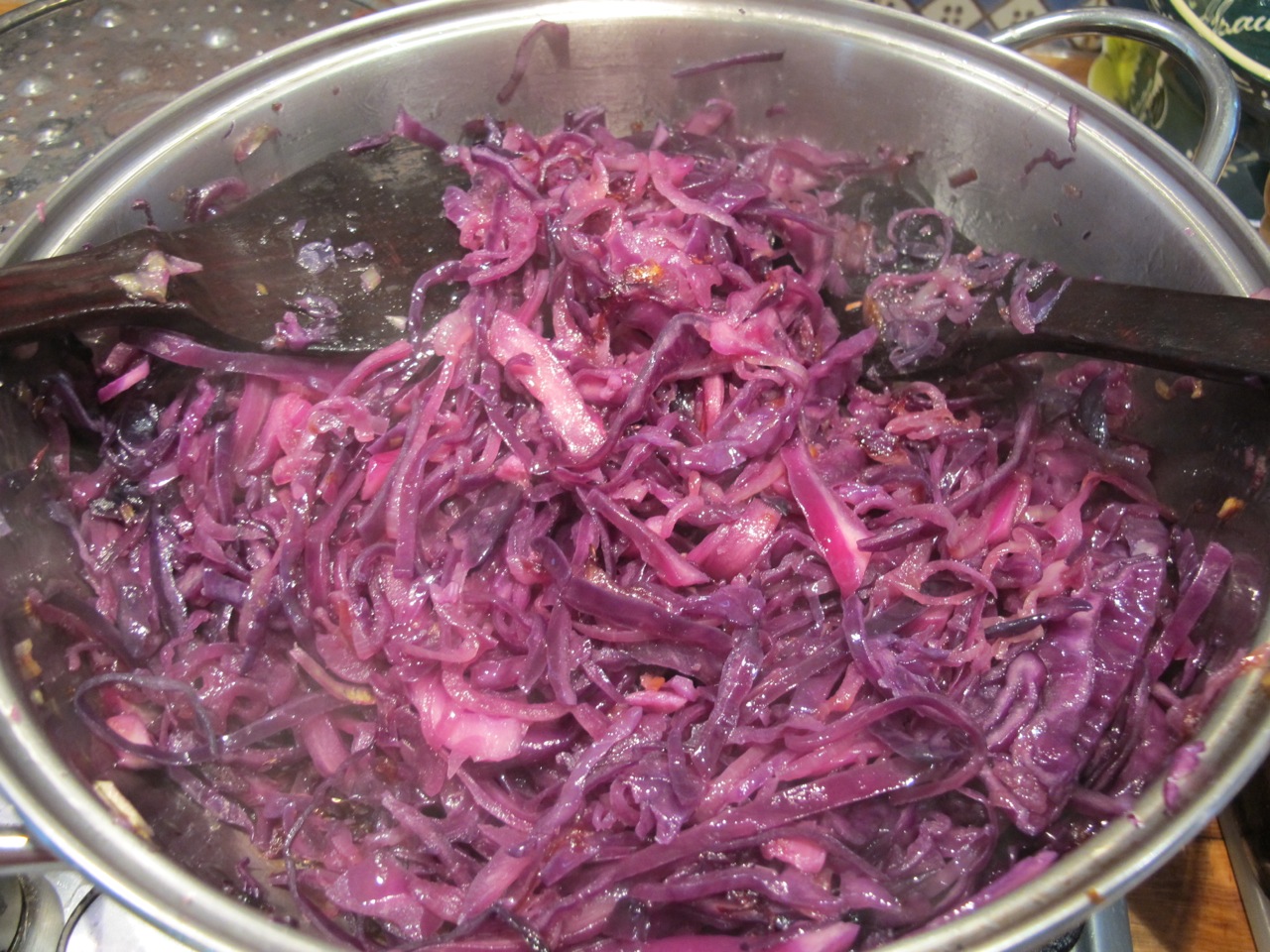
It  tasted good tonight but is not exactly photogenic!

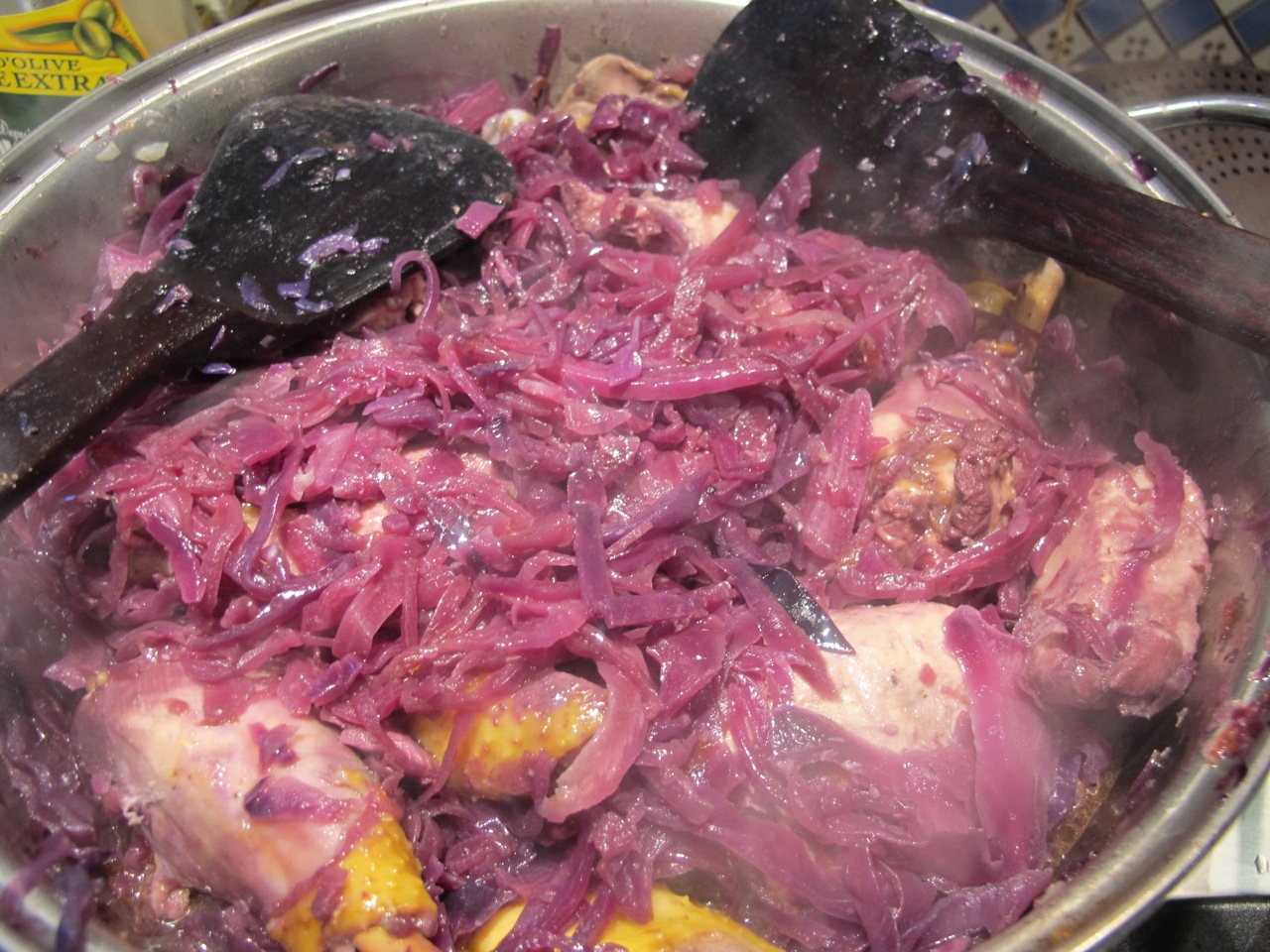
Meredith bought the red cabbage at the organic market this week and it reminded me. It’s adapted from a Marcella Hazan recipe and has the advantage of being an all-in-one.

The chicken stays beautifully moist buried under its warm overcoat of collapsed cabbage.

for 4/6

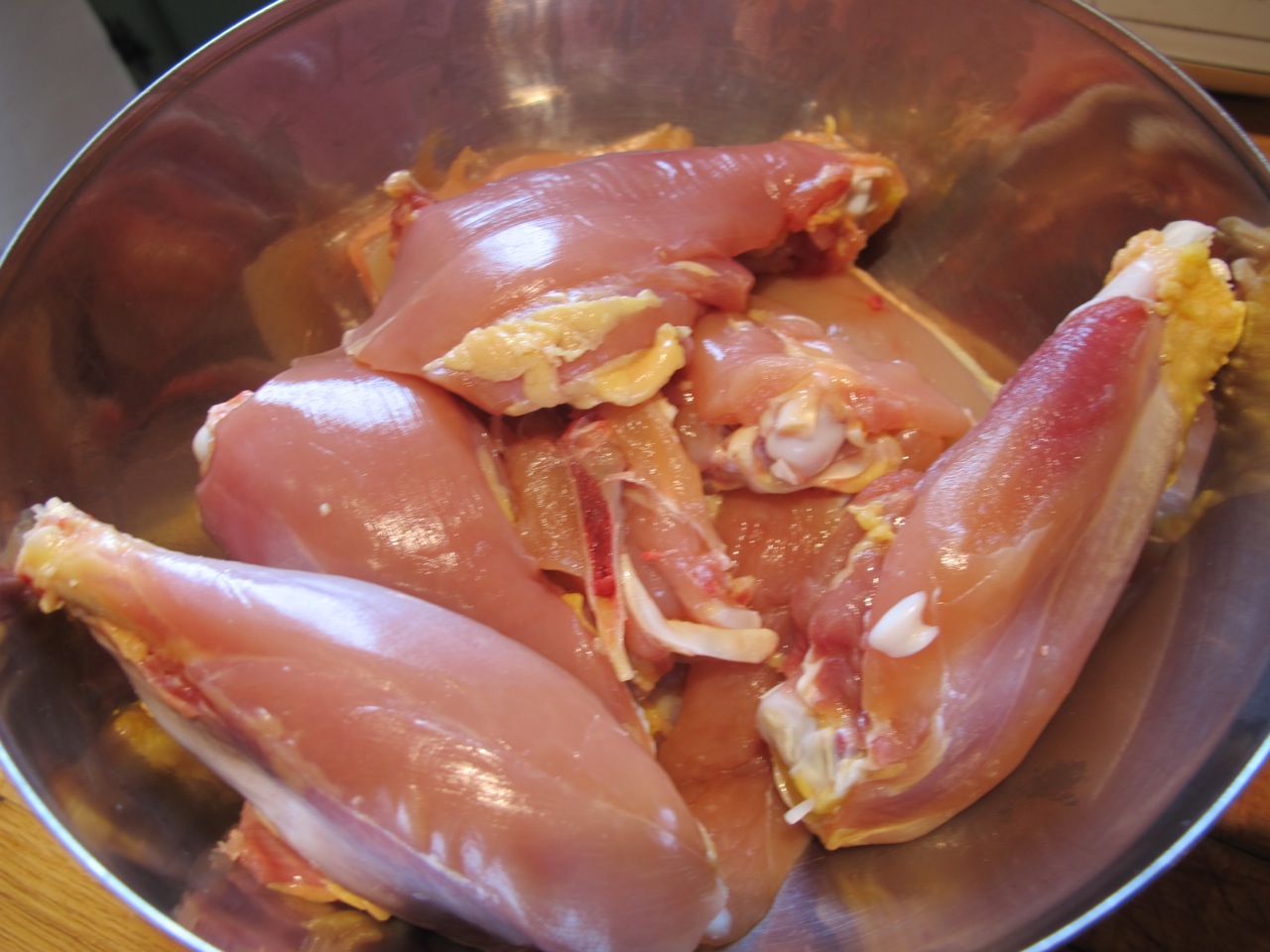
1 chicken–cut up into eight or more pieces with the skin removed

IMG_4655

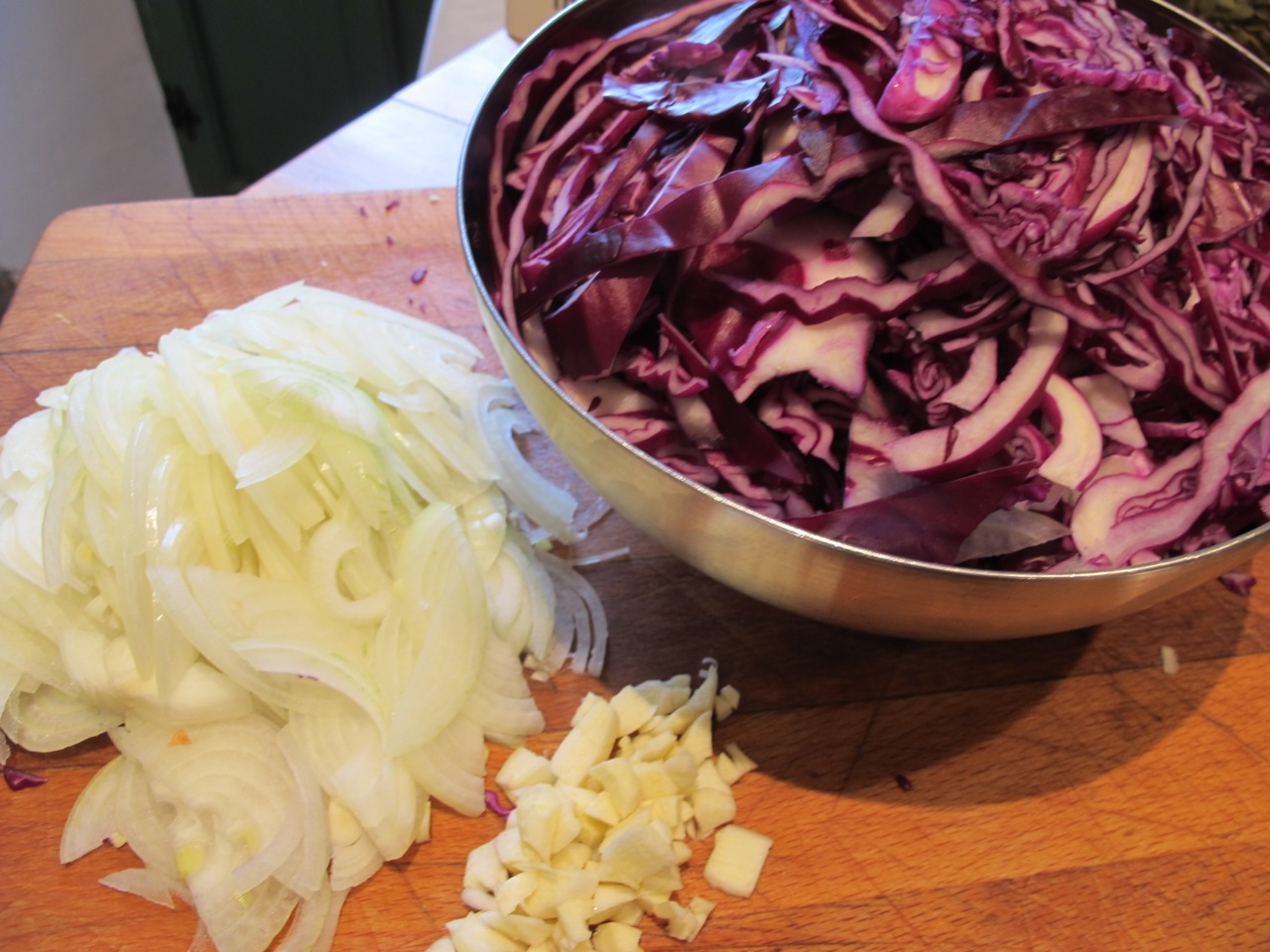
1 red cabbage (at least 1lb/450gm)–quartered, the white stem removed, and thinly sliced

1 largish onion–peeled and thinly sliced

2 cloves of garlic–peeled and roughly chopped

IMG_4657

6 tablespoons olive oil

8 tablespoons red wine

salt and pepper

  • Choose a casserole or terracotta pot large enough to hold the chicken pieces in one layer.
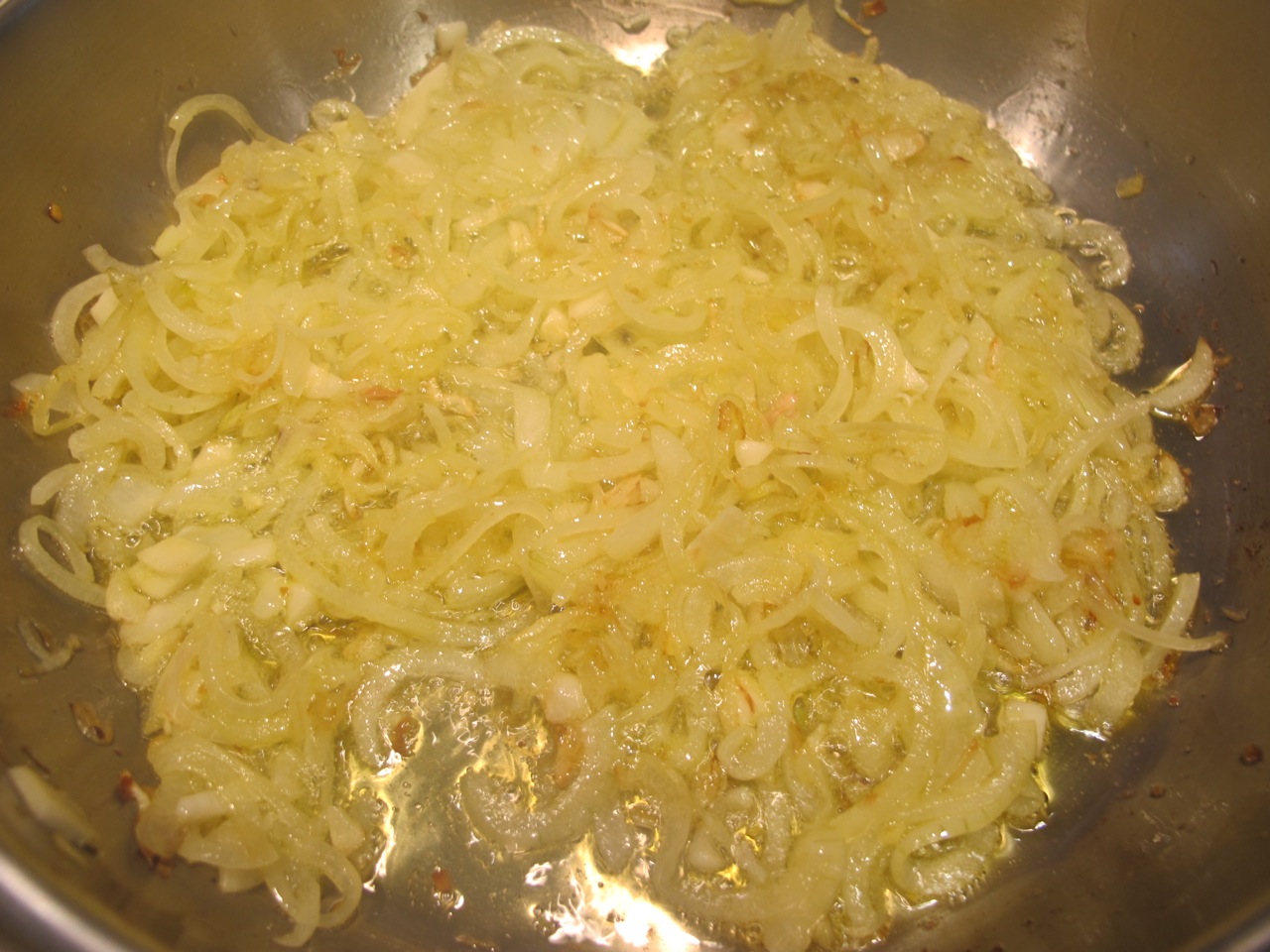
  • Soften the onion and garlic in the oil until they begin to colour–about 10 minutes.

IMG_4659

  • Add the cabbage and coat it well with the oily onion and garlic mix.

IMG_4661

  • Cook for 15 minutes, turning it over from time to time as it reduces in volume, taking care it doesn’t burn.
  • Season the cabbage well, then bury the chicken pieces underneath it.
  • Pour over the red wine and cover the pot.
  • Turn the contents over from time to time.
  • Prick the chicken with the tip of a knife after 30 minutes–if the juices run pink leave it to cook longer.

IMG_4663

Read Full Post »

« Newer Posts - Older Posts »