Feeds:
Posts
Comments

Simple gazpacho

In a comment today Sheila England asks if I have a recipe for gazpacho soup.

This was published a year ago.

As the tomatoes are ripening–at last, here it is again.

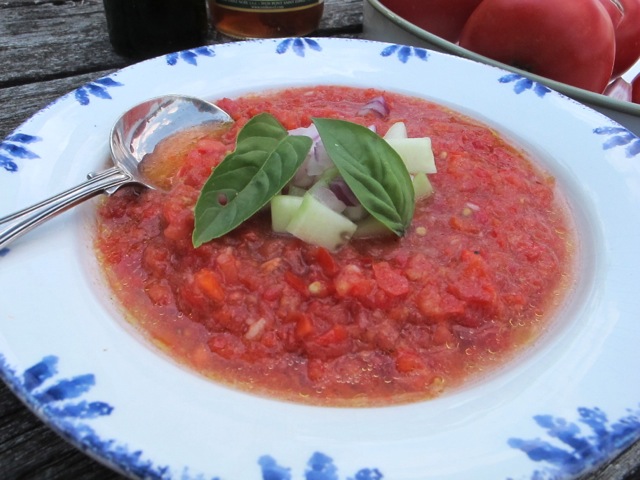
It’s worth waiting for the sun to work its magic on the tomatoes before making this simple garlicky version of the classic summer soup–served cold.

A few whizzes of the food mixer then the addition of oil and vinegar and it’s done.

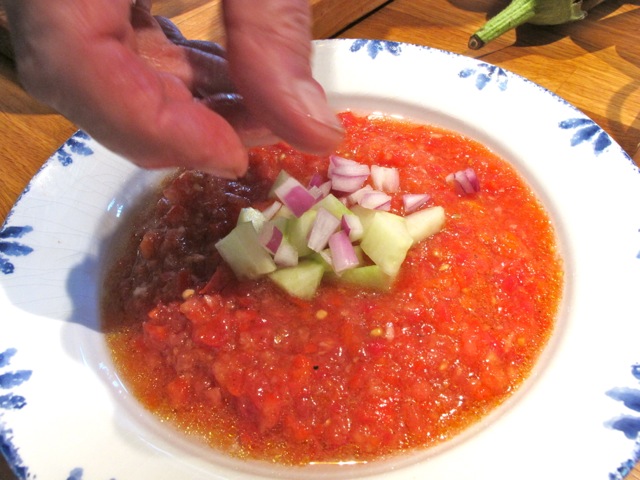
Chill it for as long as possible–if you can make it the day before all the better–and serve it with some finely diced peeled cucumber and spring onion (scallions to our north American friends).

Best served on a hot, sunny day.

Best eaten in the shade.

for 6

800gms/4lbs ripe tomatoes–chopped with their juice

a medium size red pepper–chopped coarsely ready to put in the mixer

3 cloves of garlic— crushed with a teaspoon of salt

  • Mix these in a food mixer–but not too smoothly.
  • Transfer to a serving bowl and add:

3 tablespoons olive oil

4 tablespoons cider vinegar–organic if you can get hold of it

salt and pepper to taste

  • Chill for 4 to 5 hours–or overnight.
  • Serve with an ice cube in each bowl (optional)
  • A garnish of cucumber and red/spring onion–diced small–in bowls on the side for people to add as they please.

  • You might chill the empty bowls in the fridge two hours before serving–for perfection!

The level of acidity varies with the tomatoes and the vinegar.

You could start with 3 tablespoons of both oil and vinegar, then add more vinegar if it needs it.

(I did today–an extra tablespoon!)

images-2 Continue Reading »

diabetes_gymnema1

This World Health Organisation report came out three years ago but is still relevant and contains information and explanations on Diabetes that are handy to have accessible at a simple click.

The italics and colouring are mine!

August 2011

Key facts:

  • 346 million people worldwide have diabetes.
  • In 2004, an estimated 3.4 million people died from consequences of high blood sugar.
  • More than 80% of diabetes deaths occur in low- and middle-income countries.
  • WHO projects that diabetes deaths will double between 2005 and 2030.
  • Healthy diet, regular physical activity, maintaining a normal body weight and avoiding tobacco use can prevent or delay the onset of type 2 diabetes.

What is diabetes?

Diabetes is a chronic disease that occurs either (Type 1): when the pancreas does not produce enough insulin or (Type 2) when the body cannot effectively use the insulin it produces.

Insulin is a hormone that regulates blood sugar.

Hyperglycaemia, or raised blood sugar, is a common effect of uncontrolled diabetes and over time leads to serious damage to many of the body’s systems, especially the nerves and blood vessels.

(Hypoglycaemia [not from the report] dangerously low blood sugar that can lead to coma. My mother had regular scares. She carried sugar cubes in her handbag taking them to stabilize her when she felt an attack coming on.  Occasionally it would happen when she was asleep in the middle of the night. Miraculously each time my father woke up instinctively and called an ambulance.)

Type 2 diabetes

Type 2 diabetes (formerly called non-insulin-dependent or adult-onset) results from the body’s ineffective use of insulin. Type 2 diabetes comprises 90% of people with diabetes around the world, and is largely the result of excess body weight and physical inactivity.

Symptoms may be similar to those of Type 1 diabetes, but are often less marked. As a result, the disease may be diagnosed several years after onset, once complications have already arisen.

Until recently, this type of diabetes was seen only in adults but it is now also occurring in children.

Impaired glucose tolerance (IGT) and impaired fasting glycaemia (IFG)

Impaired glucose tolerance (IGT) and impaired fasting glycaemia (IFG) are intermediate conditions in the transition between normality and diabetes. People with IGT or IFG are at high risk of progressing to type 2 diabetes, although this is not inevitable.

What are common consequences of diabetes?

Over time, diabetes can damage the heart, blood vessels, eyes, kidneys, and nerves.

  • Diabetes increases the risk of heart disease and stroke. 50% of people with diabetes die of cardiovascular disease (primarily heart disease and stroke).
  • Combined with reduced blood flow, neuropathy in the feet increases the chance of foot ulcers and eventual limb amputation.
  • Diabetic retinopathy is an important cause of blindness, and occurs as a result of long-term accumulated damage to the small blood vessels in the retina. After 15 years of diabetes, approximately 2% of people become blind, and about 10% develop severe visual impairment.
  • Diabetes is among the leading causes of kidney failure. 10-20% of people with diabetes die of kidney failure.
  • Diabetic neuropathy is damage to the nerves as a result of diabetes, and affects up to 50% of people with diabetes. Although many different problems can occur as a result of diabetic neuropathy, common symptoms are tingling, pain, numbness, or weakness in the feet and hands.
  • The overall risk of dying among people with diabetes is at least double the risk of their peers without diabetes.

What is the economic impact of diabetes?

Diabetes and its complications have a significant economic impact on individuals, families, health systems and countries. For example, WHO estimates that in the period 2006-2015, China will lose $558 billion in foregone national income due to heart disease, stroke and diabetes alone.

How can the burden of diabetes be reduced?

Prevention

Simple lifestyle measures have been shown to be effective in preventing or delaying the onset of type 2 diabetes. To help prevent type 2 diabetes and its complications, people should:

  • achieve and maintain healthy body weight;
  • be physically active – at least 30 minutes of regular, moderate-intensity activity on most days. More activity is required for weight control;
  • eat a healthy diet of between three and five servings of fruit and vegetables a day and reduce sugar and saturated fats intake;
  • avoid tobacco use – smoking increases the risk of cardiovascular diseases.

Diagnosis and treatment

Early diagnosis can be accomplished through relatively inexpensive blood testing.

Treatment of diabetes involves lowering blood glucose and the levels of other known risk factors that damage blood vessels. Tobacco use cessation is also important to avoid complications.

Interventions that are both cost saving and feasible in developing countries include:

  • moderate blood glucose control. People with type 1 diabetes require insulin; people with type 2 diabetes can be treated with oral medication. [A single 30mg pill in my case] but may also require insulin;
  • blood pressure control; [every three months in my case]
  • foot care. [I visit my chiropodist, Cyril every three months!]

Other cost saving interventions include:

  • screening and treatment for retinopathy (which causes blindness); [Once a year in my case].
  • blood lipid control (to regulate cholesterol levels); [once or twice a year this is included in my three monthly blood tests].  
  • screening for early signs of diabetes-related kidney disease. [once a year].

These measures should be supported by a healthy diet, regular physical activity, maintaining a normal body weight and avoiding tobacco use.

WHO activities to prevent and control diabetes.

The WHO Global strategy on diet, physical activity and health complements WHO’s diabetes work by focusing on population-wide approaches to promote healthy diet and regular physical activity, thereby reducing the growing global problem of overweight and obesity.

For more information, please contact:

WHO Media centre
Telephone: +41 22 791 2222
E-mail: mediainquiries@who.int
The UK’s Home Secretary, Theresa May, has revealed that she was recently diagnosed with Type 1 Diabetes.

08-theresa-may-gt

It was a real shock and, yes, it took me a while to come to terms with it,” she said. “It started last November. I’d had a bad cold and cough for quite a few weeks. I went to my GP and she did a blood test which showed I’d got a very high sugar level – that’s what revealed the diabetes.

“The symptoms are tiredness, drinking a lot of water, losing weight, but it’s difficult to isolate things. I was drinking a lot of water. But I do anyway. There was weight loss but then I was already making an effort to be careful about diet and to get my gym sessions in.”

The Home Secretary says she has been told that she will have to inject herself with insulin twice a day for the rest of her life–but she has no fear of needles and intends to carry on in her Cabinet post.

Mrs May’s determination to get on with her life reminds me of my mother, Molly Ellis.

the-ellis

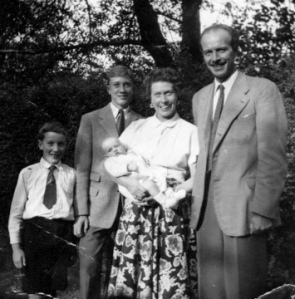
June 1955. Brother Jack in Molly’s arms. Her doctors overcame their doubts about letting her proceed with the pregnancy despite being a Type 1 diabetic.

Molly was diagnosed with Type 1 aged 38 in 1953.

She too injected herself twice a day for the rest of her life.

Eventually she died of a sudden heart attack linked to her condition–but she made it to 67–almost 30 years with Type 1 diabetes–and in those days treatment was not as advanced as it is now.

Molly was not a professional politician–and the cabinet she loved best was hanging in a corner! But she carried on leading a full life, running the household and raising three boys.

The last six years of her life were spent in a Buckinghamshire village called Brill–not too far from Oxford. She and Dad retired there from London. They threw themselves into village life and were much appreciated for it.

I’d wager that not many in the village, apart from her doctor,  John Spence, knew she was diabetic–and few would have understood what it meant.

ma3img_0044_2

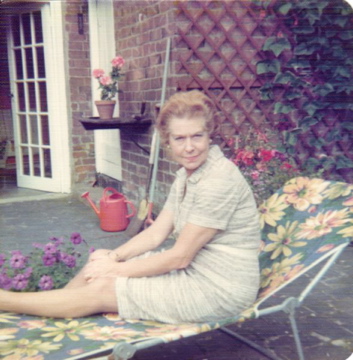
Molly relaxing in Brill–after preparing lunch I’d guess!

She never liked to make a fuss.

Her heart attack happened one morning as she was finishing dressing to go shopping. Her heart finally gave up after years of struggle.

Her gift to me was an understanding of how damaging diabetes can be if ignored. When I received my diagnosis of Type 2 diabetes in my mid-fifties, I took it seriously, thanks to witnessing my mother’s journey.

There’s still a shocking ignorance surrounding the condition.

Theresa May’s high profile and very public admission that she is Type 1 helps focus attention on and heighten awareness of this ruthless and insidious menace.

IMG_7544

It’s hot here and there’s not much incentive to go anywhere, even to the Friday market in Lautrec–to pick up a fish.

There are two left over stuffed peppers in the fridge that are ageing well!

IMG_4049

And three little gem lettuces under wraps.

So–stay home and…

Gently heat through the peppers and free-up the crisp baby gem (sucrine) lettuces.

Discard the outer layers–quarter, wash and spin them and spread them on a pretty plate.

Scatter over slivers of red onion, some juicy black olives (optional) and a few anchovy pieces.

Dress with a swirl or two of best olive oil–our friend Keith’s wonderful Tuscan oil (http://www.boggioli.com/)–a couple of pinches of sea salt and a shake of the red wine vinegar bottle.

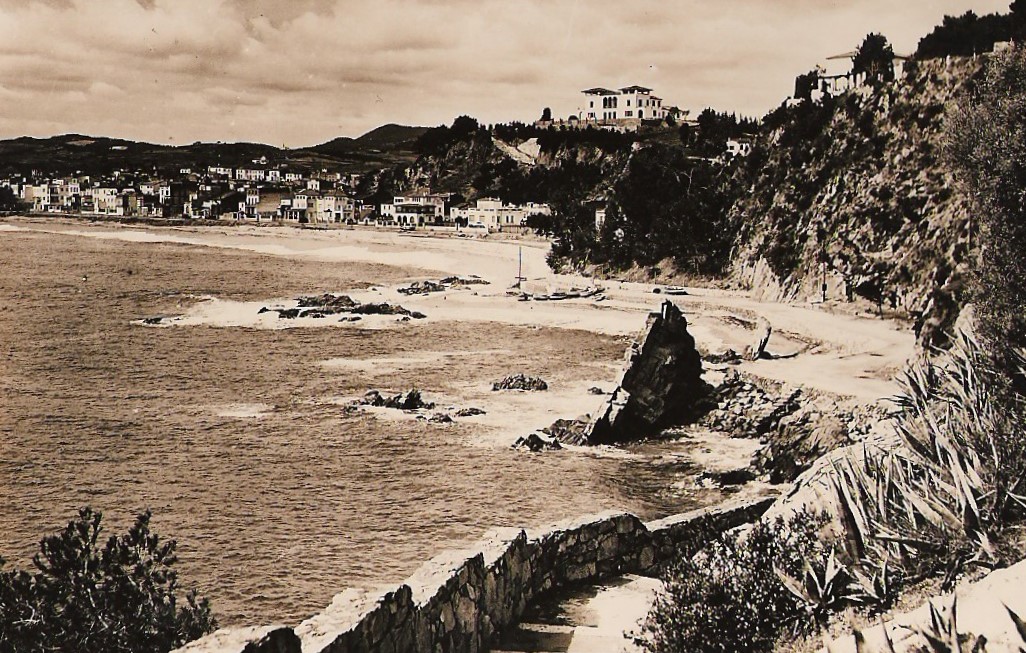
To continue the olive oil theme and with fond memories of my first taste of food cooked in extra virgin–for that’s what it must have been back then in 1953 in Lloret del Mar

castle1

–I fry an egg each, in more of Keith’s oil.

Please, nobody tell him I used it for cooking though!

We sit outside in the heat, cooled by a breeze, with a glass of crisp pink toasting my parents–intrepid Molly and Tony–for bravely taking me and brother Peter to Spain’s Brava coast, an amazing sixty years ago.

IMG_7519

Scrabbling around for a starter to serve Friday week at the Garlic Festival lunch–and with three aubergines sitting looking at me expectantly, I got to flicking through some well-thumbed pages.

The idea for rounds came from Antonio Carluccio’s Vegetables cook book.

IMG_7493

The key ingredients, doubling as casino counters!

So…

for 2 (on the 2nd, I’m upping the ante and cooking for 22!)

1 largish aubergine–cut across in half inch slices, salted and left to drain for at least an hour

2 ripe tomatoes of similar circumference–sliced a little finer

6oz/150gms feta cheese–crumbled

a few fresh leaves of basil, parsley and mint–chopped together

parmesan cheese–grated

olive oil

salt and pepper

heat the oven to 220C/430F

Cover an oven tray with foil and brush it with oil.

Brush both sides of the aubergine rounds with olive olive and lay them out on the foiled tray.

Place the tray in the uppermost part of the oven and bake for 20 to 25 minutes until they are thoroughly cooked through and soft.

Add the chopped herbs to the feta and using a teaspoon, spread a little on each cooked aubergine round.

Sprinkle the tomato slices with a pinch of salt and little olive oil.

Lay one on each aubergine round and top them off with a pinch of the grated parmesan.

IMG_7499

Return the tray to the top of the oven and cook for a further 15 to 20 minutes.

Take them out when the tomato has a melted look and the parmesan has browned a little.

IMG_7505

Serve them straight away or at room temperature.

Increase the odds of a wow–with a leaf of basil or other herb–if you have any.

IMG_7513

It’s all in the name!

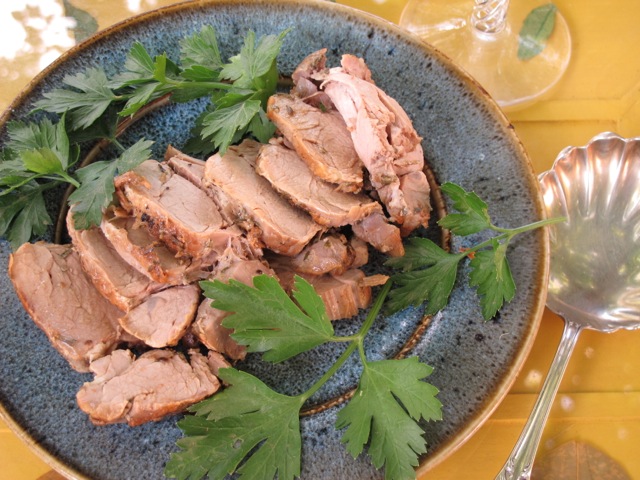
This is the tenderest part of a pork loin.

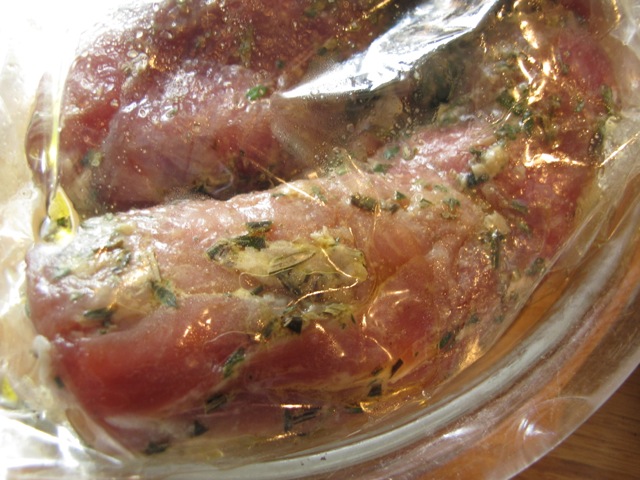
It spends the night–or several hours at least–in a plastic box or bag in the fridge, bathed in a simple marinade.

Then it’s cooked in a hottish oven for between 15 and 20 minutes.

A pound-and-half will feed four easily, maybe six–and as tenderloins are usually of similar dimensions this allows you to double-up easily for big groups.

A good dish for company then–and delicious cold the following day too.

IMG_7400

Another recipe from my new book Healthy Eating for Life to be published in January 2013.

1 tenderloin of pork–most of the fat cut away

for the marinade:

1 clove of garlic--pulped with a teaspoon of salt

1 tsp dijon mustard

the spears of a branch of rosemary–chopped

the leaves of several thyme branches

salt and pepper

3 tblsps olive oil

  • Combine the marinade ingredients in large bowl and whisk together.
  • Bathe the tenderloin in the marinade.
  • Place in a plastic box or plastic bag and store in the fridge overnight.

IMG_7385

  • Let it come back to room temperature before taking it out of the bag/box and allow the majority of the marinade to drip off it.
  • Set the oven to 200C/400F.
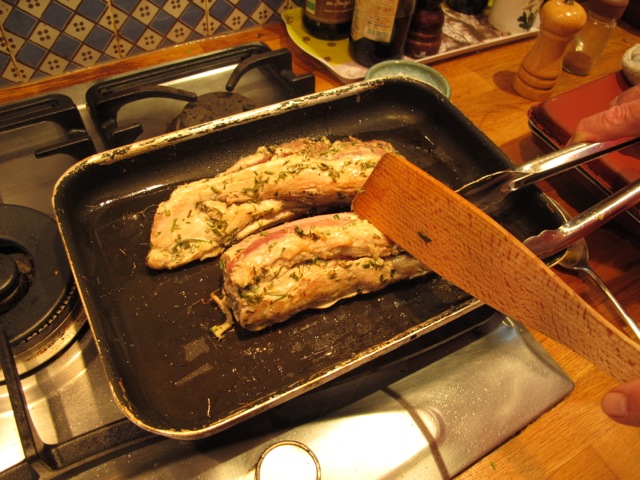
  • Heat the oil in an oven-proof pan; when it’s hot, “seal” the tenderloin in a tablespoon of olive oil.

IMG_7386

  • Put the tray in the oven and cook for about 20 minutes.

IMG_7387

  • After 15 minutes, check for doneness by gently presses down on the meat with a finger or thumb. It should be supple–but not too supple. Alternatively, slice into the centre of the loin to double-check. If the juices run pink, cook on for a couple of minutes.
  • Try not to overcook as it renders the meat leathery.
  • Trial and error kicks in here–the inexact science of when meat is ready! (It was ready in 18 minutes last night–depends on the thickness of the fillets.)

IMG_2286

We just got news of cancellations for the October 2013 workshop–freeing up several places.

IMG_2230

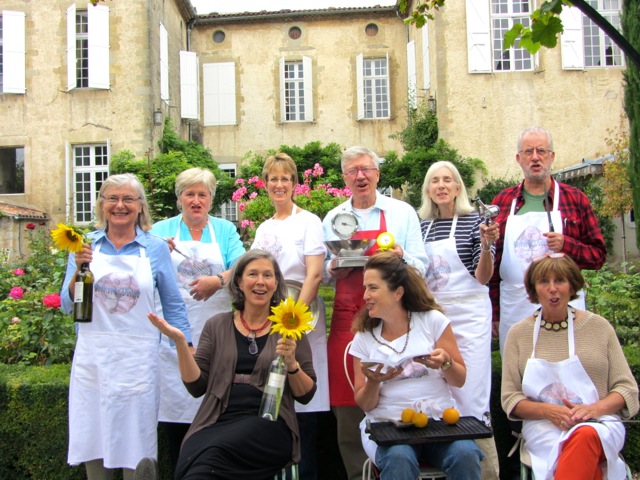
Below are some impressions from Bravehearts (my name for those intrepid souls who’ve been brave enough–crossing continents in some cases–to take a risk and sign up!) who came to the previous workshops (October 2012 and May this year).

I liked the small, hands-on nature of it.  Robin made the whole thing feel very informal and yet everything was very well organized.   

IMG_2190

I also like that there were breaks.  I never felt overwhelmed.  Indeed, the whole thing felt like the most amazing multi-day dinner party at which no one ever was tired or bored!

–Christopher Lupone

————–
 Robin’s teaching method: his ability to present his recipes and ingredients to a group of total strangers in a way that put everyone at ease. That naturalness of manner helped everyone work very well together. It was fun! 
IMG_6013

Excellent kitchen workspace worked very well for this size group. Well-lit, squeaky clean, not too industrial, new appliances…Much like a well-appointed home kitchen which enhanced the feeling of camaraderie among the participants.

–Dan and Jane Berical

IMG_5916

—————–
I enjoyed cooking and dining with the group–Robin’s happy approach to cooking – not fussy or dogmatic – and his relaxed approach to the class. This workshop succeeded because of Robin and Meredith (and Daisy and Valerie and Dominique and Philippe)! Their charm, encouragement and enthusiasm for cooking and living well was contagious! The wine cellar was amazing! Our final lunch on the terrace was memorable. Wine at Robin and Meredith’s house at the end of the class was the icing on the cake.
–Betsy Weber
IMG_2141
————
 I have always loved olive oil but we are constantly being bombarded that we should cook and eat as fat free.  After attending your workshop I started cooking with olive oil on a regular basis.  I eat it almost every day now.  I had my annual physical last week and I was very curious to hear my cholesterol levels as I was so afraid ingesting the olive oil would drive up my numbers.  This was going to be the moment of truth……  My cholesterol was 166 down three points from last year’s 169!  Not bad at all.  I have even dropped a few pounds.  So what is with this fat free hype?  
–Mary Pirog
IMG_2292
Come be a Braveheart this October–3rd-6th!
For details–here’s the link!


Quinoa salad

Quinoa is grown in the Andes and has shot to fame–though how to pronounce it is still a question. We’ve settled for keen-wa (sometimes I revert to keen-o-wa!). It comes in a number of colours though so far I’ve only seen red and white and has a reputation for being easily digested. It is gluten free.

A salad for all seasons this. Light and fluffy white quinoa is laced with thinly sliced red onion and flavored with lemon juice, olive oil, mint and parsley.

It looks good on a favourite plate and has surprising depth of taste.

IMG_4194

It’ll feature in my new book, Healthy Eating for Life (to be published in January 2014).

Serves four

1 cup/6oz quinoa (white preferably, for the look)

2 cups/12 floz vegetable stock—I use organic vegetable stock cubes

1 small bunch each parsley and mint–chopped

Half a small red onion—sliced thin

1½ tbsp freshly squeezed lemon juice

1 tbsp olive oil

salt and freshly ground black pepper

Place a saucepan over a low heat and pour in the quinoa.

Let it dry roast for 5 minutes–stirring all the time.

Add the stock and bring to a simmer.

Cover and cook for about 20 minutes–until the quinoa has absorbed the liquid and has puffed up.

Set aside to cool.

Add the oil and lemon juice to the cooled quinoa and stir in with a fork.

Fold in the mint and parsley, again stirring them with the fork.

Season with salt and pepper to taste.

Transfer the salad to a pretty plate.

Sprinkle with some more mint and parsley.

IMG_3983

I wrote this haiku a couple of years ago in the last week of June:

Garlic gath’rers pass,

Leaving the scent in the air;

It’s that time again.

It’s that time–again; but three weeks later than normal (due aux mauvais temps [bad weather] in May and June).

IMG_4002

The question now hanging in the air (with the whiff of garlic!): will there be enough of the lovely stuff ready for the Garlic Festival–always held in our village on the first Friday of August?

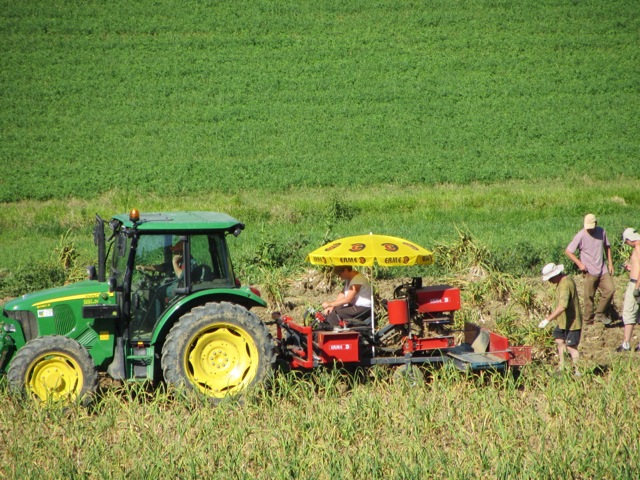
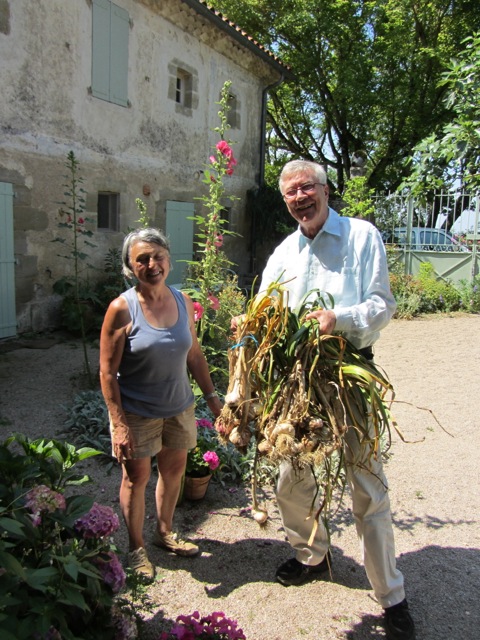
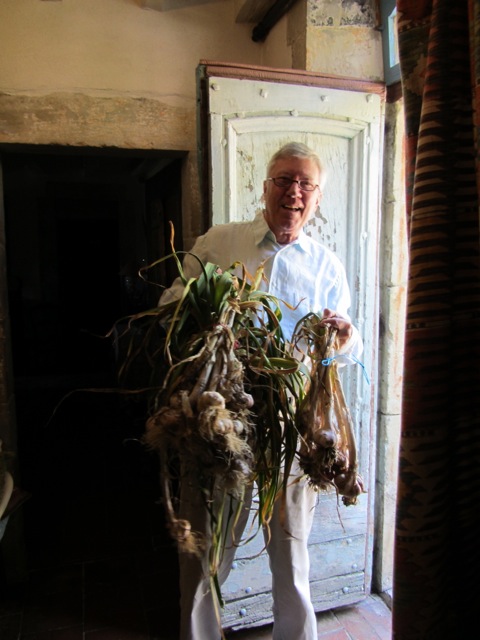
Alice Frezouls, our neighbour, called in at noon yesterday with  bunch just lifted–a gift! She was hot from the field and called the work travail bagnard, which translates as hard labour–in the sense of a prison sentence.  (What must it have been like before the machine above took over the lifting?!)

She was making light of it though.

IMG_4062

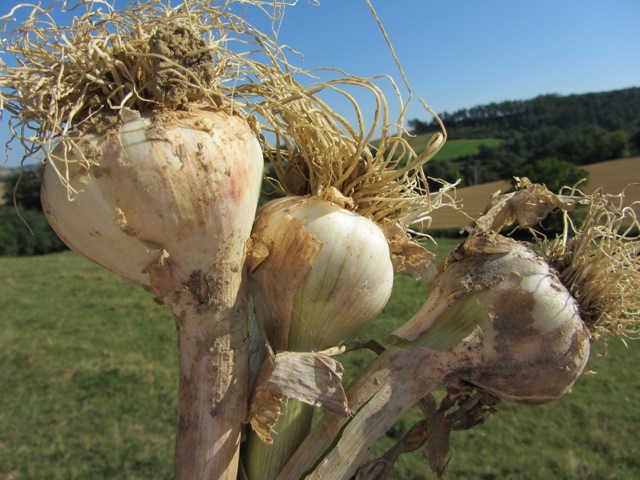
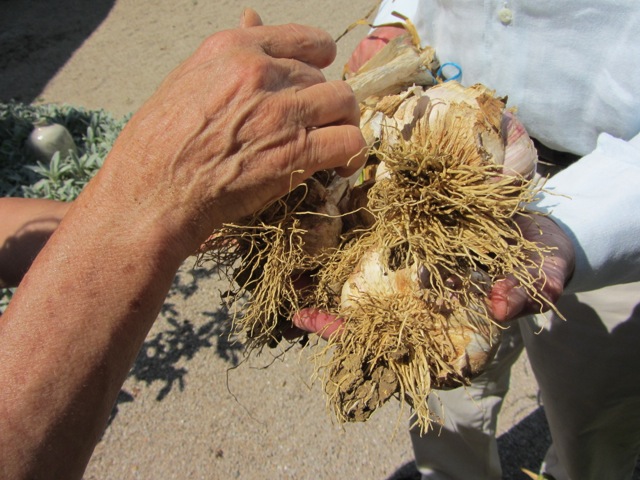
The fields are still unseasonably sodden and the clumps of garlic are coated with earth–adding irksomeness to the lifting and cleaning process.

IMG_4064

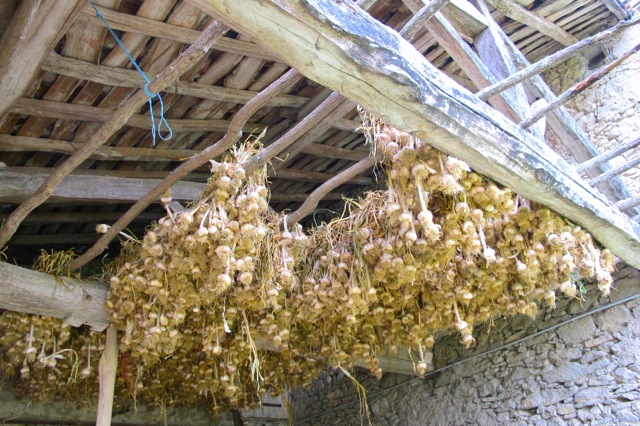
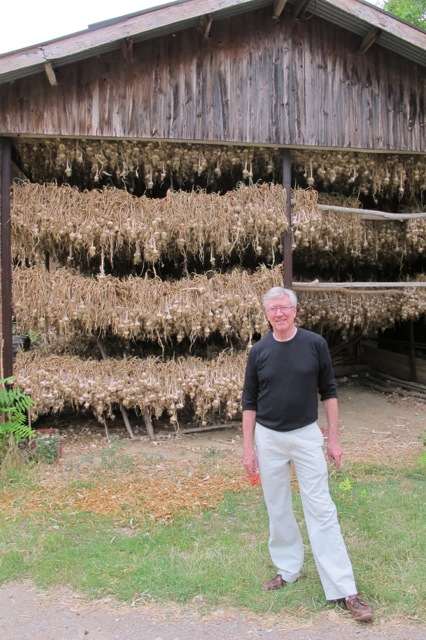
The garlic must spend weeks drying out before being hand cleaned, plaited and sold.

This was done in barns open to the heat of summer air passing naturally through them.

IMG_2060

IMG_2055_2

Now with garlic production increased, noisy drying machines–great ventilator fans–are used more and more.

The first year this happened we complained to Pierre-Louis–our young farming neighbor. He came over and agreed that we were in a noise corridor where the sound of his industrial dryer was penible–difficult. He improvised with stacks of hay bales to blanket the racket and we lived with it.

He has refined the process and for the next month we are resigned to eating dinner on the terrace to the accompaniment of a low, single-noted wind machine–not a woodwind quartet–that drifts in and out of our consciousness.

The reports that the Garlic Festival risks being like Hamlet–but without the Prince–are exaggerated, or so we have been reassured.

If they’re desperate I’ll offer mine!

IMG_4065

On verra!