Feeds:
Posts
Comments

Archive for the ‘Robin Ellis’ Category

As a follow up to publishing the launch date of my second cookbook,

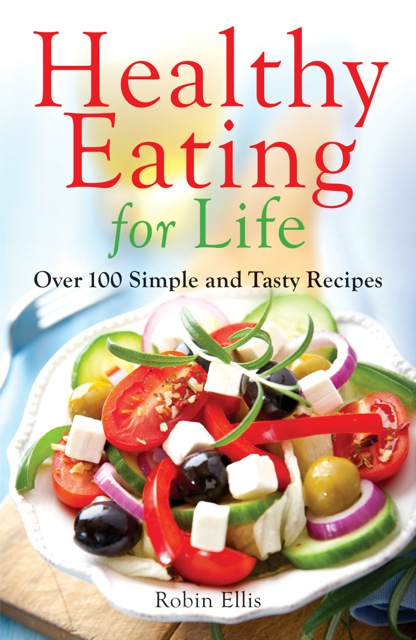
Healthy Eating for Life

here’s the first recipe in that book–a warming dish for winter:

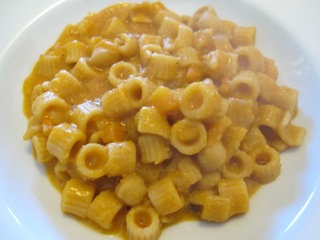
Chickpea and Pasta Soup

Worth considering for Christmas Eve or Boxing day evening [the 26th for American friends] !

IMG_3792

It has been eaten in Italy since Roman times.

The poet, Horace, wrote about heading for home and a bowl of leeks, pasta and chickpeas.

There are many variations on the theme of chickpeas and pasta.

A constant flavour is rosemary.

Serves 4

450g cooked chickpeas–tinned or bottled

6 tbsp extra virgin olive oil

carrot–chopped fine

stick of celery–chopped fine

small onion— chopped fine

garlic cloves–pulped with a teaspoon of salt

1 tbsp tomato concentrate

pinch of cayenne pepper (optional)

a sprig of rosemary 

a sprig of sage

750ml vegetable stock (I use organic vegetable stock cubes)

Parmesan rind (optional–this is just the leftover rind when you’ve grated all the useable cheese off. Save them for this soup!)

salt and black pepper

180gms small pasta (tubular is what I use, but any small pasta will do)

olive oil to swirl in each bowl

  • Purée two-thirds of the cooked chickpeas in a food mixer or blender (you can use a bit of the liquid from the tin, can or jar to loosen the mixture, if you wish)
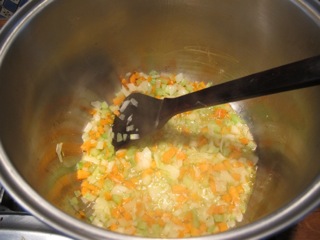
  • In a large pan gently sauté the carrot, celery and onion until they soften–about 10 minutes.

IMG_3994

  • Add the garlic, the cayenne (if using) and the sprigs of herb, mixing them in for a couple of minutes.
  • Stir in the tomato concentrate and cook a further couple of minutes.
  • Stir in the chickpeas and the purée.
  • Add the stock and the parmesan rind (if using) and bring the soup gently up to the boil.
  • Add the raw pasta and stir well ensuring the purée doesn’t stick to the bottom of the pan.
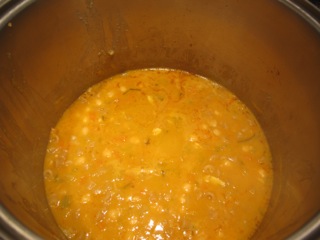
  • Season and simmer until the pasta is done–adding more liquid if it gets too thick.

IMG_3995

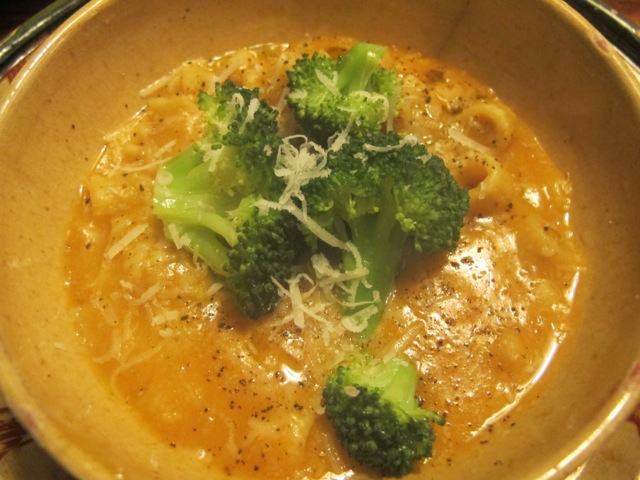
  • Serve hot–with the addition of some steamed broccoli, si vous voulez!

chickpea soup with broccoliIMG_3823

Along with its cousin, pasta e fagioli, these are my two favorite soups of the moment!

Read Full Post »

POST No. 500!

 announcing

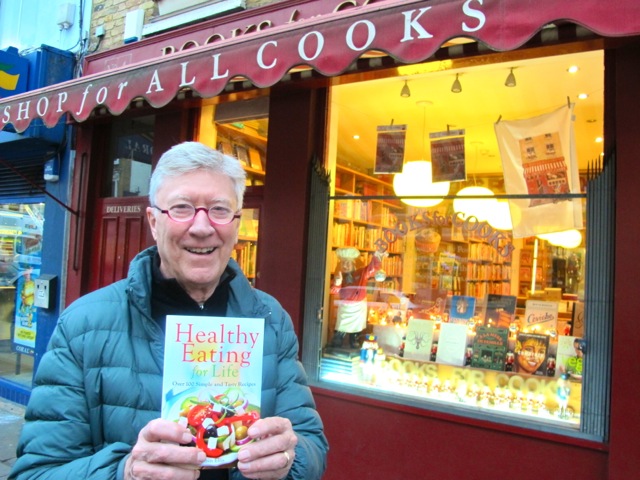
                  a BOOK-SIGNING in London for my new cookbook:

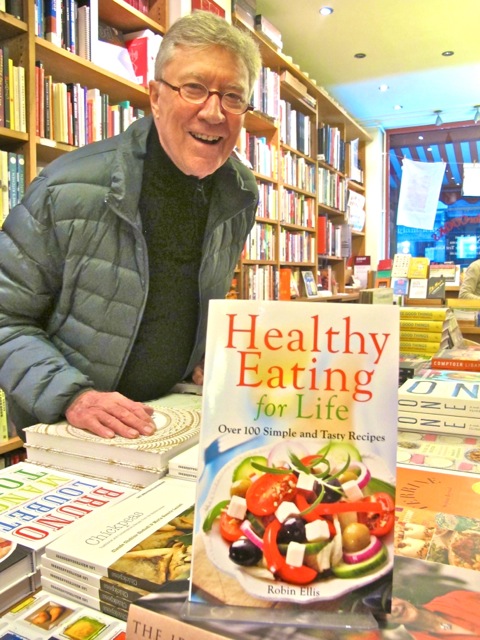
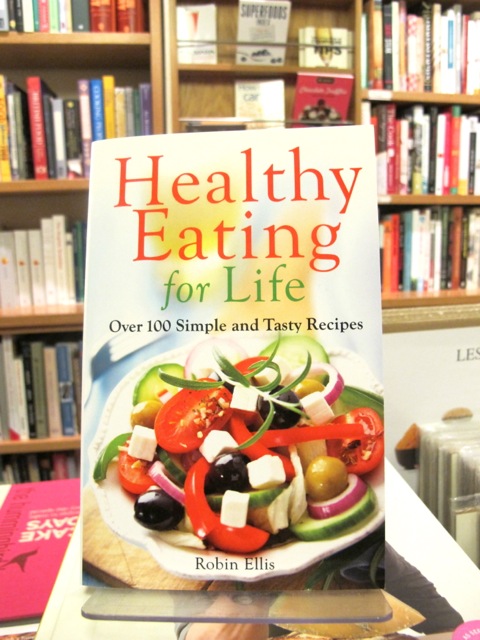
HEALTHY EATING for LIFE

image003

Come say hello and get your book signed on:

Thursday 16th January 2014

BOOKS  FOR COOKS

4 Blenheim Crescent (just of Portobello Road) Notting Hill,

London W11 1NN

http://www.booksforcooks.com/find_us.html

If you can’t attend and want a signed book, order via Books for Cooks and I’ll sign your copy  and they will post it on to you:

Tel 020-7221-1992
Fax 020-7221-1517

The bookstore has a café in the back serving  light lunch (arrive early to get a place!) or come for tea between  4.00 and 5.00pm on January 16th when I’ll be there signing books.

image006

image004

Read Full Post »

…heralding my new book, Healthy Eating for Life!
Image

(My first book  Delicious Dishes for Diabetics is alive and well and readily available.)

Healthy Eating for Life is published by Constable and Robinson,  on January 8th, 2014– and is available for pre-order. If you’d like a signed copy and live near London, I’ll be at Books for Cooks in Notting Hill on Thursday, January 16th, from 4pm-5pm. (If you can make it to Books for Cooks, please reserve your book with them ahead of time.)

From the Intro:

“Healthy eating for life”

What’s this?

Sounds like something handed down by a crusty old judge–a life sentence of eating humble pie for past sins.

“Prisoners at the bar, you have sinned most grievously, eating too much of the wrong stuff for too long. Bad habits must be punished! I therefore have no alternative but to sentence you to—HEALTHY EATING–FOR LIFE—take them down!”

Ouch!

But NO! Emphatically no!

This book is not promoting a diet of worms, grapefruit or any of the strict rule-ridden diets that are so guilt-inducing and hard to stick with.

It’s a book for people who love good food and enjoy cooking it or at least are willing to try. All manner of food, cooked in all manner of ways—a balanced diet, avoiding extremes.

“No one is born a great cook one learns by doing.”–Julia Child

Read Full Post »

DSC03246

In 2006 I worked on an episode of the Swedish TV version of Wallander, playing an American professor suspected of killing his wife. (Meredith couldn’t resist a visit to the set!).

It was an entirely enjoyable experience working with a fine cast and crew in Ystad on the southern tip of Sweden where the stories are set.

No hint was given in our episode that Kurt Wallander (played definitively by Krister Henriksson) was diabetic. Perhaps the production company decided not to go down that road.

A pity in my view.

Henning Mankell, author of the Wallander books, explained in an interview in The Daily Telegraph why he’d made his hero diabetic:

“I wanted to show how difficult it is to be a good police officer. But after, I think, the third novel, I spoke to this friend of mine and asked what sort of disease I could give him. Someone who leads the life he does. Without hesitating, she said: ‘Diabetes!’ So I gave him diabetes and that made him more popular. I mean, you could never imagine James Bond giving himself a shot of insulin, but with Wallander it seemed perfectly natural.”

I’m reading The Troubled Man at the moment–the last in the nine-book series.

It is as much a character study of his vulnerable and flawed detective as a thriller–an absorbing read.

Wallander is in his early sixties, divorced, living alone and full of foreboding and gloom about his future.

He doesn’t take care of his diabetes, which is Type 1.

He’s overweight, eats haphazardly and takes little exercise. At one point in the novel he has a hypo (hypoglycemic–low blood sugar–blackout) and nearly dies. He’s discovered naked and unconscious in the shower by his daughter, also a police officer, worried when she is unable to reach him by phone.

She has recently given birth to his first grandchild and is keen that he lives long enough to know his granddaughter and vice-versa.

Shocked into action by his narrow escape, he starts to take more care of his condition.

Henning Mankell doesn’t elaborate further on the condition, but saddling his main character with this disease of-the-moment works well and stealthily provides readers with helpful information, even if that wasn’t the author’s intention.

DSC03239

being wired for sound just before making a run for it!

For the record–my character is arrested, after a car chase, on the Oresund Bridge that links Denmark and Sweden.

800px-Øresund_Bridge_-_Øresund_crop

“OK Gov, it’s a fair cop!”

Read Full Post »

For the past few days I’ve been holed up in bed with the “lurgie” (a tummy bug).

In a reversal of roles, Meredith has been cooking and caring (she was ill first)–serving up simple, delicious, restorative vegetable soup and scrambled eggs.

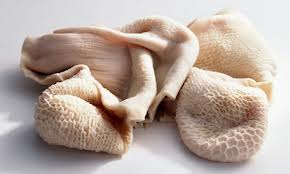
Yesterday I had stomach enough to read a brilliant piece in The Observer newspaper by food writer Jay Rayner challenging people’s reluctance to give a second try to food they have detested eating (or in my case, the thought of eating)–tripe for instance.

Unknown-3

It transported me back nearly 35 years to Madrid.

RobAnghorses_2

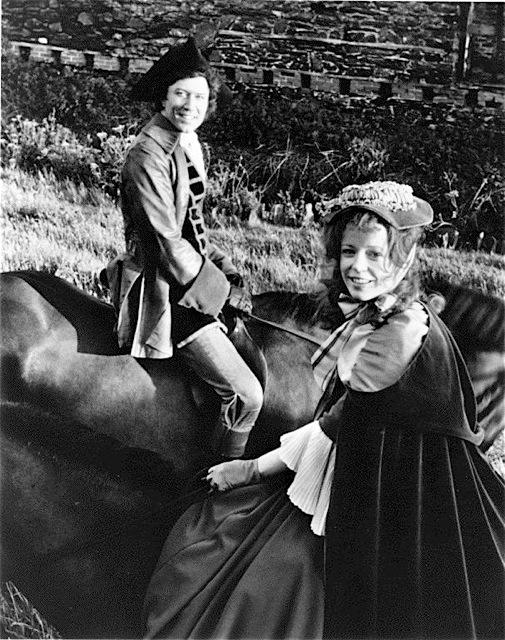
Angharad and I were in Spain to promote Poldark, which was proving enormously popular there.

At that time there were only two TV channels–and the other one was devoted to parliamentary debates.

The visit was an extraordinary experience.

Two thousand plus fans at the airport to welcome us. We were mobbed everywhere we went–it felt momentarily like being a Beatle. (Nobody waiting for us at Heathrow on our return, however….)

Years before Angharad had spent some months in the city au pairing for the family of a well known psychiatrist–a friend and professional colleague of her father Professor Lynford Rees.

Her return had a particular resonance for her and the Spanish family.

To celebrate, they threw a lunch party for us at their home.

It was a moment of peace, an escape from the craziness of the celebrity culture that was new to me and which I was finding both exciting and at times hard to handle.

(At one point, the tabloid johnnies were crowding me with questions about how it was that at the age of 35 I wasn’t married. Angharad–sensing the danger of an explosion–whispered in my ear, “Smile, Robin, for heaven’s sake, SMILE!”.

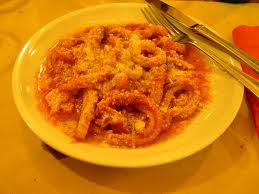
The party was delightful, of course, except for one detail: The main dish was tripe in tomato sauce.

Unknown-2

Photo found on the Internet–but strongly resembling the dreaded dish.

Tripe, I’m told, is a delicacy in Spain–and cooked by an expert (I have to take Jay Rayner’s word for it) it’s delicious.

I eat most things–growing up in the fifties, fussiness about food was not encouraged in our house. The starving children in India featured often at meal times when a reluctance to polish off the last crumb was shown. My mother never tried tripe on us though.

I remember looking down at the plate I’d been offered and after a moment mastering feelings of politeness, guilt and hunger, turning discreetly away from the crowd and parking the plate of offal, untried, behind a palm tree.

There have been moments since–in Florence for example where street stalls selling steaming piles of tripe are a regular sight–when I have thought about giving it a second try. So far I have managed to resist the temptation.

Anyone else willing to own up to a food phobia?

Read Full Post »

Five cats at the trough this morning.

Head cat, Pippa– (no messing!)

IMG_8658_2

Beau (always first in)…

IMG_2053

Ben (politely patient, knowing his place in the pecking order (low), tip-toes round the bowls.)

IMG_7333

and Lucien, who stomps around like a grumpy member of a fusty old London Men’s club finding his favourite chair is occupied by someone he’s never seen before and worse–a female.

On a dark night he does a good impression of “Bill Sykes“.

IMG_3912

Bill Sykes was never so cosy!

The “newcomer” is Blackie, who is gradually becoming an in-door cat after years of nervous coming and going pit stops–mostly out-doors.

IMG_8654

Blackie’s a cat with no tail but a lot of oomph.

IMG_9137

She has survived six or seven years in the relative wild–too nervous to put her head down indoors for longer than an hour or two.

Something is changing though–perhaps with age, sleeping rough every night through the seasons is losing its charm.

In summer she’d arrive for a quick snack with insect bites all round her eyes.

IMG_9515

It has been slow progress, but close encounters in the tomato patch have helped.

There’s a small bench there, perfect for an early morning cogitation/rumination, after a bit of weeding and watering.

This summer Blackie and I have spent some serious time together.

She appears from nowhere, entwines me in elaborate leg embraces, chatting away anxiously about something.

These early morning approaches have gradually calmed into more of a companiable, “Hi, how’s it going?” greeting, as she jumps lightly onto the bench beside me and nudges my arm.

This morning she “knocks” on the back door and enters at a pace, ate a little, jumps into her chair of choice and watches, unconcerned, as the others arrive.

IMG_9517

An indoor cat with rights like theirs.

We’ll see. The arrival of winter may settle it.

Later in the morning, I open the backdoor for Pippa; she’s off for her post-breakfast constitutional.

There below the step is Blackie, tucking into elevensies.

“Whoops!”

Pippa looks at Blackie for a long beat. She decides to lean forward and give her a nudging nose kiss. She then steps aside and down and saunters away.

Blackie enters and hops onto her favored chair and hunkers down again.

“Wow!” No Pippy hissy-fitting–things are changing round here.

A five cat household–oh my!

Read Full Post »

Time to “festival”!

IMG_7978

Here for a week in Edinburgh.

IMG_8011

First festival visit for nearly a quarter of a century–hard to believe how quickly the time flies.

We have achieved a modest total–for festival goers–of five plays, a variety show, a stand-up comedian, an art exhibit on the subject of witches and a talk by a lobby correspondent dishing the dirt on politicians, so far.

Meredith can count a visit to the book fair, a visit to the jazz club and ride on the bumper cars on top…

IMG_7990

…while I was taking 24 hours to go to London to be the studio guest on SATURDAY LIVE on BBC Radio 4.

Click below to listen to the programme (just until the end of the week!).

http://www.bbc.co.uk/programmes/b0381fm9

p.s. Oh yes and a whisky tasting too!

IMG_7930

With our host, Steve, at the Scottish Malt Whisky Society Tasting Bar

Read Full Post »

diabetes_gymnema1

This World Health Organisation report came out three years ago but is still relevant and contains information and explanations on Diabetes that are handy to have accessible at a simple click.

The italics and colouring are mine!

August 2011

Key facts:

  • 346 million people worldwide have diabetes.
  • In 2004, an estimated 3.4 million people died from consequences of high blood sugar.
  • More than 80% of diabetes deaths occur in low- and middle-income countries.
  • WHO projects that diabetes deaths will double between 2005 and 2030.
  • Healthy diet, regular physical activity, maintaining a normal body weight and avoiding tobacco use can prevent or delay the onset of type 2 diabetes.

What is diabetes?

Diabetes is a chronic disease that occurs either (Type 1): when the pancreas does not produce enough insulin or (Type 2) when the body cannot effectively use the insulin it produces.

Insulin is a hormone that regulates blood sugar.

Hyperglycaemia, or raised blood sugar, is a common effect of uncontrolled diabetes and over time leads to serious damage to many of the body’s systems, especially the nerves and blood vessels.

(Hypoglycaemia [not from the report] dangerously low blood sugar that can lead to coma. My mother had regular scares. She carried sugar cubes in her handbag taking them to stabilize her when she felt an attack coming on.  Occasionally it would happen when she was asleep in the middle of the night. Miraculously each time my father woke up instinctively and called an ambulance.)

Type 2 diabetes

Type 2 diabetes (formerly called non-insulin-dependent or adult-onset) results from the body’s ineffective use of insulin. Type 2 diabetes comprises 90% of people with diabetes around the world, and is largely the result of excess body weight and physical inactivity.

Symptoms may be similar to those of Type 1 diabetes, but are often less marked. As a result, the disease may be diagnosed several years after onset, once complications have already arisen.

Until recently, this type of diabetes was seen only in adults but it is now also occurring in children.

Impaired glucose tolerance (IGT) and impaired fasting glycaemia (IFG)

Impaired glucose tolerance (IGT) and impaired fasting glycaemia (IFG) are intermediate conditions in the transition between normality and diabetes. People with IGT or IFG are at high risk of progressing to type 2 diabetes, although this is not inevitable.

What are common consequences of diabetes?

Over time, diabetes can damage the heart, blood vessels, eyes, kidneys, and nerves.

  • Diabetes increases the risk of heart disease and stroke. 50% of people with diabetes die of cardiovascular disease (primarily heart disease and stroke).
  • Combined with reduced blood flow, neuropathy in the feet increases the chance of foot ulcers and eventual limb amputation.
  • Diabetic retinopathy is an important cause of blindness, and occurs as a result of long-term accumulated damage to the small blood vessels in the retina. After 15 years of diabetes, approximately 2% of people become blind, and about 10% develop severe visual impairment.
  • Diabetes is among the leading causes of kidney failure. 10-20% of people with diabetes die of kidney failure.
  • Diabetic neuropathy is damage to the nerves as a result of diabetes, and affects up to 50% of people with diabetes. Although many different problems can occur as a result of diabetic neuropathy, common symptoms are tingling, pain, numbness, or weakness in the feet and hands.
  • The overall risk of dying among people with diabetes is at least double the risk of their peers without diabetes.

What is the economic impact of diabetes?

Diabetes and its complications have a significant economic impact on individuals, families, health systems and countries. For example, WHO estimates that in the period 2006-2015, China will lose $558 billion in foregone national income due to heart disease, stroke and diabetes alone.

How can the burden of diabetes be reduced?

Prevention

Simple lifestyle measures have been shown to be effective in preventing or delaying the onset of type 2 diabetes. To help prevent type 2 diabetes and its complications, people should:

  • achieve and maintain healthy body weight;
  • be physically active – at least 30 minutes of regular, moderate-intensity activity on most days. More activity is required for weight control;
  • eat a healthy diet of between three and five servings of fruit and vegetables a day and reduce sugar and saturated fats intake;
  • avoid tobacco use – smoking increases the risk of cardiovascular diseases.

Diagnosis and treatment

Early diagnosis can be accomplished through relatively inexpensive blood testing.

Treatment of diabetes involves lowering blood glucose and the levels of other known risk factors that damage blood vessels. Tobacco use cessation is also important to avoid complications.

Interventions that are both cost saving and feasible in developing countries include:

  • moderate blood glucose control. People with type 1 diabetes require insulin; people with type 2 diabetes can be treated with oral medication. [A single 30mg pill in my case] but may also require insulin;
  • blood pressure control; [every three months in my case]
  • foot care. [I visit my chiropodist, Cyril every three months!]

Other cost saving interventions include:

  • screening and treatment for retinopathy (which causes blindness); [Once a year in my case].
  • blood lipid control (to regulate cholesterol levels); [once or twice a year this is included in my three monthly blood tests].  
  • screening for early signs of diabetes-related kidney disease. [once a year].

These measures should be supported by a healthy diet, regular physical activity, maintaining a normal body weight and avoiding tobacco use.

WHO activities to prevent and control diabetes.

The WHO Global strategy on diet, physical activity and health complements WHO’s diabetes work by focusing on population-wide approaches to promote healthy diet and regular physical activity, thereby reducing the growing global problem of overweight and obesity.

For more information, please contact:

WHO Media centre
Telephone: +41 22 791 2222
E-mail: mediainquiries@who.int

Read Full Post »
The UK’s Home Secretary, Theresa May, has revealed that she was recently diagnosed with Type 1 Diabetes.

08-theresa-may-gt

It was a real shock and, yes, it took me a while to come to terms with it,” she said. “It started last November. I’d had a bad cold and cough for quite a few weeks. I went to my GP and she did a blood test which showed I’d got a very high sugar level – that’s what revealed the diabetes.

“The symptoms are tiredness, drinking a lot of water, losing weight, but it’s difficult to isolate things. I was drinking a lot of water. But I do anyway. There was weight loss but then I was already making an effort to be careful about diet and to get my gym sessions in.”

The Home Secretary says she has been told that she will have to inject herself with insulin twice a day for the rest of her life–but she has no fear of needles and intends to carry on in her Cabinet post.

Mrs May’s determination to get on with her life reminds me of my mother, Molly Ellis.

the-ellis

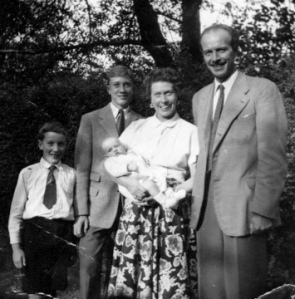
June 1955. Brother Jack in Molly’s arms. Her doctors overcame their doubts about letting her proceed with the pregnancy despite being a Type 1 diabetic.

Molly was diagnosed with Type 1 aged 38 in 1953.

She too injected herself twice a day for the rest of her life.

Eventually she died of a sudden heart attack linked to her condition–but she made it to 67–almost 30 years with Type 1 diabetes–and in those days treatment was not as advanced as it is now.

Molly was not a professional politician–and the cabinet she loved best was hanging in a corner! But she carried on leading a full life, running the household and raising three boys.

The last six years of her life were spent in a Buckinghamshire village called Brill–not too far from Oxford. She and Dad retired there from London. They threw themselves into village life and were much appreciated for it.

I’d wager that not many in the village, apart from her doctor,  John Spence, knew she was diabetic–and few would have understood what it meant.

ma3img_0044_2

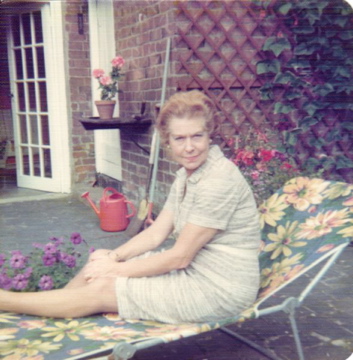
Molly relaxing in Brill–after preparing lunch I’d guess!

She never liked to make a fuss.

Her heart attack happened one morning as she was finishing dressing to go shopping. Her heart finally gave up after years of struggle.

Her gift to me was an understanding of how damaging diabetes can be if ignored. When I received my diagnosis of Type 2 diabetes in my mid-fifties, I took it seriously, thanks to witnessing my mother’s journey.

There’s still a shocking ignorance surrounding the condition.

Theresa May’s high profile and very public admission that she is Type 1 helps focus attention on and heighten awareness of this ruthless and insidious menace.

Read Full Post »

IMG_2286

We just got news of cancellations for the October 2013 workshop–freeing up several places.

IMG_2230

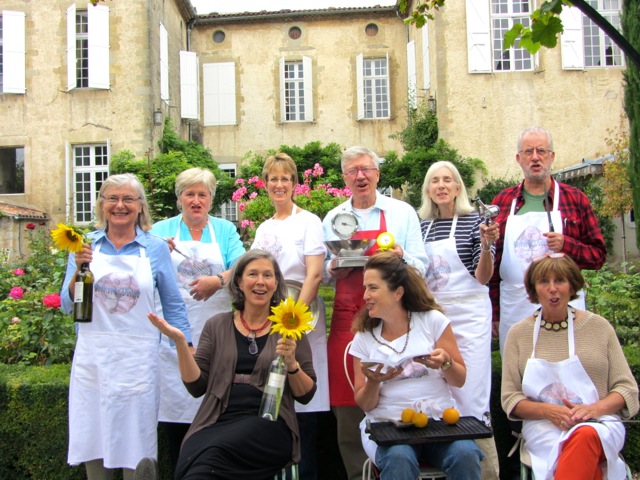
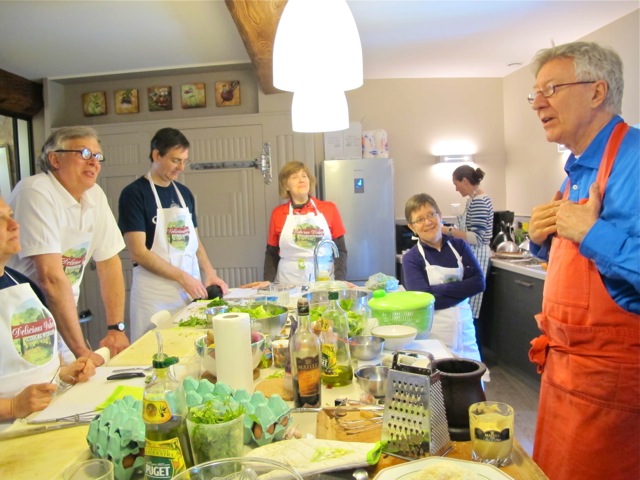
Below are some impressions from Bravehearts (my name for those intrepid souls who’ve been brave enough–crossing continents in some cases–to take a risk and sign up!) who came to the previous workshops (October 2012 and May this year).

I liked the small, hands-on nature of it.  Robin made the whole thing feel very informal and yet everything was very well organized.   

IMG_2190

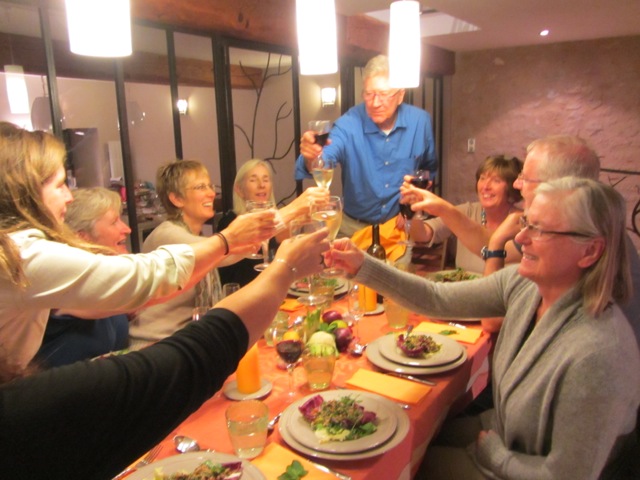
I also like that there were breaks.  I never felt overwhelmed.  Indeed, the whole thing felt like the most amazing multi-day dinner party at which no one ever was tired or bored!

–Christopher Lupone

————–
 Robin’s teaching method: his ability to present his recipes and ingredients to a group of total strangers in a way that put everyone at ease. That naturalness of manner helped everyone work very well together. It was fun! 
IMG_6013

Excellent kitchen workspace worked very well for this size group. Well-lit, squeaky clean, not too industrial, new appliances…Much like a well-appointed home kitchen which enhanced the feeling of camaraderie among the participants.

–Dan and Jane Berical

IMG_5916

—————–
I enjoyed cooking and dining with the group–Robin’s happy approach to cooking – not fussy or dogmatic – and his relaxed approach to the class. This workshop succeeded because of Robin and Meredith (and Daisy and Valerie and Dominique and Philippe)! Their charm, encouragement and enthusiasm for cooking and living well was contagious! The wine cellar was amazing! Our final lunch on the terrace was memorable. Wine at Robin and Meredith’s house at the end of the class was the icing on the cake.
–Betsy Weber
IMG_2141
————
 I have always loved olive oil but we are constantly being bombarded that we should cook and eat as fat free.  After attending your workshop I started cooking with olive oil on a regular basis.  I eat it almost every day now.  I had my annual physical last week and I was very curious to hear my cholesterol levels as I was so afraid ingesting the olive oil would drive up my numbers.  This was going to be the moment of truth……  My cholesterol was 166 down three points from last year’s 169!  Not bad at all.  I have even dropped a few pounds.  So what is with this fat free hype?  
–Mary Pirog
IMG_2292
Come be a Braveheart this October–3rd-6th!
For details–here’s the link!


Read Full Post »

« Newer Posts - Older Posts »