Feeds:
Posts
Comments

Archive for the ‘Recipes’ Category

Two old favourites

As an appetizer before dinner last night Meredith served our friends Hilton and Lindsay pinzimonio–without quite knowing…!

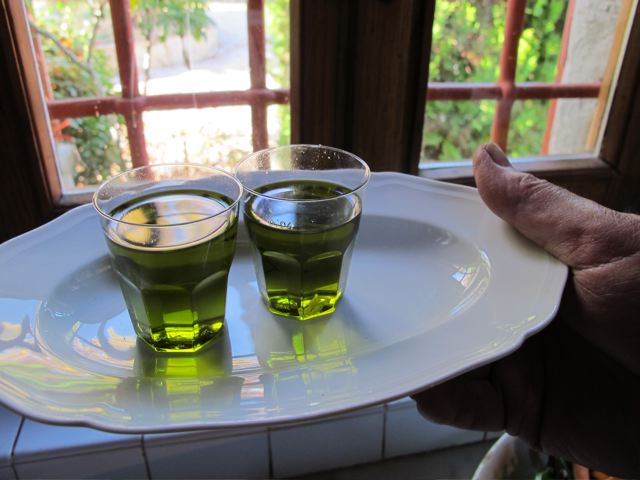
Pinzimonio, I discover (by a chance re-reading of Lesley Forbes’ lovely book,  A Table in Tuscanyis a Tuscan olive oil dip, best made with the oil from newly-harvested olives.

It’s usually served with raw or lightly-cooked vegetables such as fennel, red and yellow peppers, celery, radishes and artichokes.

Simply pour some beautiful green olive oil on the plate, add a little sea salt and black pepper and dip a slice of vegetable in it.

Sometimes a little lemon juice is added–but this is frowned upon by Tuscans, according to  Wilma Pezzini in her Tuscan Cookbook!

Meredith substituted rough country bread for the vegetables and left out the salt and pepper–‘It didn’t need salt and pepper!,’ she just said disdainfully.

A parsimonious pinzimonio!

I watched in dismay from the stove area as the three of them dipped and dipped–putting away  helping after helping of this simple but morish dish.

You won’t have any appetite left!‘ I cried in vain!

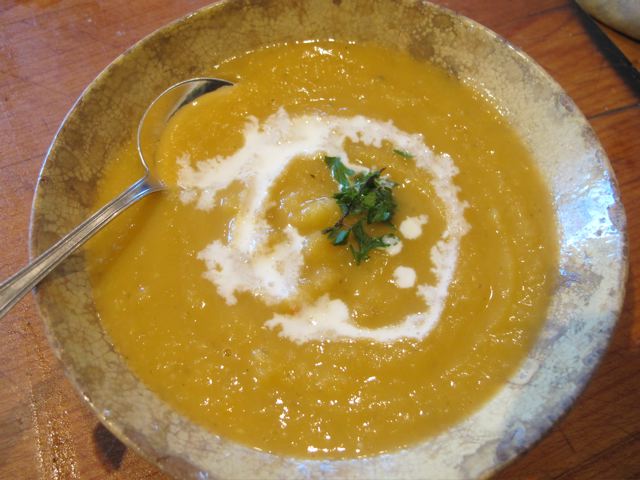
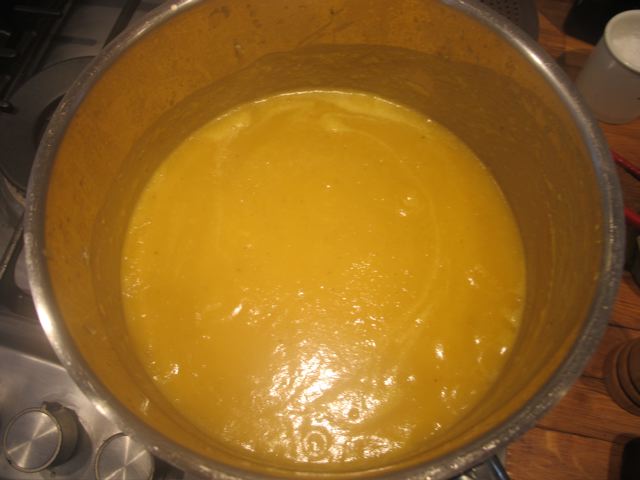
But pinzimonio proved a true appetizer–they all managed some butternut squash soup and a healthy plate of spatchcocked chicken, romanesco broccoli (aka Roman cauliflower), green salad, Italian peccorino cheeses and baked apples!
Read Full Post »

The green “gold” that won 2nd prize at the Fiera dell’Olio in Cavriglia, Tuscany last Sunday.

Our friend Keith has emailed to say their new season olive oil from his Podere [farm]Boggioli won second prize at the local fair this week. A good enough reason, if I needed one, to cook one of Helen’s signature dishes for lunch today.

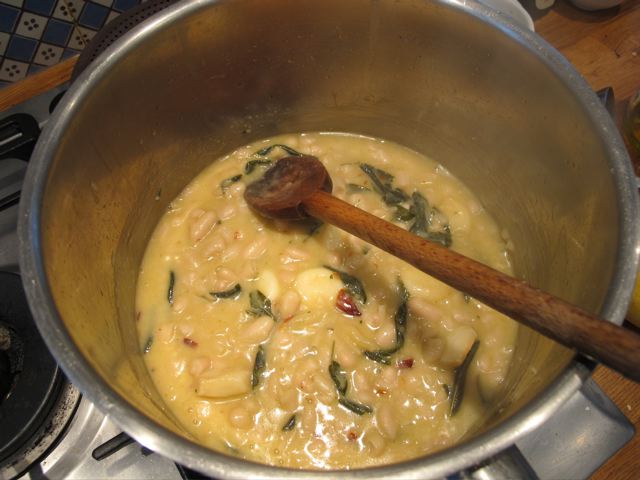
Helen cooked this delicious pasta after the last olive was in the basket and the picking was done for another year.

Two of the team stayed to eat it with us–Lucio and Ivan. Both still had  their own trees to harvest.

I like to think they’d had the dish before and knew it was irresistible.

for 2  [for 4–double up on the beans and their liquid and add 4 oz/100 gms more pasta]

200 gms/8 oz wholewheat penne

4 tablespoons olive oil

8 cloves of garlic–peeled but kept whole

a handful of fresh sage

2 small red (hot) chilies–chopped

1 tin  [about 200 gms drained] of white beans–drained, but their liquid retained

4/5 tablespoons of stock–I dissolved half an organic vegetable stock cube in a mug of hot water

salt

  • Heat the oil in a large saucepan.
  • Add the garlic and let it colour a little.

  • Add the sage and chilis and let them cook on for a few moments.
  • Add the beans and cook gently for about fifteen minutes–adding the bean liquid little by little to make a thick runny sauce.
  • I continued cooking the mix a little longer, adding the tablespoons of stock–a couple at a time–to keep the mixture loose without losing the thick viscous quality of the sauce.

  • Some of the beans will melt into the sauce.
  • Season with salt and taste.
  • Cook the penne in plenty of salted water until just tender.
  • Drain the pasta.

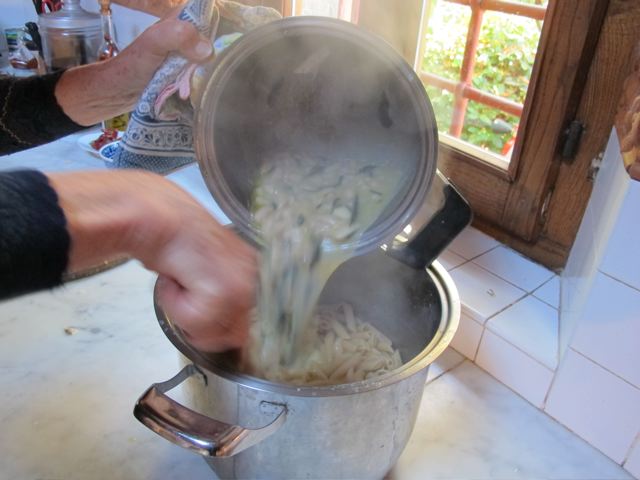
  • Add the sauce to the pasta and let it meld in.
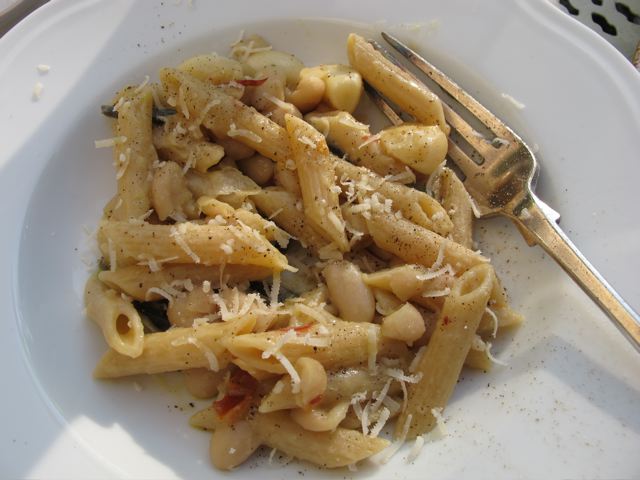
  • Helen doesn’t serve grated parmesan with this pasta–but it’s up to you, of course.
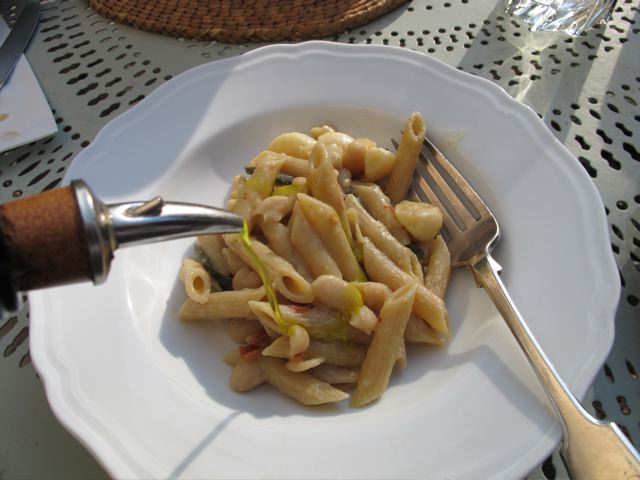
  • I poured over a little of the new olive oil–naturally!

  • Meredith added a little parmesan–that’s marriage for you!
  • We ate it “al fresco” in the late autumn sunshine.

Read Full Post »

We rolled up from London last night heaving sighs of relief to be back.

The cats were a bit crabby and there was no heat or  hot water–but there’s no place like home, Toto!

Nephew Dominic had kindly laid two fires and we were soon hunkered down in the kitchen, eating plates of rather too al-dente penne in tomato sauce!–a glass or two of Italian red softened us up at least.

Sitting in the larder was a butternut squash– looking a little hurt at being neglected for two weeks.

Well–this evening it will help keep our bodies warm and our  spirits up, transformed into:

Simple Butternut Squash Soup

for 4

1 onion–chopped

2 tablespoons of olive oil

1 butternut squash–peeled and medium diced

leaves from 3/4 sprigs of fresh thyme–chopped

1 small dry red chili

1.5 pints/just over a litre of stock

salt and pepper

a good grating of nutmeg

dry roasted pumpkin seeds–lightly crushed

  • Heat the oil in a large saucepan.
  • Add the onion and sweat on a low heat for 5 minutes until soft.
  • Add the squash, the chili, the thyme and turn the whole mix over.
  • Season with salt and pepper–remembering that the stock will have salt in it.
  • Add the stock, bring it slowly up to the boil and let it simmer until the squash is tender.
  • Remove the chili and let the soup cool a little before liquidising it.
  • Check the seasoning–mine needed more salt.
  • Serve hot with the pumpkin seeds sprinkled on top.

Read Full Post »

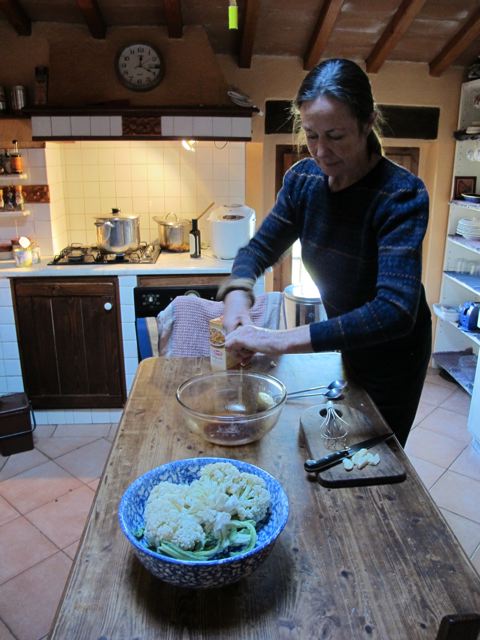
Helen, our hostess here in the Tuscan hills, is an insoucient cook–(a quality I have yet to achieve).

Helen with paprika sauce

She will throw some of this and a little more of that into her tall saucepan and very quickly the aroma of lunch fills her kitchen.

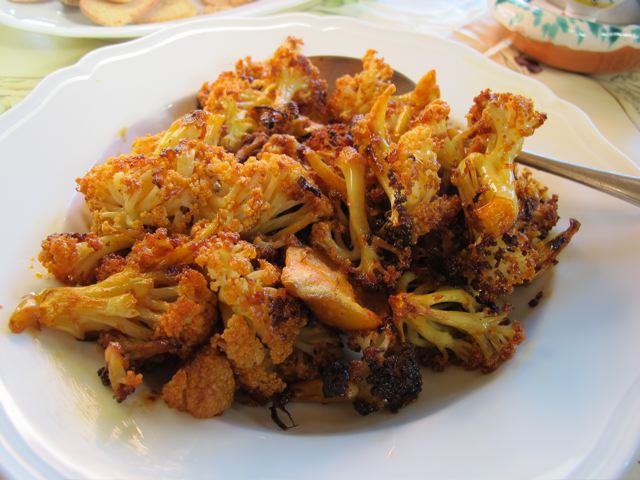
Angelino, one of our host Keith’s expert olive picking team, brought up a very large cauliflower from his garden one morning last week and Helen made a sauce of olive oil, paprika and lemon juice to bathe it in before roasting it in a moderate oven for 40 odd minutes.

She served it with slices of pork fillet roasted with rosemary from her garden the night we arrived.

The cauliflower dish turned out to be one of those you find your fingers sneaking back to when the hostess isn’t looking. Ju-ust one more little piece…uum!

Helen says she’s happy for me to reproduce the recipe here.

1 cauliflower–stem removed and split into smallish florets

2 tablespoons of olive oil

1 teaspoon of paprika–(I’m going to try it with the sweet smoked Spanish stuff back at the ranch)

juice of a lemon plus a little extra water (I noticed Helen fill the squeezed lemon halves with water and squeeze them out again–getting the most out of a lemon!)

salt and pepper

oven at 170C/325F

  • In a large bowl whisk the oil, paprika and lemon juice together into a dark red viscous sauce.
  • Add the cauliflower to the bowl and turn them over and over in the sauce.
  • Sprinkle with salt and pepper.
  • Spread out the cauliflower in a shallow roasting tray.
  • Roast in the oven for about 40 minutes.
  • Don’t expect much left over!!

Meredith, not usually a fan, gave it the thumbs up as the best cauliflower dish she’d ever had.

Read Full Post »

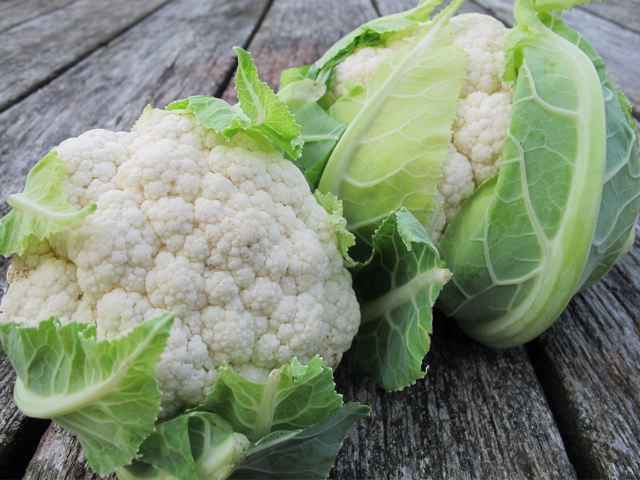
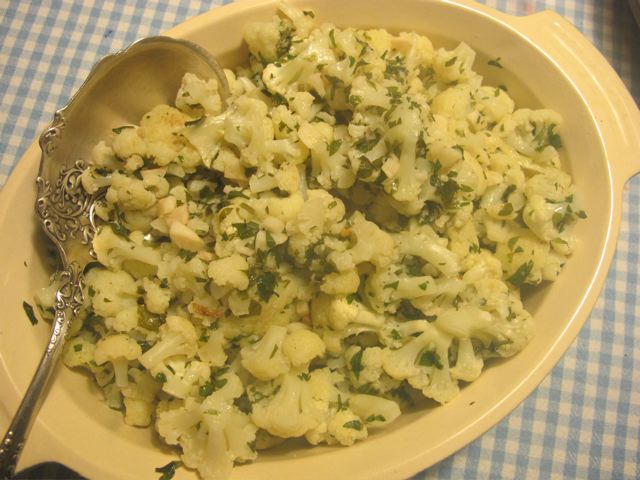
“Caulies” look so tempting and beautiful…

…but what to do with them in the kitchen apart from smothering them in a cheesy white sauce?  I’ve always found them bit of a challenge.

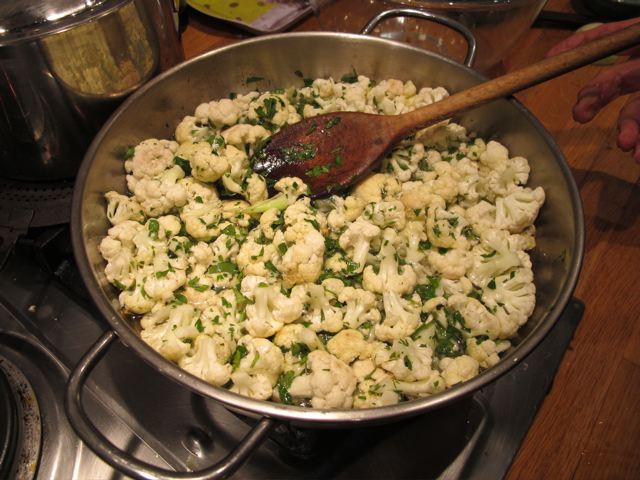
This delightful recipe is adapted from one in Anna del Conte’s Northern Italian Cooking–a fascinating culinary tour.

She was given it by her host in the western region of the Marches (on the Adriatic coast east of Umbria).

Because the cauliflower is broken down into small florets, there’s a delicacy about it that’s attractive.

1 cauliflower–divided into small florets (it’s worth taking the time to divide them small–it makes the dish look more inviting).

4  tablespoons of olive oil

2 cloves of garlic–chopped

1 dried red chili–chopped roughly or keep it whole for a result less hot

3 tablespoons of parsley–chopped

half a small glass of white wine

salt and pepper

for 4

  • Heat the oil in a sauté pan large enough to take the florets in a single layer.
  • Add the florets to the pan with the garlic and the parsley.
  • Turn over this pretty mix then sweat it gently for 5 minutes–to let the cauliflower take up the flavour of the oil and garlic.
  • Add enough water to come half way up the florets.
  • Mix in some salt and bring the pan up to the simmer and cook gently for 3 to 4 minutes.
  • Add the wine and cook for a further couple of minutes to burn off the alcohol.
  • The florets should be tender.
  • With a slotted spoon remove the cauliflower to a warm serving dish and reduce the remaining liquid to a tasty sauce to pour over the florets.
  • Add pepper–a few twists of the mill.
  • Scatter over the remaining parsley and serve.

Read Full Post »

A “use up those vegetables in the fridge” soup–very simple.

I made it this morning with our lunch in mind–another comfort soup for autumn–finally arrived.

I came back from a walk to find our friends and neighbours Flo and Thierry here–with gifts of sweet chestnuts and champagne, brought to toast the arrival of autumn–great minds…!

They stayed for an improvised lunch, anchored by a bowl of hot soup.

for 4

3 fennel bulbs–outer layers removed, halved and chopped

2 leeks–thoroughly washed and roughly sliced

3 garlic cloves–peeled and chopped

1 tablespoon of olive oil

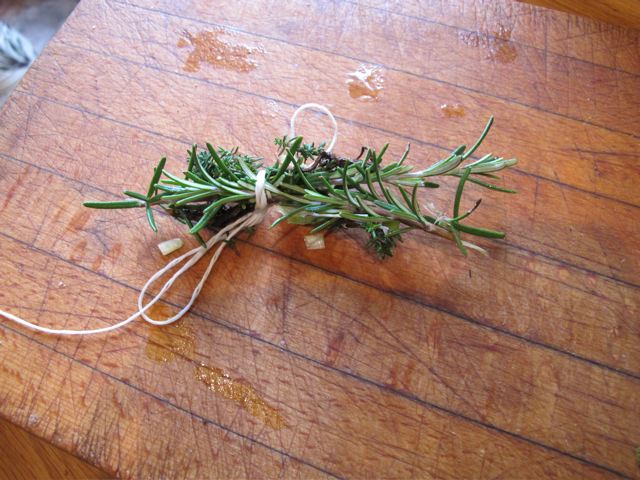
a sprig each of rosemary and thyme–tied together if possible

A good pinch of nutmeg–grated

1 litre/2 pints of stock–I use organic vegetable stock cubes

2 tablespoons of parmesan–grated

salt and pepper

  • Heat the oil in a large saucepan.
  • Add the chopped fennel, leeks and garlic.
  • Turn them over in the oil.
  • Add the little bunch of rosemary and thyme.
  • Gently sweat the vegetables–covered — for 10 minutes.
  • Remove the herbs.
  • Add the pinch of grated nutmeg.
  • Add the stock, bring up to the boil and simmer for about 20 minutes.
  • When the soup has cooled a little–liquidise it.
  • Stir in the parmesan and check the seasoning.
The hosts were distracted, so no more photos–desolé!

Read Full Post »

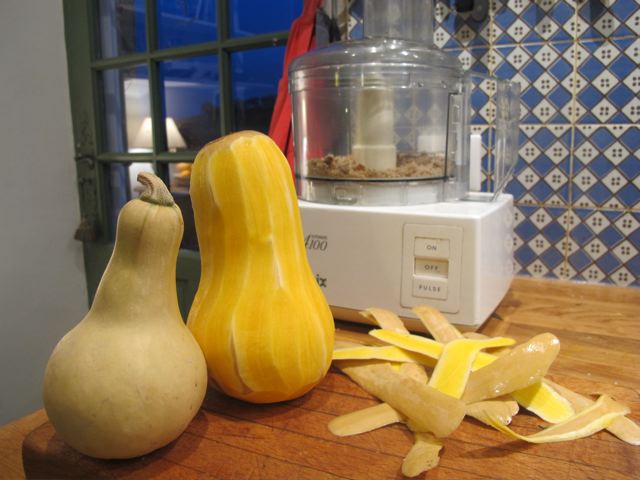
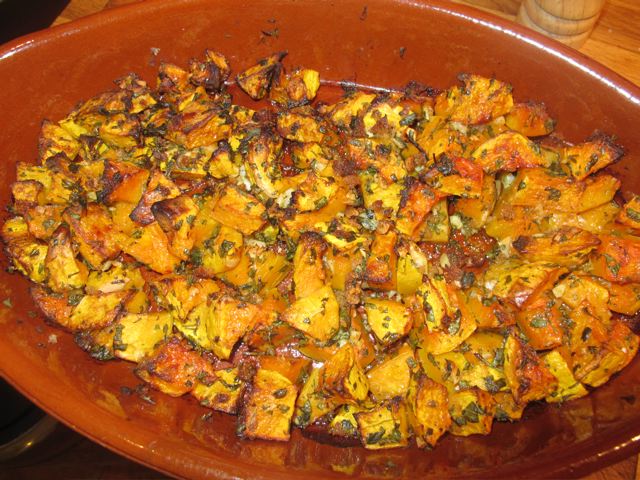
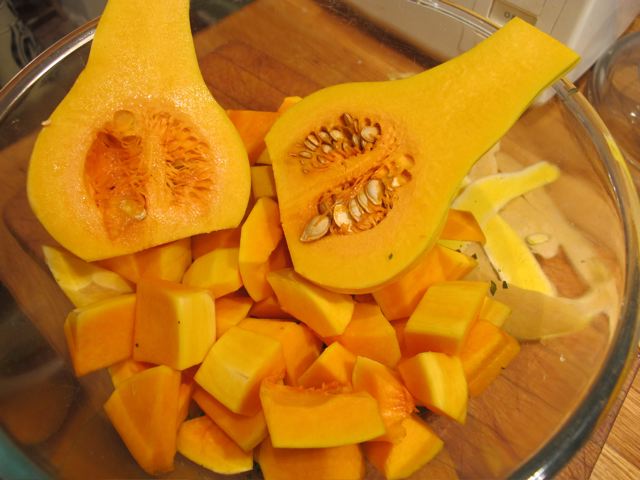
1st Bttrnt Sq. "What'll we be today?"--2nd Bttrnt Sq. "Gratin I think--scary!".

This is delicious–I’ll stick my neck out.

We had it with some seasoned quinoa (sautéed onion, garlic, a small chili and a little steamed broccoli) last night for dinner and nearly finished the lot.

The recipe is adapted from one in the New York Times*, which in turn was adapted  from a recipe in a cookbook by a legendary American food writer*, who most likely adapted it from something he ate in a restaurant in Provence*, which was probably invented by the grandmother of the restaurant owner*–who had passed it on to her daughter*.

In other words it’s a version of a traditional seasonal gratin dish.

It can be eaten as a vegetarian main course as we did last night or as an accompaniment to a roast chicken or some lamb chops–for instance.

for 4

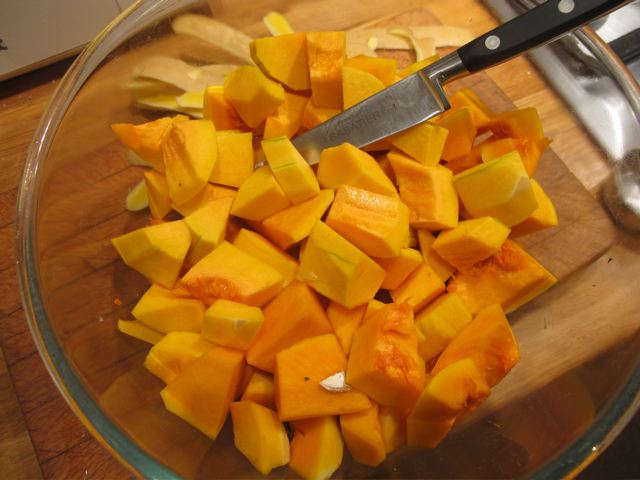
1kilo/2 lbs of butternut squash–peeled, deseeded and cut into small chunks

4 cloves of garlic–peeled and chopped small

1 generous tablespoon of wholewheat/rye breadcrumbs

1 generous tablespoon of parsley--chopped

1 tablespoon of fresh thyme leaves

salt and pepper

3 tablespoons of olive oil

set the oven to 190C/375F

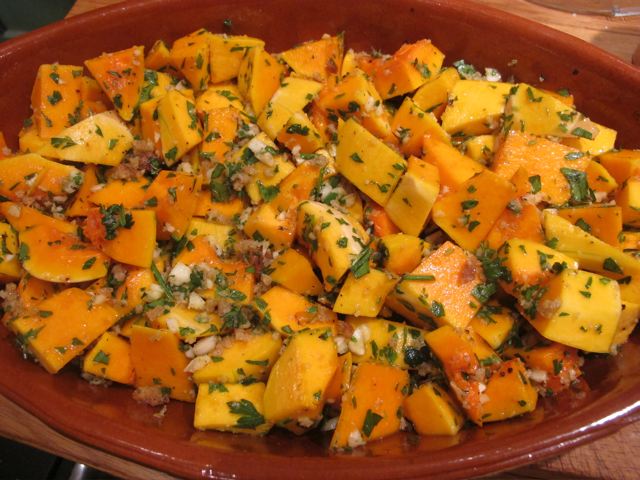
Combine all the ingredients in a large  bowl and turn them over and over mixing them thoroughly together.

Tip into a roasting tray or better still an earthenware ovenproof dish.

Roast in the middle of the oven, for about an hour and a half–so it comes out nicely charred on top.

1*–Martha Rose Shulman

2*–Richard Olney–auther of Simple French Food

3*–All three names lost in the mist of time!

Read Full Post »

There are two very simple salmon fillet recipes in Delicious Dishes for Diabetics–published a couple of days ago in the USA–hooray!and in August in the UKhooray 2!.

Quentin Blake the illustrious illustrator of children’s books offered this slow-cooked way with salmon (and a very simple Sea Bass recipe–also in the book) in a “What’s your favourite recipe? ” magazine piece some  years ago–sadly unillustrated!

The slowness is the key to the succulent mouth-watering result!

for 2

2 fillets of salmon–skin left on and weighing about 180–200g/6–7 oz each

salt and pepper

  • Run your finger over the surface of the fillets to check for bones.
  • Rinse the fillets and pat them dry.
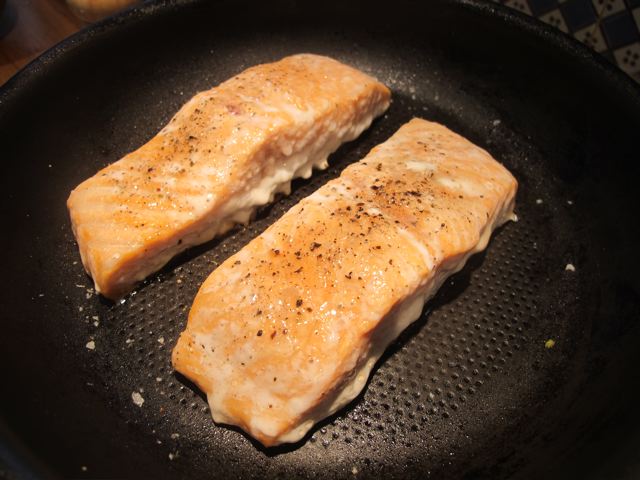
  • Place them in a sauté pan skin side down.
  • Without any oil added to the pan, cook them over the lowest possible heat for about 20 minutes or until you see the lower half becoming opaque.
  • Season with salt and pepper then cover the pan.
  • Continue cooking about another ten minutes until a creamy white juice oozes onto the surface of the fillets, indicating they are done.
  • So about 30 minutes for the whole process–depending on the thickness of the fillets.
  • Swiss chard or spinach goes well and lends a lovely contrast in colour.

We had some little silver grey lentils too for lunch just now; I love them–though they can be “windy”!

Read Full Post »

This is very simple to do.

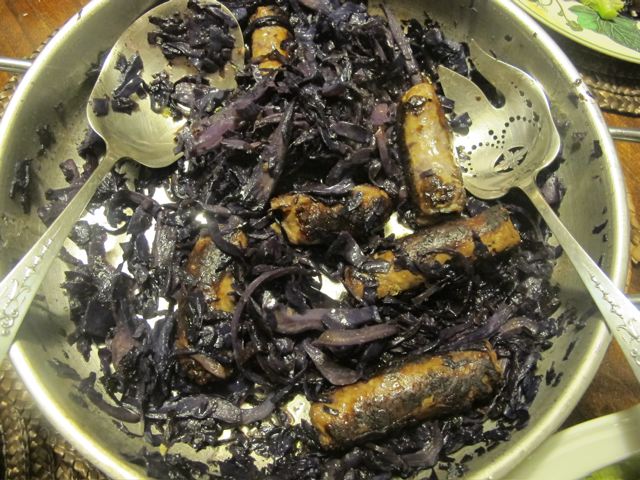
Slow cooked sausages are added to slow cooked strips of red cabbage and are slow cooked on a little, to let them get to know each other!

This is adapted from a recipe in the remarkable Marcella Hazan’s 2nd Classic Italian Cook Book.

For me, her books have been–still are–inspiring treasure troves of  authenticity.

Nothing else is needed here except perhaps a little of your favourite mustard.

for 3/4

  • 700gms/1.5 lb red cabbage– cored and sliced fine
  • 450 gms/1lb of your favourite pork sausages– cut in 3″/4″ lengths
  • 2 cloves garlic– chopped
  • 6 tablespoons of olive oil
  • salt and pepper
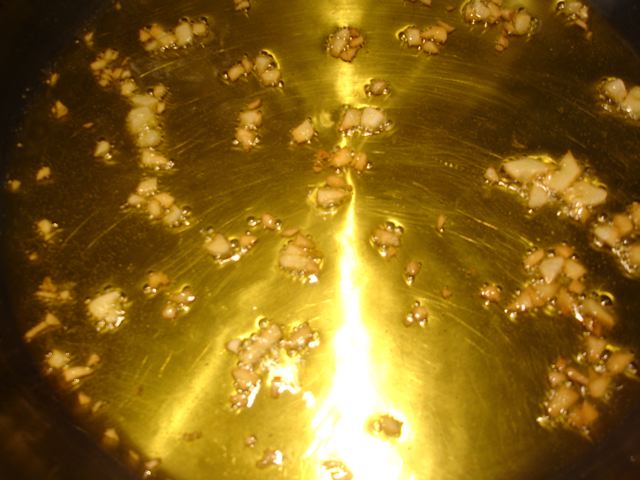
  • Heat the olive oil in a large pan or casserole and gently sauté the garlic until it is golden.
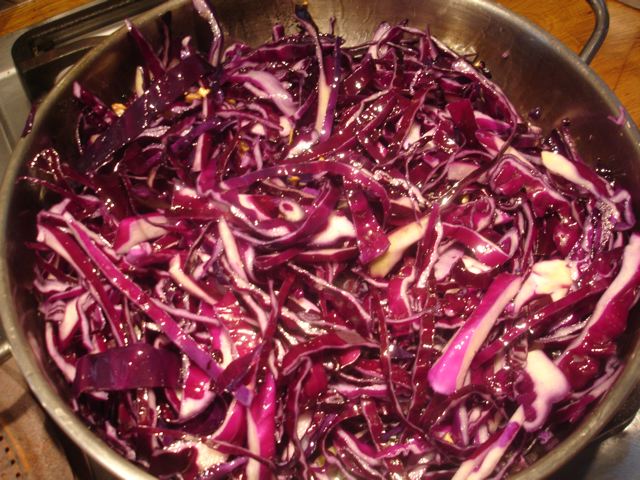
  • Add the cabbage and turn it over well in the oil and garlic.
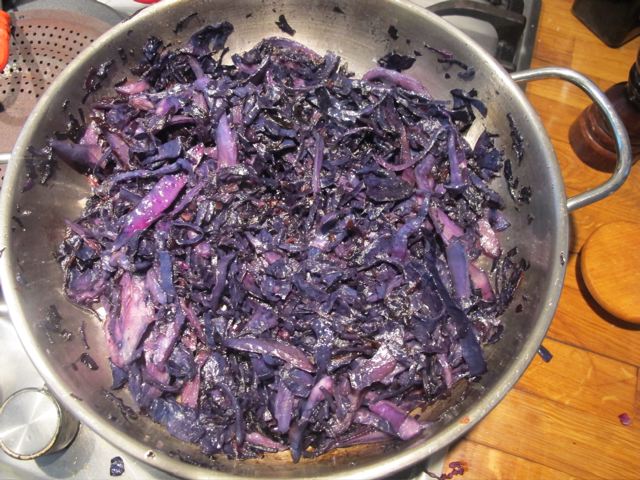
  • Let it reduce gently–turning it from time to time–for about 20-30 minutes.
  • While the cabbage is cooking–sauté the sausage pieces in a separate pan brushed with a little oil.
  • Brown them gently all over.
  • When the cabbage has reduced, season well with salt and pepper.
  • Tuck the sausages under the gleaming purple cabbage and cook them together for another 20 minutes–turning them from time to time.
We had some lovely steamed  broccoli with it last night–a touch of green on the plate, for colour contrast.
Bon apetit!

Read Full Post »

We tasted this new soup for lunch.

When Dianne P. from New Hampshire posted her memorable photos taken 33 years ago, in autumn of 1978 on the set of The Europeans in New Ipswich, New Hampshire on Flikr last night, it put me in mind of the late Ismael Merchant’s cooking.

He was the producer half of  Merchant/Ivory productions–Jim Ivory is the director of their movies.

I played the frustratingly “unable to commit” Robert Acton, opposite the much lamented and talented Lee Remick, in their film of Henry James’ novella.

Ismael was a wonderful cook and would sometimes use his talent to smooth the ruffled feathers of nervous creditors when the film threatened to overrun.

One of his curry feasts, I remember, bought us enough time to finish the film!

There’s a soup in his book Indian Cuisine called “Claverack Carrot Soup“.

We used to have it often, but after I was diagnosed with type 2 diabetes, it came “off the menu”, because of the potatoes and carrots in it.

I had some fennel and a sweet potato I wanted to use and a nobly piece of ginger–and autumn has  arrived with the clocks going back;  so I thought I’d experiment–with a nod to Ismael and thanks again to Dianne!

1 medium onion–chopped roughly

1 tablespoon of olive oil

12 oz of cleaned and chopped fennel

12 oz of peeled and chopped sweet potato

1 clove of garlic–chopped fine

a thumb-nail size piece of  fresh ginger–peeled and chopped fine

1.5 pints of stock–I use organic vegetable stock

a little single cream or yogurt to swirl on top in each bowl

Salt and pepper

for 4

  • Heat the oil in a large saucepan and add the onion.
  • Soften it for 10 minutes without browning it.
  • Add the fennel and the garlic, mix it in with the onion and gently sweat the mixture–covered–for 15 minutes.
  • Add the sweet potato and the ginger, mix it in and sweat–covered–for a further 15 minutes.
  • Season the mixture–keeping in mind that the stock will have salt in it.
  • Add the stock and cook it for another 10 minutes–uncovered.
  • Let the soup cool for a few minutes before liquidising it.
  • I use a hand-held liquidiser/blender.
  • Serve hot with a swirl of cream or yogurt on top.
  • Meredith thought a single piece of crispy bacon for each bowl would be good too–we’ll try that next time.

Read Full Post »

« Newer Posts - Older Posts »