Feeds:
Posts
Comments

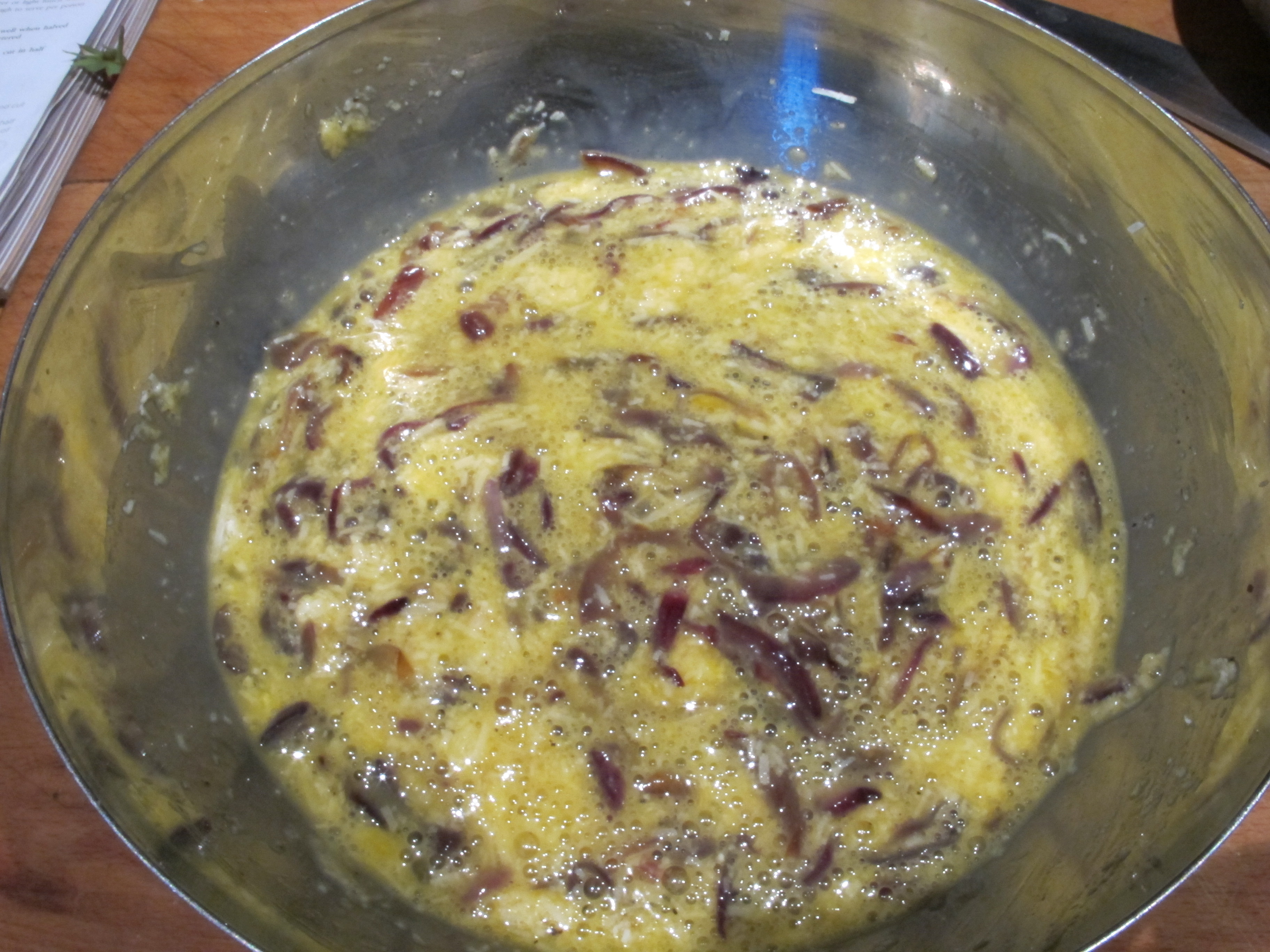
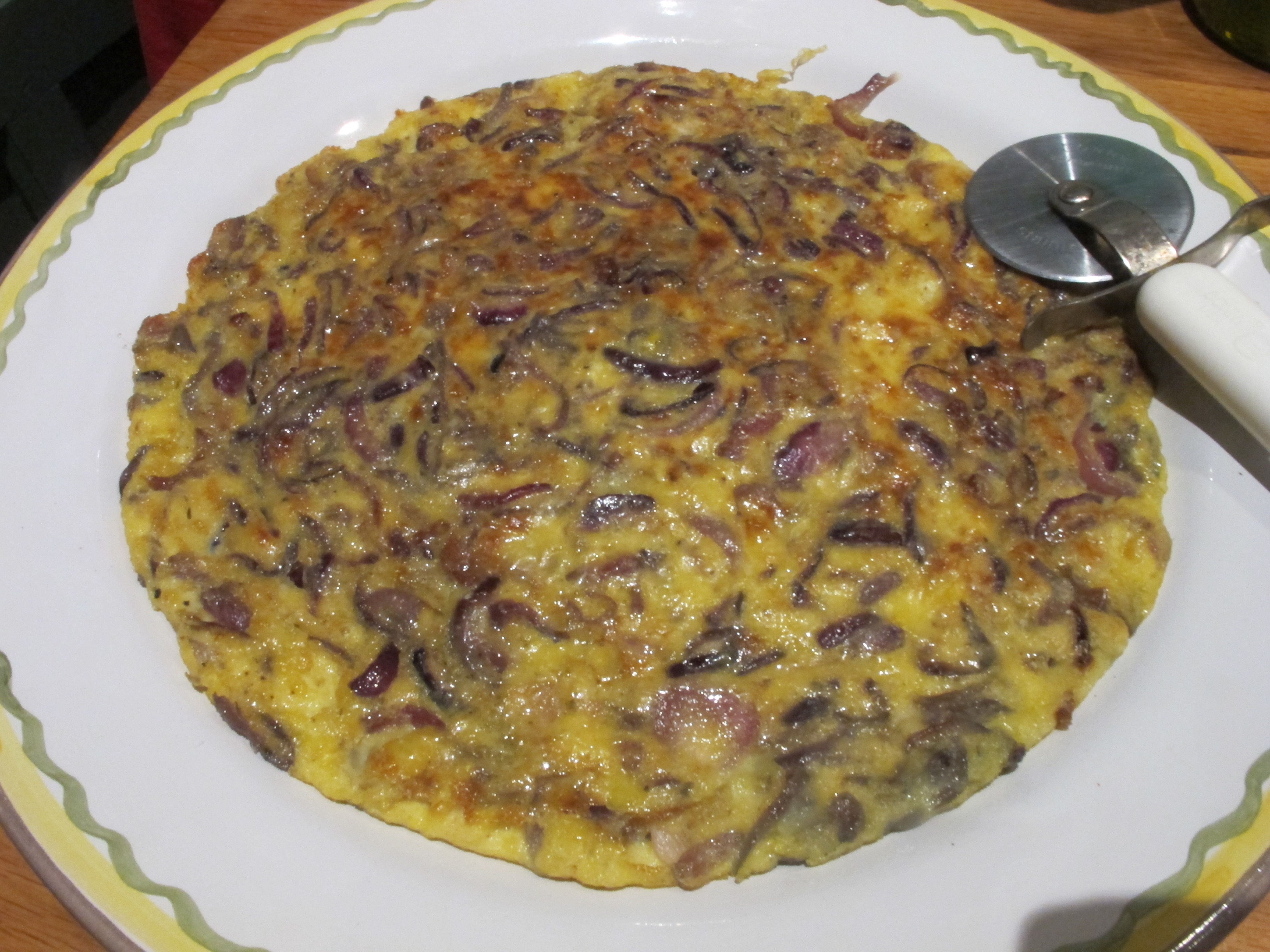
Red onion frittata

Something to do on a slow day.

Today for example!

Up ’til late watching the Olympic closing ceremony last night–lazy morning catching up on life with house guests–sunny but mild outside–prospect of more talk and lunch under the fig tree–slices of fritatta with a green salad and a plate of brilliant red tomatoes, sliced, with olive oil and torn up basil leaves, setting us all up nicely for an afternoon siesta.

Patience is the extra ingredient that makes the difference between dry and moist frittatas.

In this case patience to melt the sliced onion slowly and not to rush the cooking of the omelette.

A simple classic frittata from one of my favorite old cookbooks: Marcella Hazan’s 2nd Classic Italian Cookbook.

6 tblsps olive oil

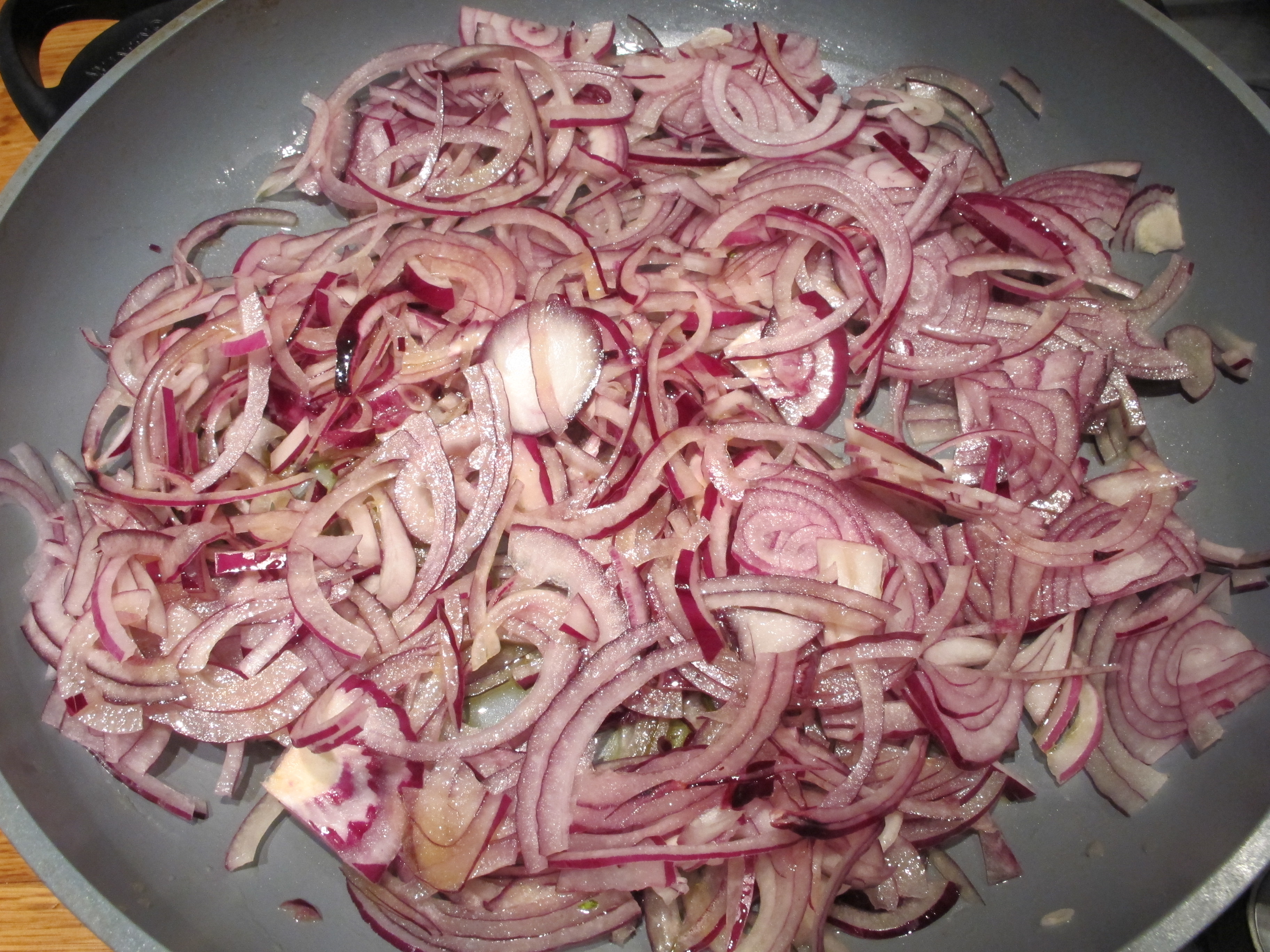
450gms/1lb red onions–sliced thin
5 eggs

50gms/2oz parmesan–freshly grated is best

salt and pepper

  • Heat the oil in a large frying pan and add the onion.
  • Sauté over a low heat until the onion starts to caramelise and that pleasing scent wafts over the kitchen.
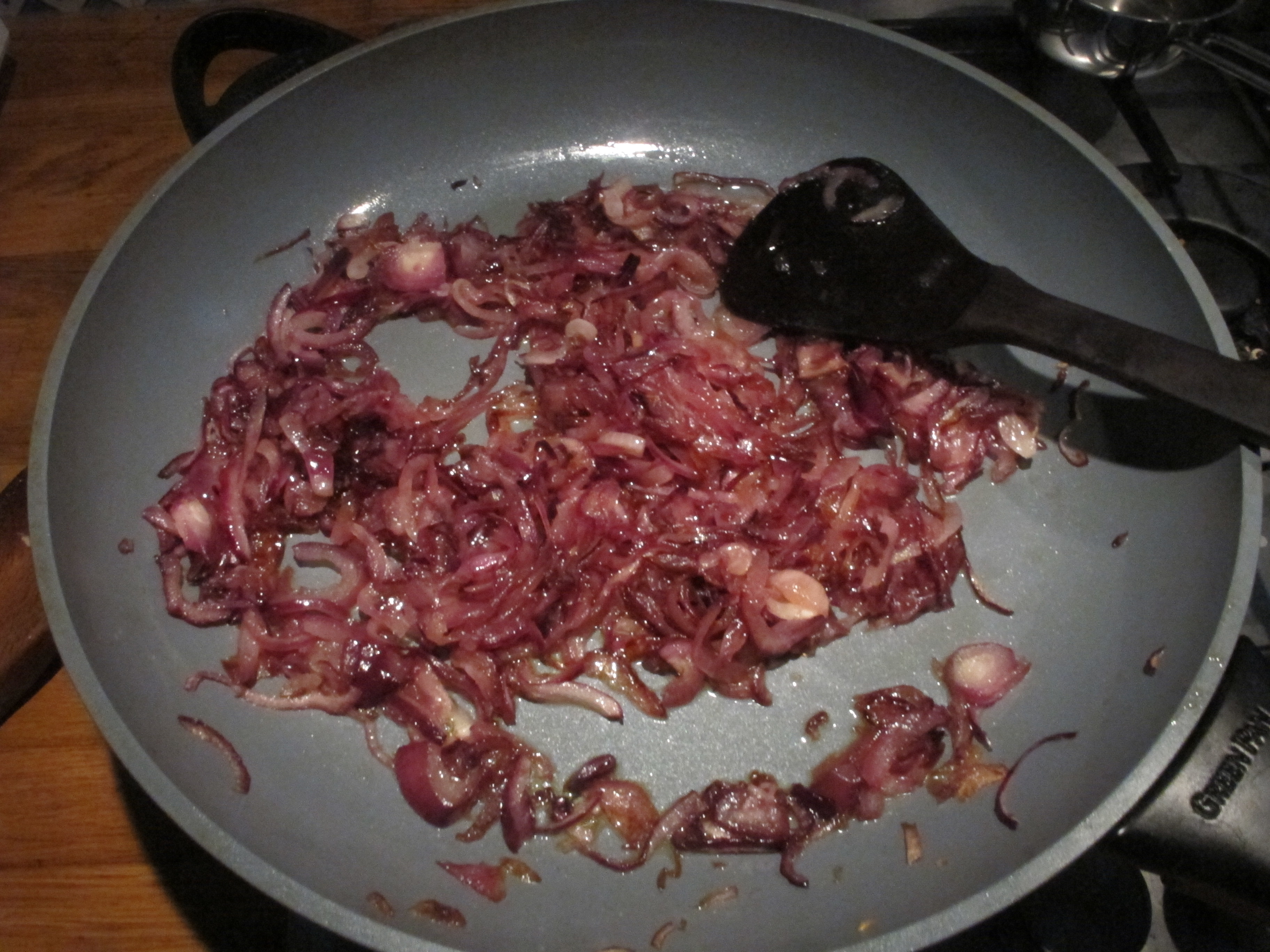
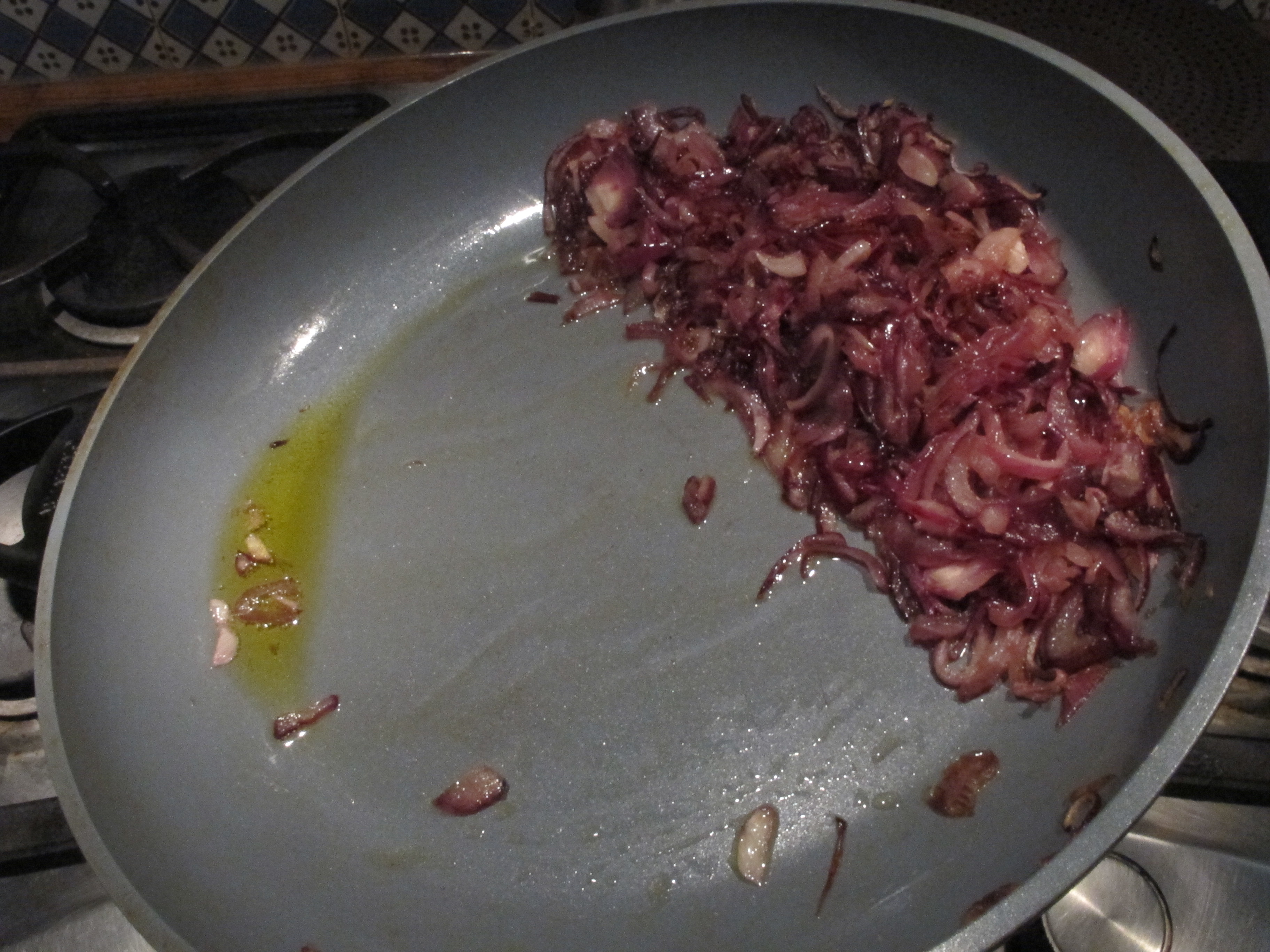
  • Turn off the heat and prop up the pan at an angle to allow some of the oil to drain off.
  • Choose a 10″/26 cm pan that goes under a grill to make the omelette.
  • Spoon out the drained oil (probably about 2 spoonfuls) into the pan.
  • Whisk the eggs together in a bowl.
  • Add the cooled down onion and parmesan to the egg mix.
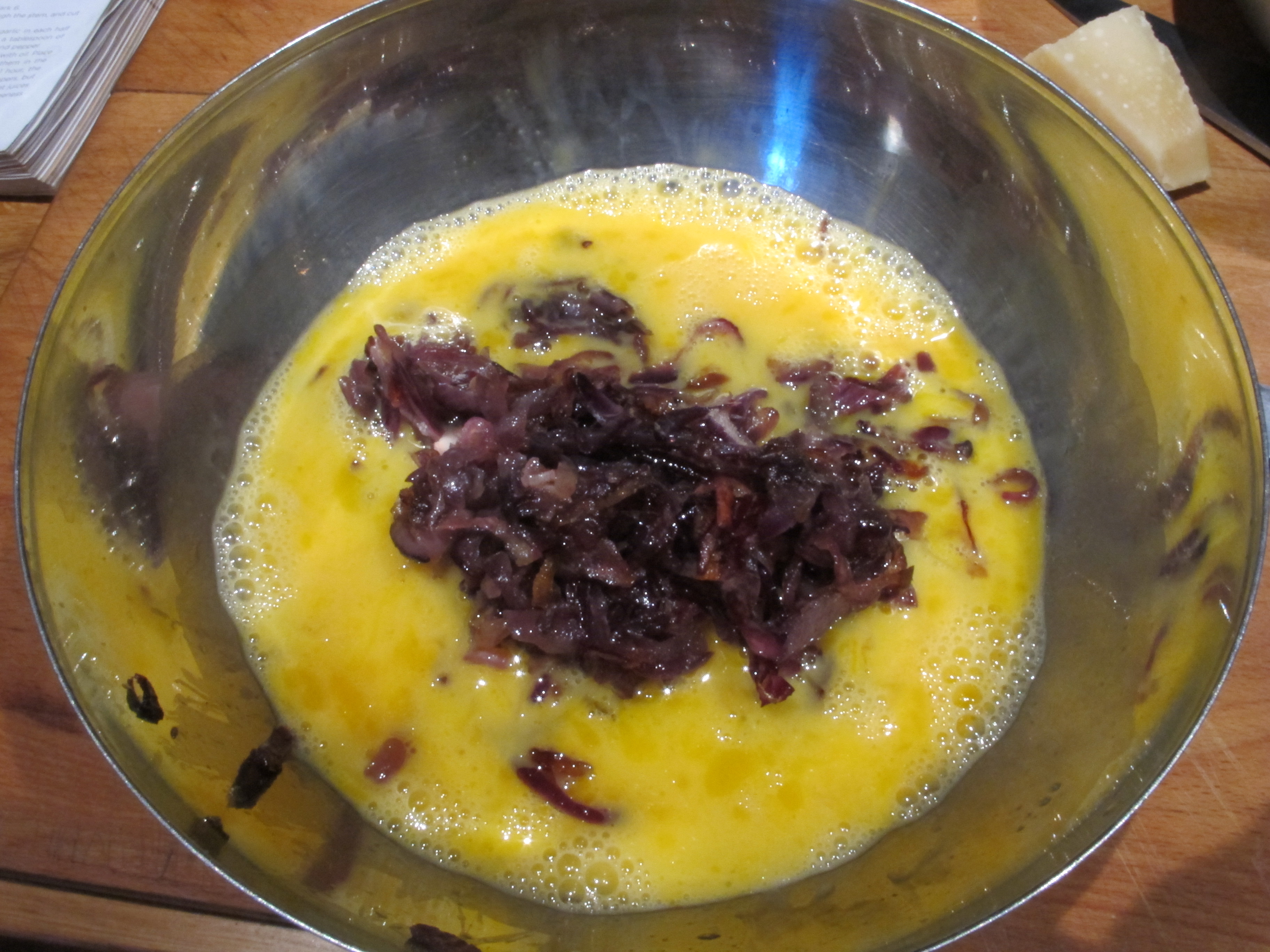
  • Mix and season well.

  • Heat the saved oil in the pan–(2 tablespoons is what you need to cook the omelette, so add a little extra if there’s not enough of the saved.)
  • Add the eggs and spread the mix out evenly in the pan.
  • Turn the heat to the lowest (use a heat diffuser or two if you need to) and cook for about half-an-hour.
  • Heat the oven grill to hot.
  • When there is just a pool of loose egg mix left on top, place the pan under the grill for about a minute.
  • The top should be lightly colored.
  • Ease a spatula under and round the omelette and slide it on to a serving plate.
  • Slice as needed.
Volunteers

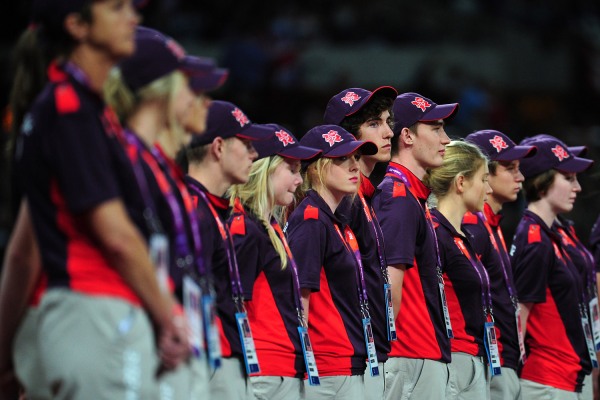
Volunteers–how would the Olympics manage without them?!

This is not about people though, it’s about Mother Nature.

Each year we are surprised and delighted by unexpected guests–volunteers.

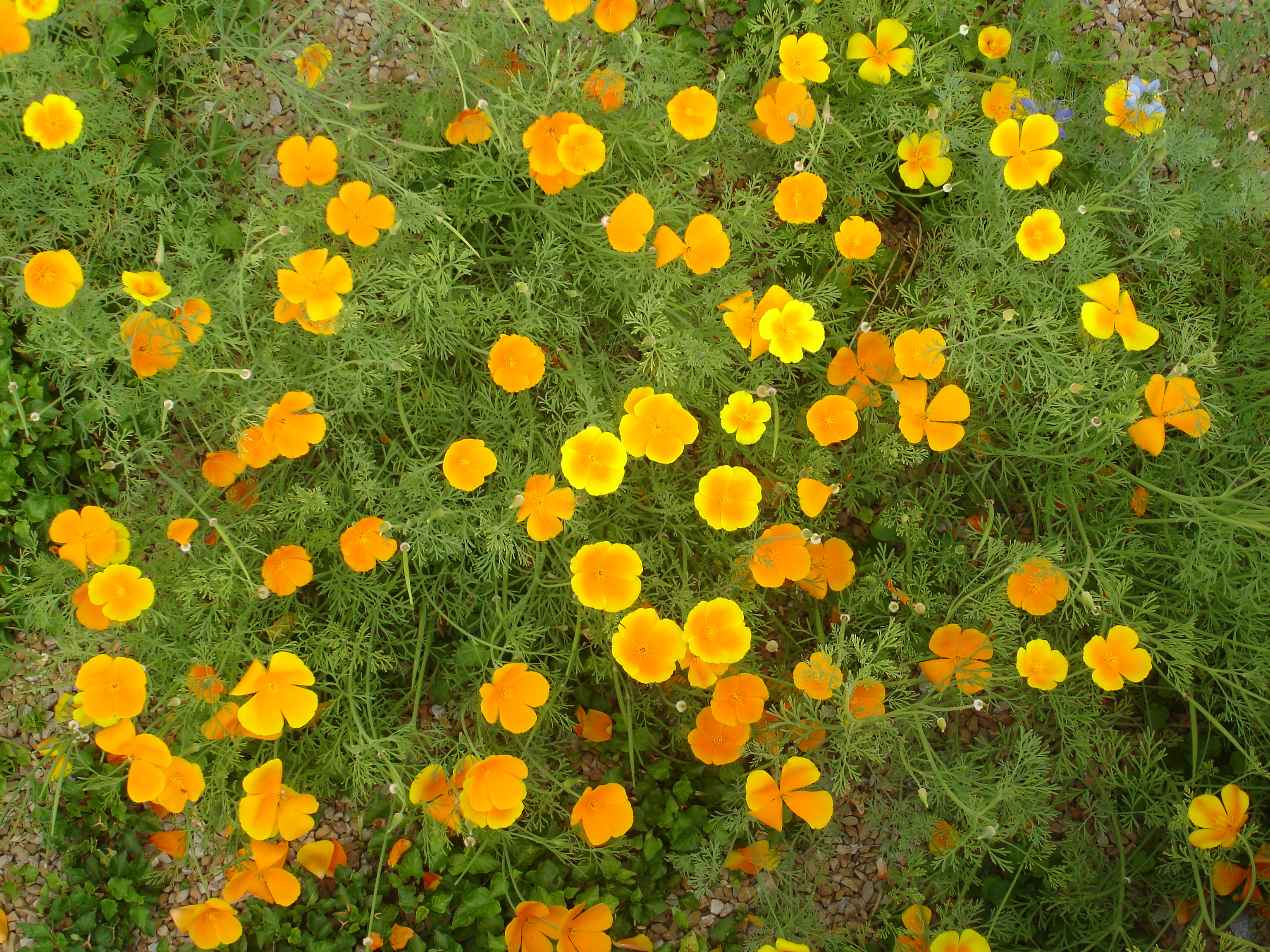
Hollyhocks called Henry and Californian poppies…

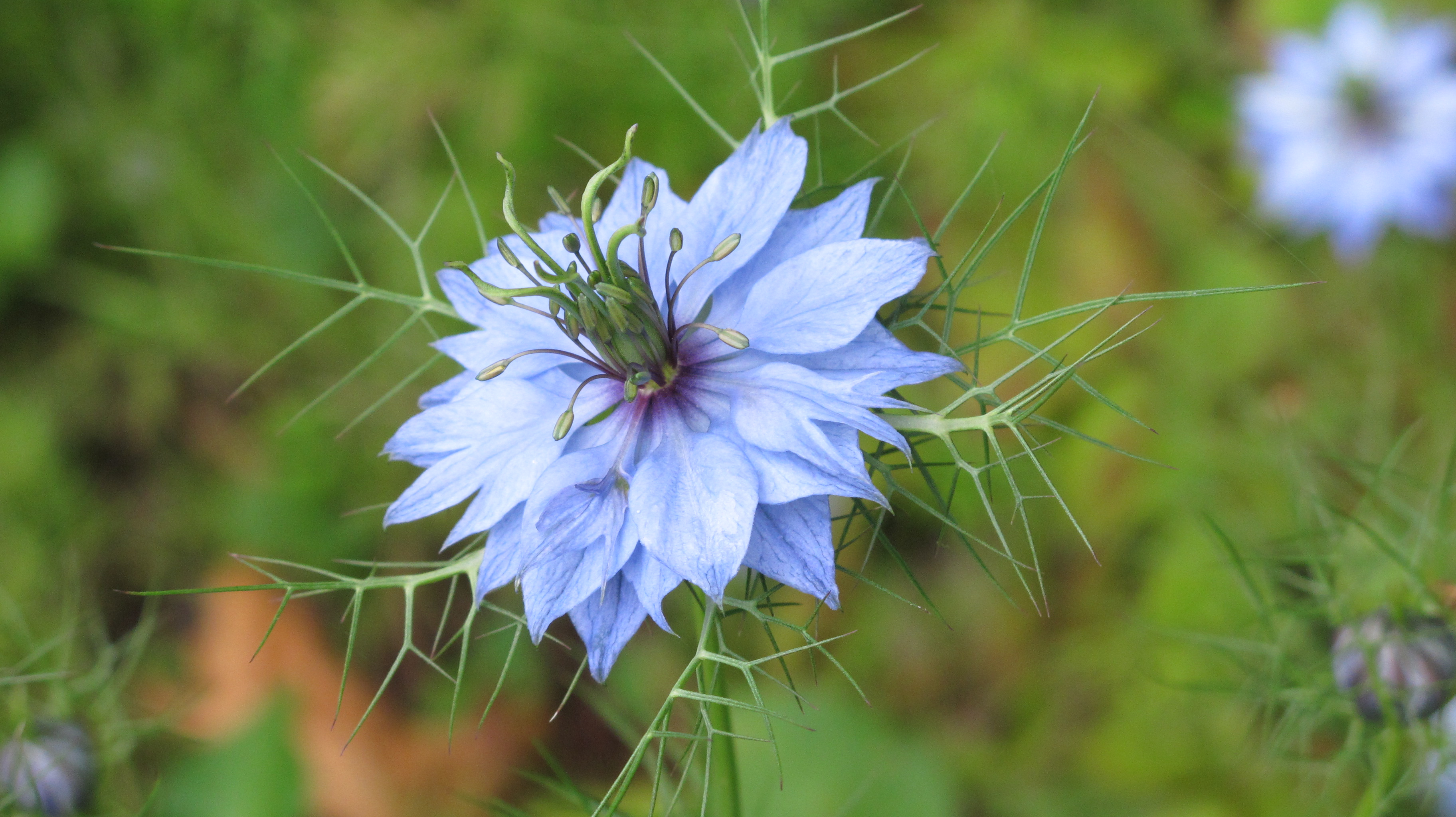
…wild strawberries and  Love-in-the-Mist (aka Nigella).

Some, after an initial scattering of seeds, make their seasonal re-visitations–like the swallows on Corfu–adding to the color and general well-being around here.

Mysterious and miraculous are these return visits to the ignorant–like me.

Bring them on–I say–you’re welcome anytime–see you next year!

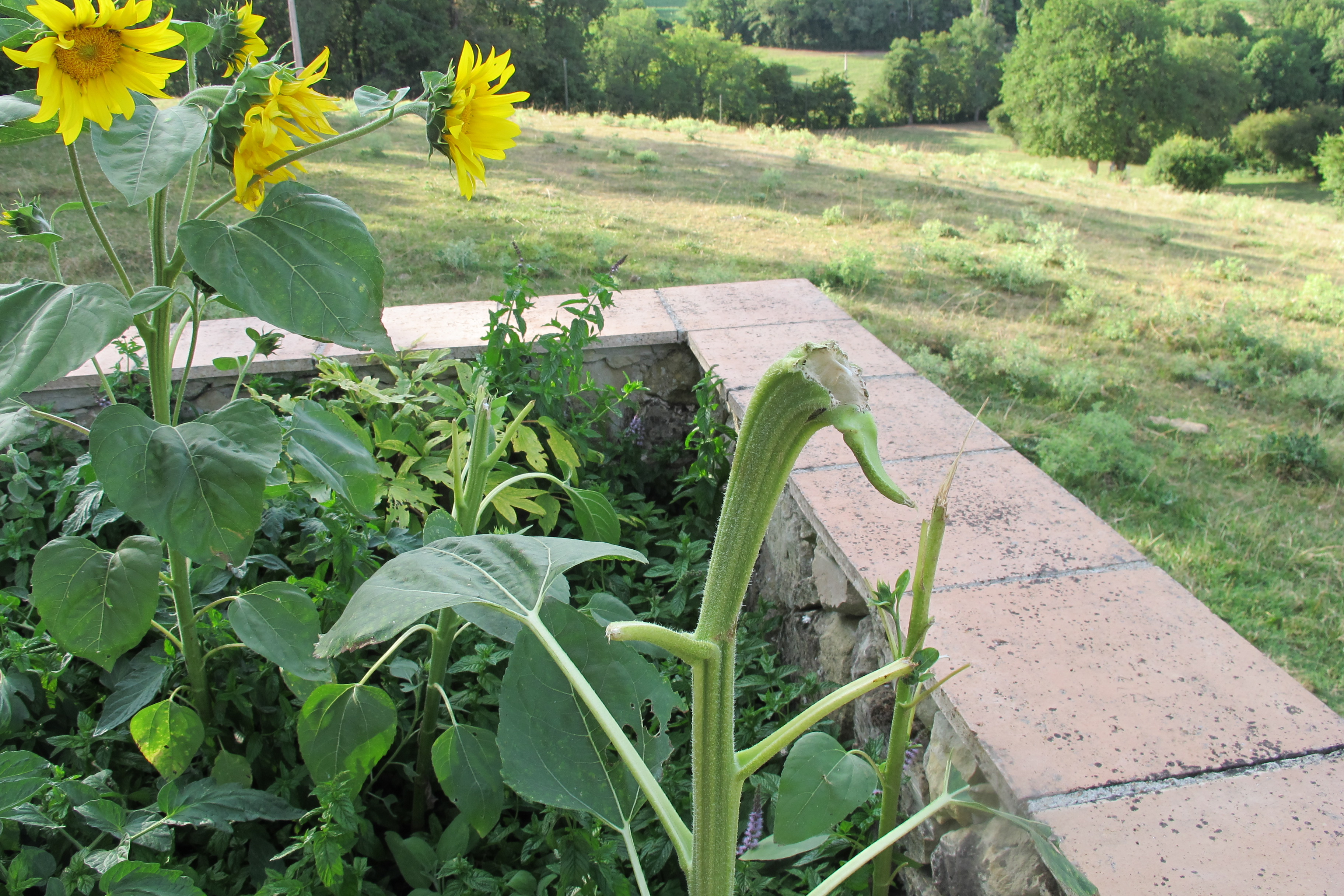
This year the sunflowers were first in the mint patch–attracting the attention of the mystery muncher.*

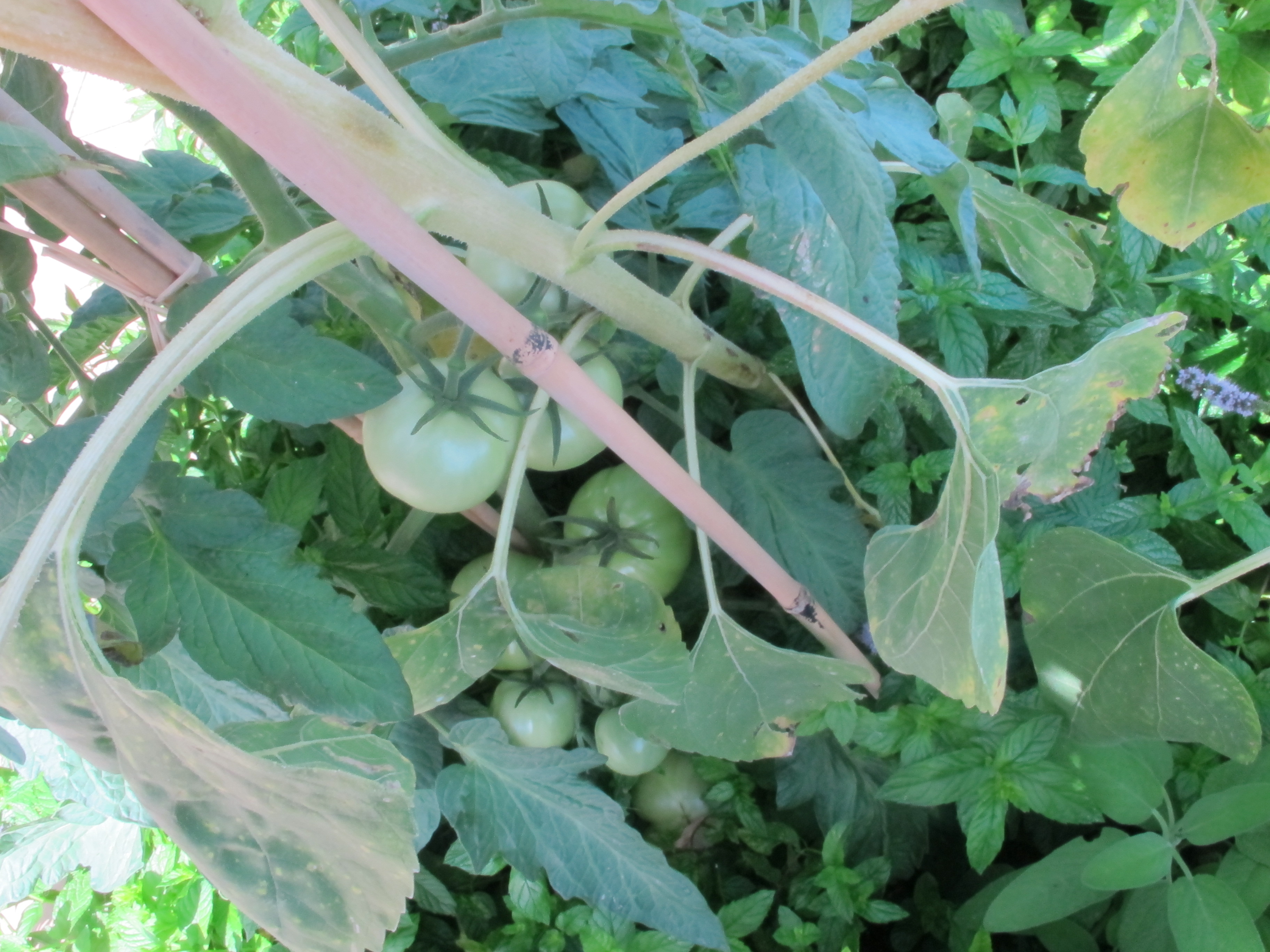
They were followed, closely, by two strong tomato plants–the real thing rather than the tiny cherry variety that pop up everywhere–with big green bunches ripening soon (we hope!).

There are the volunteers who like it so much here they decide to dig in and stay en permanence–sometimes raising a family too.

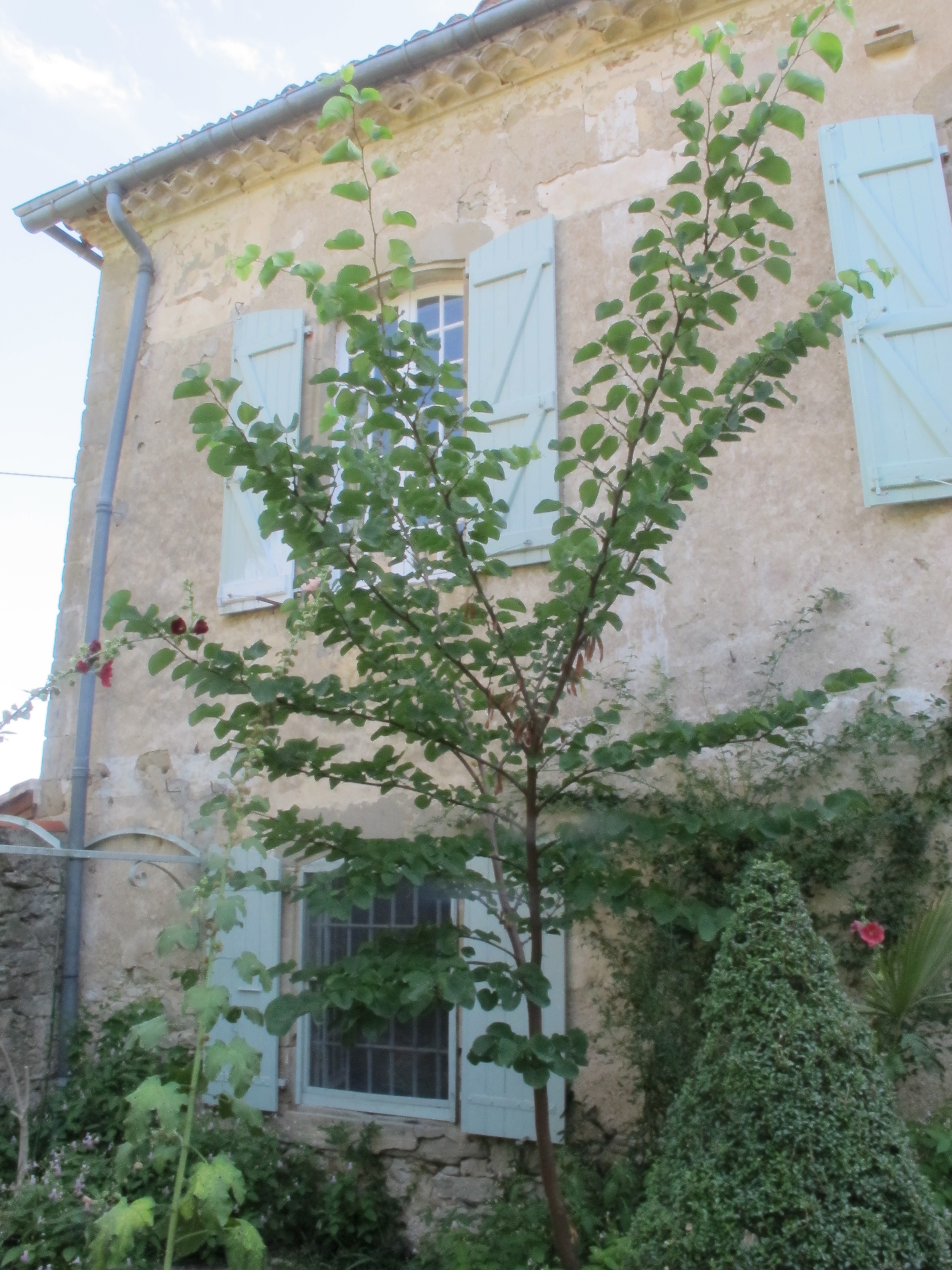
The self-planted Judas (Redbud) tree close to the house in the courtyard is growing apace and will soon provide us with an emergency exit from the first floor in case of fire!

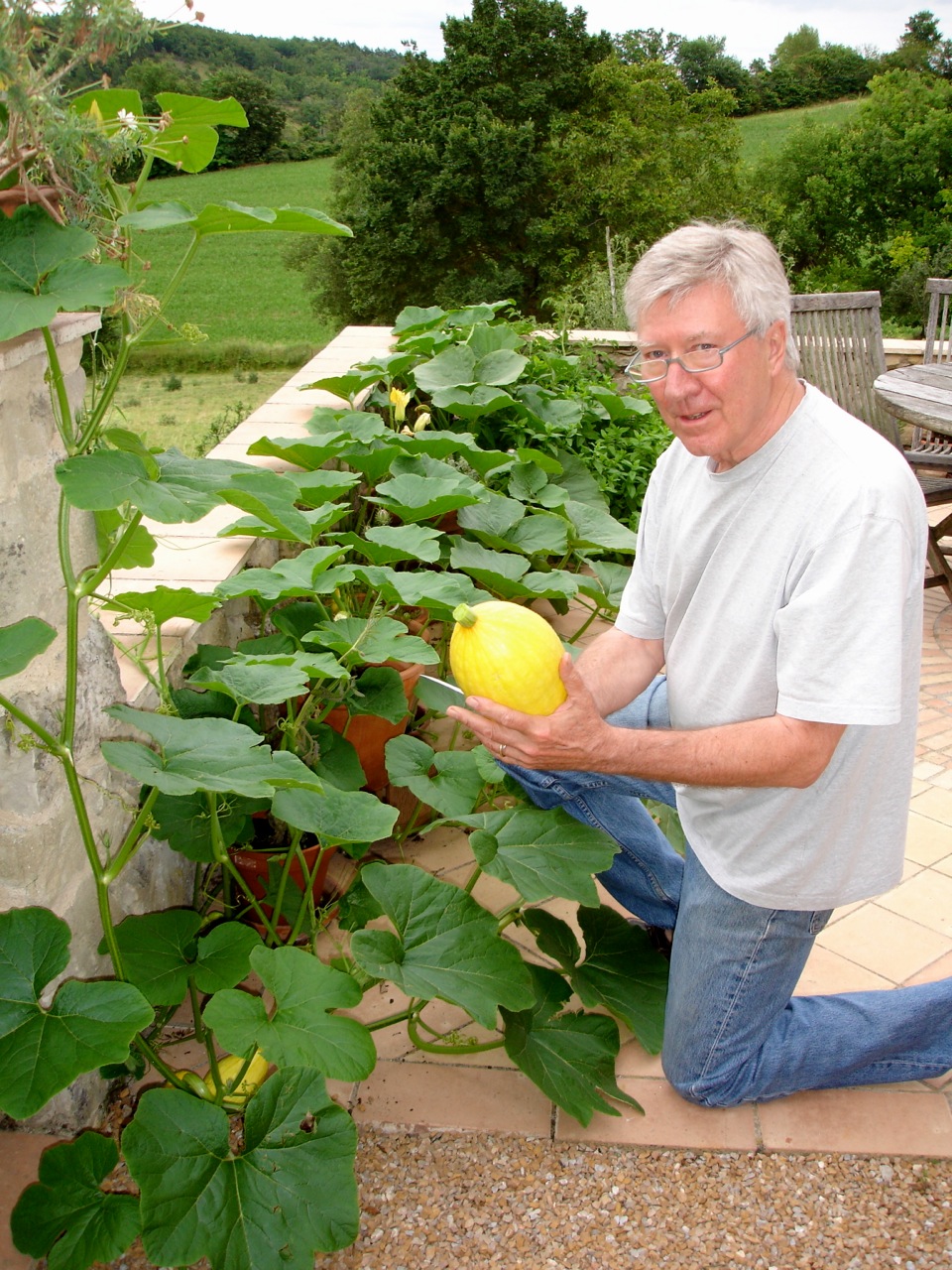
Three years ago, a “thing” grew out of the mint patch and started heading for the compost heap.

Charting it’s progress we laid bets on how far it would reach. Then–wonder–it started having offspring.

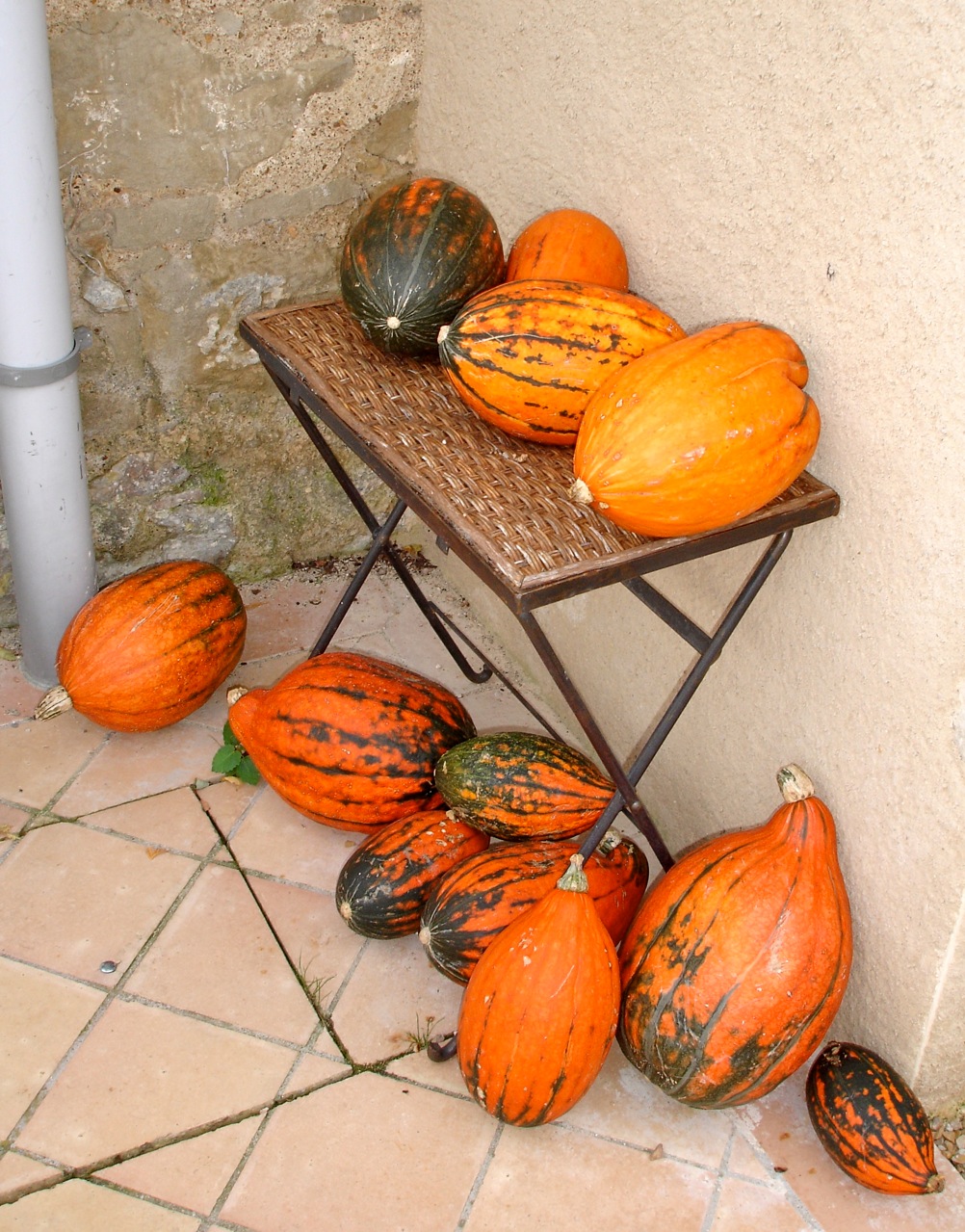
Beautiful yellow marrow-like fruit appeared at regular intervals.

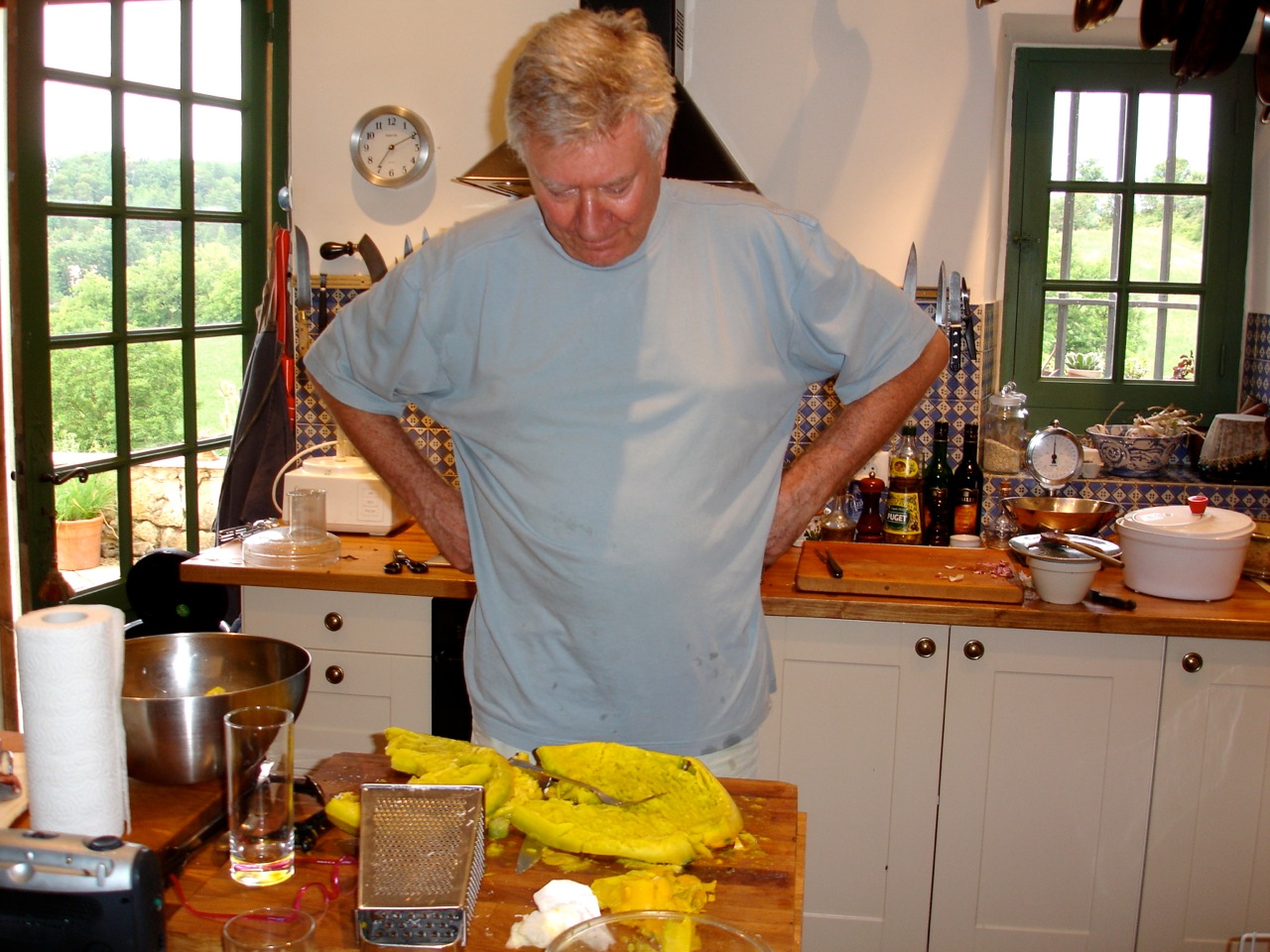
I tried to make a dish with one, but it collapsed.

They made a pretty picture against the wall though.

Yellow mellowed into burnished orange as these courge aged.

The following year, it reappeared, travelling in the opposite direction from compost heap to the mint patch–throwing off fruit like the year before.

Welcome–volunteers!

* Our friend and neighbor Alice thinks it was a hungry cow who was the mystery muncher of the sunflowers. I was hoping for something more exotic!

All in one day…

As I came out of the new organic supermarket this morning, the dry heat hit me–transporting me directly to California.

That would be nice.

Enter the shop in France and exit six thousand miles away and close to the ocean–all stocked up!

Dream on–though they did put a robot on Mars this week–not in my lifetime.

Good weather for a stressful day–a double clinic visit and the results of a blood test.

On second thoughts, maybe California and the land of perpetual sun is not such a good idea….

My first clinic visit is to a skin surgeon for him to look at a small cancer on the left side of my nose.

Stop PressPoldark’s scar becomes a reality!

Pas de soucis–the dermatologist assured me, providing a referral to Docteur Mylonas, the plastic surgeon–nothing to worry about!

He confirmed what she’d told me–that the culprit was the sun.

I had spent all my sun capital!, she’d said, charmingly.

Docteur Mylonas picked a date at the end of August for the small operation.

Just after lunch on the 28th suit you?

It’s this easy? Seems so. 

That’ll be forty euros for today, says the receptionist, all reimbursable barring 2 euros.

Quel système!

The blood sample was taken–here in the kitchen–at 8 am Tuesday by our friend, Sylvie, one of the local team of nurses.

Just the quarterly A1C  (measuring the glucose levels in my blood).

Sometimes the result comes in the post from the lab the next day.

Nothing yesterday.

I listen anxiously for the postal van’s vibrations on my return from the clinique.

Just before 1pm–a tad early–I hear it and go out to the box.

The envelope is there and the moment of truth–eek!

Worryguts in my head, it’s bound to be bad…

I unfold the paper and…

6.4% is clearly written–0.1% less than 3 months ago. In the range of normal–just!

A silent whoopee is followed by a moment of self-satisfaction as the anxiety recedes.

But there is no room for complacency, Robin, I quickly remind myself.

The 6pm appointment with the cardiologist will round off the day!

Turmericthe brilliant yellow spice, has anti-inflammatory and antioxidant properties–important weapons in the battle to stay on top of diabetes. (Cuminanother spice in this souphas these beneficial properties too.)

It also has a world class, gold medal ability to stain anything that comes into contact with it–so handle with care–or rather with a spoon is the rule!

It helps give this stunning summer soup–suggested almost as an afterthought in the lovely Riverford Farm Cook Book–its luminous colour.


Which apples to use?

I used Fuji last time, which are a favorite apple for me.

Next time I want to try Granny Smith.

You could try a mix too.

for 4

3 large apples–peeled, cored and chopped up

1 medium onion–chopped

25 gms/1 oz butter

1 tsp each turmeric, cumin, coriander, mustard powder (I use English mustard powder. Whizzing some seeds in a grinder is another option–or simply leave it out!)

1/4 tsp cayenne pepper

1/4 tsp cinnamon

1 pint/450ml stock (I use organic vegetable stock cubes)

salt and white pepper

juice of half a lemon

creme fraiche or yoghurt (for garnish)

mint leaves (for garnish)

  • Melt the butter in a pan.
  • Add the onion and sauté gently to soften.
  • Add the apple pieces and the spices and mix in.
  • Add the stock and simmer gently for fifteen minutes.

  • Liquidise to a smooth texture, using a food blender or hand mixer.
  • A ladle and a half per bowl is perfect.
  • Top with a teaspoon of creme fraiche or yoghurt and a leaf of mint for garnish (if you have it).

We asked guests at lunch a couple of days ago to guess what soup they thought it was–it puzzled a few!

Serve it hot in the new apple season to come too!

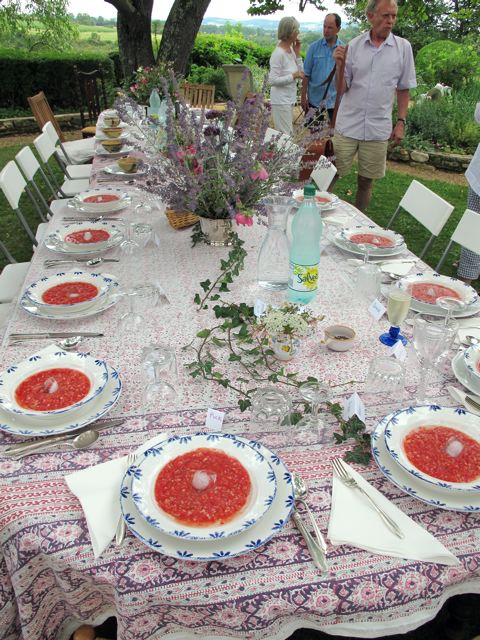
Simple gazpacho

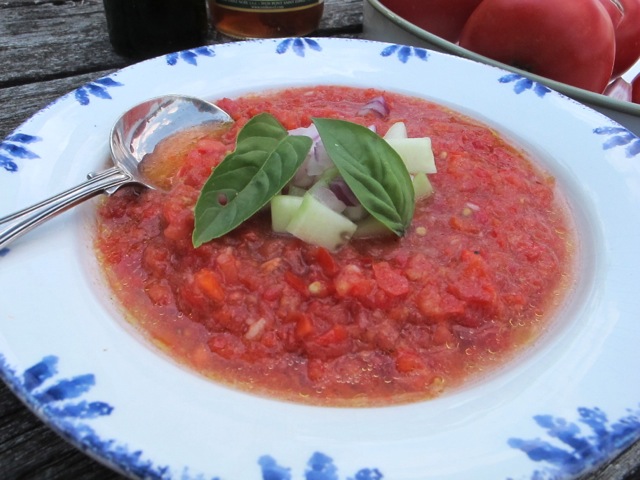
It’s worth waiting for the sun to work its magic on the tomatoes before making this simple garlicky version of the classic summer soup–served cold.

A few whizzes of the food mixer then the addition of oil and vinegar and it’s done.

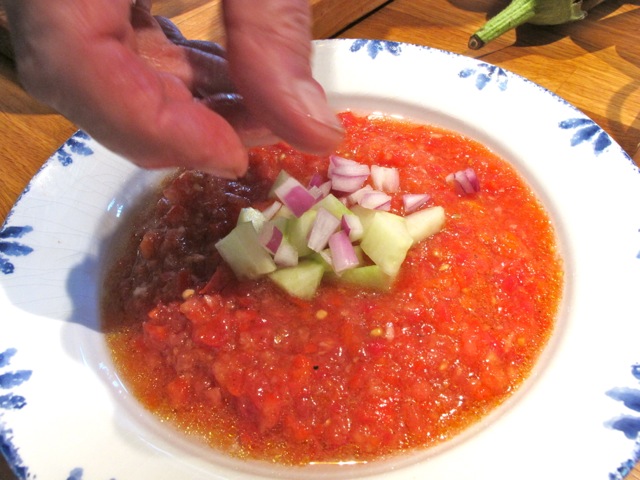
Chill it for as long as possible–if you can make it the day before all the better–and serve it with some finely diced peeled cucumber and spring onion (scallions to our north American friends).

Best served on a hot, sunny day.

Best eaten in the shade.

for 6

800gms/4lbs ripe tomatoes–chopped with their juice

a medium size red pepper–chopped coarsely ready to put in the mixer

3 cloves of garlic— crushed with a teaspoon of salt

  • Mix these in a food mixer–but not too smoothly.
  • Transfer to a serving bowl and add:

3 tablespoons olive oil

4 tablespoons cider vinegar–organic if you can get hold of it

salt and pepper to taste

  • Chill for 4 to 5 hours–or overnight.
  • Serve with an ice cube in each bowl (optional)
  • A garnish of cucumber and red/spring onion–diced small–in bowls on the side for people to add as they please.

  • You might chill the empty bowls in the fridge two hours before serving–for perfection!

The level of acidity varies with the tomatoes and the vinegar.

You could start with 3 tablespoons of both oil and vinegar, then add more vinegar if it needs it.

(I did today–an extra tablespoon!)

A package arrived in the post a couple of days ago.

In it were three sample copies of the new hardback edition of my cook book,  Delicious Dishes for Diabetics!

It’s a year to the day since our launch party in the garden, though the timing is purely coincidental.
(We served gazpacho as the first course--recipe to be posted tomorrow!)
This hardback is no coffee table tome with lavish photos–the kind that are too heavy to be of practical use in the kitchen.
It is a LARGE PRINT edition for people who forget where they’ve put their spectacles!
(My answer to that problem is to have MANY spare pairs–some of which I can find– sometimes….)
This new version (in black & white) is available via  Amazon.com/.

What we hoped would not happen happened this morning in the courtyard.

He–and that’s what we were fearing, it’s a HE–let out a loud noise that was unmistakably a first attempt at a cockerel’s clarion call.

Contemplating life as a full throated rooster…

But like all first rehearsals, it lacked clarity and confidence.

However it showed (unfortunately) palpable promisewhich means, Houston–we have a problem! 

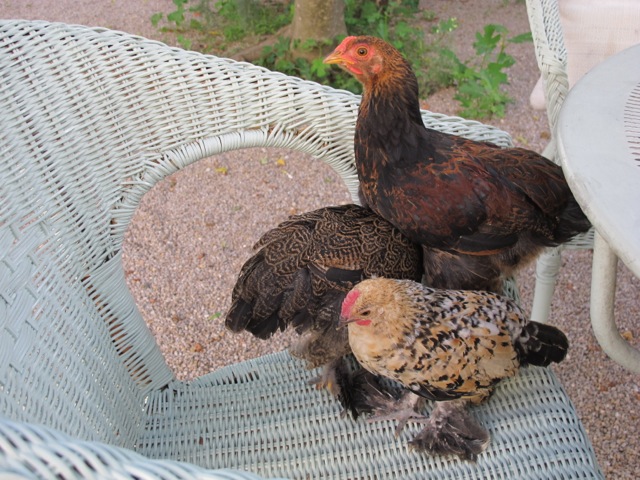
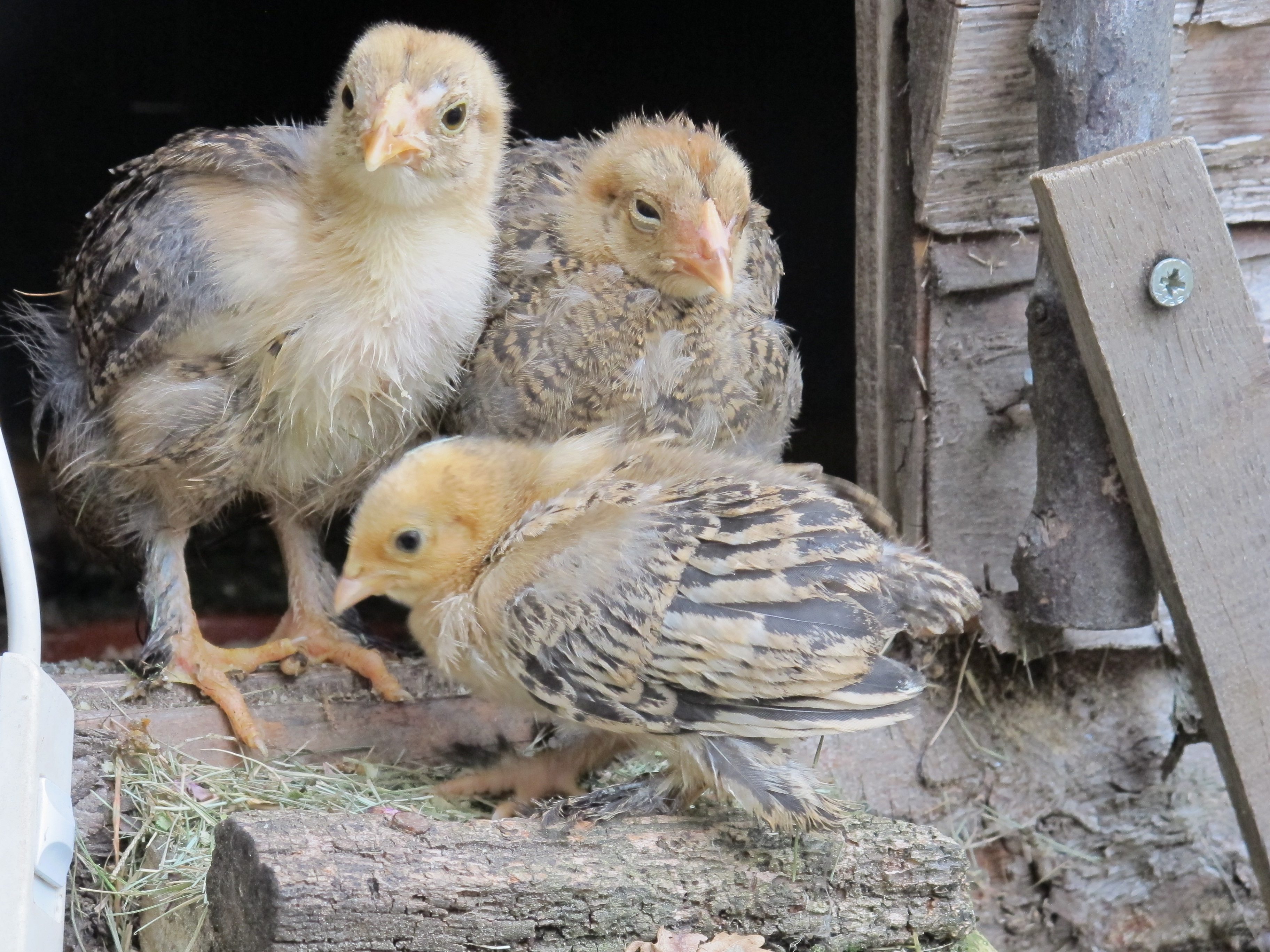
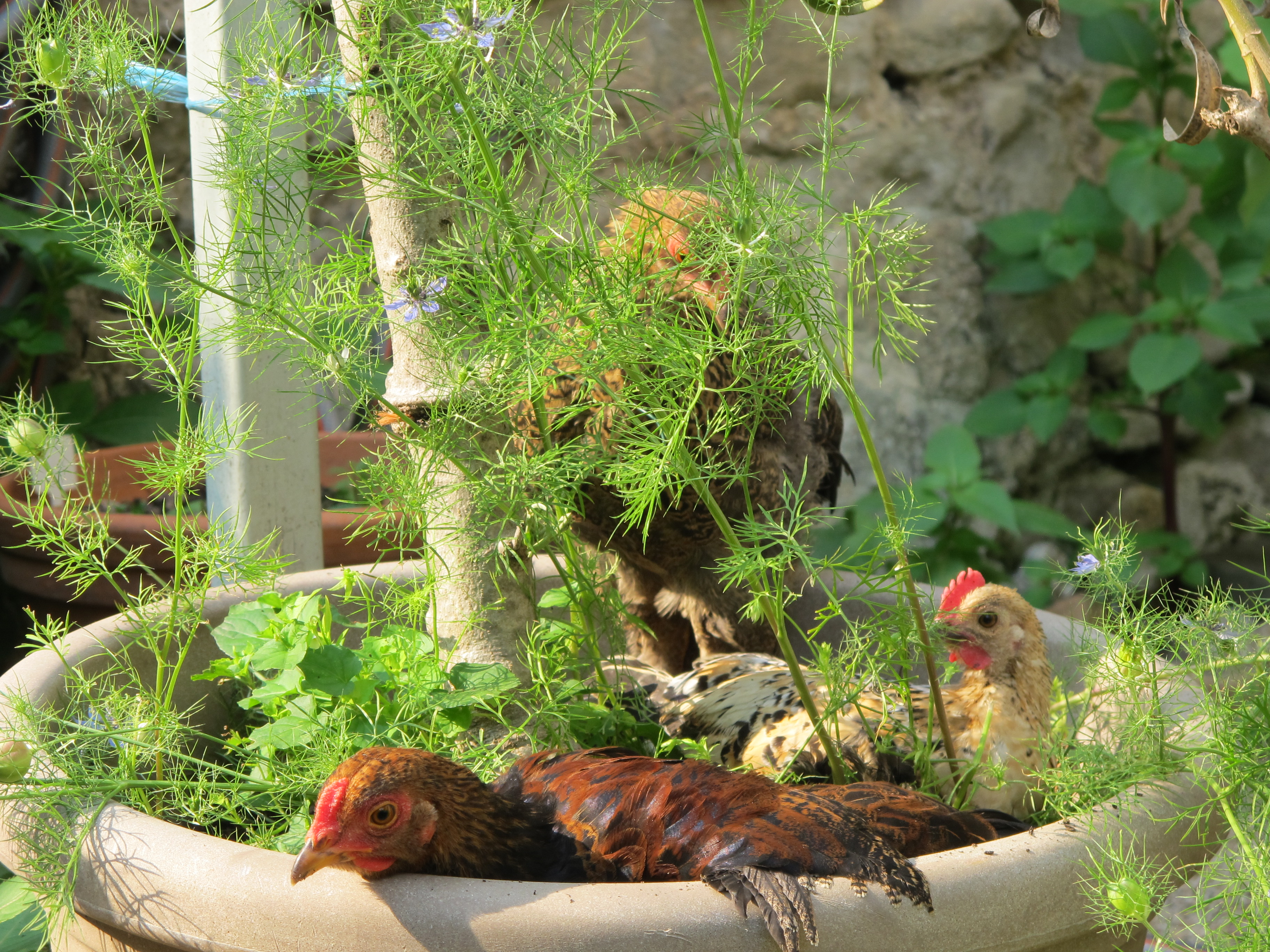
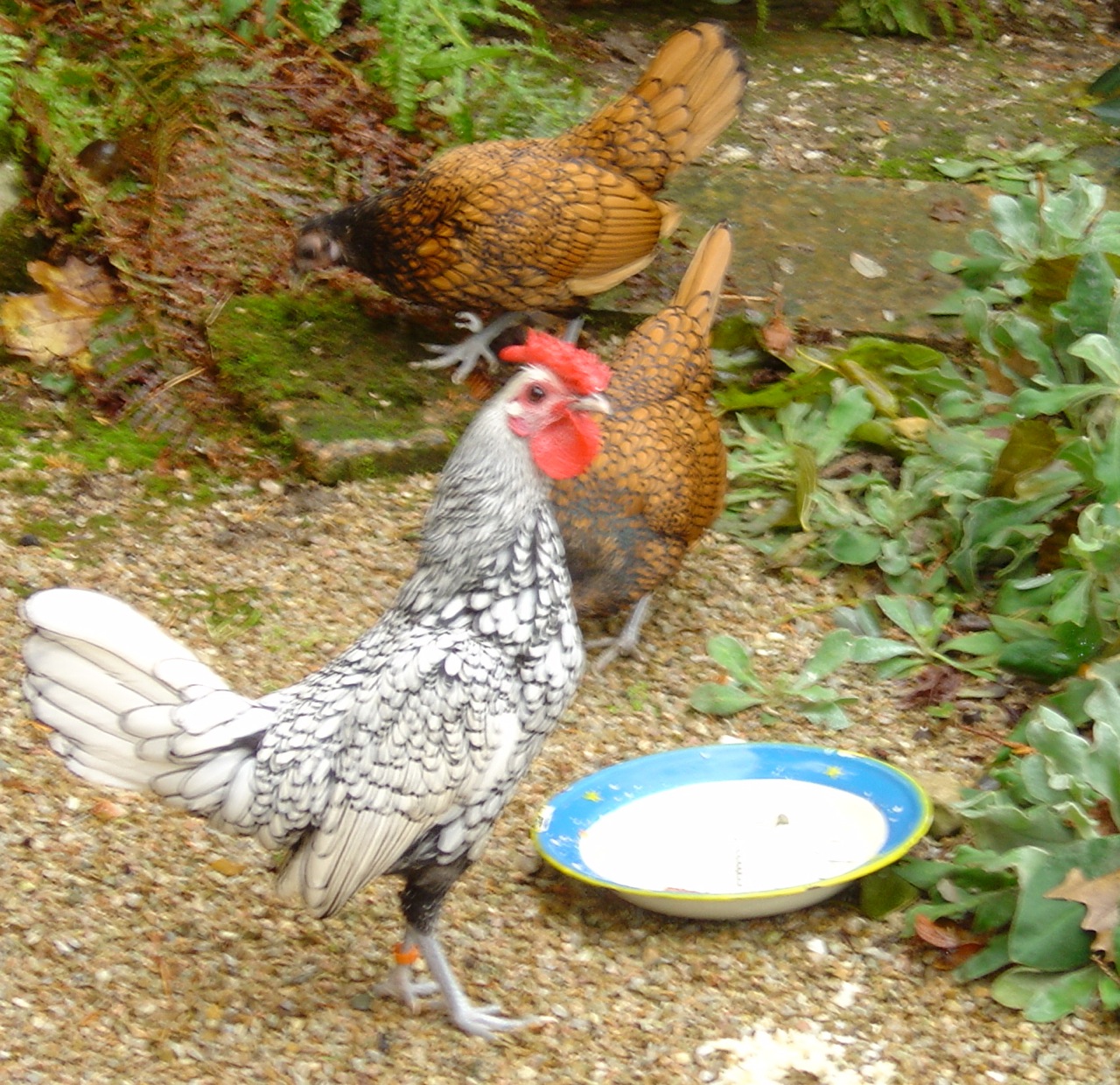
Three little chicks were sold with the vendor’s assurance they would grow into delightful small hens, clucking their way quietly through life, eating the slugs and bugs and contributing to the general well being of the household.

Well they have grown and they are delightful–but one is plainly a cockerel.

maybe the little one at the back too!

“So what’s the problem?” you may be thinking–cockerels have a right to live too!

The problem is the Henri factor.

We once had a rooster called Henri. He was a handsome fellow.

He knew he was good looking. The three bantams were his harem. The courtyard was his domain and he ruled it ruthlessly.

Any creature–humans not excluded–who crossed it while Henri was in residence was in danger of attack.

He would draw himself up to his full nine inches and launch himself on a diagonal run across the yard   letting out a terrifying screech.

We decided Henri had to go and he was taken back to her small-holding by our neighbor Flo, whose gift the four had been to us.

He lived there with his new harem–seven full size hens–for a year or two until he disappeared one day, finally, we assumed, meeting his match–a hungry fox.

So far our unnamed cock is not showing the same domineering signs as Henri–he’s twice the size so may not feel the need. But can we support the early morning wake-up call that was given a first run out this morning?

We’ll have to wait and see.

One things certain though; Whatshisname will not finish up in a pot as cock au vin–we’d have no appetite for that!

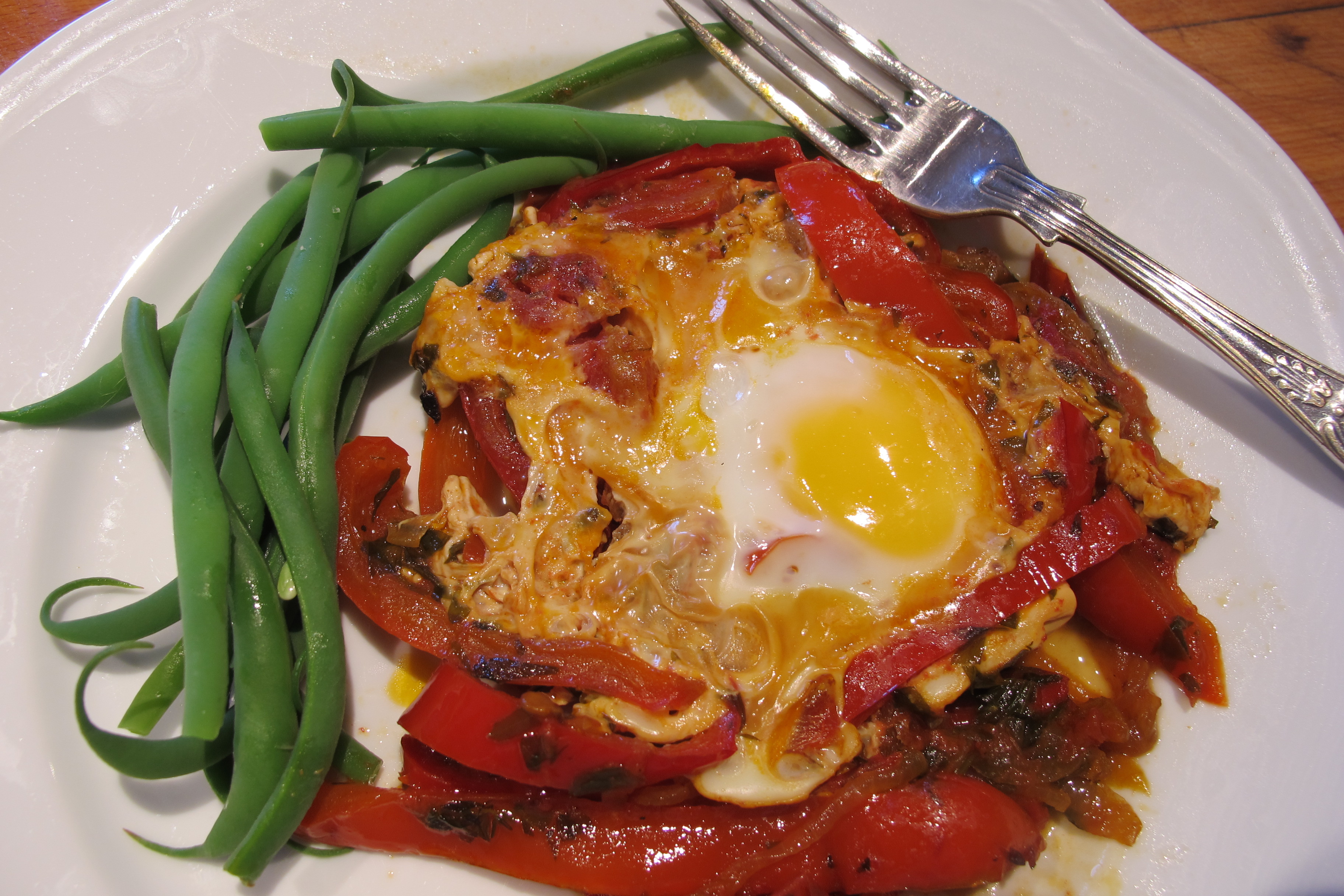
Recently discovered this traditional North African favourite in Ottolenghi’s sumptuous vegetable cookbook  Plenty.

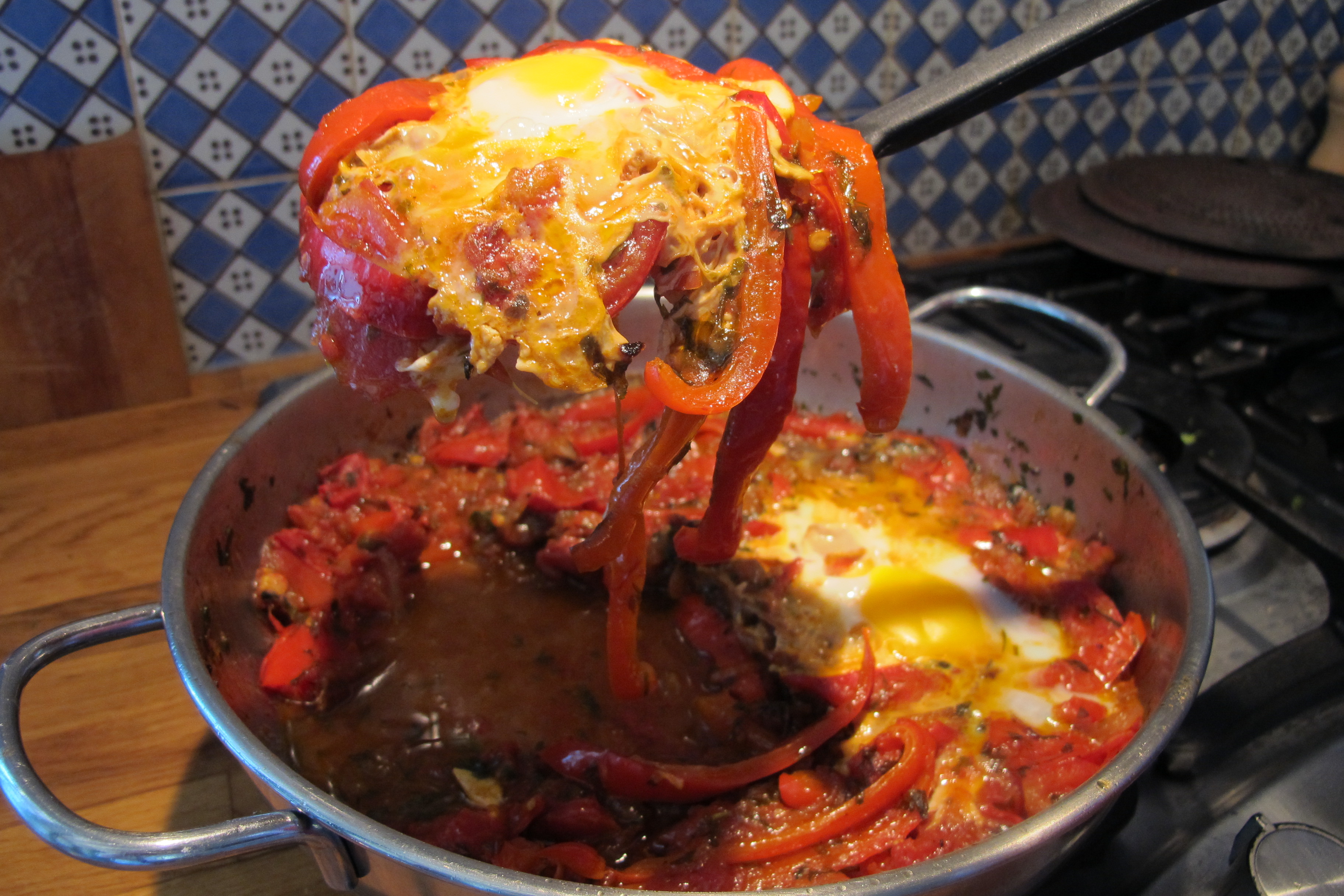
It is commonly served in individual cast iron pans, which I imagine adding to the pleasure–one pan and ALL for ME!

It makes a pretty summer picture on the plate with a few green beans (gift from our neighbours, Hervé and Maite) to the side.

for 2

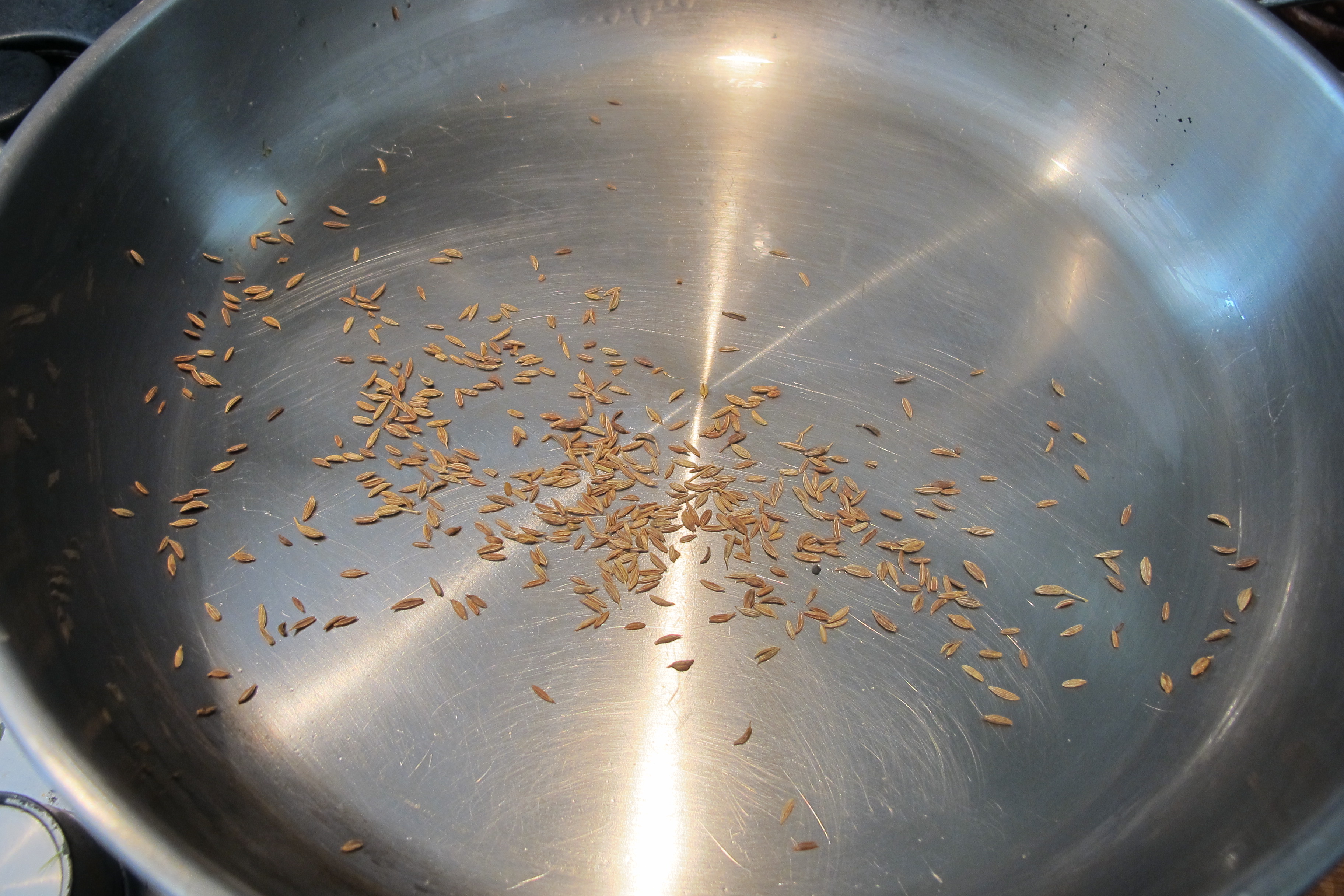
1/2 teaspoon cumin seeds–dry roasted in a medium pan

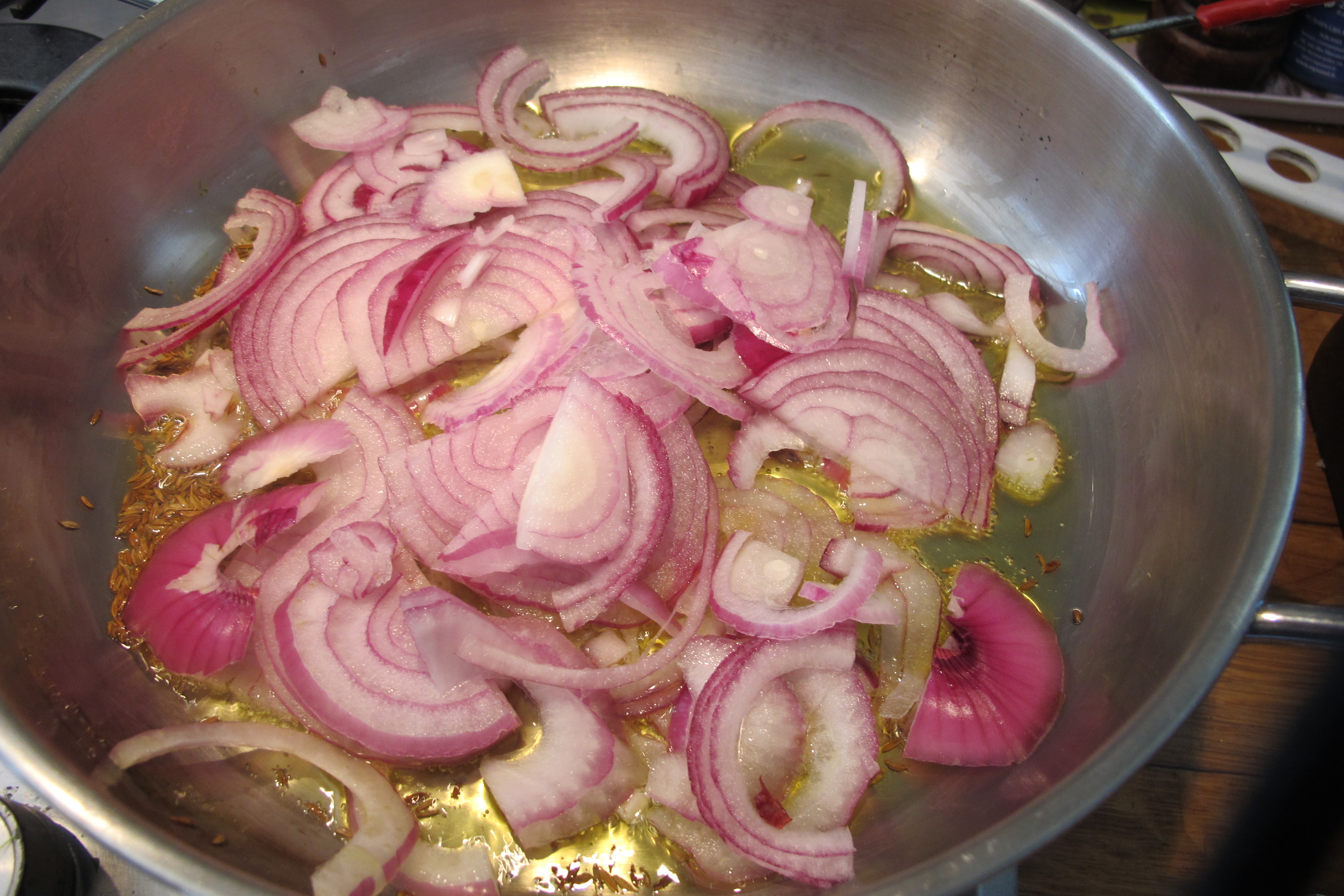
1 large onion–red or yellow–sliced

80ml/1/4 cup olive oil

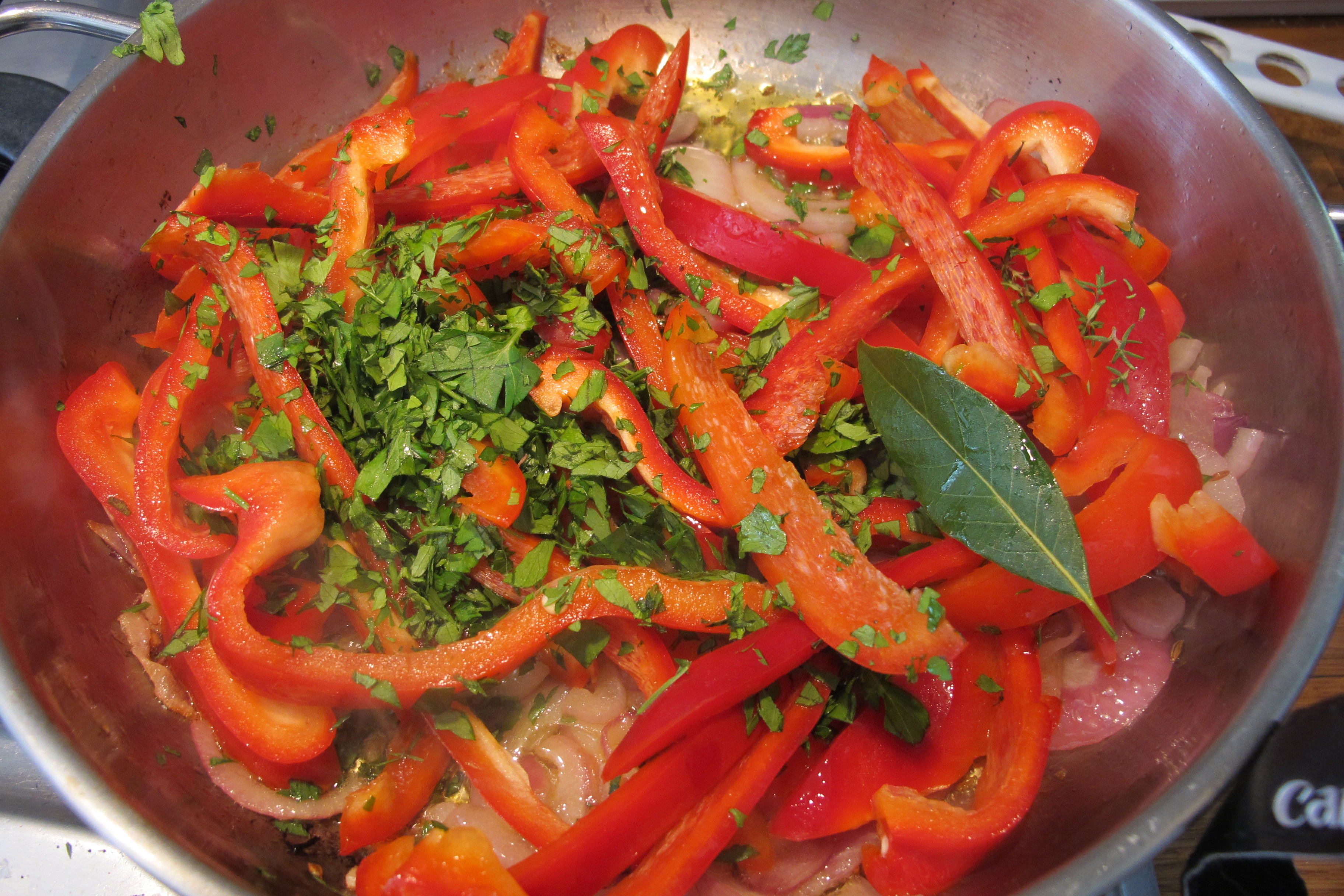
2 red peppers--washed, deseeded and sliced thin

1 bay leaf, thyme leaves from a few sprigs, 2 tablespoons of parsley

3 large fresh ripe tomatoes or tinned–roughly chopped with the juices

1/4 teaspoon cayenne pepper and a pinch–a few strands–of saffron

1/4 cup/60 ml water

2 or 4 egg 

salt and pepper

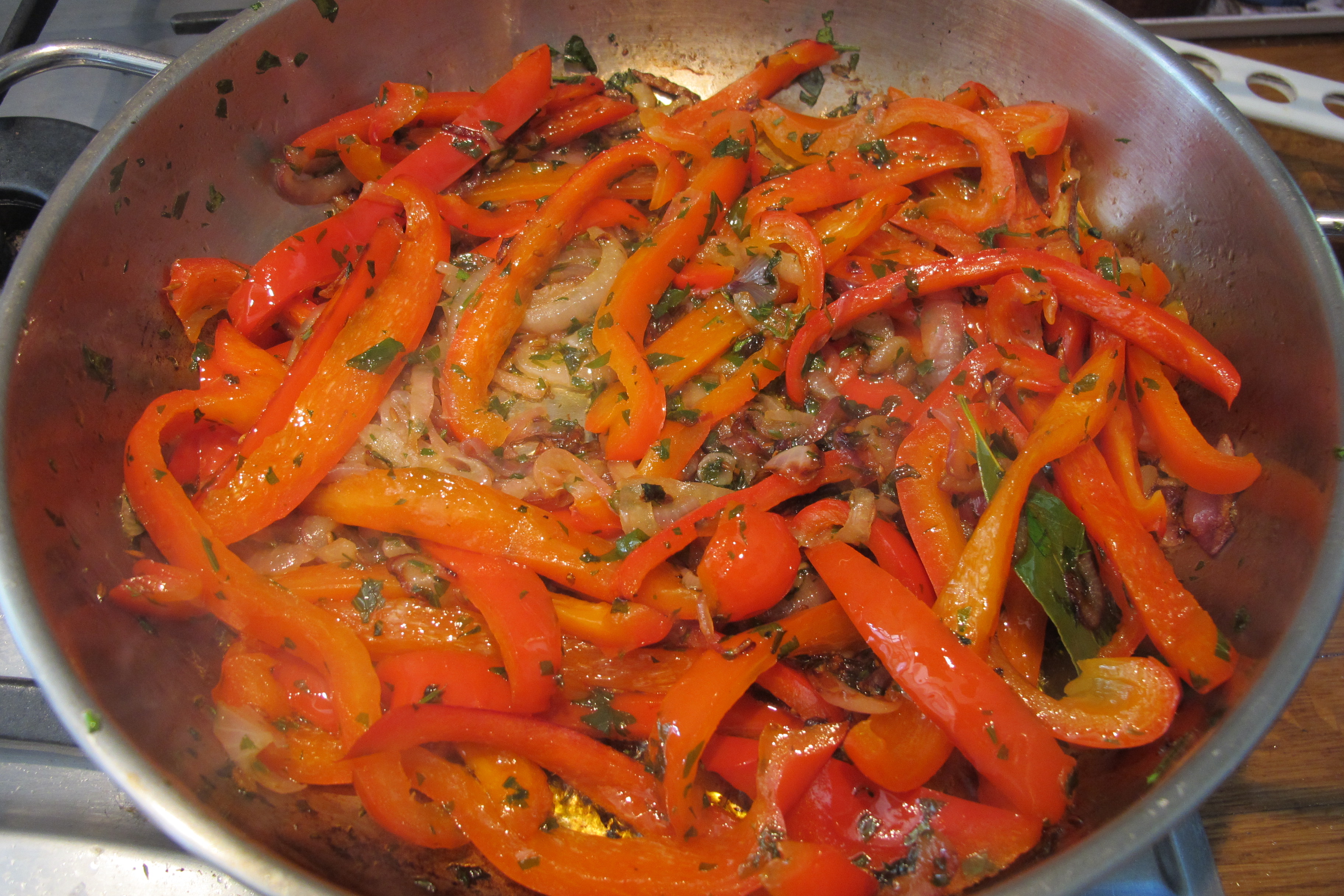
  • Dry roast the cumin seeds for a minute or two, taking care not to burn them.
  • Add the oil to the pan, then the onions and over a medium high heat cook them for 5 minutes to soften them.

  • Add the peppers and the three herbs, turn everything over thoroughly.

  • Cover the pan for 5 minutes to start the softening of the peppers.

  • Cook a further 5 minutes uncovered.
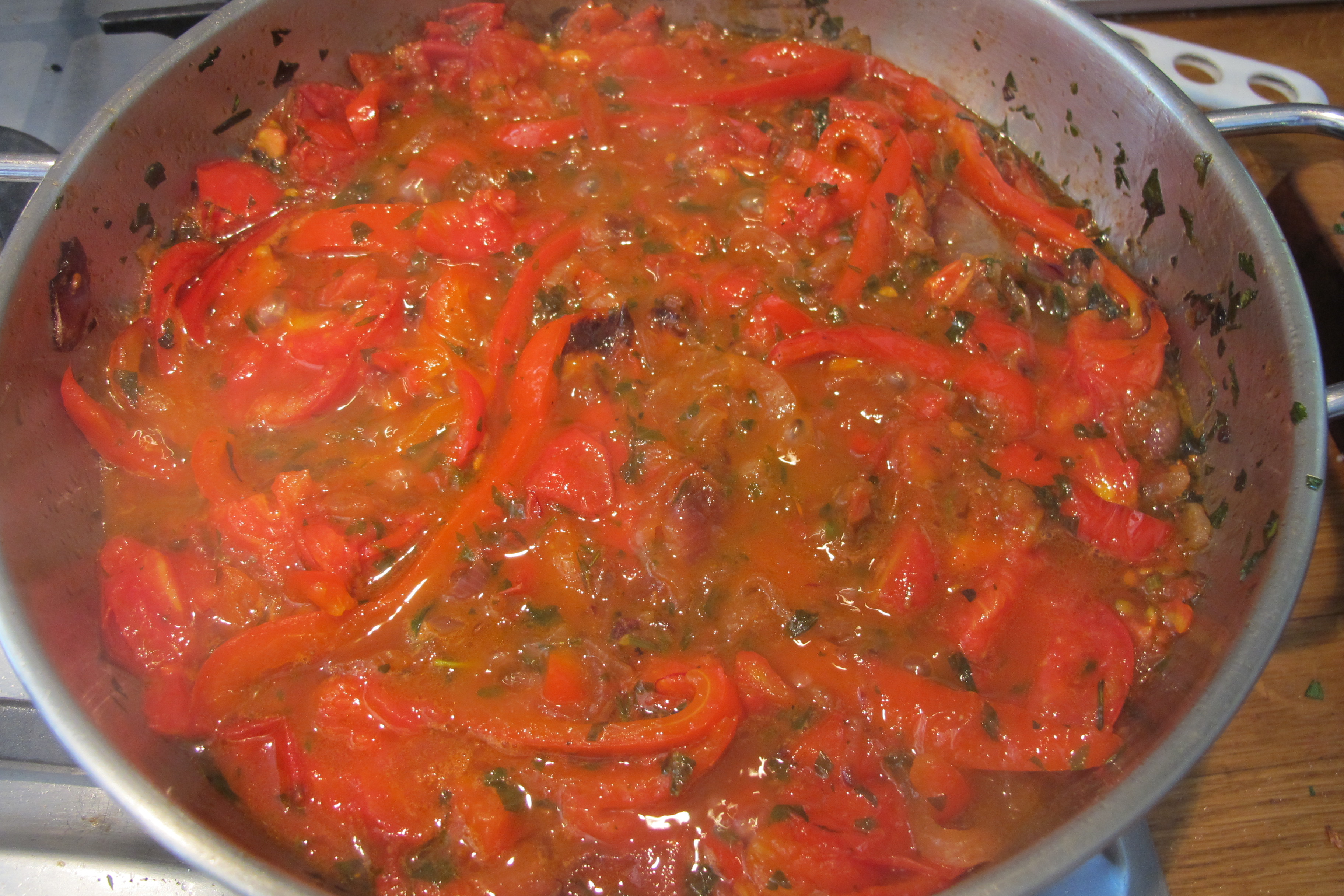
  • Add the tomatoes, the water–little by little to avoid diluting the sauce–and the two spices and season with salt and pepper.
  • Cook for 15 minutes on a low heat–covering for a short time if you think the peppers need further softening.
  • The result should be a lightly spicy sauce in which to poach the eggs.

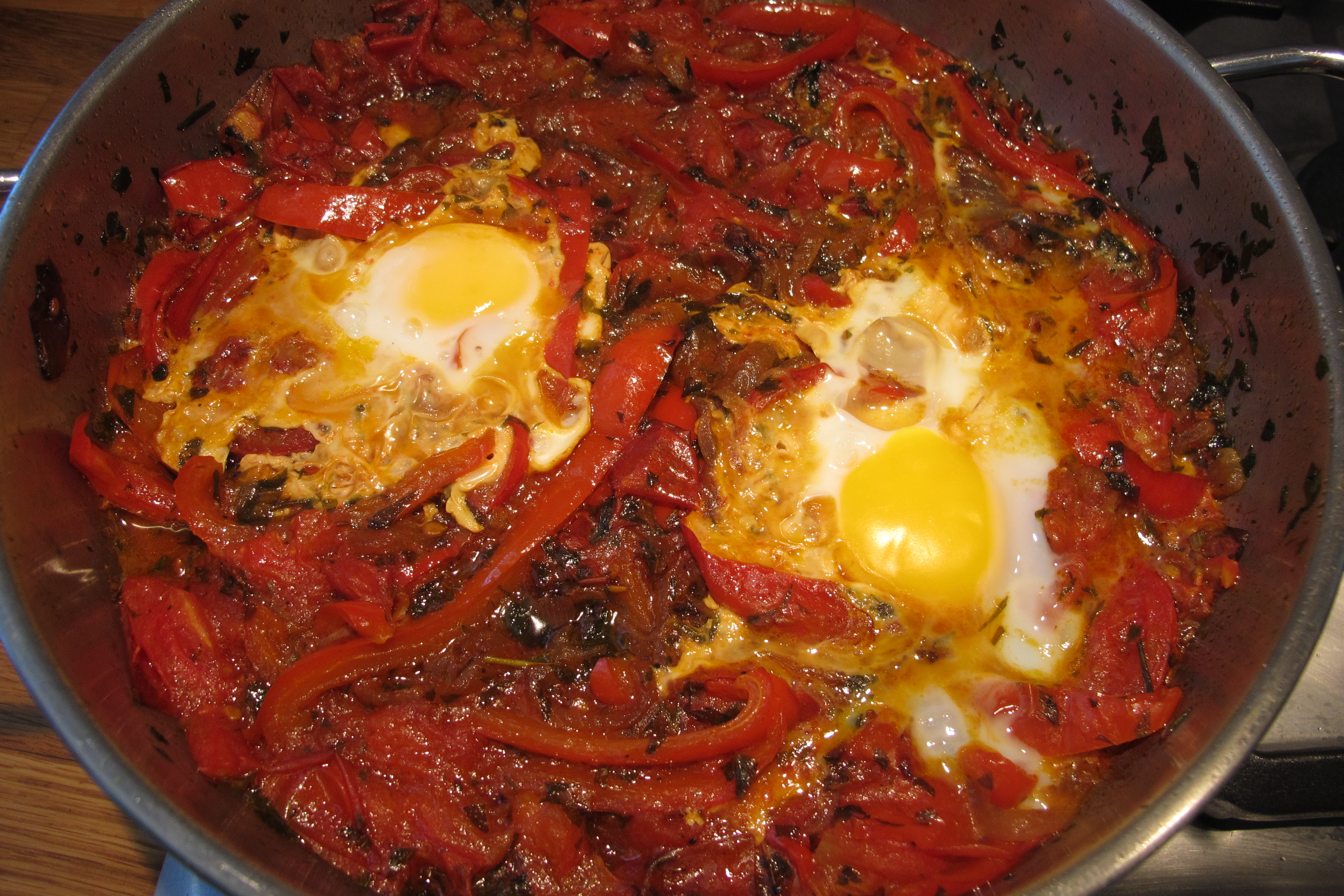
  • Carefully break the eggs ( 2 or 4–your choice) into the sauce–leaving space between them.

  • Cover the pan and cook, over a lowish heat, until the eggs are cooked to your taste.

Our friend Julie put me onto this recipe–which originated from Jocelyn Dimbleby.

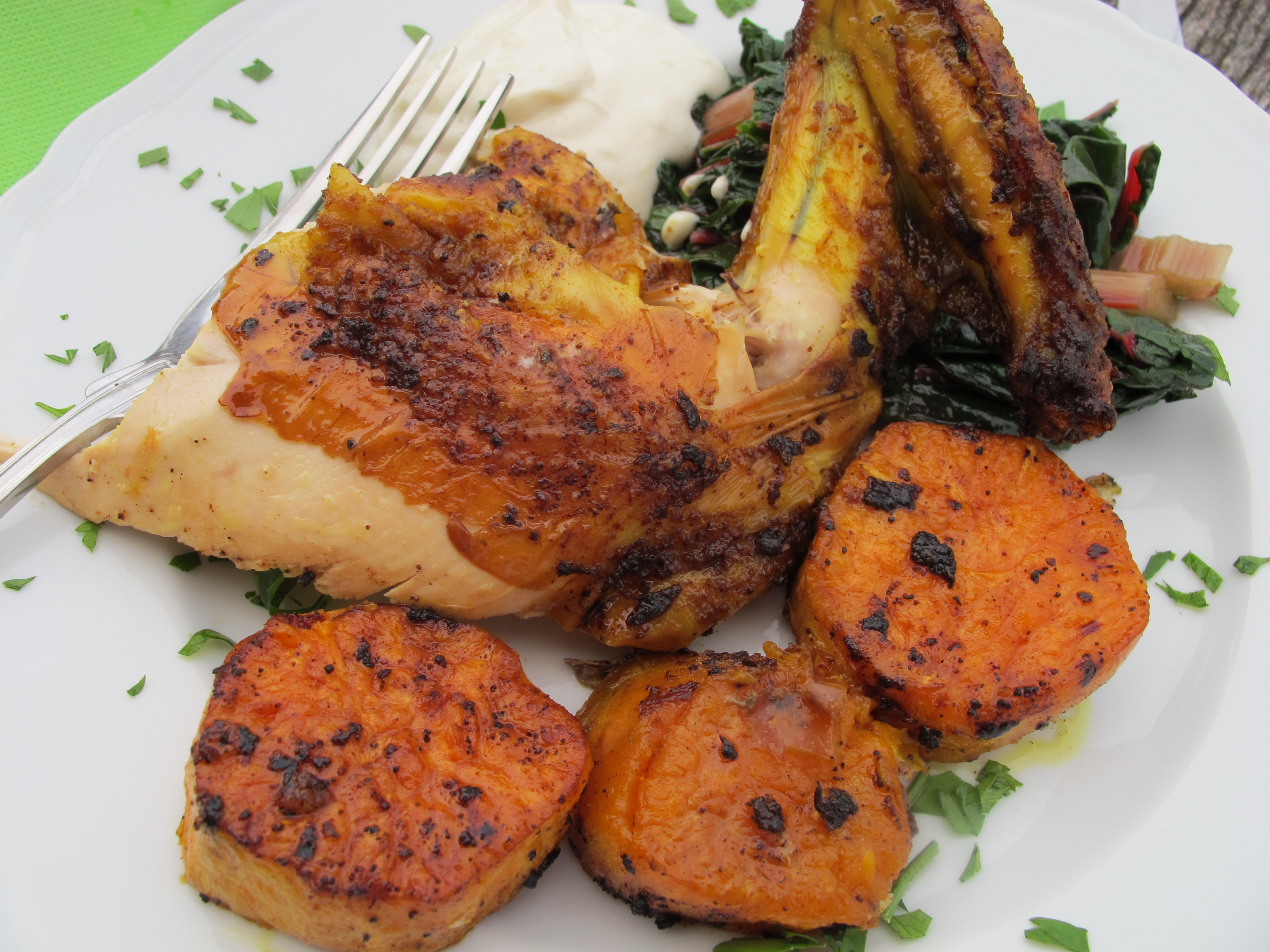
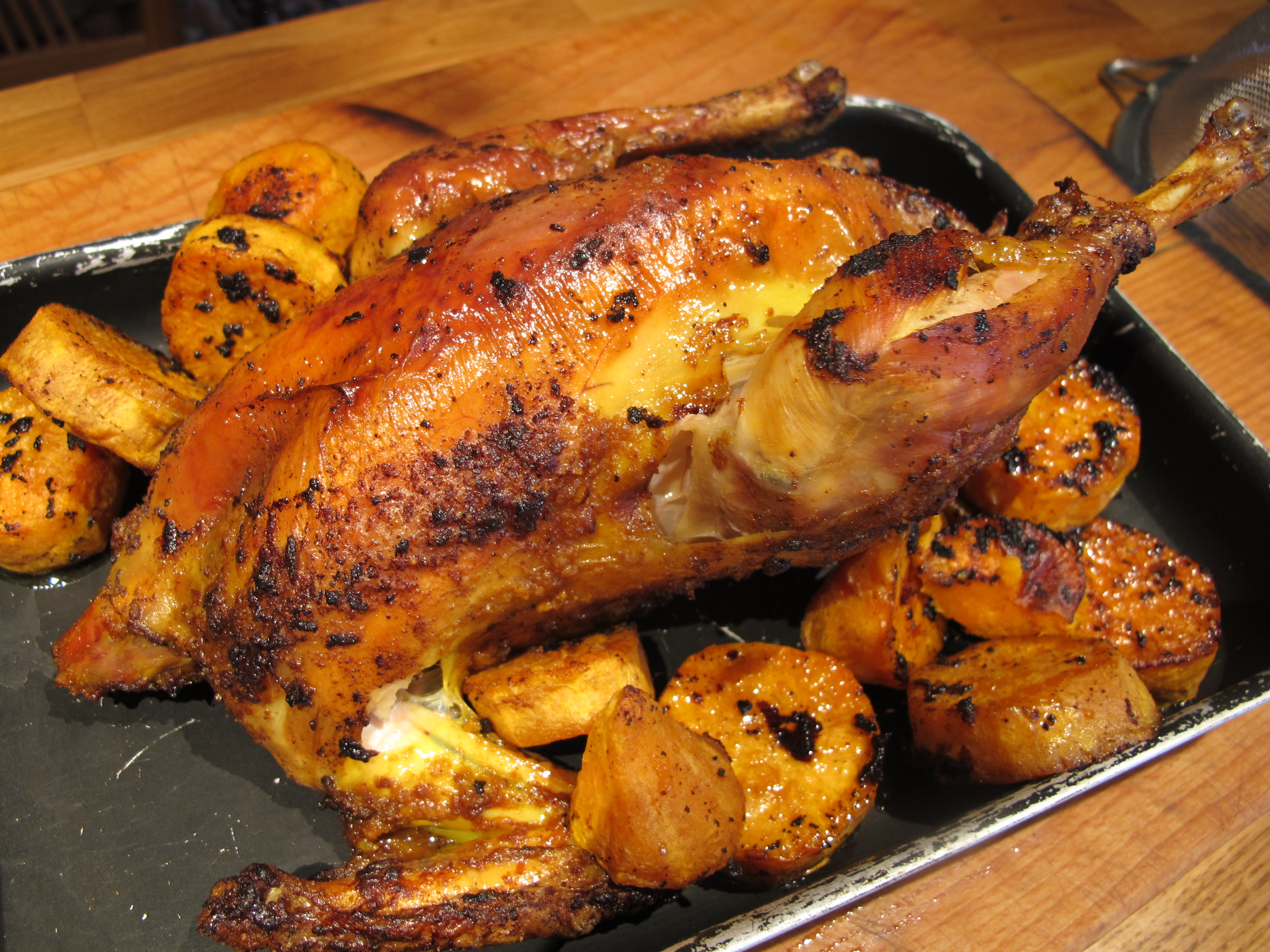
slices of peeled sweet potato roasted with the chicken for its last half hour in the oven.

The marinade has the spices turmeric and cumin whose anti-inflammatory and antioxident qualities are a plus for diabetics.

The smell wafts through the kitchen and whets the appetite.

Marinade the bird for a few hours in the fridge and roast it for an hour and a quarter.

for the marinade

Juice of a large lemon

2 tablespoons olive oil

2 cloves of garlic–crushed

1 teaspoon turmeric

2 teaspoons cumin powder

1 free range/organic chicken (weighing about 1.4k/3lb)

For the sauce

glass of white wine

  • Mix the marinade ingredients in a small bowl.
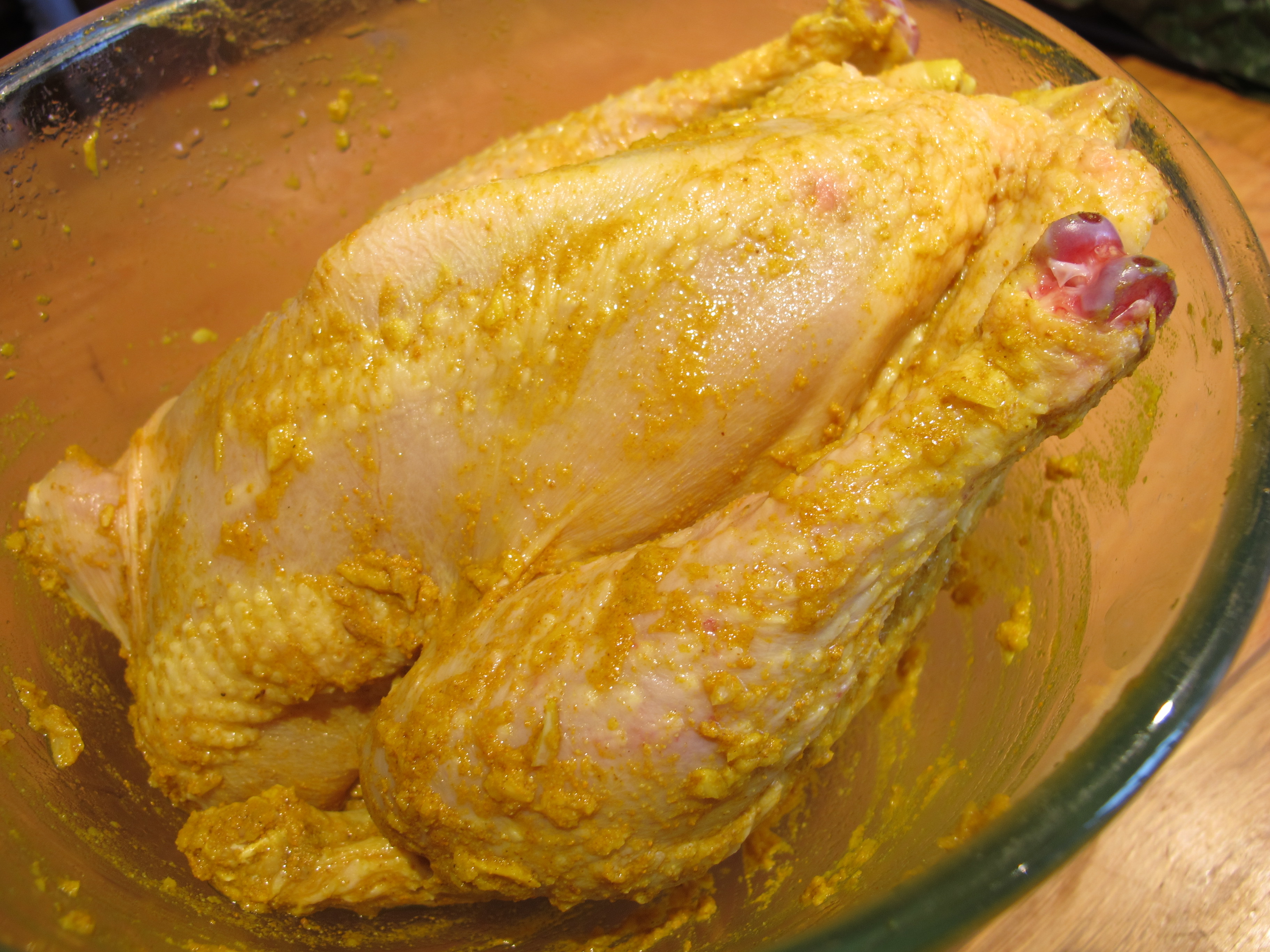
  • Put the chicken in a large bowl and pour/brush/smooth over the marinade.
  • Turn the bird in the marinade.
  • Leave for a few hours–covered–in the fridge.

not pretty but effective!

Heat the oven to 180C/350F

  • Sprinkle some salt over the bird.
  • Place it, breast down, in a large roasting pan.
  • Pour any marinade remaining in the bowl over the chicken.
  • Add a further tablespoon of olive oil.
  • Place in the middle of the oven.
  • Roast for 3/4 of an hour–basting it from time to time with the juices.
  • Turn the bird over for the remaining half hour.
  • Let the chicken rest while you make a sauce from the juices.

  • Tip the pan and spoon out all but a tablespoon of the fat.
  • Add a glass of white wine and stir–dissolving the “bits” into a sauce over a low heat.
  • A garlicky yogurt sauce goes well with it.
Three-quarters of the way through the extraordinary calvacade of the Olympic Opening ceremony last night, sitting on our sofa in the heart of SW France, we experienced an entirely appropriate British moment: It started to rain!
If you are British or have ever been to the UK in summer you will be familiar with the expression Rain Stopped Play.
It happens regularly at Wimbledon even though after decades of delay they finally put a roof on Central Court!
The expression is mainly associated in British minds with the game of cricket.
Images of a British summer would not be complete without a shot of a few dedicated spectators, plastic mackintoshes or umbrellas over their heads, resolutely sitting in the pouring rain in a sparsely populated arena waiting for play to resume–with no realistic prospect of it happening.
Obviously one of the adversities that have helped forge the British spirit!
There we were, on a sofa, engrossed in the show when we heard large, thunderous drops outside. The satellite reception was interrupted, turning the screen black on and off for fifteen minutes.
Rain stopped play!
Doubts had been expressed about whether the Brits were fully prepared.
But taking their cue from Shakespeare’s Hamlet: “the readiness is all”–the Brits were undoubtedly ready.
From what we saw, it was wonderful (i.e. full of wonder)–eccentric, moving, ironic, proud, honest, humourous, serious, self-deprecating, sometimes confusing, dense, theatrical, ambitious, worth a second look, spectacular, unexpected!
Maybe even persuading some that the Queen had taken parachuting lessons for her part in the drama:
(Overheard early this morning at Castres market–two women in their 70s chatting. One said to the other: La reine est bien!)
And like those dedicated and determined spectators at summer cricket matches, we held on and reception was restored!