Feeds:
Posts
Comments

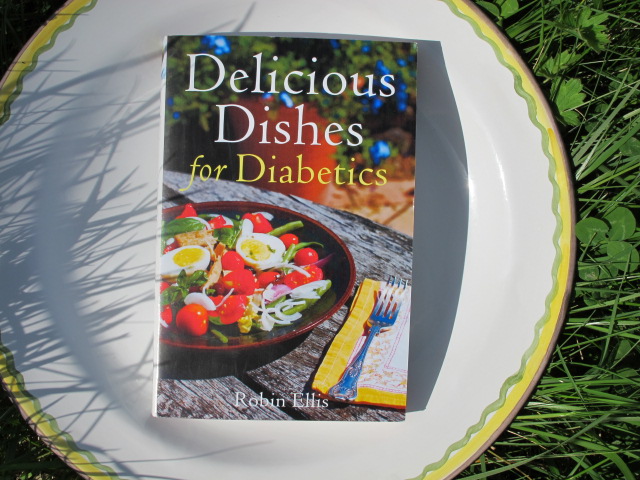
This is taken from my book: Delicious Dishes for Diabetics which was published in August and is being reprinted–(hooray!).
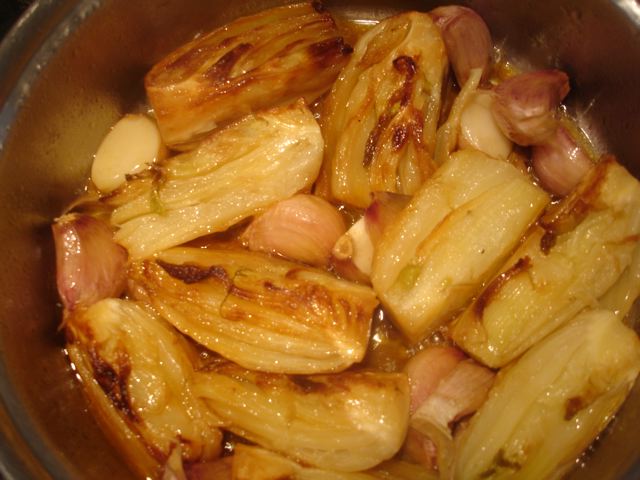
Based on a recipe from Richard Olney’s Simple French Food, it’s useful company for pork or chicken. It can also serve as a vegetarian main course with some white beans or chickpeas.

The initial cooking helps to caramelize the fennel lightly–so it’s worth taking the time.

Serves 4

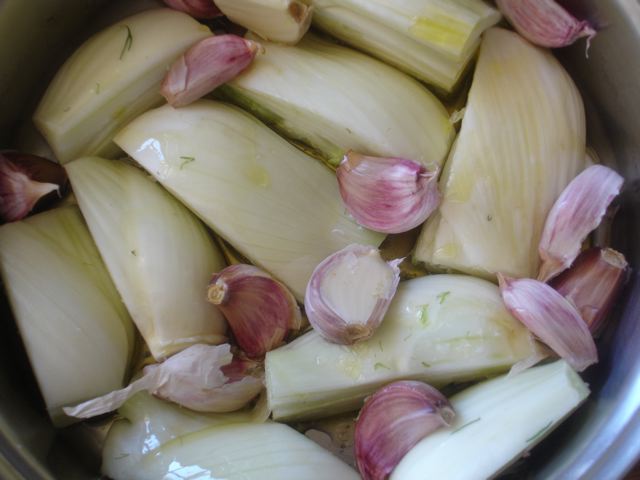
2 large or 4 medium fennel bulbs – tough outer part removed, cleaned up and quartered or cut into eighths, if the bulbs are very large

6 or more cloves of garlic – unpeeled, hooray!

3 tablespoons of olive oil 

salt and pepper 

6 tablespoons of water 

  • Put the fennel and the garlic in a pan large enough to hold all the quarters in a single layer.
  • Add the olive oil and a little salt.
  • Cook, uncovered, on a medium-low heat for 20 minutes, turning as the fennel colours–it should be nicely caramelized by the end.
  • Add the water, cover the pan and cook slowly until the fennel is super tender–about 30–40 minutes.
  • The quarters should hold their shape and be infused with a deliciously mild taste of the garlic.
  • Adjust the seasoning and serve.

“Indian Summer”

A puff of warm air strokes my face, as I walk the ridge ten minutes from home soon after eight this morning.

There are mornings in August when I realise I should have left home fifteen minutes earlier to avoid the fast rising heat, but this is the penultimate day of September!

We’re closing the shutters again in the afternoon. It’s an “Indian Summer” everyone is saying–and there’s no end in sight. We’re grateful but a little perplexed.

The countryside has a pale arid beauty–fields are barren, the last crops lifted; trees are turning brown and losing their leaves.

I look up the expression “Indian Summer”.

“Indian”–it says–is a reference to native Americans and has nothing to do with the sub-continent.

That disabuses me–I had always assumed the other!

But is this–strictly speaking–an Indian summer?

Apparently there has to be a frost before you can call it such, which is why they usually occur in October or early November.

Anyway–in terms of weather, it is clearly a giftto be enjoyed for as long as it lasts.

There is another–metaphorical–meaning of the phrase: a late blossoming, a rebirth, a renaissance and that can occur at any time of the year!

Prue’s Mango Surprise!

On our last day in London our friends Prue and Michael invited us to lunch–a treat.

We ate a delicious monkfish dish followed by Prue’s Mango Surprise--thought up by a thoughtful Prue with me in mind, i.e. something she hoped a type 2 diabetic could enjoy.

A dessert–my word!–and it was delicious!

Mangoes have been controversial.

On our return I did a bit of research.

The news is encouraging.

This from the GI Index:

Mangoes are one of the few tropical fruits with a low GI (51) so they’ll deliver sustained energy without spiking those blood glucose levels (in modest portions).
They are also an excellent source of vitamin C, high in the soluble fibre pectin that helps in controlling blood cholesterol, a good source of vitamin E, rich in beta-carotene which the body converts to vitamin A, and loaded with compounds called polyphenols which have strong antioxidant properties protecting against heart disease and cancer. So you really don’t need an excuse to grab one.

Further reassurance and encouragement comes from the ygov site–Are mangoes good for diabetics??:

As usual, the message is “in moderation”.

Difficult in terms of Prue’s dessert!

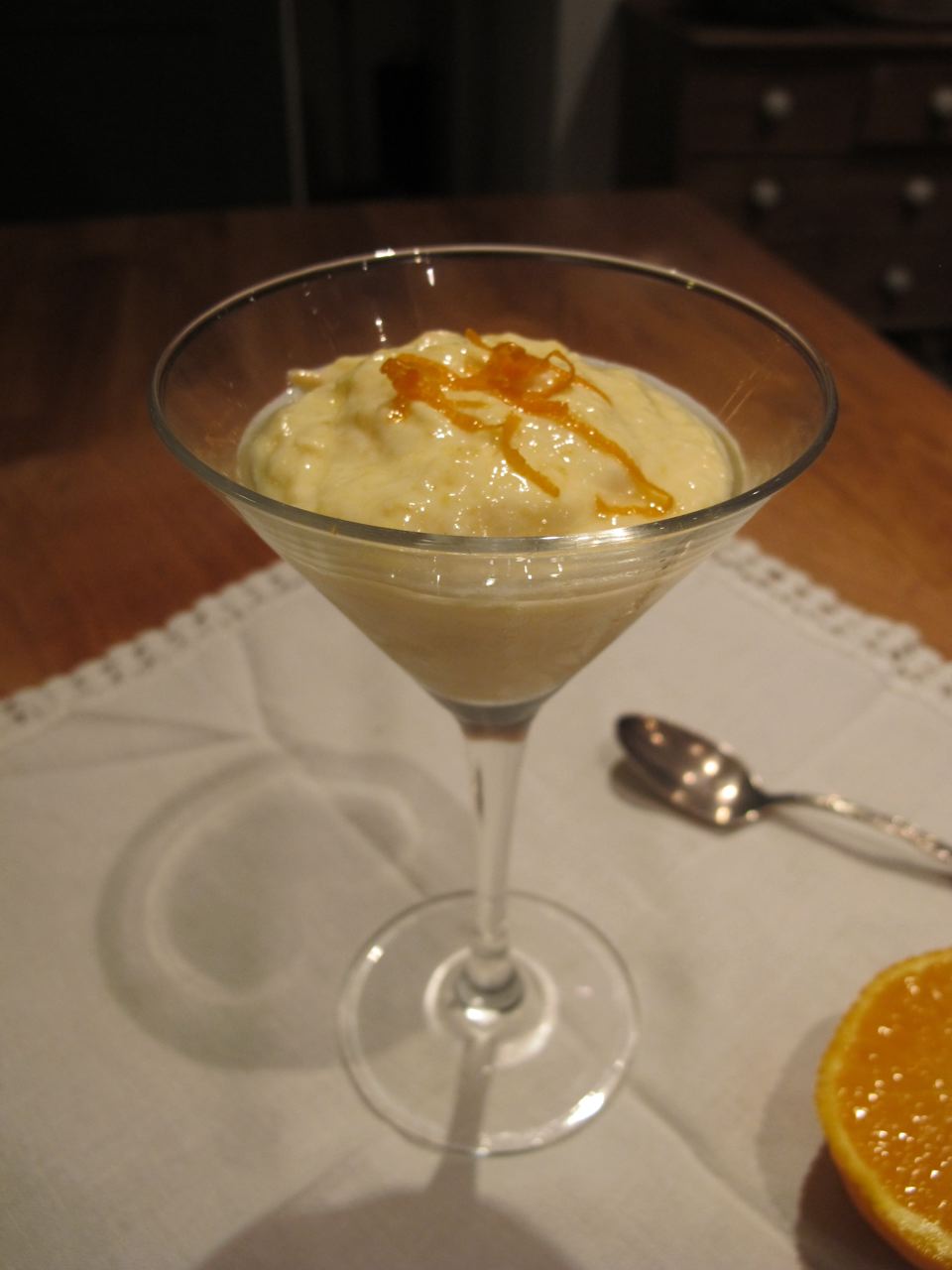
Here it is:

500 gms/ 16oz (four small pots) yogurt--drained for 1/2 hour in a sieve to thicken it (spoon carefully into a fine sieve and leave to drain off the whey over a bowl in the fridge)

300 gms/10 oz ripe mango flesh–whizzed to a rough purée in a food mixer

the zest of an orange and a squeeze of its juice

  • Whisk the three ingredients together in a bowl.
  • Refrigerate for a couple of hours before eating.
  • Serve in a small glass–with perhaps a finger waifer biscuit for non diabetics and a few strands of the zest/thin rind for the look of it.
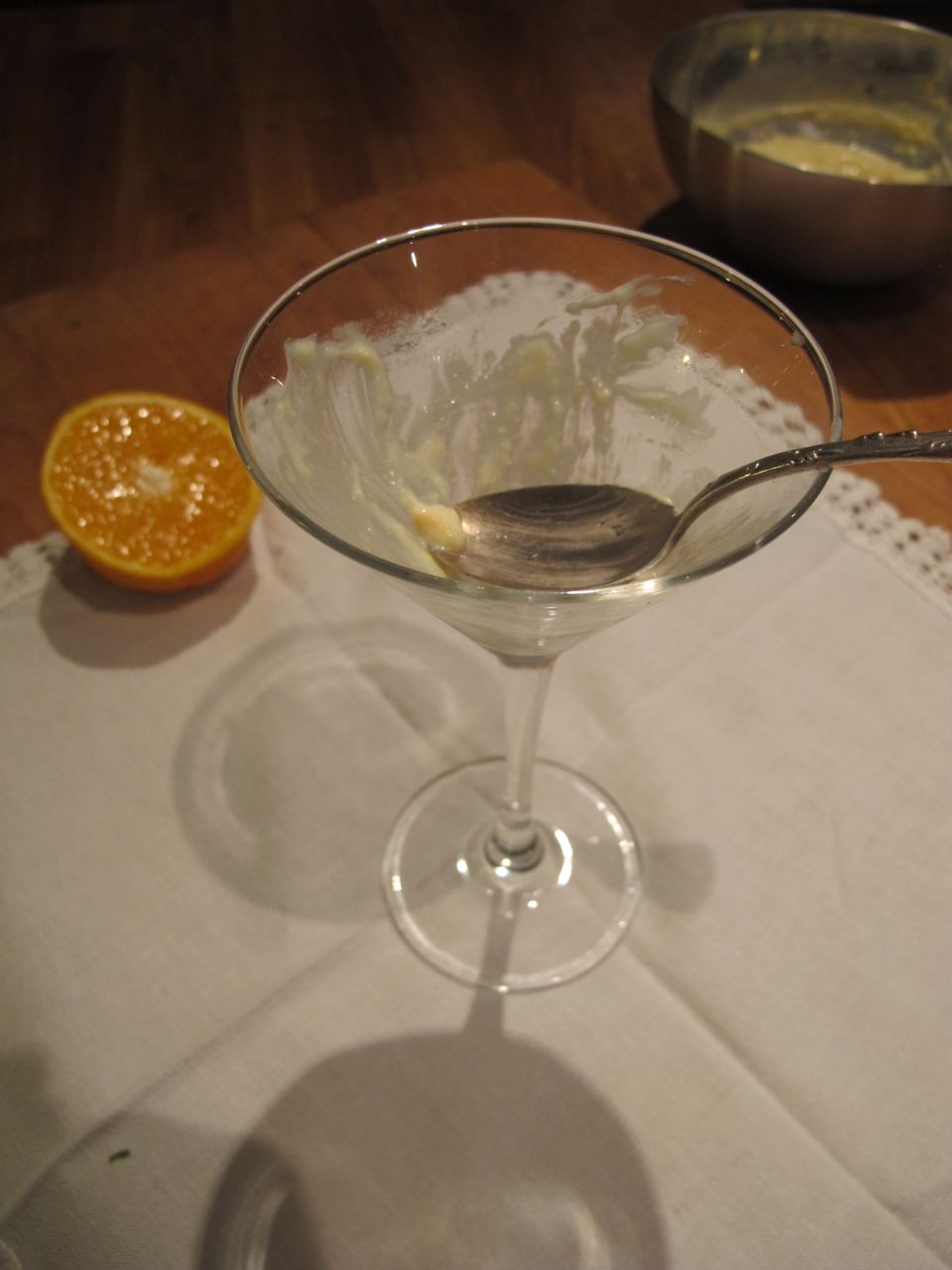
Lacking a sweet tooth, I don’t much miss desserts–does anyone have other healthy options for those that do?

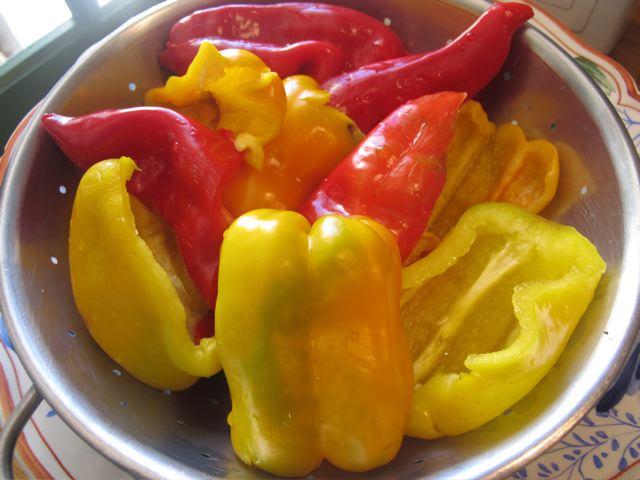
Peperonata

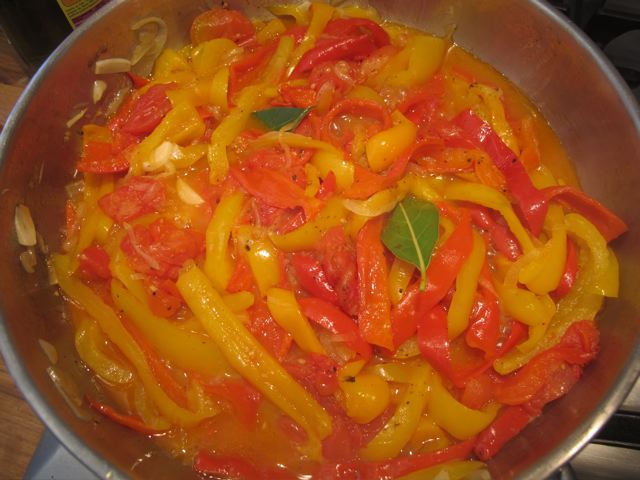
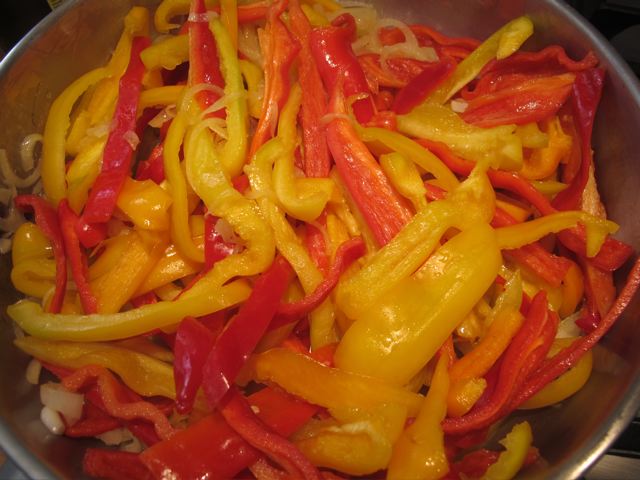
Worth trying just for the beauty of it!

It is the perfect time.

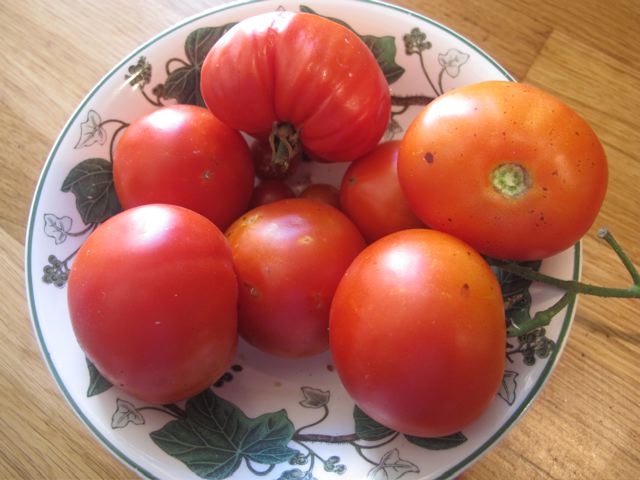
The markets have red and yellow late summer peppers on the stalls and the tomatoes are sweet end of season numbers.

The last few from the garden

This will be lunch today served on a piece of rye toast (for me–wholewheat for Meredith) with a poached egg perched on top.

750gms/1.5 lbs red and yellow peppers (or just red if you can’t find yellow)–seeded and sliced in strips

1 tablespoon olive oil

350 gms/12 oz ripe tomatoes–peeled and chopped

1 medium onion–sliced thinly

2 cloves of garlic–sliced

2 bay leaves

1 teaspoon balsamic vinegar

salt and pepper

  • Heat the oil in a medium pan you can cover.
  • Sauté the onion to soften it for five minutes then add the sliced garlic; turn it in the onion and oil and cook for a couple more minutes.
  • Add the pepper slices and the bay leaves, turning these over in the mixture.
  • Cover the pan and cook for 15 minutes to soften the peppers, turning them a couple of times.
  • Add the tomatoes, some salt and pepper, mix them in and cover the pan again–let this cook gently for 20 minutes.
  • If he mix is a little too liquid, cook it another 5 minutes or so uncovered.
  • Add the teaspoon of balsamic and mix in well.
  • A spoonful of tapinade makes a nice contrast with the colours of Catalonia (to the south of us here)

The flag of Catalonia!

  •  and cuts the sweetness of the peppers–but then you have to make the tapinade!
  • For us now it’s a poached egg.

“Myth versus Fact”

This simple piece from the Los Angeles Times, busting a few myths about diabetes, is worth posting on its own–in full.

Learning about Type 2 diabetes and the risk factors involved can help a person detect the disease early or know what he or she needs to do to minimize their risk. Type 2 diabetes, which used to be called adult-onset diabetes, is becoming more common, especially in children and young adults. Here are common myths associated with Type 2 diabetes:

1. Type 2 diabetes is not a serious disease. 

Because Type 2 diabetes tends to develop slowly over time, many people believe it is not a serious disease. According to the American Diabetes Assn., diabetes kills more people each year than AIDS and breast cancer combined. 

2. Only overweight people develop Type 2 diabetes. 

Though being overweight or obese is a risk factor, it is not the only one. There are other risk factors to consider, such as family history. If you have immediate family members who have developed Type 2 diabetes, you have a greater risk of developing it. 

Ethnicity also plays a role. African Americans, Hispanics and Native Americans are more likely to develop Type 2 diabetes than Caucasians. 

3. There’s only one dangerous kind of diabetes.

Not true. Diabetes refers to a group of diseases — all of which require serious attention — that have in common the body’s inability to properly convert glucose from food into energy, leading to a high level of sugar in the blood. The main types of diabetes include Type 1 (formerly known as juvenile-onset diabetes), Type 2 and gestational (which occurs only during pregnancy). Managing any type of diabetes requires balancing food, physical activity and, if needed, medications.

4. People with diabetes must eat a special diet.

A healthful diet for someone with diabetes is the same as a healthful diet for anyone else. A good meal plan is based on whole-grain foods, lean protein, vegetables and fruit. Such a diet is low in fat (particularly saturated and trans fats), salt and simple sugars. 

5. Only older people develop Type 2 diabetes. Type 2 diabetes used to be an adult disease, developing primarily in people over 40 who were overweight or obese. Sedentary lifestyles, combined with being overweight, have led to an increase in the diagnosis of Type 2 diabetes in children as young as 10. 

If you would like to learn more about diabetes, go to http://www.diabetes.org.

Walnuts & Almonds…

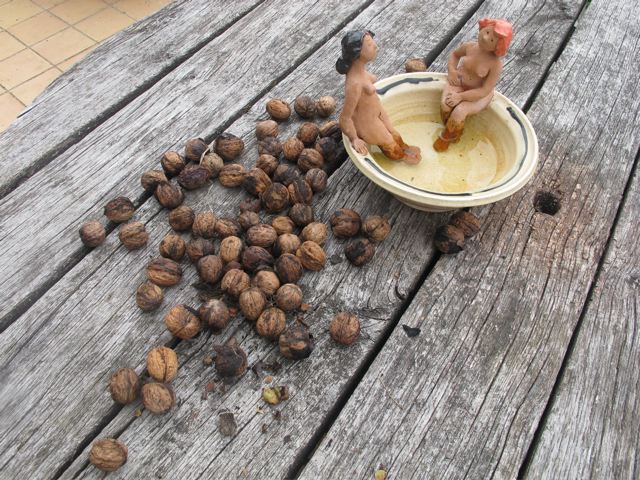
I set off on the long walk for walnuts yesterday afternoon.

It lasts from now to early November and involves a lot of bending down.

Good exercise–and usually good results.

We still over two full boxes left from last year’s harvest. The slim pickin’s from yesterday–just under a kilo–are on the slatted table drying out. And are clearly a subject for conversation!

I know, but listen–have you heard about…?”

The modest almond and its benefits to health have been in the news.

 Diabetes.co.uk reported yesterday that:
Two new studies into the potential health benefits of eating almonds have supported evidence that they can help people with type 2 diabetes to maintain their blood glucose and cholesterol levels.
 One of the studies, published in the journal Metabolism, showed that consuming an ounce of almonds straight before eating a high-starch meal brought a 30 per cent reduction in post-meal glucose levels for patients with type 2 diabetes….”
I just measured out an ounce and counted about thirty nuts–about what I eat as a snack in the late afternoon. I was reminded of an earlier post called Peckishness“:

” Almonds are my prefered nut at the moment–roasted with a little salt. Pistachios preceded them until my nails started to split with opening them. Both have good health properties. Eaten in moderation, one doesn’t have to feel guilty about snacking.

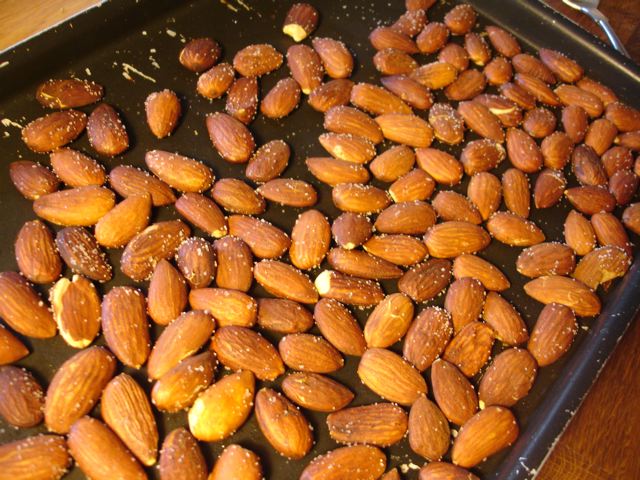
Home-roasted almonds

About 8oz/250gm almonds

1 teaspoon olive oil

fine salt

  • heat the oven to 180C/375F
  • Put the almonds in a bowl and tip the teaspoon of oil over them.
  • Turn them over in the oil until they are well covered.
  • Add a couple of sprinklings of salt and flip them over and over until the salt is well distributed.
  • Spread  the nuts on a shallow baking tray and roast in the middle of the oven for about 10 minutes. There’s no pain in testing them for doneness–except perhaps briefly to the fingers!
The only drawback–they are more-ish..!

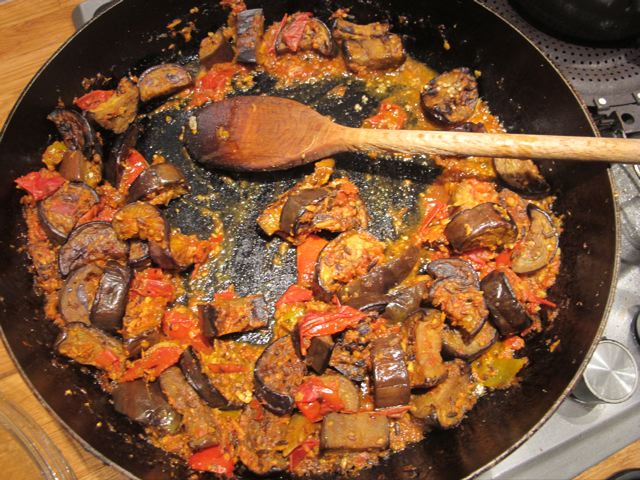
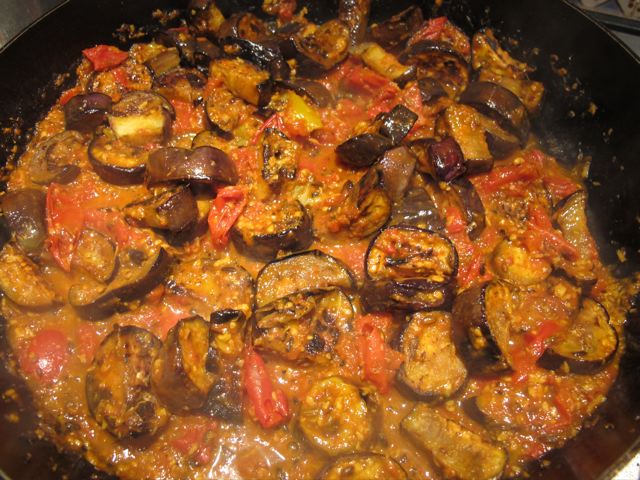
Spicy aubergines

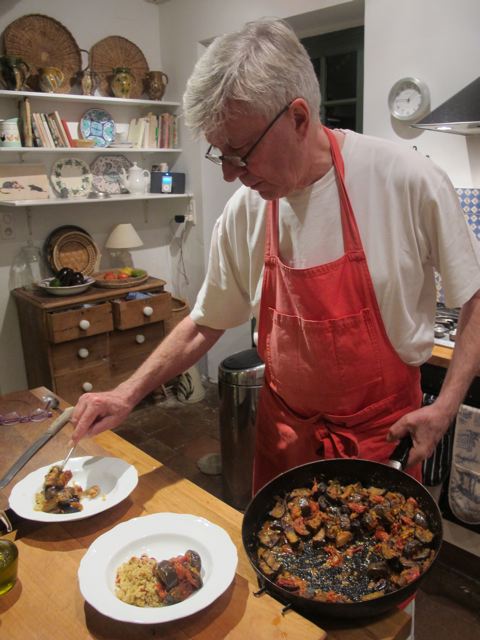
We had these last night with quinoa, plain green beans, and garlicky yogurt sauce.

It’s adapted from a recipe by Rick Stein–known as the uncrowned king of Cornwall.

When we were filming Poldark in Cornwall 35 years ago, eating out in the county was very different from what we experienced last weekend and Rick Stein has a lot to do with it.  His fish restaurants in Padstow have set a benchmark. Things have improved!

We tried to reserve a table at one of Rick’s places a couple of weeks before our trip but they were all booked–sad for us but “Hooray” for Cornwall!

for 2+

500gms/1lb aubergines–cut up into smallish pieces (quicker to sauté), lightly salted and left in a sieve or colander for an hour to drain off their liquid, then dried ready for the pan. (This seems tedious to do but they absorb less oil this way.)

4 tablespoons olive oil

1” square piece of fresh ginger--chopped fine

3 garlic cloves–pulped with half a teaspoon of salt

1 tablespoon of water

2 tablespoons whole fennel seeds

1 tablespoon whole cumin seeds

1 tablespoon whole coriander seeds–crushed

1 teaspoon turmeric powder

1 teaspoon chili powder

500gms/1lb tomatoes–chopped with their juice (or use tinned)

3 more tablespoons of water

  • whizz the ginger and garlic in a tablespoon of water to form a loose paste.
  • heat a tablespoon of olive oil in a large sauté pan that you can cover.
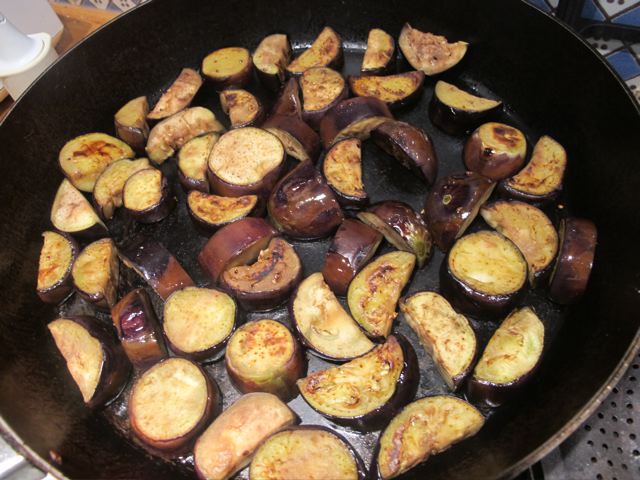
  • when hot, add a single layer of  the dry aubergine pieces.
  • turn them in the oil and sauté on all sides until nicely browned–a pair of cooking tongs comes in handy here–then set aside. (It’s worth taking your time to make sure the aubergine is cooked through.)
  • continue the process until all the aubergine pieces are cooked, adding more oil as needed.
  • let the pan cool a little before heating two tablespoons of oil and adding the fennel and cumin seeds.
  • let them colour for a few seconds before adding the ginger and garlic paste.
  • cook this gently for a minute or two before adding the coriander, turmeric and chili powder.
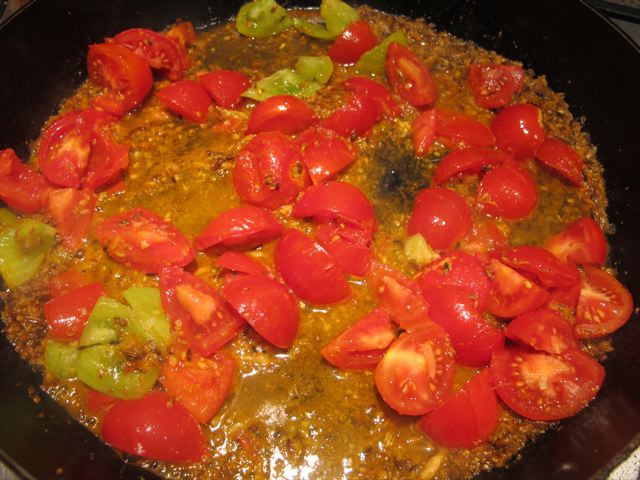
  • cook this gently for a minute before adding the tomatoes and the extra water.
  • turn the lovely looking mix over and cook on a low heat for ten minutes to form a sauce.
  • add the aubergine pieces turning everything over thoroughly before covering the pan and cooking for a further 5 to 10 minutes.
  • test the doneness of the aubergines, cooking them a little more if necessary, adding a little more water if  needed.
  • check the seasoning and sprinkle some chopped mint, fresh coriander, or parsley over the dish before serving.

I was back in Cornwall last weekend for the first book signing session at Waterstone’s in Truro.

The county is in fine form and this cathedral town was buzzing on Saturday morning.

Bev–who with her husband had driven all the way from Nottingham–made me feel a little underdressed!

Here’s my interview with the excellent and sympathetic Martin Bailie at BBC Radio Cornwall last Friday–me trying to avoid the “errs” and “ums”!.

"On the spot" at BBC Radio Cornwall!

PS–according to an email received today from the US publisher (Skyhorse)–the book is now available in the States…!

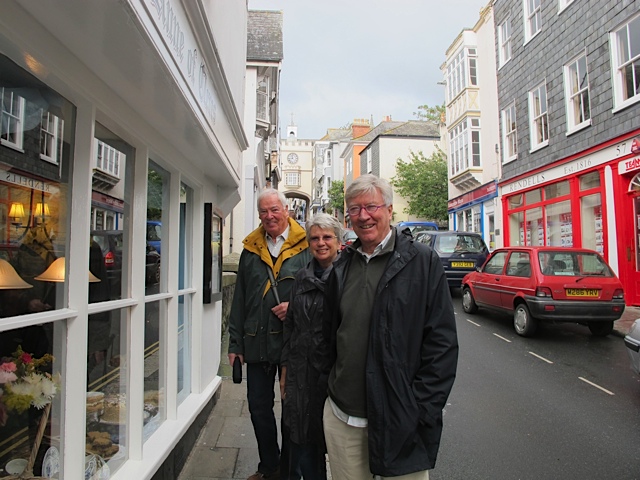
On our way back from the book signing we spend Saturday night in Totnes–old hippy haunt and medieval town on the the river Dart in Devon.

After visiting the Sunday market–(every third Sunday in the month)

we have lunch at a bistro with our friends Maj-Britt and Lars.

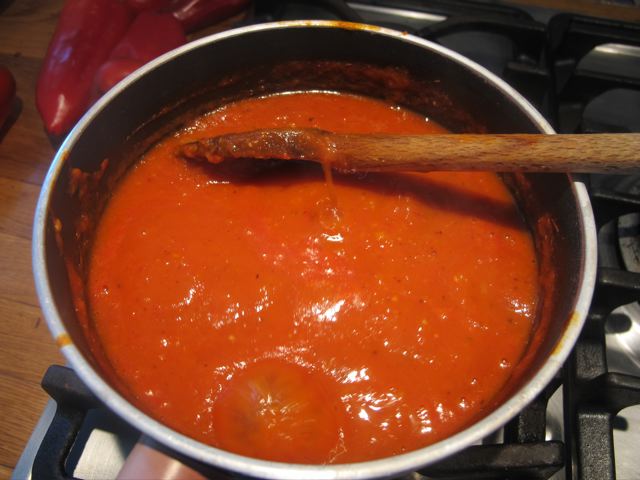
“What’s in the Tomato soup–it’s delicious?–would you ask the chef.”

“Roasted tomatoes, red pepper, onion, and garlic–he says.”

So this morning–a little bleary eyed (we returned yesterday)–I head for Realmont market and a stall of home grown tomatoes and peppers.

The market in this medieval town is every Wednesday; retired farmers talk about the weather and old times–and there’s even a hippy or two!

Hearing Grace Slick and the Jefferson Airplane‘s Somebody to love–blasting out over the normally detested civic sound system, transports me back and puts a spring in my step.

Then back home to have a go at the soup.

Oven set to 230C/450F

Cover a shallow oven tray with foil and brush it with olive oil.

800 grms/1lb 12ozs tomatoes–cut up in large chunks

250/ grms/8oz red peppers–deseeded and chopped in large chunks

1 medium onion–peeled and chopped in large chunks

3 garlic cloves–peeled and chopped

300ml vegetable stock–I use half a stock cube in hot water

  • gather these in a bowl and pour over a tablespoon of olive oil.
  • season with salt and pepper and mix well.
  • tip this mix into the oven tray and spread it evenly.
  • put it into the hot oven for 30 minutes.
  • it comes out nicely singed.
  • let it cool a little then tip it all in a food processor and whizz to a roughish finish.
  • (I don’t mind the bits of tomato and pepper skin but there’s the option of lifting these off after the cooling period).
  • after tasting it I add a couple of teaspoons of cider vinegar–it seems to need something.
  • pour the soup into a saucepan and add the stock.
  • stir it well and heat through.
  • check the seasoning.
  • we have a small glass of it for lunch
–with a little fresh basil sprinkled on top and swirl of olive oil–could be creme fraiche though!

Book-signing in the UK

Our friend, Marek, wasn’t happy–in fact he was downright gloomy last Sunday.

With Marek, one of the owners of Primrose Hill Books

He and his wife Jessica run the  Primrose Hill Book Shop, near where we used to live in North London.

He told us there are about 2200 high street bookshops left in Britain today compared with 4,000 in 2005.

Five hundred and eighty towns in the UK  do not have a bookshop.

According to a recent report by the data company, Experion,  the rise of internet retailers, the growing popularity of e-readers such as the Kindle and heavy discounting by supermarkets have forced nearly 2,000 bookshops to close over the last six years.
Marek and Jessica deserve to be one of the survivors–they give a wonderful service.
Order a book from them and they will post it off in double quick time and with a love of books in their hearts.
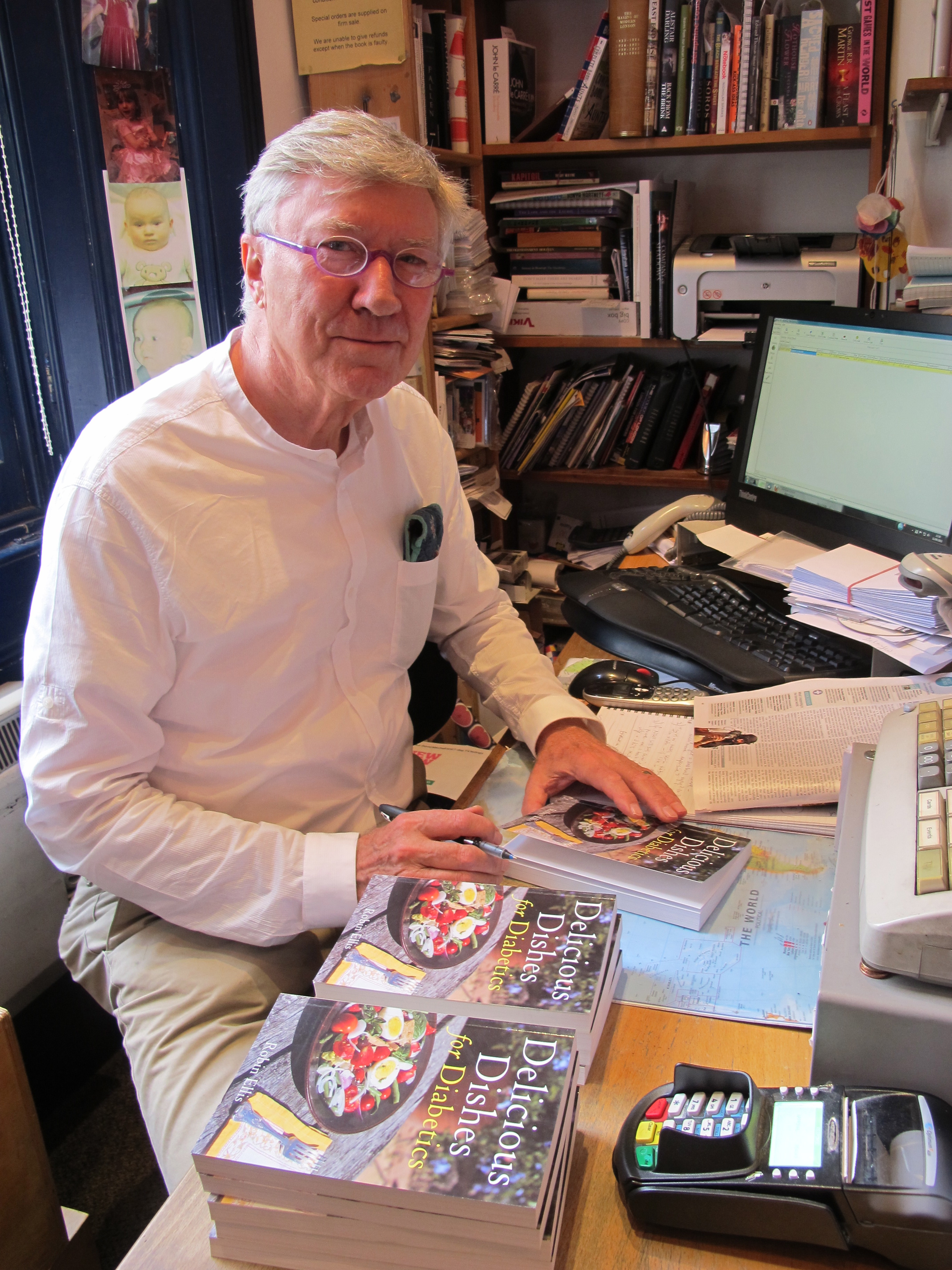
I was there to sign some books for anyone wanting a signed copy: http://www.primrosehillbooks.com/.

This Saturday, Sept. 17th, 2011 from 2.30 to about 4.00pm I shall be at Waterstone’s bookshop in Truro, Cornwall to sign copies of Delicious Dishes for Diabetics–see you there?!